
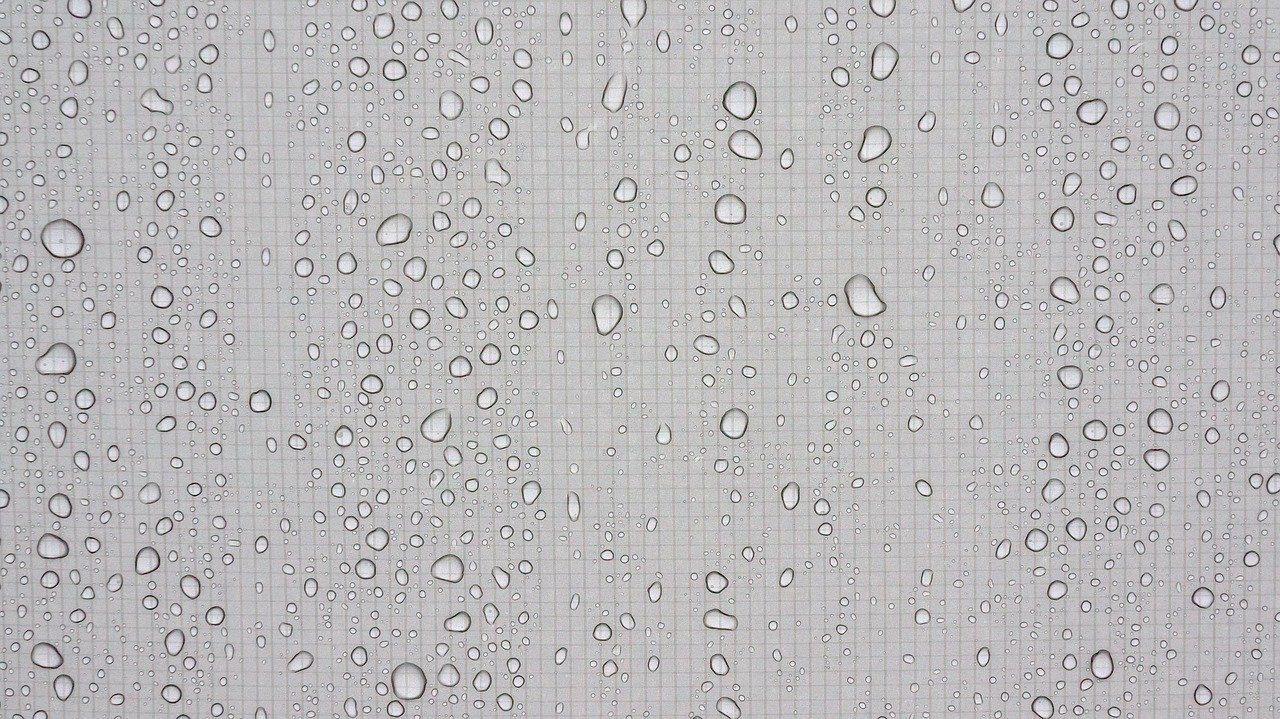
The first clue is where the water appeared.
At dawn, the fly is beaded with water and the sleeping bag feels clammy, although the sky stayed clear. Warm, moist air from breathing and damp gear can reach a cold fly, cool below its dew point, and condense. Droplets may then run down the fabric or fall onto bedding.
A puddle at floor level needs a closer look. Water on the underside of the floor can form where humid air meets cold ground; water inside the tent may have entered through a seam or been transferred from wet gear. Before changing the ventilation or blaming a leak, check which surface is wet and trace any drip marks.
Why a dry tent gets wet inside
A tent can collect water inside without any rain. Breath and perspiration add vapor overnight; damp clothes, boots, and packs release more as they dry. Moist ground also evaporates beneath and around the shelter, especially after a warm day gives way to a cool night.
Condensation forms when humid air meets fabric colder than its dew point—the temperature at which that air can no longer hold all its moisture as vapor. Tent fabric loses heat overnight. Under clear skies, the fly can radiate heat toward the open sky and become colder than the surrounding air. Vapor then turns to droplets on the fly’s inner face or, in a single-wall tent, on the wall beside sleepers. Touching or shaking the fly can send those droplets onto the inner tent, making it seem to leak.
That is different from water passing through waterproof fabric: the moisture began as vapor inside the shelter. A waterproof fly can therefore have droplets on both sides for different reasons. Water concentrated at a seam or pooling beneath the floor calls for a separate leak check.
Where is the tent getting wet?
Why are there droplets beneath the fly?
Scattered droplets on the fly’s inner face usually indicate condensation. If the inner tent remains dry, the fly may still be keeping outside water out.
Why is the inner tent wet only in one spot?
Check whether that spot touches the fly, especially where a guyline is slack or a wall sags. Contact can transfer condensation onto the inner fabric without a leak.
What does dampness at a seam or worn patch suggest?
A sharply localized wet spot merits inspection for failed seam tape, stitching holes, or fabric damage. Leakage still requires water on the other side; a dry night alone does not prove a seam failed.
What if the floor is wet but nothing overhead is dripping?
Check beneath the floor for saturated ground or pooled water, then inspect floor seams and abrasion points. Wet gear and spilled water can produce the same pattern.
Can a waterproof rating identify the problem?
No. Tent waterproof ratings describe resistance to water pressure under specified test conditions, not condensation, seam condition, or floor damage. The wet spot’s location matters more when deciding what, if anything, needs repair.
When water comes from below
A wet sleeping area is not necessarily caused by condensation. Soil can remain saturated long after rain stops, and a shallow depression can hold water beneath the tent even when the surrounding ground looks dry. If dampness is concentrated under a sleeping pad or near the lowest point of the floor, check below before blaming moisture in the air.
Lift a corner of the tent and inspect the underside, especially where the floor rests against a groundsheet. Water trapped between those layers may have arrived as runoff or remained from earlier rain. A footprint must fit entirely beneath the tent floor: any exposed edge can catch water and direct it underneath. Choosing a slightly raised, level pitch is often more effective for preventing water from collecting beneath the tent than adding another layer of plastic.
Pressure matters, too. Knees, elbows, and sleeping pads press the floor into wet ground, increasing pressure against its waterproof coating. An intact, adequately rated floor should resist this; worn coatings, pinholes, and damaged seams may not. After drying the inside, press a clean cloth against a suspect spot. Moisture that reappears at that spot points toward water entering from below rather than condensation settling across the floor.
How campsite choice affects condensation
A tent in a hollow can be wetter inside than one a short distance uphill, even when neither sees rain. Cold air drains downhill and collects in low spots, cooling the fly while damp ground supplies vapor. Near a lake or stream, the air may already be close to saturation, leaving little room for moisture from breathing and damp clothing before condensation forms.
Wet grass and dense vegetation add moisture around the tent as they dry. A pitch tucked tightly behind bushes or a bank may also block the light breeze that would carry humid air away. When options permit, choose gently raised, well-drained ground with some space around the fly and keep vents open enough for modest airflow.
The most exposed ridge is not automatically better: strong wind can make a cold night uncomfortable or threaten the shelter. If every available pitch is damp or sheltered, condensation may be unavoidable; ventilation and keeping gear off the fly still help.
Let damp air escape
A sleeping tent produces moisture even without wet gear: breathing and perspiration add water vapor throughout the night. Ventilation removes that vapor before it reaches cold fabric, lowering the chance of droplets forming on the fly or inner wall.
Open the fly’s roof vents and leave a sheltered door partly unzipped. If the tent has low vents, open those too: air entering low and leaving high can carry moisture out even in a light breeze. Guy out the fly so it stays clear of the inner tent; the gap gives air a route through and prevents a brushing sleeve or sleeping bag from picking up water from the fly.
In wind, face the smaller opening toward the breeze and keep the larger door opening on the sheltered side. Adjust the openings if a strong draft chills sleepers or drives mist inside. Closing every vent to hold warmth may feel appealing, but a tent retains little heat, while trapped breath can make bedding noticeably damper by morning.
Ventilation has limits. In fog, outside air may already be near saturation, and a cold fly can collect droplets despite good airflow. Keep enough ventilation to prevent interior moisture from building up, then manage the remaining condensation by avoiding contact with the fly.
Keep bedding off wet walls
A single-wall tent puts sleepers and gear next to the same fabric on which indoor moisture condenses. A shoulder or sleeping bag brushing that surface can pick up droplets even though no water has penetrated the tent. In a double-wall tent, the inner creates a buffer—but only while it stays clear of the wet fly. A sleeping bag or pack pushing the inner into the fly can bridge that gap and transfer moisture.
Crowded pitches make contact harder to avoid, especially when bedding spreads beyond the floor’s usable width. Keep packs away from the walls, move smaller items toward the center, and avoid overfilling storage pockets that pull the inner outward. If a bag touches a wall, shift the sleeping position before its shell becomes wet: damp insulation loses loft and warmth, particularly when it is down. The choice of sleeping bag insulation for damp trips affects how forgiving that contact will be, but neither down nor synthetic fill benefits from repeated soaking.
Keep wet clothing contained rather than draped over bedding or tent walls. Seal it temporarily in a waterproof bag, then air it out when conditions allow.
Choose a tent for damp nights
When considering what to look for when choosing a tent, inspect the pitched shape rather than counting vents on a spec sheet. High vents should remain open beneath protective hoods when the fly is tensioned; low inlets need airflow without admitting splash. A fly extending down the walls and over entrances makes ventilation practical during drizzle or heavy dew.
Check clearance with the expected sleepers inside. Bowed inner walls, bulky sleeping bags, and gear can press mesh against a wet fly even in a roomy-looking tent. A vestibule gives wet boots a place outside the sleeping compartment. These features reduce contact and trapped vapor, but a cold, still, humid night can leave condensation.
A quick check before packing
-
Find the first wet surface
Before wiping anything down, note whether droplets sit on the fly or inner wall, or whether the floor is wet beneath the sleeping area.
-
Check the ground and fabric
Look beneath the floor and footprint for pooled water. Check any isolated wet patch for abrasion, punctures, or a failing seam.
-
Make room for airflow
For the next night, favor well-drained ground, clear the fly of vegetation, and open protected vents where weather permits.
-
Pull bedding clear
Move sleeping bags and pads away from the walls so contact cannot wick moisture into insulation.
-
Dry it after packing
If the tent must go into its bag damp, unpack and dry it promptly afterward. Follow damp-tent care after camping rather than leaving it sealed.
A patch that stays wet in the same place after condensation and ground moisture have been ruled out deserves closer inspection for fabric or seam failure.
CampEquipmentPlus relies on reader support. Purchases made via links on our website may earn us an affiliate commission at no extra cost to you, helping keep the site running.