
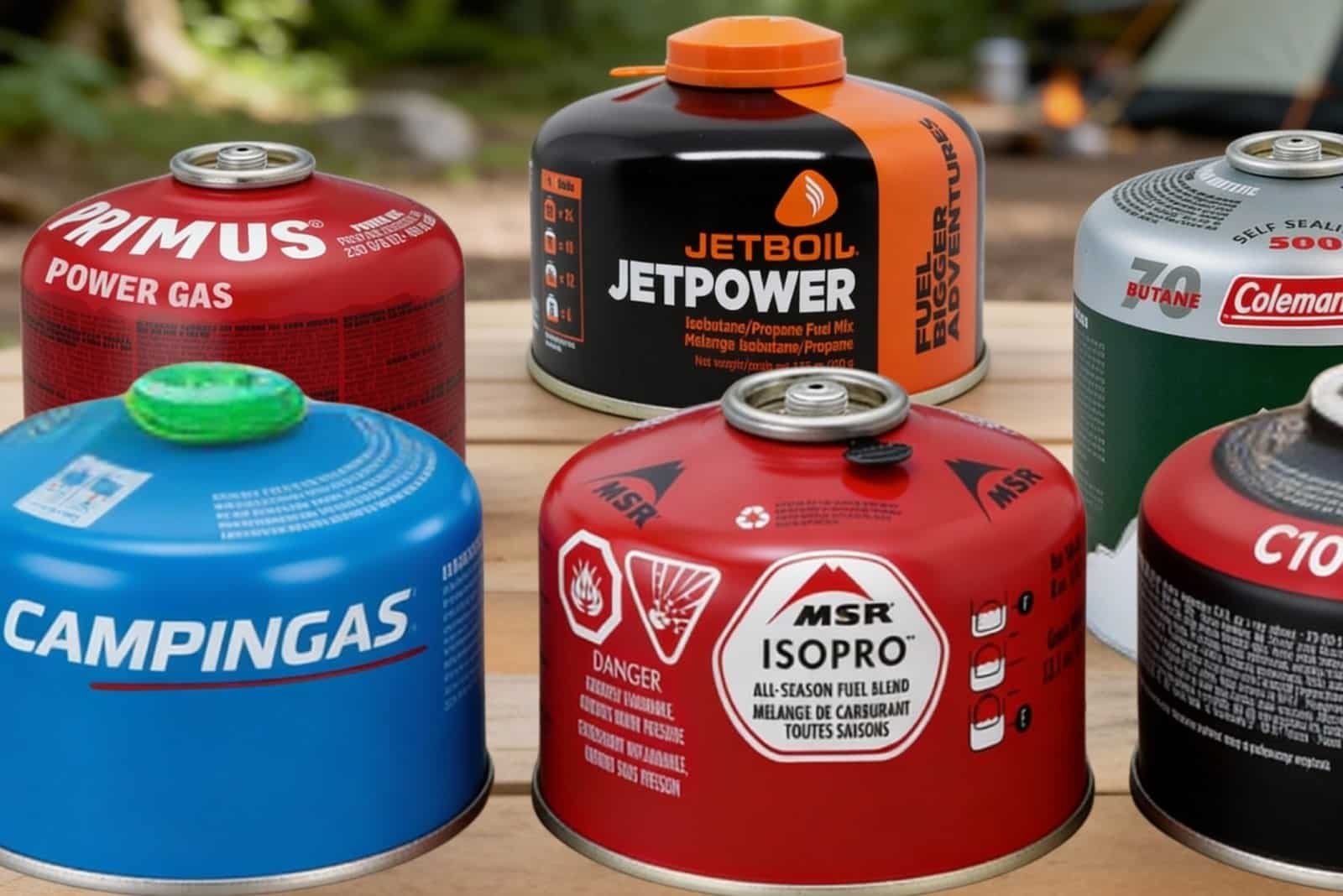
Ever watched your stove sputter pathetically on a freezing morning when you desperately need hot coffee? Discovering your gas canister won’t work in cold temperatures can absolutely ruin breakfast plans when fuel fails unexpectedly.
This best camping gas canisters guide helps you choose proper fuel supplies keeping stoves running reliably rather than suffering cold meals during adventures.
Getting your gas canister wrong means inadequate cold performance, wasted money on unusable fuel, and genuine frustration when cooking fails during outdoor trips.
Finding the best camping gas canisters means understanding isobutane versus butane performance, grasping propane benefits in freezing conditions, and picking canisters that genuinely deliver pressure when temperatures drop rather than becoming expensive paperweights.
Confused about whether all gas performs identically?
Totally baffled by fuel mixtures and temperature ratings?
Want honest advice that actually reflects proper British camping including Scottish winters and cold morning starts?
This comprehensive guide examines six solid options covering different fuel compositions, temperature ranges, and camping conditions.
here’s my recommend choices:
1. MSR IsoPro Fuel Canister: The All-Weather Champion
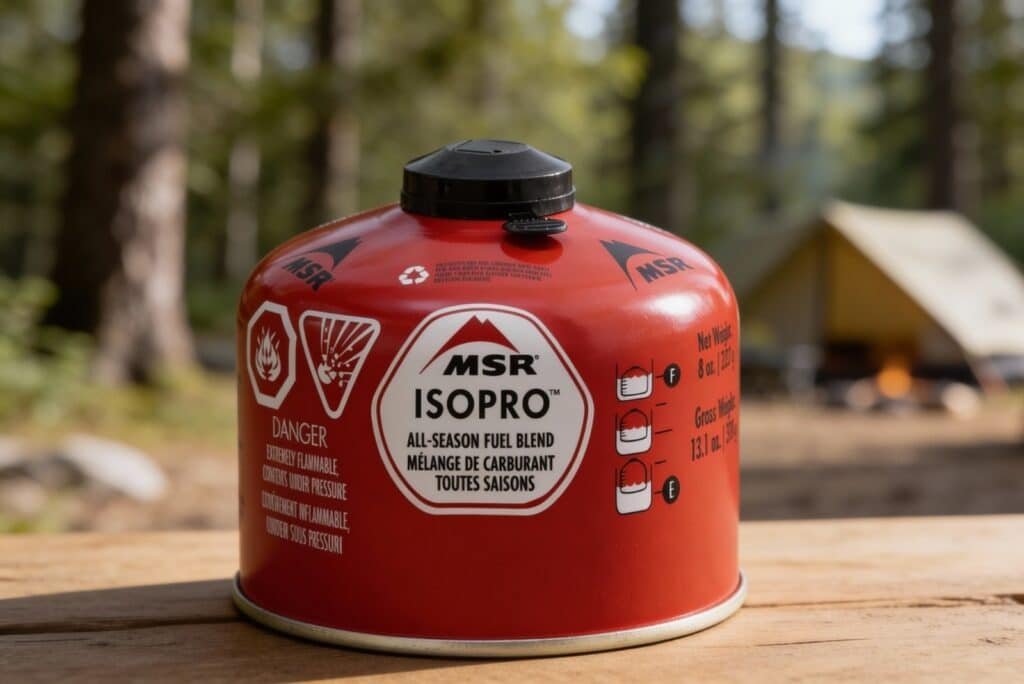
MSR IsoPro delivers premium best camping gas canisters all-weather performance. This professional blend handles varied conditions brilliantly.
For Backpacking and Camping Stoves, MSR IsoPro offers a high-performance, 80/20 blend of isobutane and propane, featuring the purest isobutane (5% or less n-butane) among canister fuels.

All-weather champion benefits:
- 80/20 isobutane propane blend
- Excellent cold performance
- Consistent pressure output
- Float gauge included
- Cost: Premium 11 to15 per canister
- Clean burning mixture
- Multiple sizes available
- Professional grade
Considerations: Premium pricing. Specialist retailers. Professional focus.
Best for: All-weather camping, cold conditions, reliable performance, serious hiking, four-season use
Related: Check our Outdoor cooking guide for cooking equipment.
2. Jetboil JetPower Fuel: The Four-Season Specialist
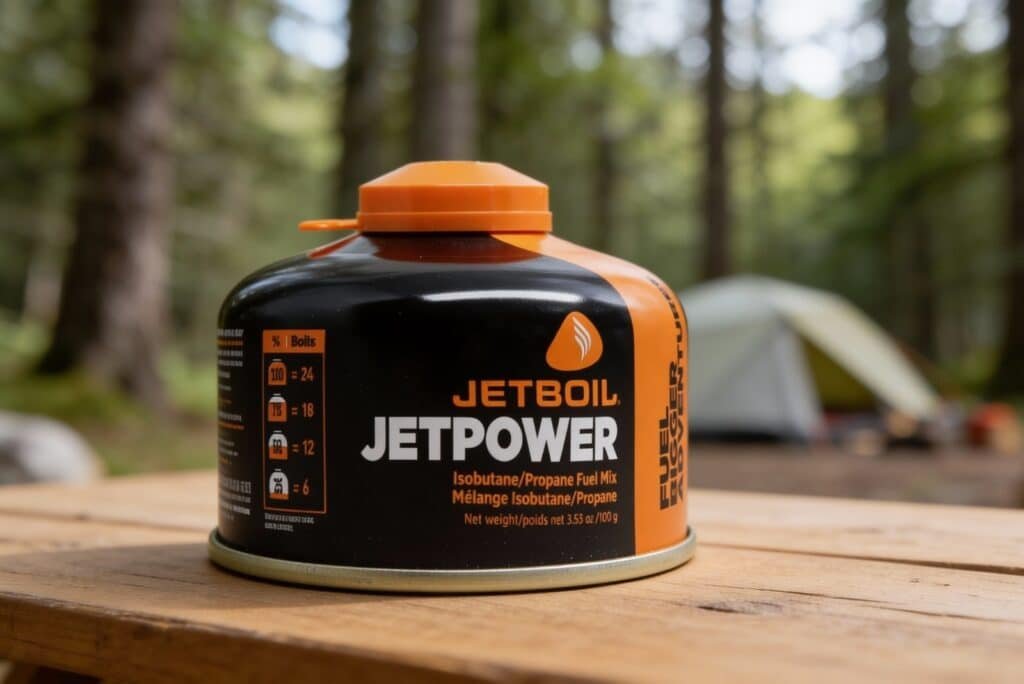
Jetboil JetPower brings four-season gas canisters for hiking capability. This high-performance blend handles extreme conditions perfectly.
etboil's high-performance propane/isobutane 4-season fuel delivers high vapor pressure, improving your system's performance in cold weather.
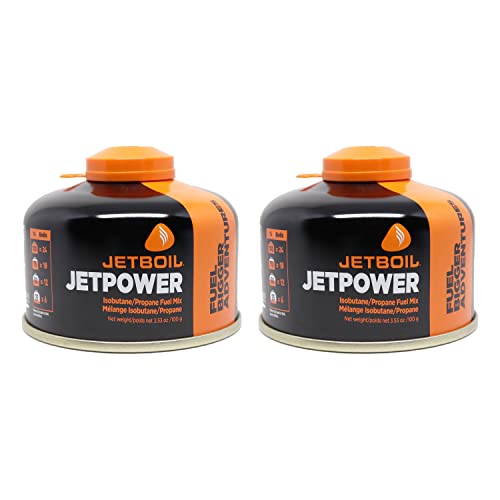
Four-season specialist benefits:
- Propane isobutane mix
- High vapor pressure
- Four-season capable
- EN 417 standard thread
- Cost Premium 7.50-11 per canister
- Mountain proven
- Compact design
- System optimized
Considerations: Jetboil optimized. Premium pricing. Specialist blend.
Best for: Four-season camping, mountain adventures, cold weather, Jetboil systems, serious expeditions 🏔️
3. Coleman Butane/Propane Fuel 7.75 oz: Best for Weekend Backpacking
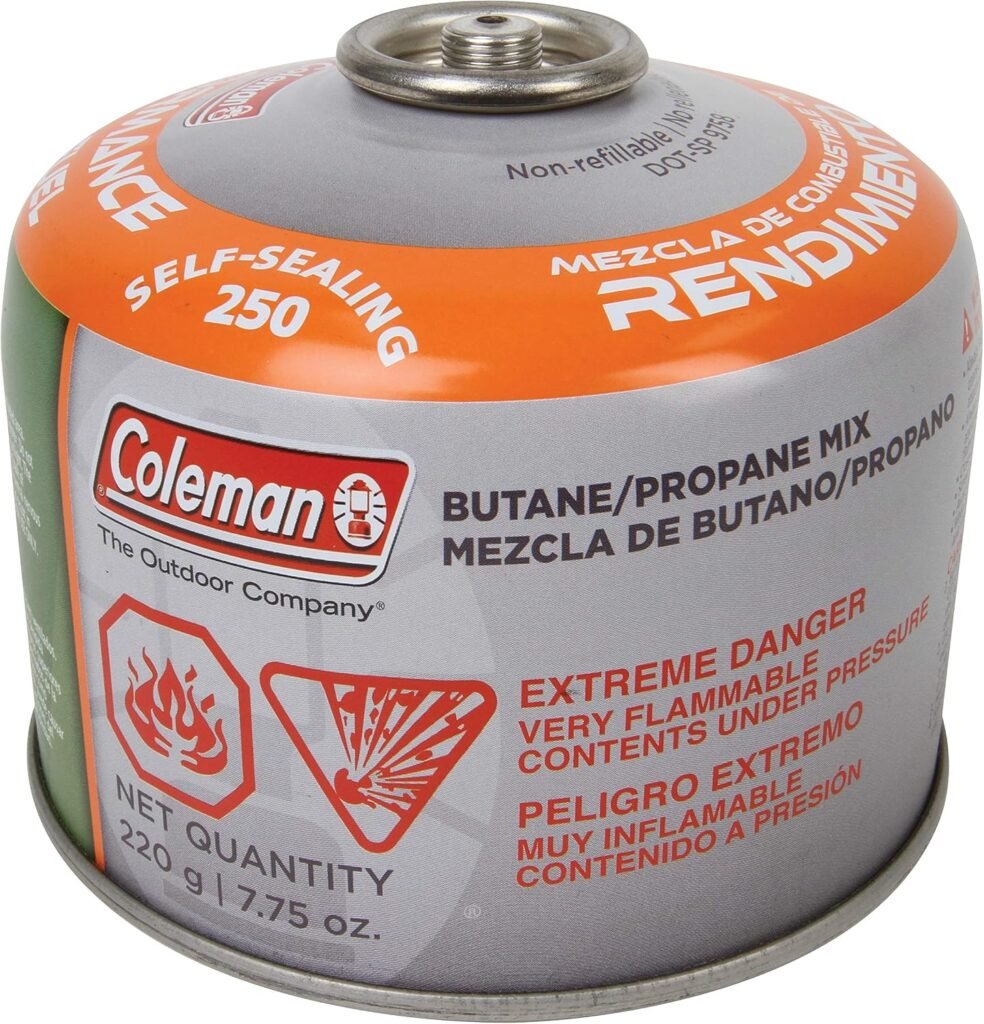
Coleman Butane/Propane Fuel is a practical choice for campers who want a compact gas canister for backpacking, hiking, and weekend camping trips.
Butane/Propane mix canister. Convenience and light weight. Butane Stove Fuel 8 oz: Includes a collar notch on top of the canister that provides easy alignment in appliances.

Unlike Coleman’s straight butane cartridges, this 7.75 oz canister contains a butane and propane fuel blend. The mixture offers better cool-weather performance than pure butane, making the canister useful for three-season camping.
The threaded connection is designed for compatible backpacking stoves, including many compact burners used for boiling water and preparing campsite meals.
Key Features
- 7.75 oz (approximately 220g) fuel capacity
- Butane and propane fuel blend
- Threaded connection for compatible camping stoves
- Compact design for backpacking and hiking
- Suitable for general three-season camping
Pros
- More versatile than straight butane in cooler weather
- Convenient size for weekend camping trips
- Compatible with many threaded backpacking stoves
- Established camping equipment brand
- Useful for boiling water and preparing simple meals
Cons
- Performance decreases in very cold temperatures
- Not compatible with cassette-style butane stoves
- Heavier than smaller 100g backpacking canisters
- Fuel mixture may not suit extreme winter camping
Best for: Weekend backpacking, hiking, three-season camping, and compact camping stoves.
Our verdict: Coleman Butane/Propane Fuel 7.75 oz is a sensible option for campers who want a mid-sized gas canister without carrying a larger fuel container. The blended fuel makes this a better choice for cooler camping conditions than Coleman’s standard straight butane cartridges.
4. Primus Power Gas Canister: The Cold Weather Expert
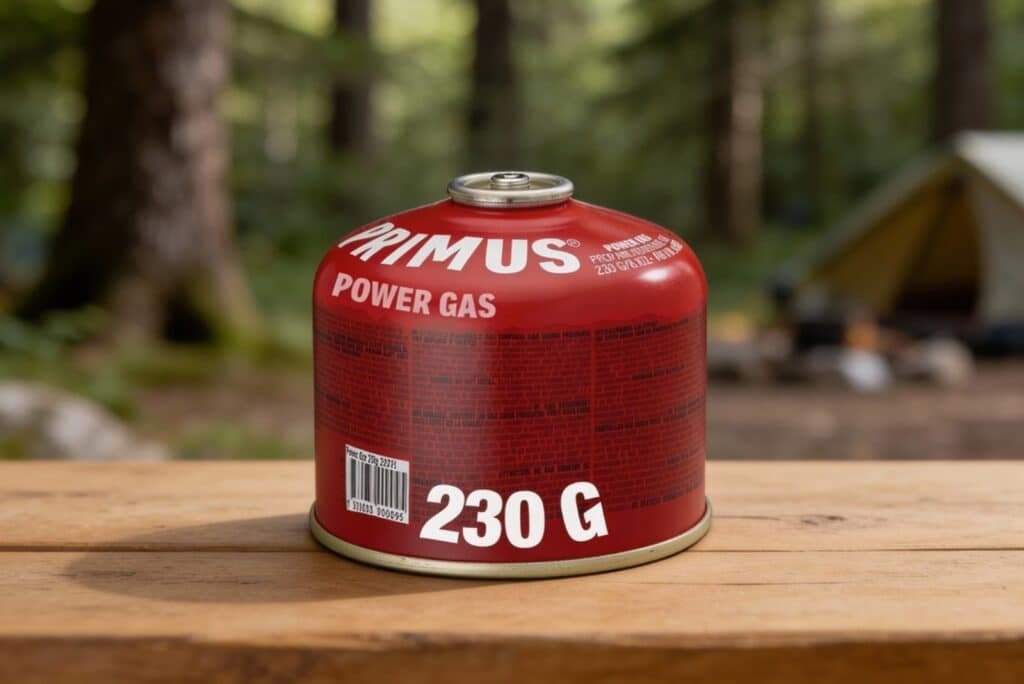
Primus Power Gas brings superior gas canisters for hiking cold capability. This enhanced blend handles freezing conditions perfectly.
Primus Power Gas is available in three sizes – 100 g, 230 g and 450 g – so you can choose the right amount of gas depending on your trip and packing. Versatile gas blend for spring, summer and autumn use

Cold weather expert benefits:
- High propane content
- Enhanced cold performance
- Consistent vapor pressure
- EN 417 fitting
- Premium 8-12 per canister
- Winter capable
- High-altitude tested
- Professional quality
Considerations: Premium pricing. Specialist mixture. Cold focus.
Best for: Winter camping, freezing conditions, high altitude, mountain use, cold mornings
5. Gas One Butane Fuel: Best Budget Option for Car Camping

Gas One Butane Fuel is designed for portable butane stoves used at campsites, picnics, and outdoor cooking areas.
Each can of fuel lasts for approx. 2 to 8 hours of burn time. Incredibly Lightweight. Ideal Fuel Source for Optimum Performance
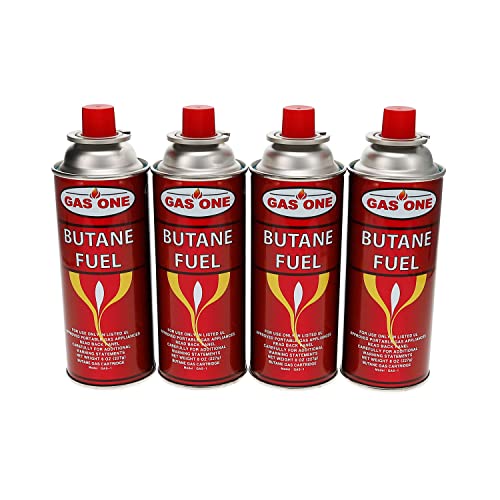
The cartridges are often sold in multipacks, making them convenient for campers who regularly use a compatible single-burner stove.
For summer camping, this type of fuel offers a straightforward cooking setup without requiring specialized backpacking equipment.
Key Features
- Butane fuel cartridges
- Common 8-ounce cartridge format
- Designed for compatible cassette-style stoves
- Multipack options
- Suitable for warm-weather cooking
Pros
- Often economical in multipacks
- Convenient for campsite meals
- Easy to replace
- Suitable for casual outdoor cooking
Cons
- Limited cold-weather performance
- Not suitable for screw-thread backpacking burners
- Bulky for long-distance hiking
Best for: Budget-conscious campers, summer camping, and tabletop stoves.
Our verdict: Gas One Butane Fuel makes sense for regular campsite cooking with a compatible stove. For lightweight backpacking, a smaller threaded isobutane canister is usually more practical.
Understanding the Best Camping Gas Canisters Fuel Compositions
Before choosing best camping gas canisters, grasping fuel science helps:
Isobutane Propane Blends
All-season capability: Works spring to winter. Balanced performance. Versatile choice. Most camping.
Cold advantage: Isobutane performs better than butane in cold. Propane adds pressure. Combined benefits.
Consistent output: Maintains pressure. Reliable cooking. Temperature stable. Professional standard.
Premium option: More expensive. Better performance. Worth investment. Serious camping.
Pure Butane Characteristics
Warm weather winner: Above 4°C excellent. Energy efficient. Lighter canisters. Summer ideal.
Cost effective: Cheaper option. Budget friendly. Good availability. Economy choice.
Cold failure: Below 4°C struggles. Vapor pressure drops. Winter useless. Temperature critical.
Weight advantage: Lighter composition. Backpacking suitable. Summer trips. Warm conditions.
Propane Benefits
Extreme cold: Works to -42°C. Winter reliable. Mountain capable. Freezing conditions.
High pressure: Strong vaporization. Consistent output. Reliable performance. Power advantage.
Heavy canisters: Pressure requires strength. Weight penalty. Portability compromise. Safety essential.
Specialized use: Winter camping. Professional expeditions. Extreme conditions. Ultimate reliability.
Blend Ratios
80/20 isobutane propane: Premium all-season. Excellent cold. MSR standard. Professional choice.
70/30 butane propane: General camping. Three-season capable. Coleman typical. Balanced option.
Pure compositions: Specialized use. Temperature specific. Understand limitations. Plan accordingly.
Mixture matters: Performance impacts. Temperature range. Choose appropriately. Critical factor.
Valve Compatibility
EN 417 standard: Universal fitting. Most modern stoves. Screw thread. Wide compatibility.
CV bayonet: Campingaz specific. Push-twist fitting. Brand dependent. Limited stoves.
Pierceable canisters: Single-use design. Budget option. Disposal needed. Traditional method.
Self-sealing valves: Safety feature. Resealable design. Transport safe. Modern standard.
Temperature Performance
Above 10°C: All fuels work. Butane adequate. Standard performance. Easy conditions.
0-10°C range: Blends better. Butane struggles. Propane helps. Autumn spring.
Below 0°C: High propane essential. Isobutane adequate. Pure butane fails. Winter reality.
Sub-zero extreme: Maximum propane. Professional blends. Specialized canisters. Expedition grade.
Canister Sizes
100-110g capacity: 3-5 meals solo. Weekend trips. Ultralight priority. Weight focused.
230g standard: 8-12 meals. Week camping. Popular size. Balanced choice.
450g large: 15-20 meals. Extended trips. Family camping. Car camping.
Size selection: Trip length. Group size. Cooking frequency. Weight tolerance.
Pressure Consistency
Vapor pressure: Temperature dependent. Fuel composition. Performance indicator. Critical factor.
Pressure drop: Fuel depletes. Performance reduces. Normal reality. Plan accordingly.
Cold exacerbates: Temperature compounds. Pressure reduces. Performance drops. Winter awareness.
Canister warming: Body heat. Inside jacket. Performance improves. Practical technique.
Altitude Considerations
Sea level: Standard performance. All fuels adequate. Normal conditions. Easy cooking.
1000-2000m: Slight impact. Blends better. Butane adequate. Mountain aware.
Above 2000m: High propane essential. Pressure critical. Specialized blends. Professional focus.
Extreme altitude: Maximum propane. Professional canisters. Expedition grade. Serious planning.
Safety Features
Self-sealing valves: Disconnect safe. Leak prevention. Transport secure. Essential feature.
Pressure relief: Over-pressure protection. Temperature safety. Quality construction. Safety critical.
Stable base: Tip prevention. Cooking safety. Design essential. Stability matters.
Proper storage: Cool dry. Away heat. Upright position. Safety awareness.
Environmental Impact
Canister disposal: Empty completely. Recycling programs. Puncture safe. Responsible disposal.
Refillable systems: Waste reduction. Environmental choice. Alternative consideration. Ecological awareness.
Brand programs: Take-back schemes. Recycling support. Environmental commitment. Check availability.
Complete usage: Minimize waste. Efficient cooking. Planning essential. Environmental respect.
Common Mistakes to Avoid
Wrong temperature fuel: Summer gas winter. Cold failure. Plan appropriately. Temperature match.
Valve incompatibility: Wrong fitting. Unusable fuel. Check compatibility. Verify fitting.
Inadequate capacity: Running out. Trip ruined. Calculate properly. Carry spare.
Improper storage: Heat exposure. Safety hazard. Pressure issues. Storage awareness.
Storage Transport
Temperature control: Cool conditions. Away heat. Stable environment. Safety essential.
Upright position: Valve protection. Leak prevention. Correct orientation. Safe storage.
Secure packing: Movement prevention. Damage avoidance. Safe transport. Travel awareness.
Altitude changes: Pressure impacts. Temperature effects. Safety consideration. Planning needed.
Budget Considerations
Entry-level: 5-7 range. Basic butane. Warm weather. Budget option.
Mid-range: 7-9 range. Good blends. Three-season. Best value.
Premium: 9-12 range. Enhanced blends. Cold capable. Quality investment.
Value perspective: Cost per meal. Performance reliability. Temperature capability. Total value.
Making Your Decision
Choose MSR IsoPro if: All-weather champion wanted
Choose Jetboil JetPower if: Four-season specialist needed
Choose Coleman C500 if: Reliable workhorse preferred
Choose Primus Power Gas if: Cold weather expert required
Choose Campingaz CV470 if: European standard wanted
Choose Coleman Xtreme if: Winter performer required
Choose Jetboil 100g if: Compact specialist wanted
Choose Primus Summer if: Budget summer needed
The Bottom Line
After countless camping trips testing various gas compositions, here’s what actually matters: match fuel mixture to expected temperatures carefully.
Understand that butane fails below 4°C completely. Carry spare capacity for safety always. Accept that fuel quality impacts cooking reliability fundamentally.
The best camping gas canisters and gas canisters for hiking options provide essential fuel for outdoor cooking adventures.
Start with proven isobutane propane blends for reliable all-season performance. Plan fuel capacity carefully based on trip length and expected temperatures.
Pick based on actual temperature conditions rather than budget minimization. The right camping gas canister provides reliable cooking fuel consistently, handles expected weather conditions properly, making outdoor meals possible without cold food misery.
CampEquipmentPlus relies on reader support. Purchases made via links on our website may earn us an affiliate commission at no extra cost to you, helping keep the site running.