
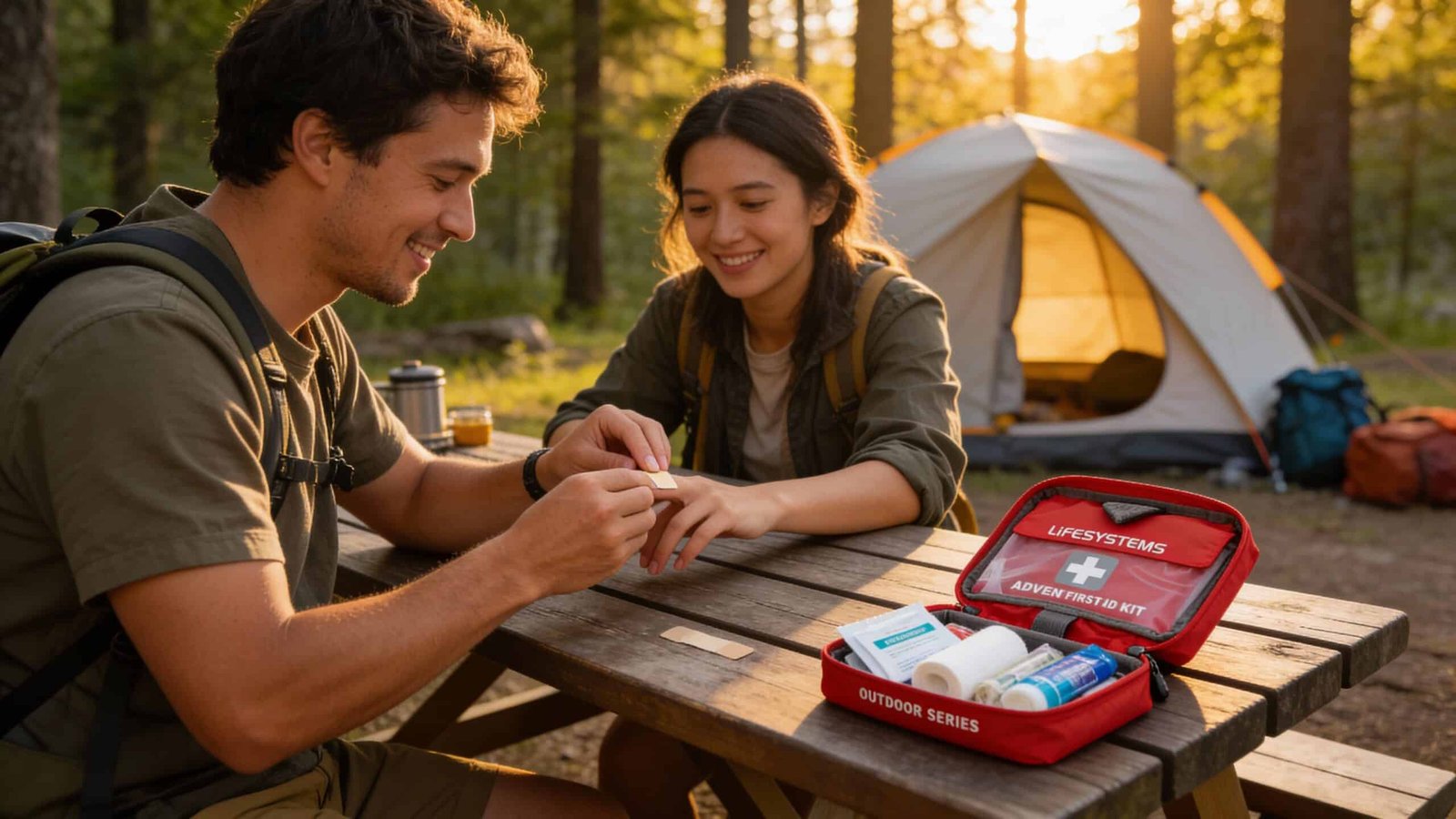
Camping is all fun and fresh air… until someone slices a finger on a tent peg or trips over a guy line at 11pm. Been there. More than once.
I learned the hard way that a decent first aid kit isn’t optional camping gear — it’s essential. Whether you’re wild camping, caravanning, or pitching up with the family, accidents have a funny habit of happening when you’re miles from help.
So let’s talk honestly about the best first aid kits for camping, what you actually need (not the fluff), and which kits are genuinely worth throwing in your pack.
Why Every Camper Needs a Proper First Aid Kit
Ever tried cleaning a cut with a baby wipe because that’s all you had? Yeah… not ideal.
Camping injuries are usually small but annoying:
- Blisters
- Minor burns
- Scrapes and cuts
- Insect bites
- Headaches or stomach upsets
But small problems can turn into trip-ruiners fast if you’re unprepared. The best first aid kits for camping let you deal with issues quickly and get back to enjoying the outdoors — instead of packing up early.
Best First Aid Kits for Camping – Mini Reviews
What Makes a Good Adventure First Aid Kit?
Before looking at specific kits, it helps to know what separates a good one from junk.
Key features that actually matter:
- Clear organisation (you shouldn’t be digging blindly)
- Proper bandages, not just plasters
- Trauma capability for heavier bleeding
- Compact but complete design
- Durable, water-resistant case
And just as important: you should know what’s inside it. A fancy kit is useless if you don’t understand it.
Kit 1: RHINO RESCUE First Aid Kit – The Serious One
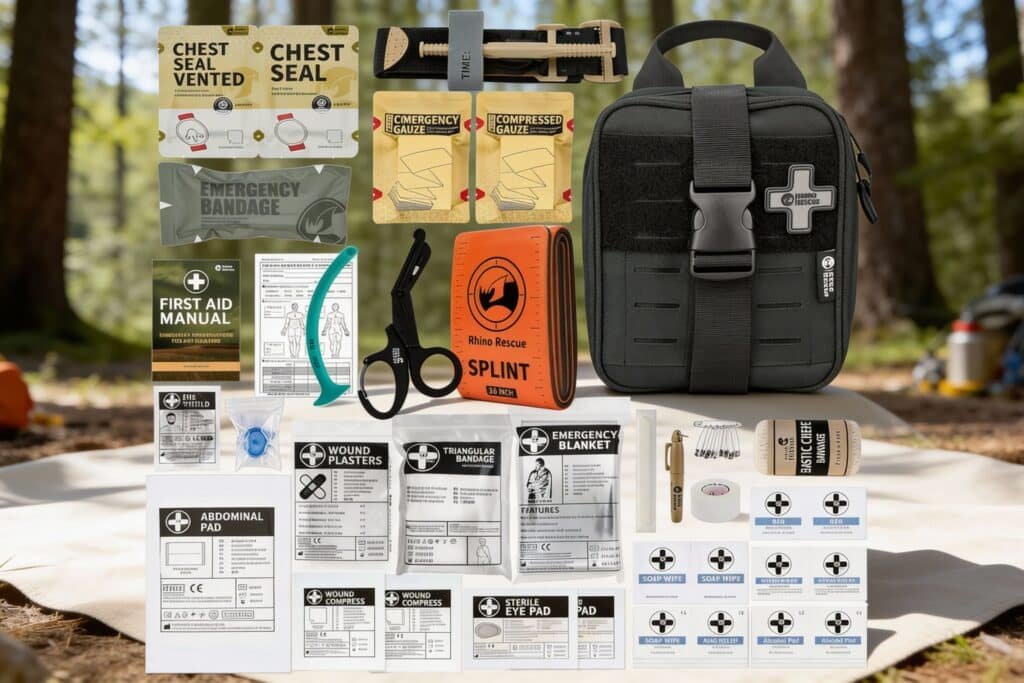
The RHINO RESCUE First Aid Kit is the most “tactical” option on this list—and that’s not a bad thing.
This kit is clearly designed with outdoor emergencies in mind. It includes trauma-style components you don’t often see in consumer kits, making it a strong choice for remote travel, overlanding, or adventure motorcycling.
What stands out:
- Heavy-duty pouch with MOLLE compatibility
- Compression bandages for bleeding control
- Tourniquet-style components
- Clear internal compartments
I’d describe this as a confidence-boosting adventure first aid kit. It’s the one you want when help is far away and mistakes are expensive.
Best for:
- Overlanding and 4×4 trips
- Remote hiking
- Adventure motorcycling
- Anyone who prefers “over-prepared”
Downsides:
- Heavier than minimalist kits
- Includes items you should learn to use properly
Kit 2: General Medi 210 Piece First Aid Kit – Big Coverage, Home-to-Camp
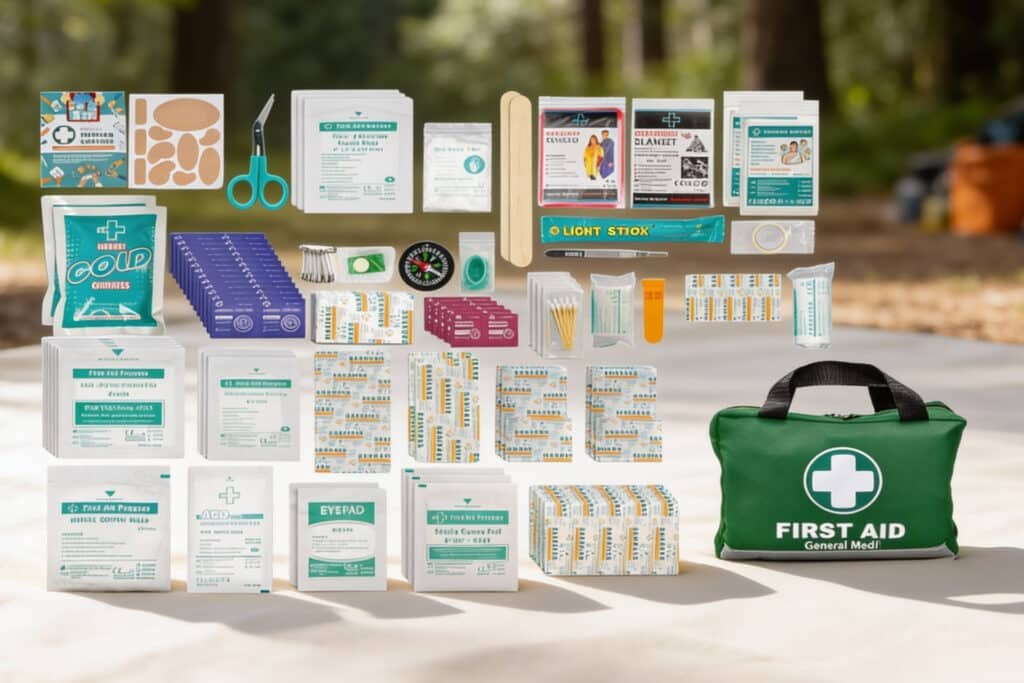
The General Medi 210 Piece First Aid Kit goes in the opposite direction. It’s about volume and variety.
This kit includes a huge number of items, making it great for family camping, car travel, or base camps where weight isn’t critical.
What it does well:
- Massive range of plasters and dressings
- Scissors, gloves, wipes, tape
- Clearly labelled compartments
- Great for multiple people
It’s not the most hardcore adventure first aid kit, but it’s excellent for everyday outdoor mishaps.
Best for:
- Family camping
- Car camping
- Festivals and road trips
- Group adventures
Limitations:
- Less trauma-focused
- Bulky for hiking packs
Kit 3: Kitgo Camping Survival Kit First Aid 108 Piece – Budget-Friendly Combo
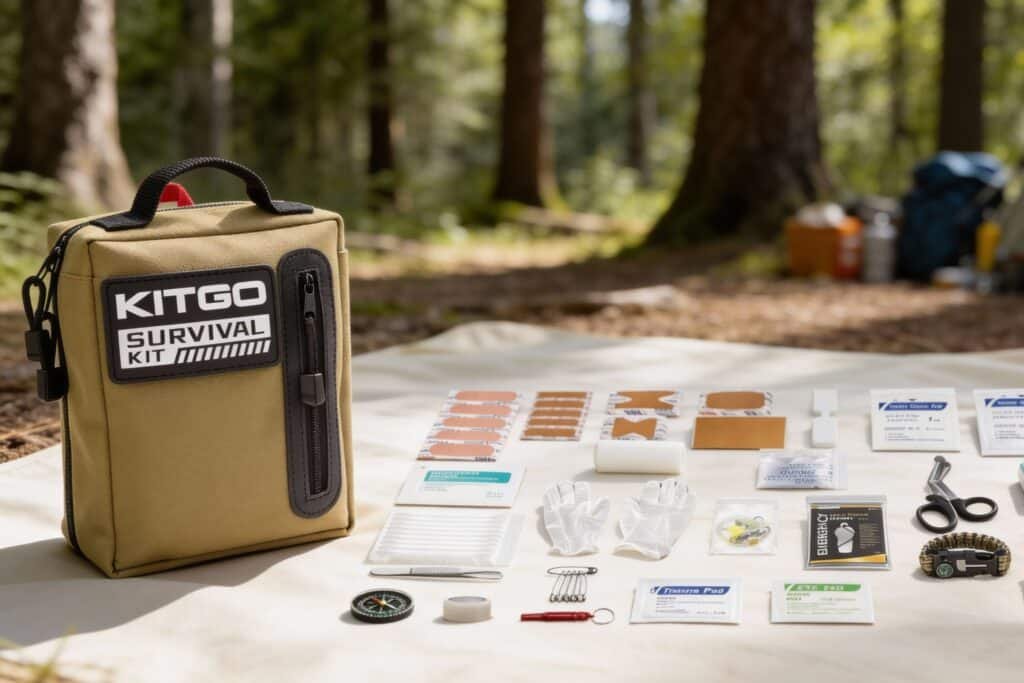
The Kitgo Camping Survival Kit First Aid 108 Piece is popular because it combines first aid with survival-style extras.
This is the kit people often buy when they want “a bit of everything” without spending a fortune.
Highlights:
- Compact pouch
- Decent selection of medical basics
- Includes survival tools (whistle, torch, etc.)
- Good value for money
It’s a solid entry-level adventure first aid kit, especially for casual campers or backup use.
Best for:
- Weekend camping
- Beginners
- Emergency car kits
Watch out for:
- Medical supplies aren’t as robust as premium kits
- Survival tools vary in quality
Kit 4: Lifesystems Trek First Aid Kit – Lightweight and Purpose-Built
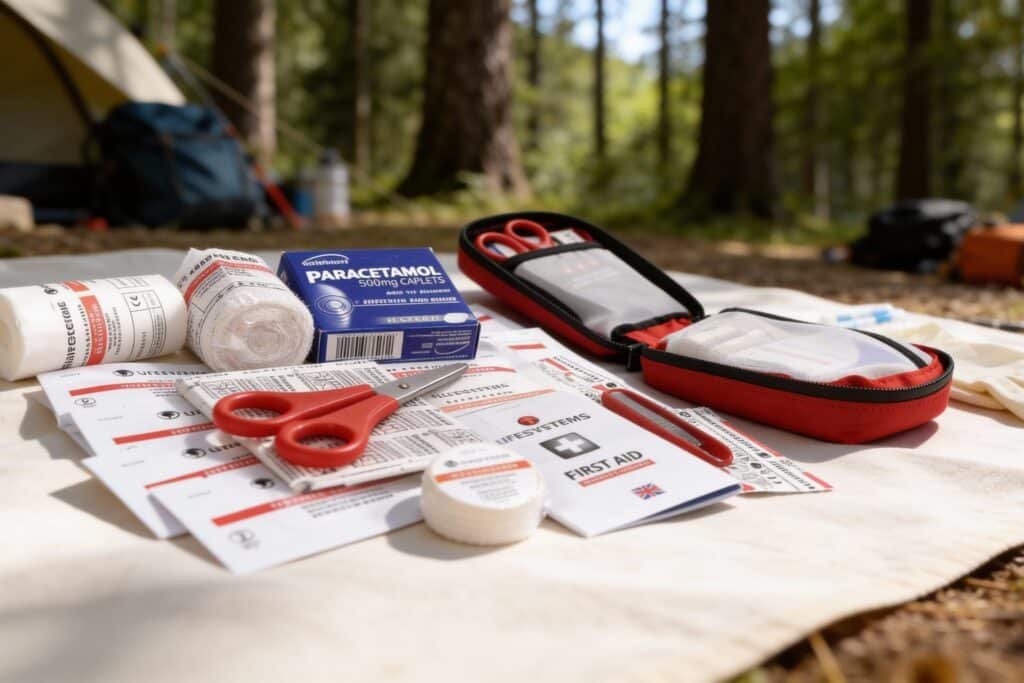
This kit focuses on realistic wilderness injuries while keeping weight low. No fluff, no gimmicks.
If you hike, trek, or backpack, the Lifesystems Trek First Aid Kit deserves serious attention.
Why it works:
- Designed specifically for trekking
- Lightweight and compact
- Includes blister care (huge win)
- Sensible wound management items
This is the adventure first aid kit I personally carry on long hikes. It’s saved my feet more times than I care to admit.
Best for:
- Hiking and backpacking
- Solo trips
- Lightweight adventures
Downsides:
- Not ideal for large groups
- Limited trauma capability
Comparing the Kits at a Glance
Quick breakdown:
- RHINO RESCUE – Best for serious, remote adventures
- General Medi 210 – Best for families and car camping
- Kitgo 108 – Best budget all-rounder
- Lifesystems Trek – Best lightweight hiking kit
No single adventure first aid kit is “perfect” for everyone. The best one matches how and where you travel.
Pros and Cons of Buying a Ready-Made Kit
✅ Pros
- Everything included and organised
- Saves time and guesswork
- Usually better value than buying items separately
- Designed with real scenarios in mind
❌ Cons
- You may not need everything included
- Some kits include low-quality extras
- Still requires learning how to use items
I always recommend starting with a ready-made adventure first aid kit, then customising it over time.
How to Choose the Right Adventure First Aid Kit
Ask yourself these questions honestly:
1. How remote are your trips?
If help is hours away, lean toward trauma-capable kits like RHINO RESCUE.
2. How many people are you responsible for?
Families and groups need larger kits with more consumables.
3. Are you carrying it or driving?
Hikers need lightweight kits. Car campers can afford bulk.
4. Do you know how to use it?
A simpler kit you understand beats a complex one you don’t.
What I Always Add to Any Kit
No matter which adventure first aid kit you choose, I always add:
- Extra blister plasters
- Pain relief (where appropriate)
- Antihistamines
- Personal medications
- A small notebook (injuries + times matter)
Small additions make a big difference.
Training Matters More Than Gear
Here’s the uncomfortable truth. A kit won’t save you if you don’t know how to use it.
Even a basic first aid course dramatically improves your confidence. Knowing how to clean a wound, stop bleeding, or manage a sprain is worth more than another fancy gadget.
Think of your adventure first aid kit as a tool—not a magic shield.
Verdict: What’s the Best Adventure First Aid Kit?
So, which one wins?
The honest answer: the best adventure first aid kit is the one that fits your adventure style and that you actually carry.
- For serious remote travel → RHINO RESCUE First Aid Kit
- For families and base camps → General Medi 210 Piece Kit
- For budget-friendly backup → Kitgo 108 Piece Kit
- For hiking and trekking → Lifesystems Trek First Aid Kit
If I had to recommend one starting point for most people, it would be the Lifesystems Trek for hikers and the RHINO RESCUE for vehicle-based adventures.
Final Thoughts
You’ll probably never need most of what’s inside your adventure first aid kit—and that’s the point. When something goes wrong, you don’t want to be improvising with socks and hope.
I learned that lesson the hard way. You don’t have to 😅
Pack smart, learn the basics, and your adventures stay fun—even when things get a little messy.
CampEquipmentPlus relies on reader support. Purchases made via links on our website may earn us an affiliate commission at no extra cost to you, helping keep the site running.