
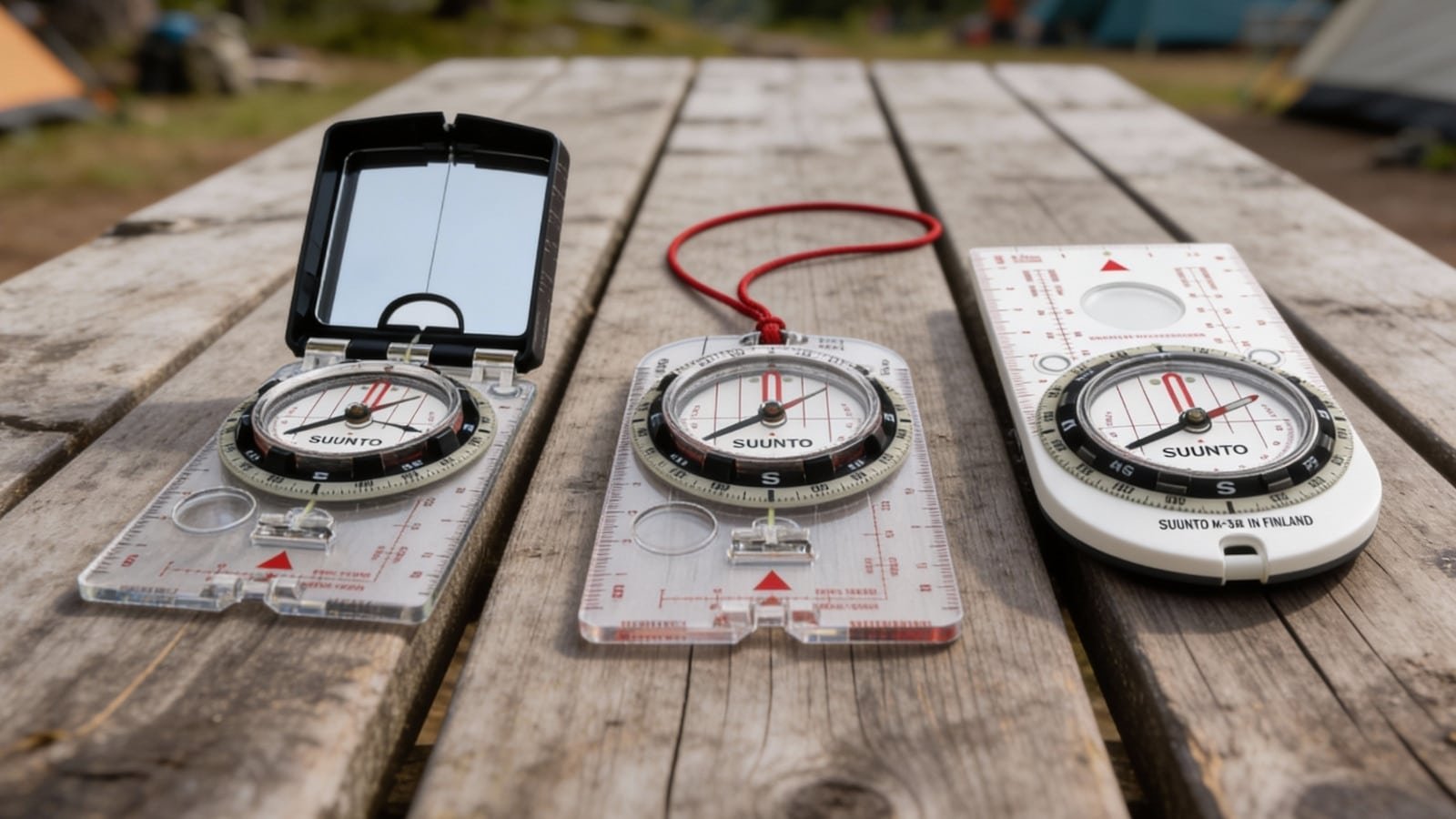
Look, I’ll be straight with you – getting lost in the wilderness is absolutely terrifying. I learned this the hard way during a solo hike in the Lake District when my phone died and I suddenly realized I had zero idea which direction my car was parked.
That heart-stopping moment taught me something crucial: every hiker needs a reliable compass, period. If you’re searching for the best compass for hiking, you’ve come to the right place.
I’ve tested more navigation tools than I care to admit (some brilliant, others absolute rubbish), and I’m here to share what actually works when you’re miles from civilization with nothing but your wits and gear.
Why Your Phone Isn’t Enough (Trust Me on This)
Before we dive into specific models, let’s address the elephant in the room. Yes, your smartphone has a compass app. Yes, GPS is amazing. But batteries die, screens crack, and signal disappears faster than your motivation on a steep incline.
A proper good compass for hiking doesn’t need charging, won’t break when you drop it (and you will drop it), and works perfectly whether you’re in a valley, on a peak, or anywhere between.
The Compasses That Actually Deliver
Silva Expedition 4 – The Professional’s Choice
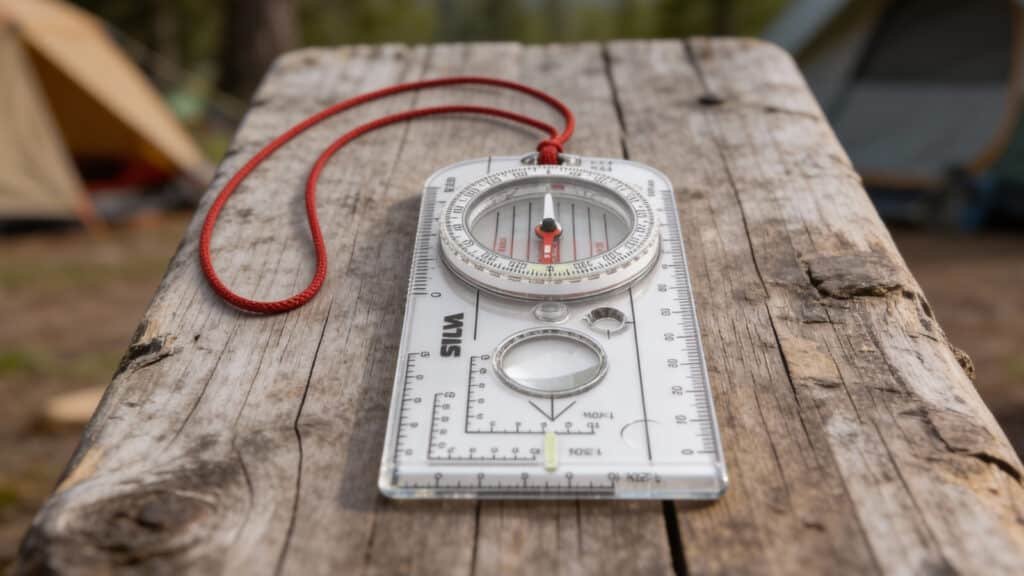
Right, let’s start with the big guns. The Silva Expedition 4 is what I grab when I’m heading into serious terrain. This beast features multiple scales (1:25k, 1:40k, 1:50k) plus both mm and inches measurements, making it incredibly versatile for different maps and conditions.
What Makes It Brilliant:
- Rotatable compass housing for precise bearing adjustments
- Scales for multiple map types – proper handy 😊
- Built like an absolute tank
- Advanced features for technical navigation
- Perfect for rescue professionals and experienced hikers
The declination adjustment is spot-on, and the baseplate is long enough for serious map work without being cumbersome.
I’ve used mine in Scottish Highlands rain, Norwegian snow, and Welsh wind – it’s never let me down. If you’re looking for the best compass for backpacking on challenging multi-day routes, this is your friend.
The Downside? It’s overkill for casual day hikes, and beginners might feel overwhelmed by all the features. Also, it’s pricier than basic models, but you’re paying for professional-grade reliability.
SUUNTO MC-2 Mirror Compass – The All-Rounder
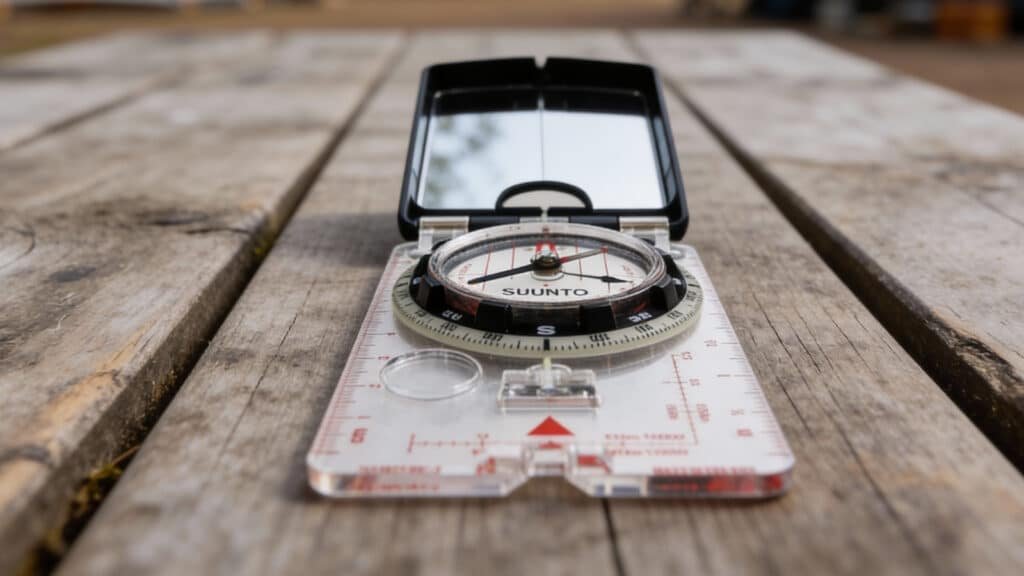
Here’s where things get interesting. The SUUNTO MC-2 strikes that sweet balance between functionality and user-friendliness that makes it one of my go-to recommendations.
The mirror sighting feature is genuinely useful for taking accurate bearings on distant landmarks – something you’ll appreciate when navigating across featureless terrain.
Key Features:
- Mirror for precision sighting
- Magnifying lens for reading detailed maps
- Adjustable declination (essential for accuracy)
- Luminous markings for low-light conditions
- Global/Northern Hemisphere orientation
I remember using this during a dawn start in Snowdonia, and those luminous markings were absolutely clutch when my headtorch battery was fading. The hiking compasses market is flooded with options, but the MC-2 consistently performs when conditions get sketchy.
What Could Be Better? The mirror adds weight and bulk compared to simpler models. If you’re counting every gram for ultralight hiking, you might hesitate. But honestly? The functionality is worth carrying those extra ounces.
SUUNTO M-3 Compass – Quality Meets Simplicity
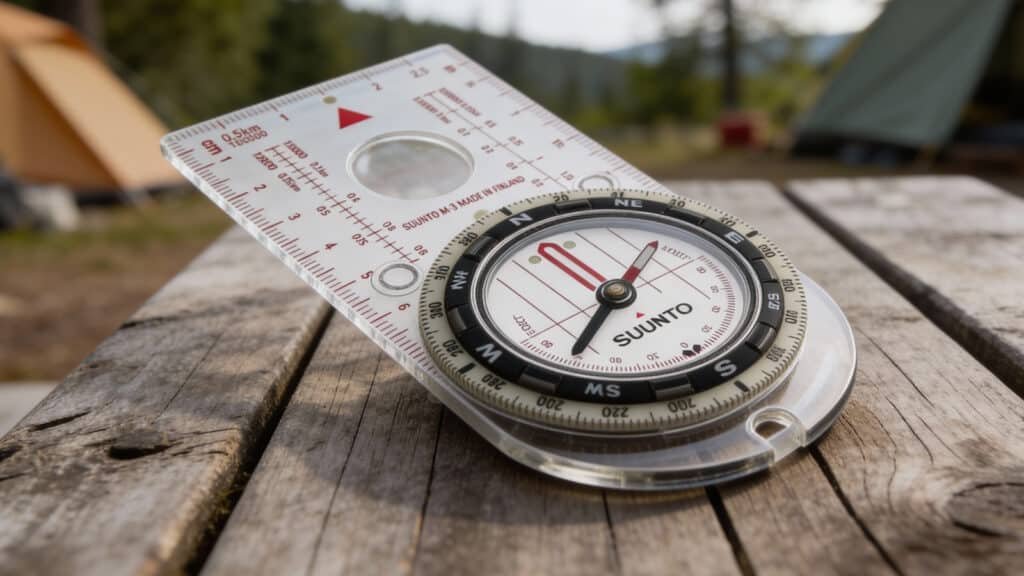
Sometimes you don’t need all the bells and whistles. The M-3 is SUUNTO’s answer to demanding conditions without unnecessary complexity. This is what I’d call a best compass for camping that focuses on doing the basics exceptionally well.
What You’re Getting:
- Exceptional build quality
- Precise needle movement
- Simple, intuitive design
- Reliable performance in harsh conditions
- No-nonsense approach to navigation
I’ve lent this to mates who were new to proper navigation, and they’ve all managed to grasp it quickly. The M-3 proves you don’t need complicated features to navigate effectively – you just need something that works every single time.
The Trade-off? No mirror, no declination adjustment, fewer scales. It’s brilliant for what it does, but advanced users might want more functionality.
Silva Compass Starter 1-2-3 – Perfect for Beginners
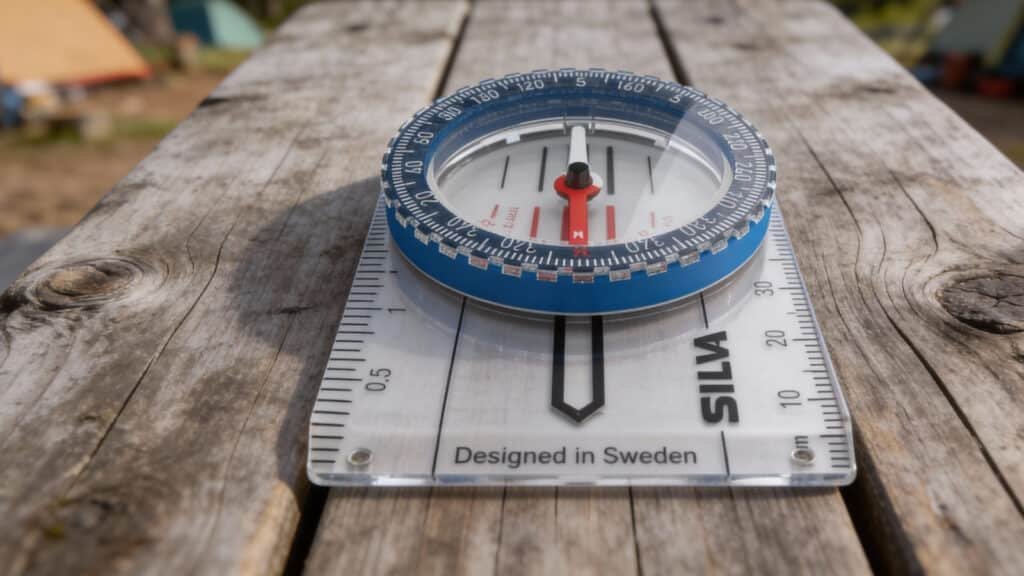
Let’s be real – not everyone needs a professional-grade compass when they’re just starting out. The Silva Starter 1-2-3 is designed specifically for people learning navigation, and it’s actually quite clever.
Beginner-Friendly Features:
- Simplified design reduces confusion
- Clear markings and instructions
- Affordable entry point
- Lightweight and compact
- Durable enough for learning mistakes
This is what I recommend to friends who are just getting into hiking. You’ll learn the fundamentals without being overwhelmed, and if you accidentally leave it in a pub car park (we’ve all done it), you won’t cry over the cost.
Limitations? You’ll outgrow it if you get serious about navigation. Think of it as training wheels – necessary at first, but eventually you’ll want to upgrade.
The Buying Guide: What Actually Matters
Declination Adjustment – Non-Negotiable for Accuracy
Here’s something many beginners don’t realize: magnetic north and true north aren’t the same thing. In the UK, the difference is currently around 3-5 degrees depending on location.
A good compass for hiking must have declination adjustment unless you fancy doing mental arithmetic while exhausted on a mountain. The Silva Expedition 4 and SUUNTO MC-2 handle this beautifully.
Baseplate Length and Scales
Match your compass to your maps. OS Landranger (1:50k) and Explorer (1:25k) maps require different scales for accurate measurements. The Silva Expedition 4’s multiple scales make it incredibly versatile, while simpler models work fine if you stick to one map type.
Mirror or No Mirror?
Mirrors aren’t just for checking if you’ve got lunch in your teeth. A mirror compass lets you sight distant objects while keeping the compass housing level, dramatically improving bearing accuracy. The SUUNTO MC-2 demonstrates this perfectly. However, mirrors add weight and complexity – choose based on your navigation ambitions.
Durability and Weather Resistance
Your compass will get wet, dropped, and stuffed into pockets with sharp objects. All the models I’ve recommended can handle proper abuse, but pay attention to build quality. Cheap compasses develop bubbles in the liquid capsule or crack easily – false economy at its finest.
Luminous Markings
Ever tried reading a compass by headtorch while rain hammers down? Luminous markings transform this nightmare scenario into something manageable. Both SUUNTO models feature excellent low-light readability.
The Verdict: Which Compass Should You Actually Buy?
For serious hikers and mountaineers: The Silva Expedition 4 is your compass. Yes, it’s an investment, but it’s literally the best compass for backpacking demanding terrain. The multiple scales and professional features justify every penny.
For intermediate hikers wanting reliability: The SUUNTO MC-2 hits the sweet spot. It’s got enough features for challenging navigation without overwhelming you, making it genuinely one of the best compasses for hiking in varied conditions.
For demanding simplicity: The SUUNTO M-3 proves that sometimes less is more. If you know your stuff and want bombproof reliability without faff, this delivers.
For beginners: Start with the Silva Starter 1-2-3. Learn properly, then upgrade when you’re ready.
Final Thoughts
Listen, buying the best compass for hiking isn’t about getting the fanciest gadget – it’s about finding the tool that matches your skill level and hiking ambitions.
I’ve navigated with everything from borrowed bargain compasses to professional survey-grade instruments, and honestly? The best compass is the one you understand completely and trust absolutely.
Start with your needs, not what looks impressive.
A Silva Starter will serve you better than an Expedition 4 you don’t understand. But when you’re ready to tackle serious routes, invest in quality. Your safety literally depends on it.
Now get out there, practice your navigation skills, and remember – getting temporarily misplaced is how we all learn. Just make sure you’ve got the right compass to find your way back 🧭
CampEquipmentPlus relies on reader support. Purchases made via links on our website may earn us an affiliate commission at no extra cost to you, helping keep the site running.