
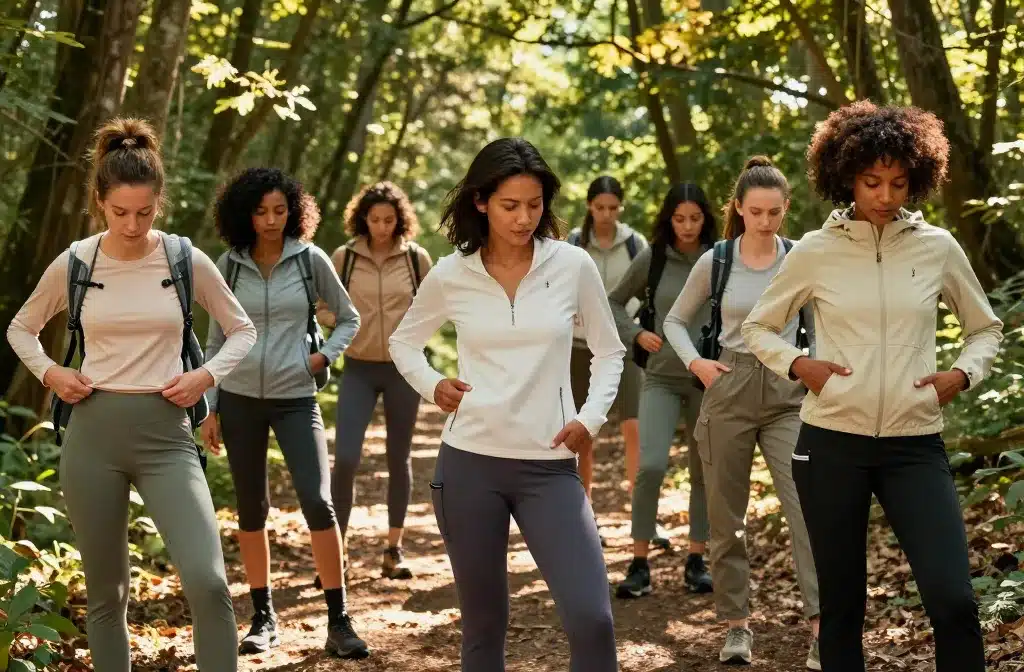
If you’re stepping into the outdoors, you want outfits that survive scrapes, sweat, and spontaneity. These eight picks are friendly for beginners, comfy as heck, and ready for anything a trail throws at you. Let’s make your first hiking closet feel like a win.
1. Lightweight Layers That Move With You
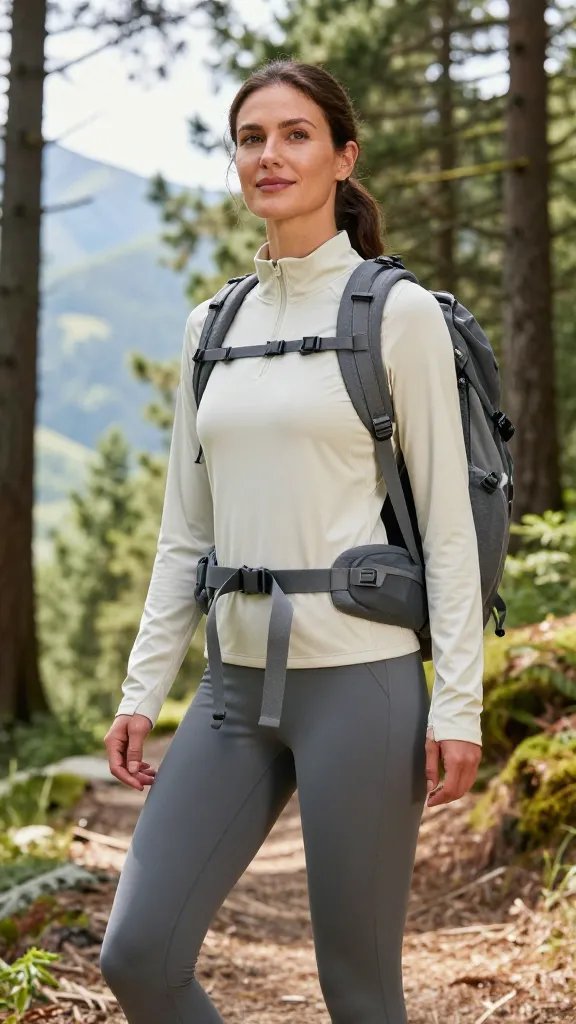
First rule of hiking fashion: layers matter. You want to be able to shed or add without turning into a wind sock.
Key Points
- Breathable base layer that wicks moisture
- Lightweight insulating layer for chill mornings
- Packable shell for wind and light rain
Opt for fabrics that dry quickly and won’t cling. FYI, a compact rain shell tucked in your pack can save a soggy day or a dramatic outfit change.
Benefits: Keeps you comfortable across temperature swings and saves space in your pack.
2. Trail-Ready Leggings with Real Pockets
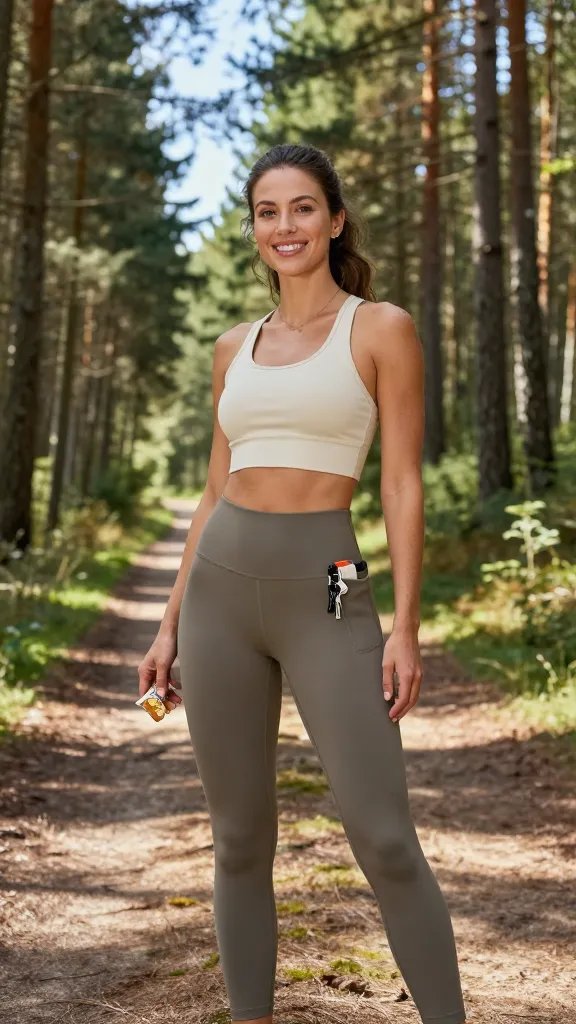
Leggings are the unsung heroes of beginners’ hiking outfits. They flex with every step and look put-together enough for post-hike snacks.
Why They’re Awesome
- Stretchy fabric that moves with you
- Flat seams to reduce chafing
- Hidden pockets for keys and a snack bar
Choose mid-rise or high-rise for extra security and tummy-tuck vibes—never risk your phone slipping during a downhill. Seriously, pockets can be a game-changer.
Best-use: Clear, sunny trails and chillier mornings when you want coverage without bulk.
3. Breathable Hiking Tees with SPF Built-In
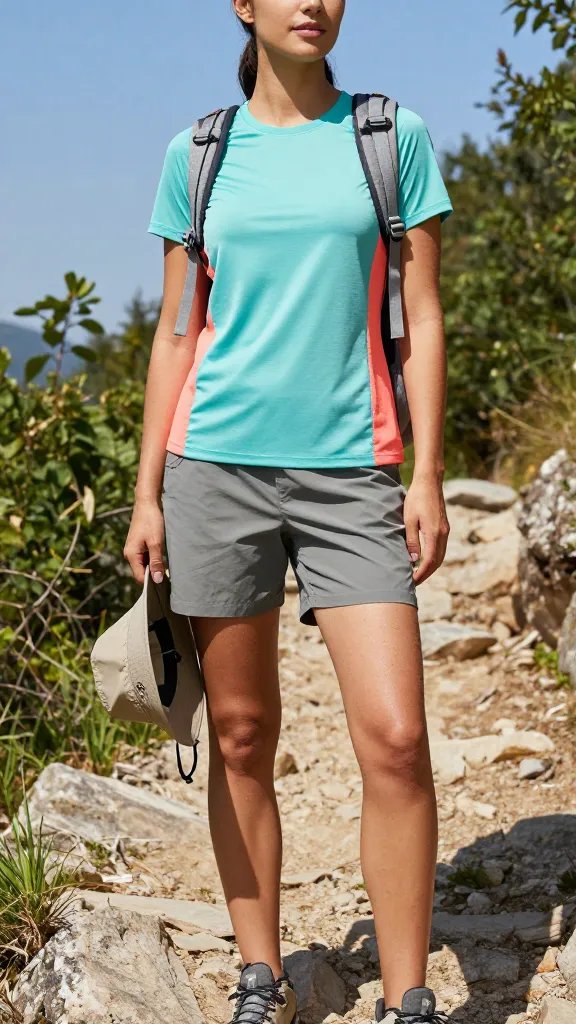
Your top is doing heavy lifting here: it’s the first shield against sun and sweat. A breathable tee with sun protection makes life easy.
Materials to Seek
- Moisture-wicking blends (polyester, nylon)
- UPF protection rating (30+ is nice)
- Flatlock seams to reduce irritation
Pack a couple in different colors so you don’t Halloween your own outfit with sweat marks. Trust me, you’ll thank yourself later.
When to wear: Sunny days, rocky sections, and casual lunch breaks on the trail.
4. Sturdy Trail-Approved Shoes That Don’t Scream “Newbie”
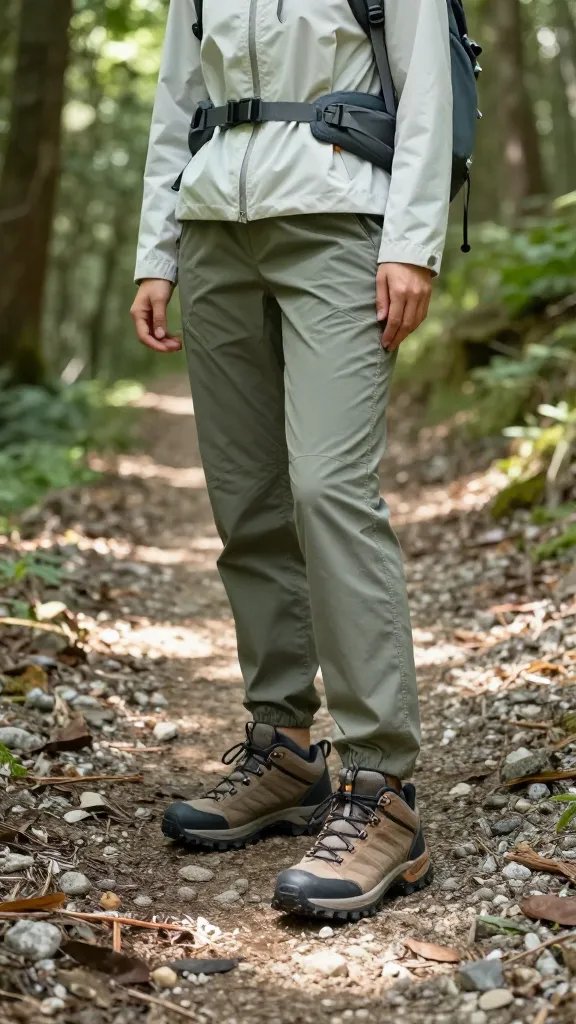
Shoes can make or break a hike. You want grip, support, and something your feet won’t hate after mile four.
What to Look For
- Lightweight waterproof uppers
- Aggressive tread for grip
- Broken-in fit (no blisters allowed)
Try a hiking sneaker if you’re new to trails; they’re forgiving and comfortable. FYI, no fashion compromise here—your feet deserve a victory lap after the first hike.
When to wear: Any moderate trail, especially with loose gravel or damp sections.
5. A Lightweight Pack That Feels Like an Extra Pocket
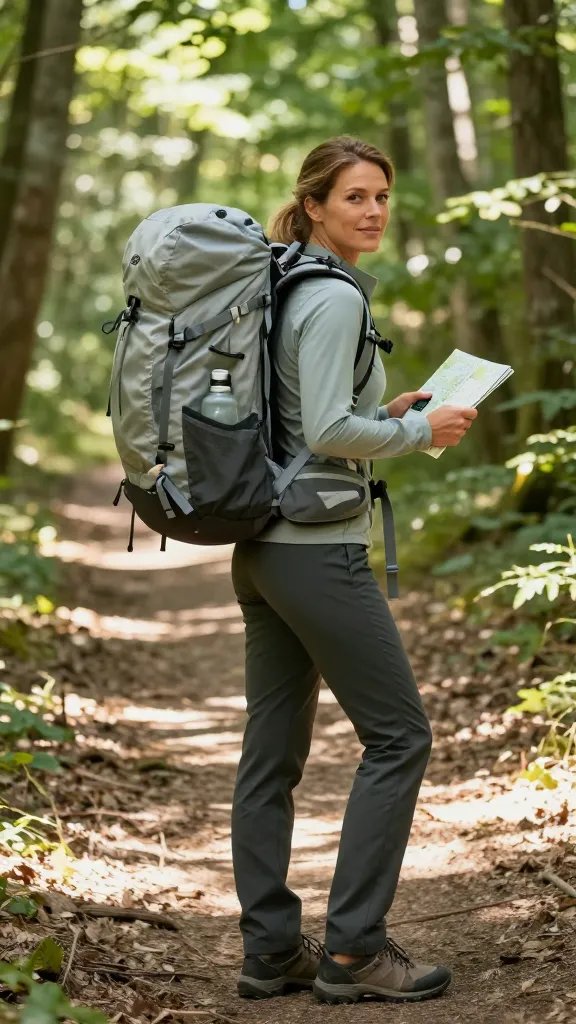
You don’t want to carry a heavy fortress on your back this early. A lightweight daypack keeps essentials close without turning your spine into a question mark.
Pack Essentials
- Water bottle or hydration bladder
- Snack bar, small first-aid kit
- Light layer, rain cover, and a compact map or GPS
Look for breathable back panels and shoulder straps that don’t dig in. A well-fitted pack makes you feel prepared rather than overwhelmed.
Benefits: You’ll move faster, breathe easier, and still have space for a camera or a snack stash.
6. A Ponytail-Friendly Hat and Sunglasses Duo
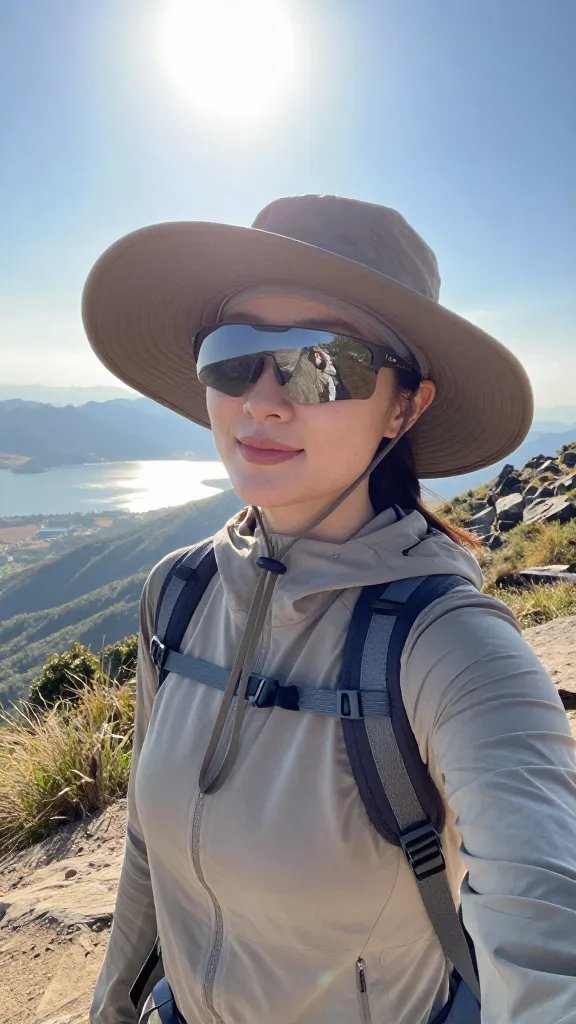
Headwear isn’t just aesthetic—it blocks sun and keeps hair out of your face when you’re grinding uphill.
Tips
- Wide-brim hat for sun protection
- UV-blocking sunglasses with a secure fit
- Moisture-wicking headband if you’re predisposed to sweat
These little accessories can dramatically improve comfort, especially on bright reflector days. IMO, it’s the small things that save your eyes and mood.
Usage: Peak sun hours, reflective days by water, or long scenic overlooks where you’ll be squinting a lot.
7. A Lightweight Rain Gear Set that Stays Hidden Yet Ready
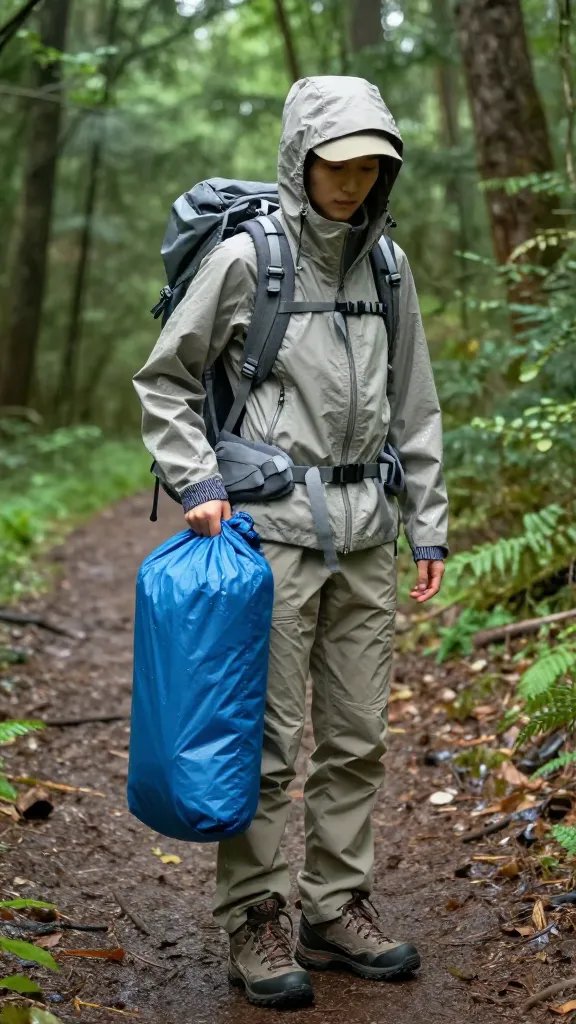
You don’t want to be soaked halfway through your adventure because you ignored the forecast. A compact rain jacket plus pants makes everything easier.
Why It Works
- Waterproof layer that’s still breathable
- Stow-and-go pants that fit over hiking boots
- Compression sack to save space
Keep it accessible in your pack or attached to the outside so you can deploy it in a flash. Seriously, drying off in a dry layer is a mood lifter after a shower-like moment on the trail.
When to use: Sudden showers, misty mornings, or alpine routes where weather shifts fast.
8. A Cozy, Layered Finish: The Essential Zip-Up Hoodie
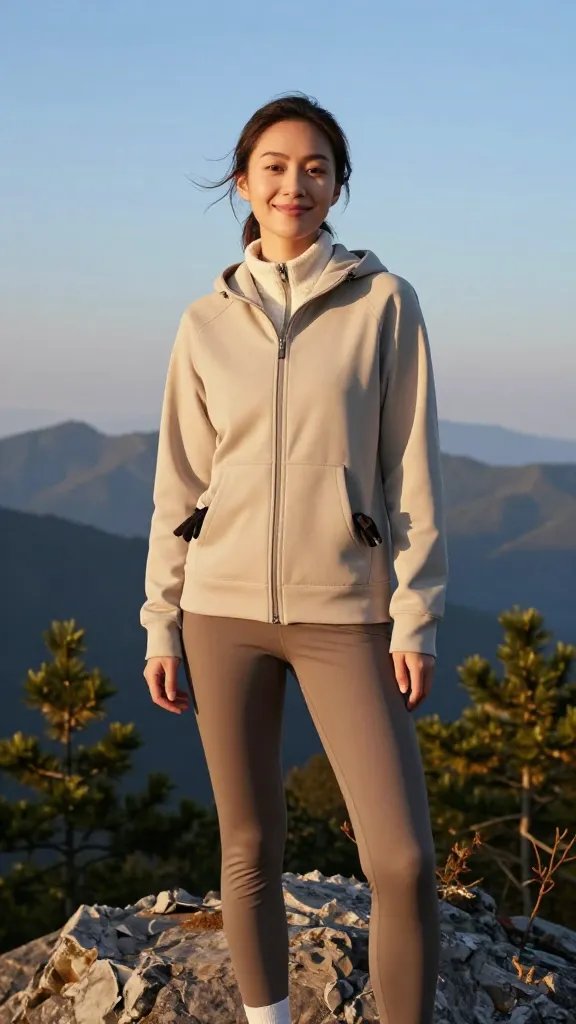
End with a hoodie that’s soft, warm, and easy to throw on when you reach the summit or after you cool down.
What to Look For
- Fleece interior for warmth
- Front pockets for gloves or snacks
- Wind-resistant front panel for breezy evenings
Pair it with leggings or the right jogger-style pants for a simple, chic look that still works on uneven ground. It’s the silence you want after a long day: warmth without the bulk.
Benefits: Keeps you warm during breaks, doubles as a cozy post-hike layer, and looks put-together for photos with friends.
So there you have it—eight beginner-friendly hiking outfits that balance comfort, practicality, and a touch of flair. Each piece is chosen to help you feel confident on trails, from a gentle forest loop to a more rugged ridge hike. FYI, you don’t need to break the bank to build a capable kit; mix and match what you already own and add the essentials as you go.
Ready to hit the trail? Grab one or two pieces this weekend and see how it changes your experience. You’ve got this, and your future self will thank you for starting now.
CampEquipmentPlus relies on reader support. Purchases made via links on our website may earn us an affiliate commission at no extra cost to you, helping keep the site running.