
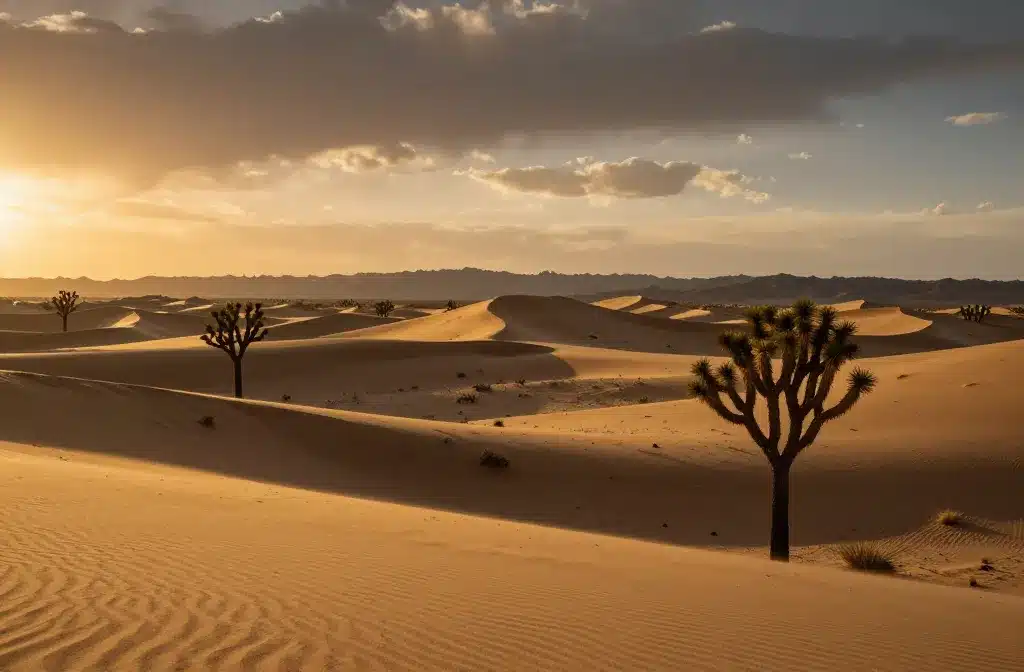
This is the kind travel itch you can’t scratch with a selfie and a coffee. Ten National Park aesthetic locations that look like they were painted by a moody director with a soft-spot for dramatic skies. You’ll want to bookmark this, pack a little extra battery, and pretend you have all week to wander. Let’s chase that glow.
1. Mojave Desert’s Golden Hour Oasis
The desert isn’t barren; it’s a stage for light, texture, and color that changes every five minutes. Mojave’s sand dunes, basalt ridges, and Joshua trees fuse into an otherworldly backdrop that photographs like a dream. Want the look? Arrive at dawn when the sun crawls over the horizon and paints everything in honey. FYI, the air is crisper than your favorite hoodie.
Why it feels cinematic
– The wind-sculpted dunes create natural leading lines for your composition.
– The Joshua trees add a quirky silhouette that’s instantly recognizable.
– The color palette shifts from gray-blue to blazing gold as the sun climbs.
Tips for capturing it
– Bring a wide-angle lens and a zoom for distant ridges.
– Shoot in RAW to wring out the warm tones.
– Patience is a virtue—the light changes fast, and you want the peak moment.
2. Yosemite Valley at Shielding Peaks
If nature had a blockbuster poster, Yosemite would be it. The granite cliffs, emerald meadows, and waterfalls create a natural geometry that feels totally art-directed. You don’t need a fancy filter—the scenery does the heavy lifting.
Where to stand for the best frame
– Tunnel View for a classic panorama with El Capitan peeking over the valley.
– Glacier Point for sunset silhouettes with Half Dome in the foreground.
– Lower Yosemite Falls for a dynamic, misty shot up close.
Technical thoughts
– A mid-range zoom helps you compress the valley drama without losing the big sky.
– Use a polarizer to cut through glare on water surfaces.
– A sturdy tripod means crisp waterfall shots in low light.
3. Great Smoky Mountains: Fog-Charged Mornings
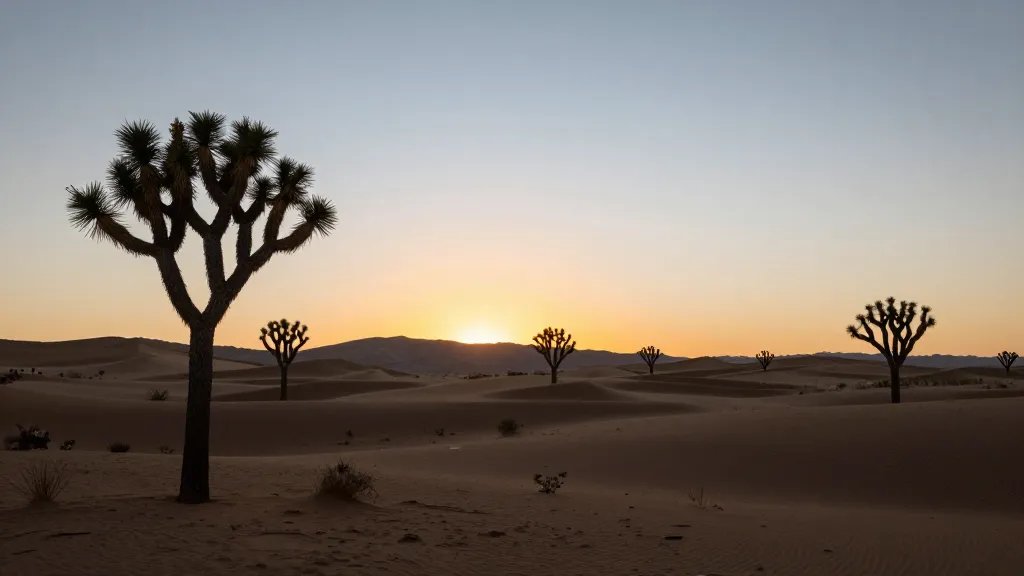
If you love moody vibes and mossy textures, the Smokies are your kind of place. The ridges vanish into blankets of fog like a mystery novel you can actually walk through. The aesthetic here is soft, tactile, and deeply Instagram-friendly after a gray-bloom dawn.
Where the magic happens
– Clingmans Dome for a panoramic sea of clouds that looks almost alien.
– Cades Cove for rustic farm lanes and rolling pastures with a bite of fog.
– Laurel Creek for intimate forest scenes with dappled light.
Pro tips
– Arrive before sunrise to catch the first sigh of fog lifting.
– A longer exposure on water can create a dreamlike flow.
– A light rain adds drama—but bring a weather-sealed camera if you’re brave.
4. Zion Canyon: Red Rock Drama
Zion delivers the kind of saturated cliffs and sculpted stone that makes you feel like you’ve stepped into a painting. The interplay of red rock, blue sky, and river-carved textures is nothing short of addictive.
Best vantage points
– Canyon Overlook for a sweeping view that includes the Virgin River.
– The Narrows for a vertical striation of canyon walls (if you’re up for it).
– Angels Landing if you want a dramatic, heartbeat-raising shot with sheer drop drama in the background.
Gear and technique
– A wide lens to capture the grand scale, plus a telephoto for cliff details.
– Polarizer helps tame glare off the sandstone.
– Stay hydrated and mindful of the park’s rules—your photo dreams aren’t worth a hospital stay.
5. Glacier National Park’s Ice, Light, and Lakes
Glacier is a glacier of color and calm where lakes mirror sky like a reflective gossip columnist. The glaciers themselves are a reminder that nature can be both brutal and serene at once. The aesthetic here leans toward cool blues, pine greens, and a pristine sense of quiet.
Where to shoot
– Going-to-the-Sun Road viewpoints for sweeping alpine panoramas.
– Lake McDonald for glassy water reflections at golden hour.
– Many Glacier for granite spires poking through a pale blue curtain.
Cold-weather considerations
– Bring a lens hood and extra gloves for changing lenses in the cold.
– AND a sturdy tripod helps you nail long exposures even when it’s chilly.
– Watch for wind; water is pretty dramatic when it’s not cooperating with your shutter.
6. Acadia National Park: Sea-Salt Sundown Serenades
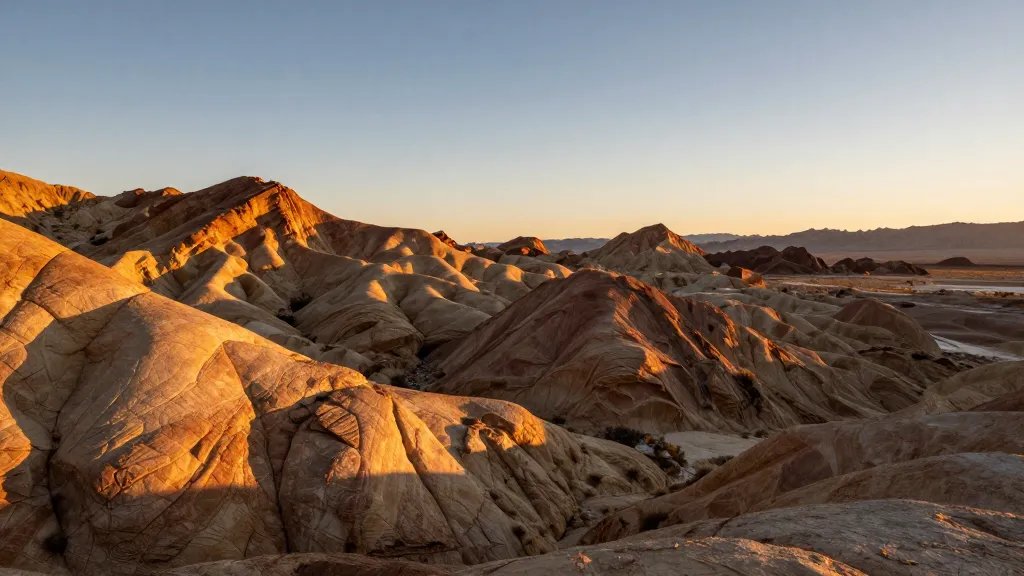
Acadia isn’t just rocky shorelines; it’s an ocean sculpture garden under a sky that’s often dramatic and moody. The coastline, lighthouses, and granite outcrops give you a fresh, brisk aesthetic that’s perfect for dramatic sunsets.
Top spots
– Thunder Hole for a roaring sea drama (weather permitting).
– Bass Harbor Head Light for a classic lighthouse frame with dark sea and pinkish rocks.
– Cadillac Mountain at sunrise for a red-flushed horizon.
Practicalities
– Bring a waterproof bag for your gear—salt spray is real.
– A telephoto helps isolate lighthouse details against the wide harbor.
– Don’t forget a windscreen for your camera and batteries that hate cold.
7. Kenai Fjords National Park: Ice Blues and Ocean Hues
If you want a color palette that feels almost surreal, think ice blue, teal water, and dark, stormy skies. Kenai Fjords is less about towering peaks and more about the ocean as a living sculpture and the glaciers that carve it.
Where to focus your lens
– Holgate Arm for floating ice against deep blue water.
– Exit Glacier for the close-up of blue ice textures.
– A boat tour shot for a moving perspective of ice and water.
Skillz for the sea
– A longer lens helps you frame icebergs as artful specks in a wide seascape.
– Stabilize with a monopod on a rocking boat if you’re not into seasickness.
– Bring a dry bag for gear during spray seasons.
8. Grand Teton’s Alpine Precision
Grand Teton feels like a postcard that somehow keeps updating with better colors. The jagged peaks, meadows, and reflective lakes make you feel like you’ve stepped into a nature documentary that’s still alive.
Where to shoot
– Oxbow Bend for mirror-like reflections of the mountains at dawn.
– Jenny Lake with its dramatic lake-to-summit view and a splash of boat life.
– Death Canyon for a more rugged, athletic perspective.
Best times to shoot
– Dusk and dawn provide soft light that loves the water.
– Midday can still be dramatic if you’re chasing clouds racing the peaks.
– Bring a tripod for long exposures when the light dips.
9. Arches National Park: Canyon Echoes and Stone Faces
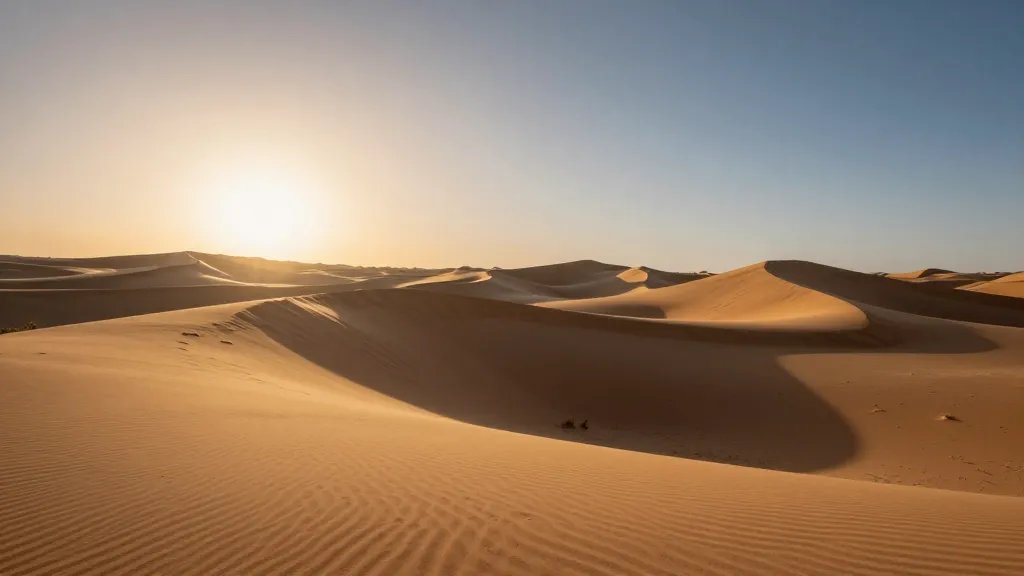
Arches is the playground for arches, fins, and a sunlight-on-sandstone glow that makes every shot a bold statement. The textures are so crisp they could be used as a wallpaper for your wanderlust.
Iconic scenes
– Delicate Arch at night or sunset for a silhouette that looks unreal.
– Double Arch and Balanced Rock for a sense of scale and whimsy.
– Fiery sunrises lighting up the fins along the Windows Section.
Light-loving photographer’s checklist
– A sturdy tripod and a wide-angle lens are your best friends.
– Shoot during golden hours to maximize the color punch.
– Pack water and sun protection—these parks do not mess around with sun exposure.
10. Lake Districts of Olympic National Park: Emerald Changeovers
Okay, not a literal lake district, but Olympic’s lakes, rainforests, and coastlines create a moody, lush aesthetic that feels like stepping into a watercolor. It’s a haven for moss, ferns, and glassy water that doubles as a natural mirror.
Where to go
– Sol Duc Falls for a classic waterfall frame with mossy logs.
– Crescent Lake for still water and mountain reflections.
– Hoh Rain Forest for emerald hues and a quiet, dreamlike vibe.
Technique tips
– Shoot early mornings to catch fog and mist threading through trees.
– A mid-telephoto helps isolate forest textures without losing the sense of scale.
– Keep your tripod stable on damp forest floors for sharp shots.
FAQ
What gear should I bring for park photography?
Paragraph: Start with a versatile kit: a DSLR or mirrorless body, a wide-angle lens for landscapes, a mid-telephoto for details, and a zoom for distant peaks. Pack a sturdy tripod, polarizing filter, extra batteries, and memory cards. Bring a rain cover or dry bag for sudden weather—these places love to surprise you.
When is the best time to visit for the most dramatic aesthetics?
Paragraph: Golden hours—sunrise and sunset—rule the aesthetic game. Fog in the mornings can transform valleys into dreamscapes, while clear skies show off jagged peaks in bold relief. FYI, plan around weather forecasts and crowds; some spots are busy at sunrise, others at sunset.
How can I avoid crowds and still get great shots?
Paragraph: Start at the less popular viewpoints or visit on weekdays. Scout locations ahead of time, and shoot during shoulders of light when crowds thin. A little patience goes a long way; a quiet moment often yields the best composition.
Any safety or conservation tips I should know?
Paragraph: Stay on designated trails, respect wildlife, and carry out all trash. Water, sun, and altitude can zap you fast, so hydrate, apply sunscreen, and wear sturdy footwear. If you’re chasing icy or slick areas, move slowly and use both hands on the rail or rock when available.
Conclusion
Travelers chase light, and these ten park aesthetics deliver it in spades. From the red cliffs of Zion to the mossy hush of Olympic, you’ll find frames that feel bigger than your screen and more alive than your feed. So pick a few, map a loose route, and go catch that magic—FYI, your future self will thank you for the momentum. Happy wandering, friend.
CampEquipmentPlus relies on reader support. Purchases made via links on our website may earn us an affiliate commission at no extra cost to you, helping keep the site running.