
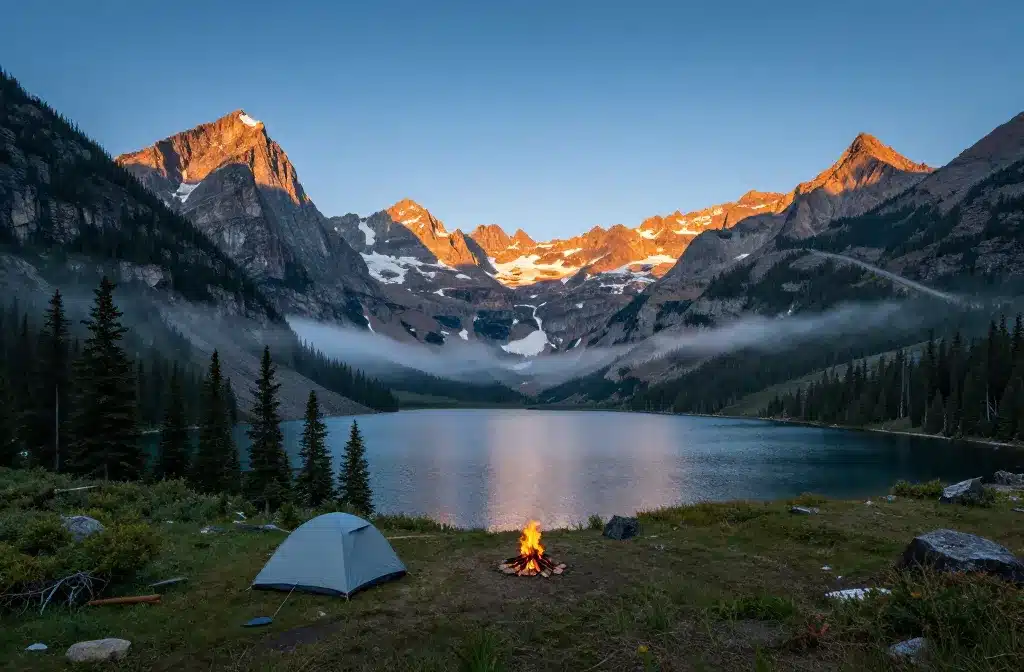
The open road is calling, and the answer sounds like crunching gravel, pine-scented air, and a perfect campfire twist of marshmallow smoke. You don’t need a fancy itinerary to chase stunning scenery—just a plan, a bag, and a sense of adventure. Here are 9 beautiful landscape camping destinations across national parks that will spark your wanderlust and make your friends jealous of your sunset photos.
1) Glacier National Park, Montana: Lakes, Ledges, and Llamas—Okay, Maybe Just You
Glacier National Park serves up dramatic combs of mountains and glassy alpine lakes that look photoshopped but aren’t. Camp near Logan Pass or at Many Glacier for jaw-dropping sunrise silhouettes.
– What to expect: rugged granite, wildflowers, and trails that feel like you’re walking through a postcard.
– Pro tip: wake up early to beat the crowds and catch the morning light on the Going-to-the-Sun Road.
Backcountry vs. Car Camping
– If you crave solitude, try backcountry camping with a permit. You’ll share the valley with marmots more than people.
– If you’d rather keep things simple, many car-accessible campgrounds let you stroll to your site with minimal gear.
2) Zion National Park, Utah: Canyon Echoes and Red Rock Rooms
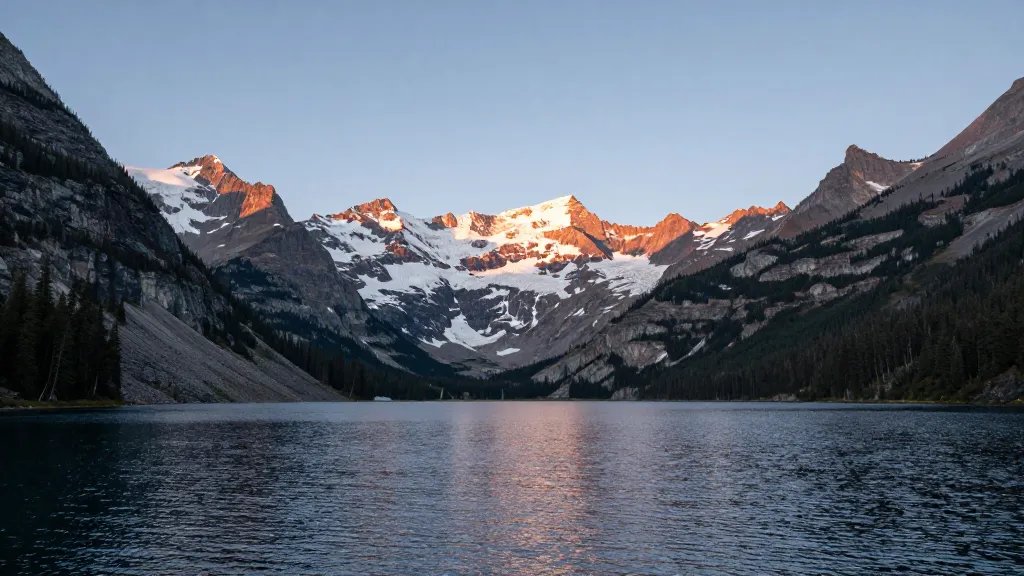
Zion serves up canyon walls like red velvet curtains and skies that seem to stretch forever. The campgrounds here make it possible to swap hours of driving for hours of exploring.
– Why it shines: dramatic cliffs, the Virgin River, and pockets of lush greenery that pop after rain.
– Gear note: a good pair of hiking shoes and a headlamp for after-dark canyon strolls.
Where to Pitch Your Tent
– Watchman and South Campground are popular and close to the action.
– For easier access to canyon hikes, reserve early—these sites tend to disappear faster than a drop of water in a desert heatwave.
3) Olympic National Park, Washington: Rainforest, Mountains, and Shoreline in One Giant Park
Olympic is a triple threat: it has a temperate rainforest, alpine peaks, and a wild Pacific coastline all within one park boundary. You can wake up to morning fog rolling off a mossy forest and end the day with a salty breeze.
– Best vibes: the Hoh Rainforest delivers emerald-green canopies; Hurricane Ridge offers sweeping mountaintop views.
– What to pack: a mix of rain shell, warm layer, and sunscreen—weather here likes to swing with the mood.
Three Distinct Camp Areas
– Kalaloch along the coast for ocean sounds and driftwood bonfire potential.
– Sol Duc for hot springs and forest vibes.
– Hoh for easy forest walks and ferns that deserve their own photo captions.
4) Yosemite National Park, California: Granite Giants and Night Skies
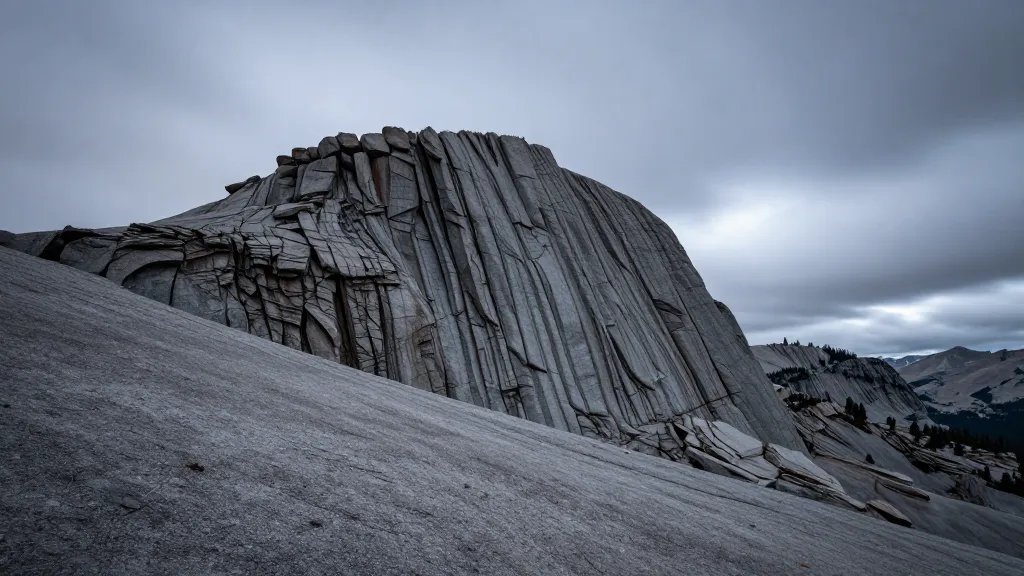
Yosemite feels like a playground for the soul. The granite faces glow at sunrise, and the valley floor holds a quiet reverence that’s hard to top.
– Signature sight: Half Dome’s silhouette as the sun pops the valley into color.
– Practical tip: book far in advance or go shoulder season to snag camp spots without the crowds.
Choosing Your Campground
– Upper Pines, Lower Pines, and North Pines are classics near Yosemite Valley access.
– If you want a quieter night, consider alternative parks or campground options outside the busiest zones and take a short shuttle ride in.
5) Grand Teton National Park, Wyoming: Jagged Peaks and Quiet Reflections
Grand Teton isn’t about hype; it’s about the kind of scenery that makes you forget to check your phone. The reflections on Jenny Lake are the stuff of screensavers and daydreams.
– Best moments: calm mornings on the water, moose sightings near the marsh, and sunsets that paint the peaks pink.
– Must-have: a sturdy tripod if you’re into long-exposure lake shots.
Camping Style: Lakeside Calm vs. Mountain Access
– Lakeside campgrounds let you wake to mirror-clear water and mountain views.
– If you want direct trail access, stay closer to the Jenny Lake area and hit the trails at first light.
6) Great Smoky Mountains National Park, Tennessee/North Carolina: Fog, Forests, and Fireflies
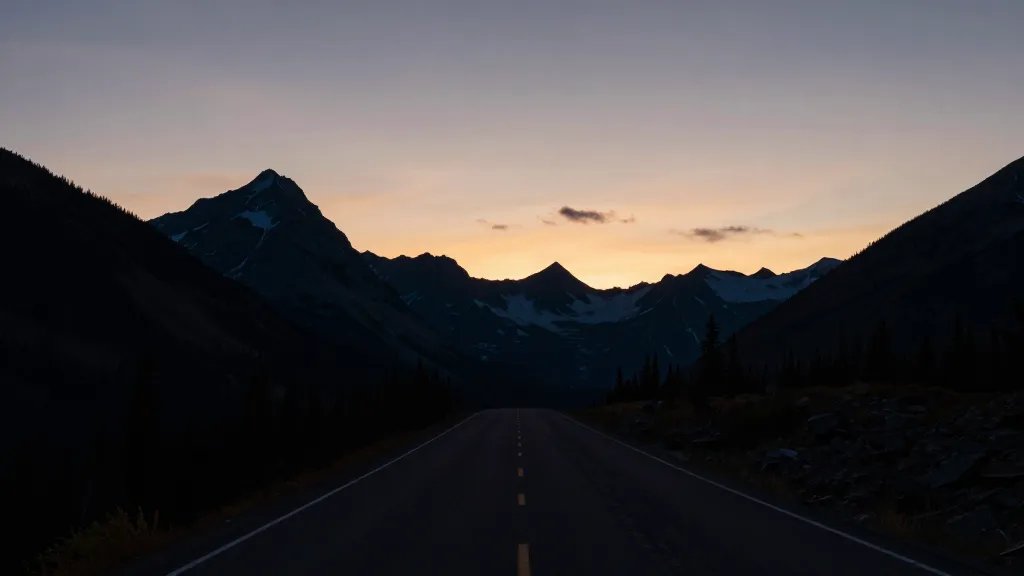
The Smokies aren’t all about misty mornings; there’s a surprising amount of variety—ancient trees, wildflowers, and star-streaked skies in late summer.
– Why it’s magical: biodiversity, scenic auto routes, and a sense of timelessness.
– Family-friendly note: many sites are near accessible hiking trails, making it easy to balance camp life with kid-friendly adventures.
Firefly Season and Night Skies
– If you’re visiting in early summer, you’ll get to see the fireflies put on a light show of their own.
– FYI: some campsites close during certain quiet hours, so check the campground rules to avoid a rude wake-up call from a ranger.
7) Acadia National Park, Maine: Ocean Air and Granite Coastlines
Acadia gives you mountains that meet the Atlantic—think rugged coastlines, tide pools, and piney air that feels like a spa day for your lungs.
– Campground vibe: coastal breezes, granite outcrops, and sunrises over the Atlantic that’ll ruin every other sunrise you’ve seen.
– Pro tip: bring a windproof shelter, because ocean winds don’t care about your outdoor plan.
Dark Skies and Day Hikes
– Cadillac Mountain offers epic dawn views; a little extra effort yields views that make your social feed look like a travel magazine.
– If you prefer a gentler pace, stroll along carriage roads and watch sailboats drift by.
8) Rocky Mountain National Park, Colorado: Alpine Tundra and Wildlife Galleries
Rocky Mountain National Park brings high-altitude drama with pine-scented air and skies that seem closer to you.
– Highlight: Emerald Lake at sunrise and the endless quilt of wildflowers in late summer.
– For the adventurers: many backcountry camps require permits, so plan ahead and bring your “plan B” for weather.
Altitude Awareness
– Altitude can sneak up on you; hydrate and pace yourself on hikes.
– Pack layers and a hat for sun-intensive days at high elevations.
9) Denali National Park, Alaska: Vast Wilderness and Quiet Grandeur
If you want to feel like you’re the only person on the planet, Denali is basically a cosmic punch in the gut with its scale and silence.
– What to expect: dramatic tundra landscapes, wildlife sightings, and skies so crisp you can almost count the stars as you speak.
– Practical note: access is often seasonal and weather-dependent; you’ll want to keep flexible plans.
Getting the Most Out of Denali
– Book the backcountry permit or join a guided camping experience if you’re new to extreme wilderness camping.
– Bring a thermos of coffee and a warm layer—even summer nights can bite.
FAQ
How do I choose which park to visit for a first-time landscape camping trip?
If you’re new to camping, start with a park that has well-developed campgrounds, shorter driving distances from major cities, and a balance of easy hikes with big views. Great Smoky Mountains and Acadia are forgiving and photogenic, while Glacier and Yosemite reward you with iconic landscapes if you’re ready for a bigger adventure.
What gear is essential for landscape camping in national parks?
– A sturdy tent and a warm sleeping bag
– Layered clothing for shifting mountain and coastal conditions
– A good camera or phone with a reliable tripod for those dawn and dusk shots
– A headlamp, bear spray where required, and a map or offline GPS
– Water filter or purification tablets and a reusable bottle
How far in advance should I book campsite reservations?
Reserve as far ahead as possible, especially for peak seasons. Some parks release spots six months out; others require you to be on the lookout for cancellations. If you can’t snag a site, consider nearby national forests or private campgrounds as backups.
Are there hikes suitable for kids or beginners in these parks?
Absolutely. Many parks offer shorter, well-marked trails with big payoff views. Look for family-friendly loop trails, nature walks, and boardwalks. Always check park websites for current conditions and kid-friendly routes.
What about wildlife safety while camping?
Keep a respectful distance, store food securely, and follow park guidelines. In some places, wildlife is more active at dawn or dusk, so plan activities accordingly. If you’re unsure, ask a ranger for the latest safety tips.
Conclusion
If you’re chasing landscapes that feel bigger than life, these national parks deliver with drama, quiet, and moments that make you grin like a kid with a brand-new compass. From glacier-blue lakes to crimson canyon walls, you don’t need a miracle to capture a great sunset—just a plan, a good tent, and the willingness to say yes to the unknown. So, which park are you booking first? IMO, start with a spot that makes you want to pack the car tonight. FYI, you’ll thank yourself later.
CampEquipmentPlus relies on reader support. Purchases made via links on our website may earn us an affiliate commission at no extra cost to you, helping keep the site running.