
If you’ve spent any amount of time camping in the UK, you’ve almost certainly slept in, walked past, or at least noticed Vango tents dotted across campsites.
There’s a reason they’re everywhere. As a Vango tent manufacturer, the brand has built a reputation around practicality, durability, and gear that actually works in real British conditions — not just on sunny product photos.
I’ve used Vango kit on damp weekends, windy coastal pitches, and long family trips where reliability mattered more than fancy extras. Some brands chase trends. Vango sticks to what campers genuinely need. And IMO, that’s why they’ve lasted.
Who Are Vango?
Vango is a UK-based outdoor equipment brand with roots going back to the 1960s. Founded in Scotland, the company quickly became known for building tents and camping gear designed to handle unpredictable weather and everyday use.
As a Vango tent manufacturer, the focus has always been on:
- Weather resistance
- Simple, reliable design
- Good value for money
Vango doesn’t try to be ultra-fashionable. Instead, they build tents that people actually trust — and keep using year after year.
Why Vango Has Become So Popular
There’s a reason Duke of Edinburgh groups, families, and weekend campers all seem to gravitate toward Vango tents.
They’re:
- Easy to pitch
- Reasonably priced
- Tough enough for repeated use
- Designed with UK conditions in mind
I’ve seen plenty of “budget” tents fail spectacularly in wind or rain. Vango gear tends to hold up, which earns trust quickly.
Designed for Real Weather (Not Just Summer Weekends)
Let’s be honest — camping in the UK means accepting that rain, wind, or both will show up eventually :/
One thing Vango does well as a Vango tent manufacturer is designing tents that stay functional when conditions turn. Features like:
- Taped seams
- Strong flysheet fabrics
- Sensible ventilation
- Low-profile designs
These details make a difference when you’re riding out bad weather instead of packing up early.
The Philosophy Behind Vango Tents
Vango’s approach is refreshingly practical.
Instead of chasing ultralight extremes or luxury glamping only, Vango tents are built around:
- Reliability first
- Comfort second
- Weight and extras third
That’s why you’ll see them used by beginners and experienced campers alike. The gear doesn’t demand special treatment — it just works.
The Vango Tent Range: Something for Every Camper
One of Vango’s biggest strengths is the sheer range of tents they offer. Whether you camp solo or with a full family, there’s likely a Vango model that fits.
Backpacking & Lightweight Tents
This is where Vango made its name.
Popular models include:
- Banshee series
- F10 range
- Blade tents
These tents prioritise wind stability, compact packing, and dependable performance. I’ve used Banshee models on exposed sites where lighter, flashier tents struggled.
Family & Car Camping Tents
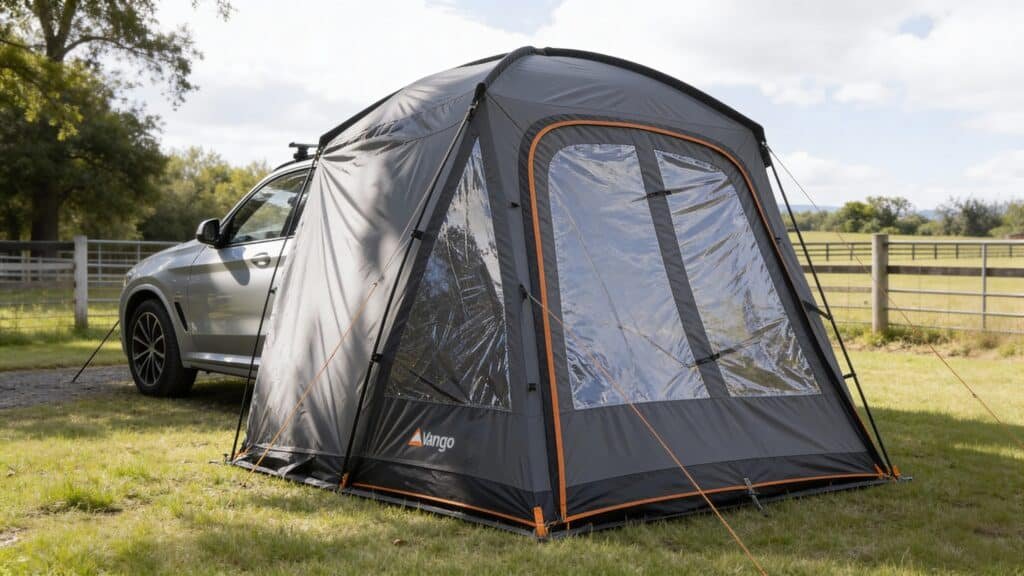
For families, Vango really shines.
The family range focuses on:
- Large living areas
- Separate bedrooms
- Easy pitching systems
Many Vango tents in this category use inflatable AirBeam technology, which removes the hassle of traditional poles. Pitching a big tent without stress? Yes please.
Inflatable AirBeam Tents
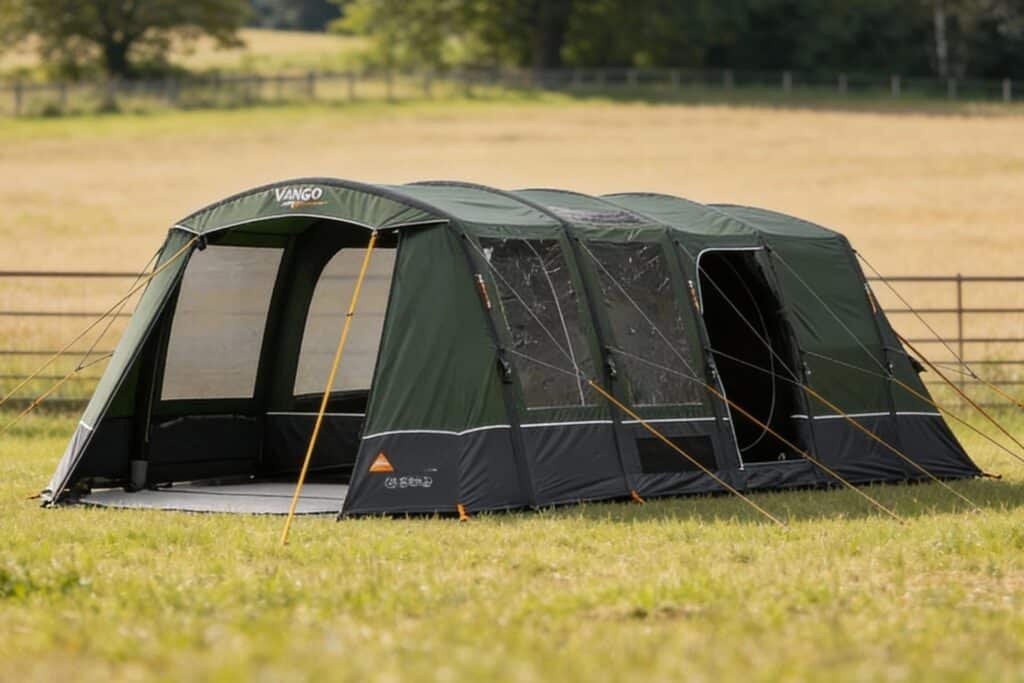
Air tents were once met with scepticism. Vango helped change that.
As a Vango tent manufacturer, they refined inflatable tent design to make it reliable, fast to pitch, and stable. These tents are now hugely popular with families and caravan campers.
Benefits include:
- Faster setup
- Fewer parts to manage
- Strong performance in wind
Glamping and Large Group Tents
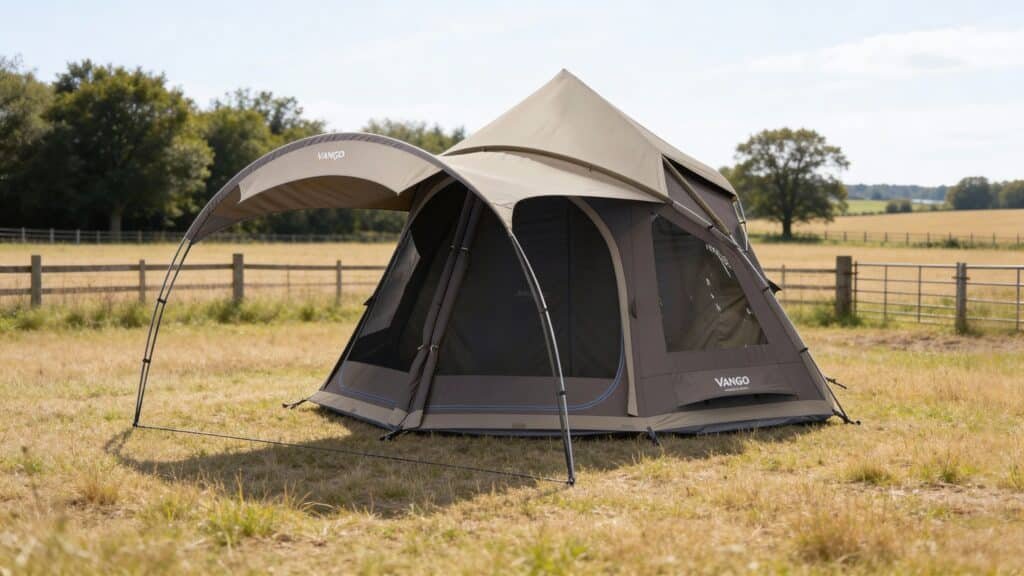
Vango also caters to campers who value comfort over minimalism.
Their larger tents offer:
- Standing headroom
- Spacious porches
- Room dividers
Perfect for long stays, family holidays, or anyone who doesn’t want to crouch all weekend.
Build Quality: Not Fancy, But Dependable
Vango doesn’t chase ultra-premium materials for the sake of it.
Instead, Vango tents use:
- Durable flysheet fabrics
- Robust poles or air beams
- Reinforced stress points
This makes them slightly heavier than some competitors, but also more forgiving. IMO, that’s a trade-off many campers are happy to make.
Ease of Use: A Big Part of the Appeal
After a long drive or hike, the last thing you want is a complicated setup.
Vango tents generally:
- Pitch intuitively
- Use colour-coded poles or beams
- Have clear layouts
That ease of use is why beginners often start with Vango — and why many never feel the need to switch brands.
Value for Money: One of Vango’s Strongest Points
As a Vango tent manufacturer, pricing is clearly positioned between budget and premium.
You’re not paying for:
- Ultra-light exotic fabrics
- Niche features
- Trendy design gimmicks
You are paying for:
- Reliability
- Comfort
- Longevity
Over time, that usually works out cheaper than replacing failed tents every season.
Who Vango Tents Are Best For
Based on years of seeing them in action, Vango tents are ideal for:
- Beginners learning the ropes
- Families needing space and reliability
- Weekend campers
- Duke of Edinburgh participants
- Budget-conscious adventurers
They’re not aimed at extreme alpine expeditions — but for most campers, they’re more than enough.
Common Myths About Vango Tents
Let’s clear a few things up.
“They’re only for beginners”
Not true. Plenty of experienced campers use Vango gear for reliability.
“They’re heavy”
Some models are heavier, yes — but that often brings durability.
“They’re basic”
Simple doesn’t mean bad. It means dependable.
How Vango Compares to Other Brands
Compared to premium brands:
- Slightly heavier
- Much cheaper
- Often easier to use
Compared to supermarket tents:
- Vastly better weather protection
- Better materials
- Longer lifespan
That middle ground is where Vango excels.
Lessons I’ve Learned Using Vango Tents
Here’s the biggest one.
A tent doesn’t need to impress you — it needs to protect you. The best gear fades into the background and lets you enjoy the trip.
That’s exactly what I’ve found with Vango tents over the years. They don’t demand attention. They just do their job.
Care and Longevity
To get the most from any Vango tent:
- Dry it properly after trips
- Store it loosely
- Use a footprint if possible
- Don’t overtighten guy lines
Basic care goes a long way.
The Future of Vango as a Tent Manufacturer
Vango continues to refine designs rather than reinventing them every season.
Expect:
- Better fabrics
- Improved ventilation
- Smarter layouts
- Continued focus on real-world use
As a Vango tent manufacturer, consistency is their strength — and campers appreciate that.
Final Thoughts on Vango Tents
After years of camping in mixed conditions, here’s my honest take.
Vango tents aren’t flashy. They’re not the lightest. They’re not the most expensive. But they are reliable, comfortable, and thoughtfully designed — which is exactly what most campers need.
If you want gear that works, pitches easily, and doesn’t let you down when the weather turns, Vango remains one of the safest bets in camping.
And in the UK? That reliability is priceless 🙂
CampEquipmentPlus relies on reader support. Purchases made via links on our website may earn us an affiliate commission at no extra cost to you, helping keep the site running.