
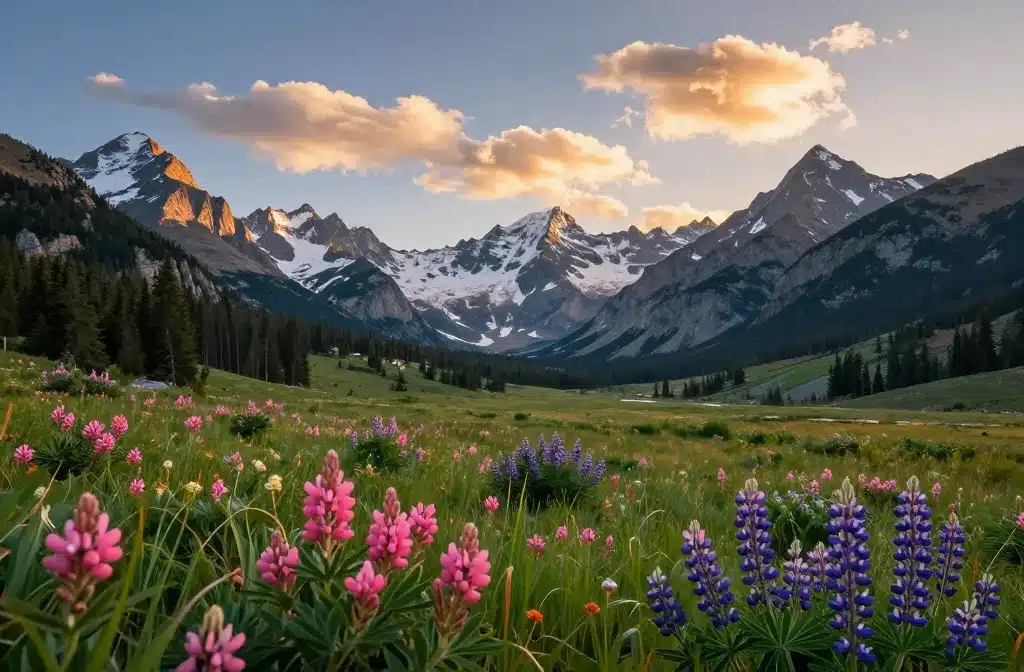
The Rocky Mountains aren’t just a pretty view — they’re a living, breathing playground for plant lovers. If you crave color, fragrance, and a little dirt under your fingernails, you’ve come to the right range. Grab your backpack and a good pair of boots — these 10 destinations are where nature enthusiasts come to fall in love with flora all over again.
Where the Alpine silhouettes meet leafy epics
The Rockies wear their wildflowers like a badge of honor. From high alpine meadows to sheltered forest clearings, everyPeak has its own botanical quirks. So where should you start, aside from “just wander and enjoy”? Right here.
Rocky Mountain National Park: Trails with a botanical punch
– Getting there: A short drive from Denver, with jaw-dropping viewpoints along the way.
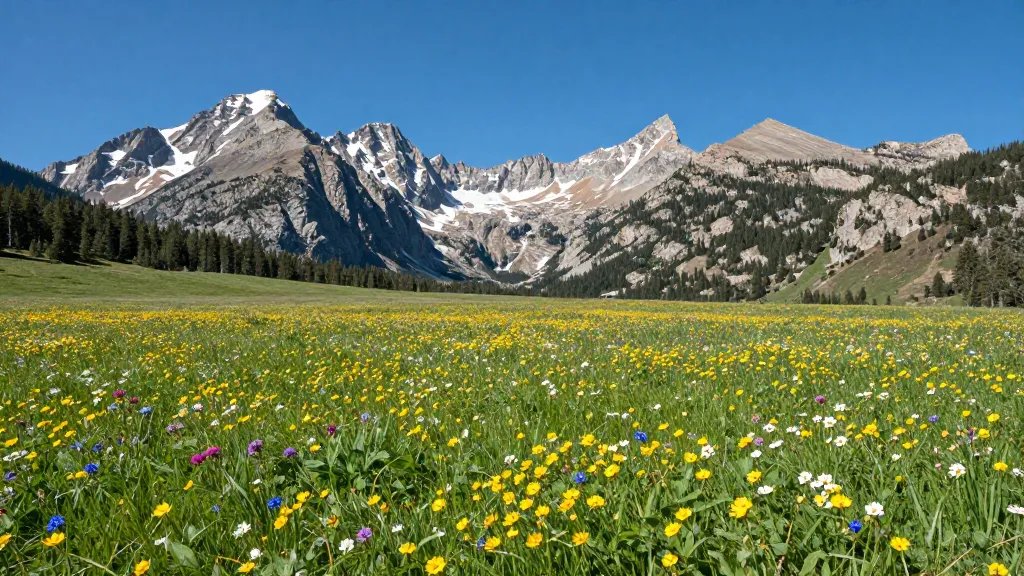
– Why it shines for flora fans: Lush subalpine forests, wildflower-filled meadows, and old forest trails let you see a stunning spectrum from June through August.
Subalpine meadows and their star players
– Bout of beauty: Deep pink paintbrush, purple lupine, and the stubborn little alpine forget-me-not.
– How to chase them: Head to Bear Lake and Moraine Park early in the morning; you’ll dodge crowds and catch the best light.
Tips for a green day out
– Start early to beat the crowds and the afternoon heat.
– Pack a field guide app and a water bottle that doubles as a mini cooler for your camera battery, FYI.
– Beware of sudden weather; high ridges love to switch moods on you.
Maroon Bells-Snowmass Wilderness: Colors that punch you in the retina
Maroon Bells is famous for its scenery, but the flora is the secret weapon below the surface. Bright reds and golds mingle with evergreen backdrops for a color study you didn’t know you needed.
Color hotspots to plan around
– Late summer accents: Indian paintbrush and goldenrod steal the scene.
– Which trails deliver the best floral shows: Lake Agnes-like viewpoints aren’t far, but the wildflower corridors near the Bells hit peak moments fast.
What makes this place uniquely flora-forward
– The combination of high elevation and mineral-rich soils creates oddball color combos you won’t forget.
– Pro move: bring a macro lens if you’re into tiny details like moss textures or minuscule orchids.
Colorado’s Foothills: Prairie meets pine and a surprising mix
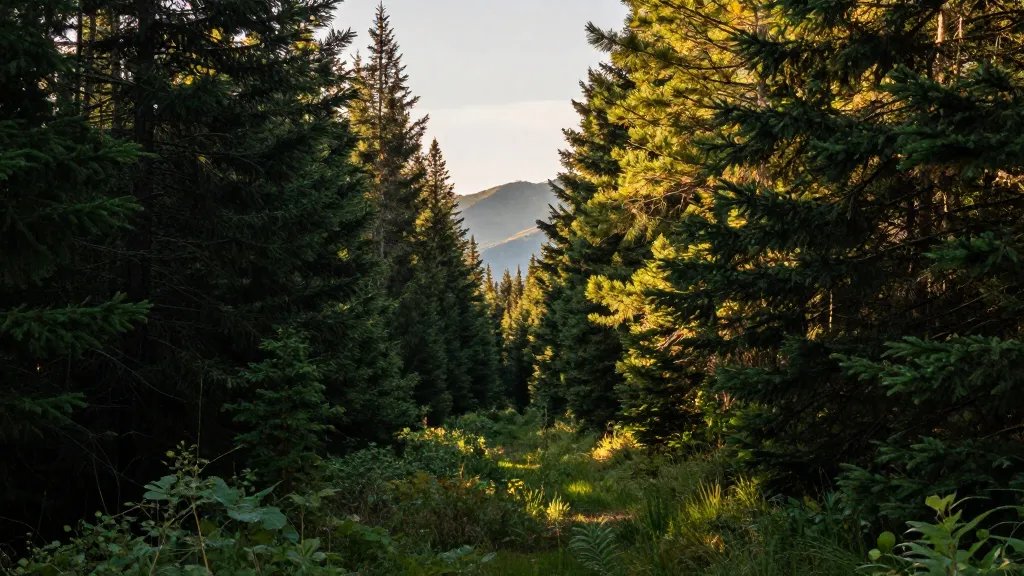
Don’t sleep on the foothills. They’re where sagebrush, wildflowers, and pine trees stage a friendly argument about which is king. The result? A landscape that changes with every corner you turn.
What to look for in the foothills
– Iconic blooms: prairie coneflower, scarlet gilia, and the stubborn little biscuit root.
– Best seasons: Late spring through early fall, with some plants kicking off a second show in late summer.
Trail ideas for flora nerds
– Easy wins: short, scenic loops that pack a botanical punch without demanding a mountaineer’s stamina.
– Pro tip: bring a notebook or voice memo so you can jot down plant names before the wind carries them away.
Roxborough State Park: Red rocks, green pockets
This park isn’t just a geologic showpiece; it’s a botanical treasure hunt tucked among dramatic canyon walls. The red sandstone makes every plant pop like it’s wearing highlighter.
Floristic highlights you won’t want to miss
– The big ones: prairie sage, yucca, and a surprising number of species that only thrive in sun-baked canyons.
– Why it matters: The geology shapes microhabitats, so you get an incredible variety in a compact area.
San Juans: High country meadows that feel like a fairy tale
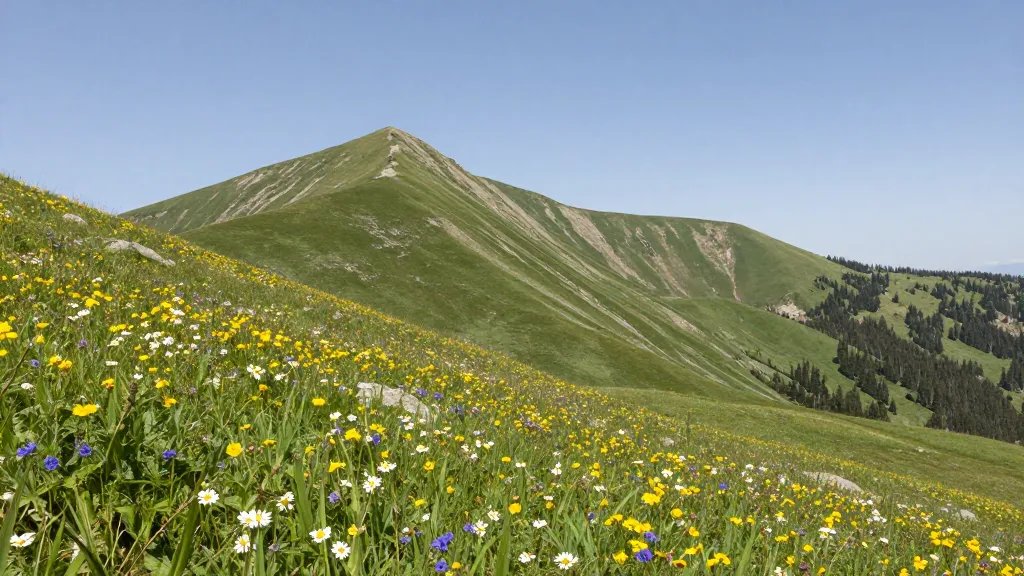
The San Juan Mountains bring a different flavor to flora appreciation. Expect cirque basins, cool air, and a bouquet of mountain wildflowers that seems engineered for postcards.
What makes San Juans special for plant lovers
– Elevation range: You can witness alpine, subalpine, and montane flora in one day if you move fast and stay hydrated.
– Signature blooms: Monkshood, columbine, and a surprising parade of tiny alpine daisies.
Planning tips for San Juan adventures
– Do multiple shorter hikes rather than one epic climb; you’ll maximize blooms and minimize fatigue.
– Carry a compact plant ID guide and a windproof bag for delicate specimens if you’re into collecting photos of pressed leaves “in situ.”
Hiking with a botanist’s eye: practical moves that elevate every trip
– Look for color clusters: plants exploit microhabitats, so a sunny ledge can host a surprisingly lush patch.
– Watch for pollinators: butterflies, bees, and hummingbirds are as much of a signal as the plants themselves.
– Take a slow breath and savor scent moments: some alpine herbs smell sharp and exciting when crushed gently between your fingers.
Accessibility notes for flora lovers
– Trails range from flat boardwalks to rigorous alpine routes; pick based on your comfort level.
– Altitude awareness is real; pace yourself, stay hydrated, and take breaks.
FAQ
What’s the best time to see peak blooms in the Rockies?
Late June through August typically offers the most flower variety, but it shifts with elevation. High elevations bloom later and shorter-lived; lower trails often pop a bit earlier. FYI, weather can cut bloom windows short, so flexibility helps.
Do I need a special permit to hike in these areas?
Most national and state parks require standard day-use passes. Some backcountry zones may need additional permits for overnight stays. Check the park service site before you go to avoid a souvenir you didn’t bargain for—like a hefty fine or a very confused ranger.
What should I bring for a flora-focused day?
Camera or good phone, field guide or app, water, sun protection, snacks, light rain shell, and a small notebook for plant notes. A lightweight macro lens is a fun add-on if you’re into close-ups.
How can I protect these fragile habitats while enjoying them?
Stay on designated trails, don’t pick or move plants, and pack out everything you pack in. Respect wildlife space and keep pets leashed where required. A little restraint goes a long way in keeping these gems looking glorious for years to come.
Conclusion: The Rockies are a botanical playground worth the hike
If you came for the views and stayed for the plants, you’ve found your tribe. The Rockies offer more than a postcard panorama; they deliver a seasonal, scent-filled, plant-spotting adventure that makes you feel like you’re in on a well-kept secret. So lace up, grab that field guide (or your favorite app), and chase those blooms like a happily caffeinated botanist. IMO, there’s a little magic in every meadow you haven’t explored yet. Happy wandering, friend.
CampEquipmentPlus relies on reader support. Purchases made via links on our website may earn us an affiliate commission at no extra cost to you, helping keep the site running.