

CampEquipmentPlus relies on reader support. Purchases made via links on our website may earn us an affiliate commission at no extra cost to you, helping keep the site running.
From jagged summits to glacial air that feels almost ceremonial, these nine mountainous destinations serve drama on a plate. Dramatic peaks aren’t just scenery; they pace rhythm, inspire awe, and sometimes demand a little grit from you. Ready to stack your bucket list with some serious altitude? Let’s dive in.
1) Patagonia’s Crown: Fitz Roy and Cerro Torre’s Rugged Kiss
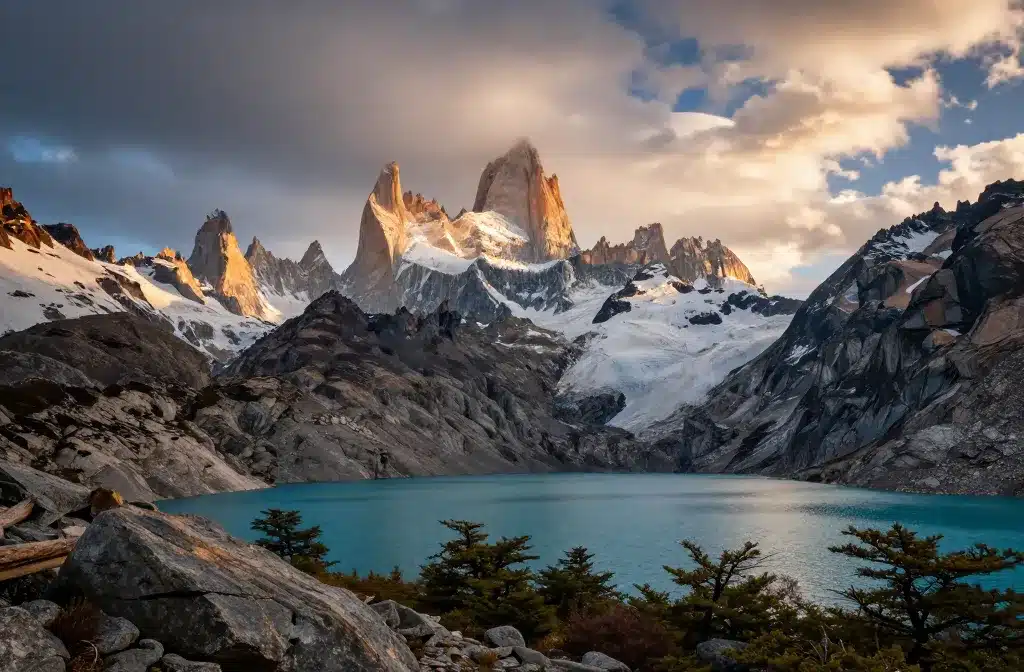
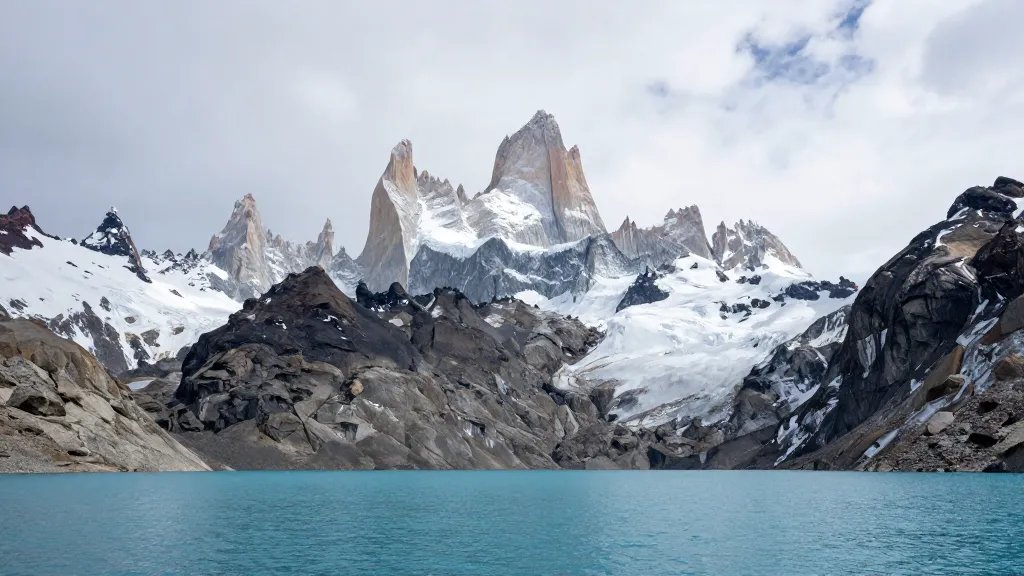
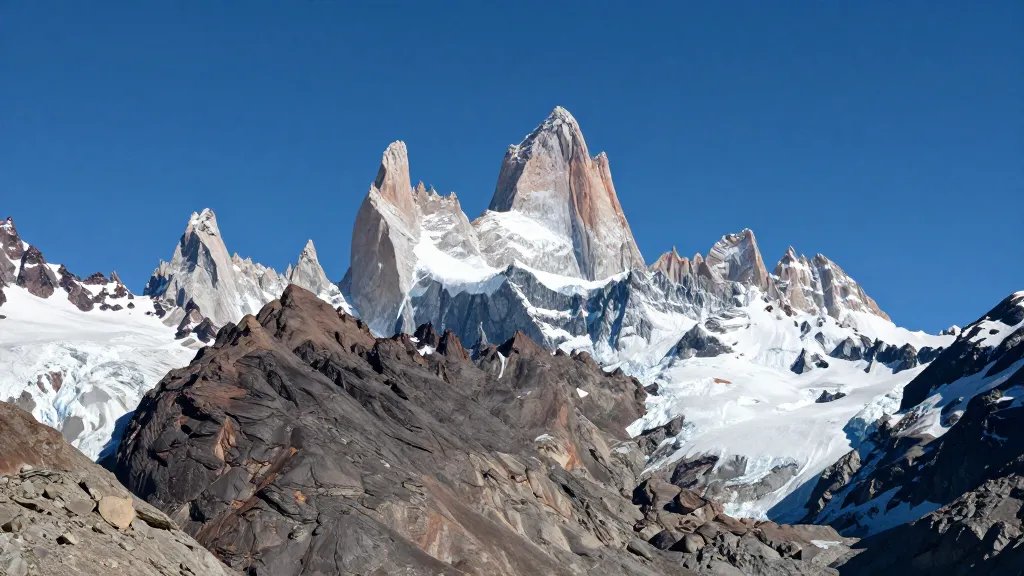
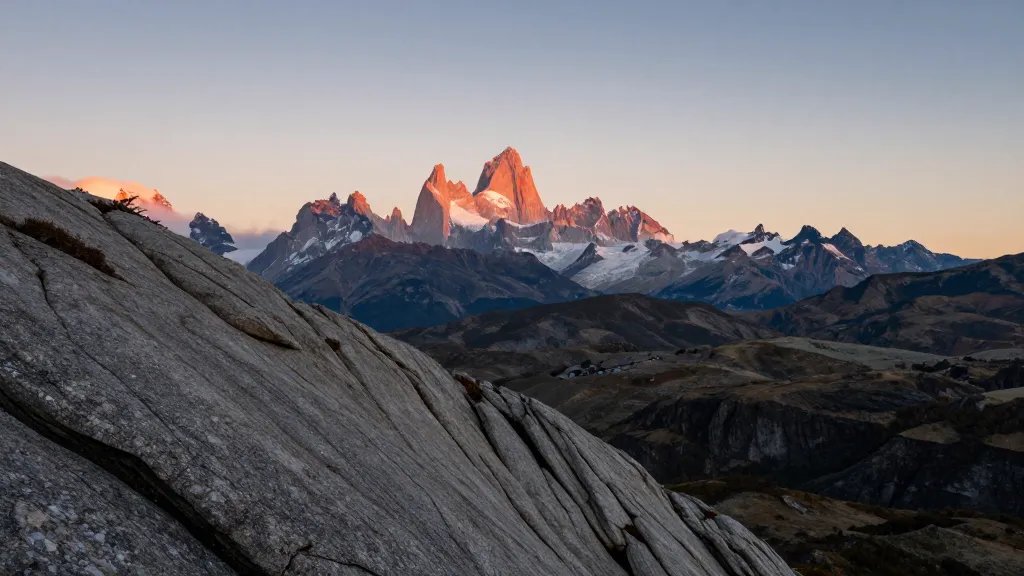
Patagonia isn’t just a place; it’s a mood. The peaks here bite with jagged teeth, a wind that seems to have a personality, and views that make you question every life choice that led you indoors. Fitz Roy and Cerro Torre headline the drama, but the surrounding granite ridges are equally cinematic.
– Why it hits hard: The sheer limestone spires against a turquoise lake backdrop? Chef’s kiss for epic photography.
– When to go: late spring to early autumn in the Southern Hemisphere gives you the best balance of weather and trails.
– What to pack: A windbreaker that can double as a sail, sturdy boots, and a camera with a wide lens.
- Iconic lookout points
- Challenging hikes that reward you with granite theater
- Local lore and a vibe that’s part explorer, part poet
Subsection: The Weather That Keeps You On Your Toes
Patagonia loves to remind you that it’s real. One minute you’re basking in sun, the next you’re negotiating with the wind. Bring layers, a waterproof shell, and a plan B for sunsets that never commit to staying put.
2) Kilimanjaro: The Twin Faces of Africa’s Roof
Kilimanjaro isn’t just a climb; it’s almost a pilgrimage. The altitude can be a quiet trickster, but the reward is a sunrise that looks straight out of a travel brochure—minus the Photoshop.
– Route variety: Machame, Marangu, Lemosho—each with its own pace and personality.
– The drama factor: Dunes, rainforest, and scree, all ascending toward a crown of snow and sky.
– Practical tip: Don’t underestimate acclimatization. A slow ascent is your best ally.
Subsection: The Sunrise Ritual
If you’ve ever wondered why people wake up at 2 a.m. to climb a hill, Kilimanjaro has the answer. The summit dawn ritual is a daily tradition for hikers who are chasing that gold paintbrush moment the sun spills over the world.
3) The Canadian Rockies: Banff’s Crown Jewels
Banff isn’t shy about its high-crowned peaks. The Rockies give you postcard perfection with blue glacial lakes, pine-scented air, and trails that feel carved for epic selfies.
– Highlights: Mount Robson, Moraine Lake, and the towering peaks around Lake Louise.
– Best seasons: Late summer for wildflowers, shoulder seasons for fewer crowds and dramatic skies.
– Skill level: Beginner-friendly to moderate, with plenty of dramatic viewpoints to keep you honest.
Subsection: Lakes That Double as Mirrors
Some mornings, the lakes are so calm they look photoshopped. FYI, nature doesn’t need a filter here, but bring a tripod anyway—the reflections deserve it.
4) The Dolomites: Italy’s Pinnacle Playground
The Dolomites feel like a fairy tale where the mountains wore a spiky crown and said, “Yes, we’re dramatic, deal with it.” The limestone towers, dramatic via ferrata routes, and sun-drenched alpenglow are a siren song to hikers and climbers alike.
– Vibe check: Alpine chic meets outdoor adventure with a side of cheese fondue.
– Activities: Via ferrata, cable cars to lofty vistas, and hut-to-hut trekking that doubles as a culinary tour.
– Must-try viewpoint: Tre Cime di Lavaredo at dawn if you want that otherworldly glow.
Subsection: Via Ferrata Essentials
If you’re new to via ferrata, start with a guided day. The armor-cred is real, and the routes range from approachable to “hold my coffee while I hang here.” A helmet, harness, and calm nerves go a long way.
5) The Himalayas: Everest’s Shadow, Nepal’s Heart
You can’t talk about dramatic peaks without the Himalayas chiming in. The Annapurnas and the Everest region offer soaring silhouettes, terraced valleys, and a sense of scale that makes you feel tiny—in a good way.
– What you’ll see: Deep valleys, hanging villages, and routes that thread between snow-capped giants.
– Trek style: Lightweight, tea-house comfort with big altitude, big horizons.
– Culture note: The region’s a living museum of Buddhist traditions and mountaineering history.
Subsection: Tea Houses and Trail Etiquette
In the Himalayas, you’ll stay in tea houses and share meals with trekkers from every corner of the globe. Respect local customs, tip when you can, and remember: a warm smile travels far in chilly weather.
6) Aoraki/Mount Cook: New Zealand’s Alpine Opera
New Zealand’s South Island serves drama with a side of sport. Aoraki/Mount Cook is the showstopper—sharp ridges, glacial ice, and weather that loves a quick plot twist.
– Best seasons: Late spring and summer for long days and stable weather windows.
– Activities: Challenging alpine climbs, short scenic walks, and stargazing under near-pristine night skies.
– Note: The terrain can switch from serene to savage in a heartbeat, so know your limits.
7) Torres del Paine: Patagonia’s Final Frontier
Another Patagonian giant makes the list, because why not double down on glory? Torres del Paine frames your hiking dreams with granite towers, turquoise lakes, and wind that refuses to stay neutral.
– Must-do hikes: W Trek for the classic loop, or the longer O Circuit for time-and-drama lovers.
– Weather reality check: If you don’t pack for four seasons in a day, you’ll learn fast.
– Wildlife cameos: Guanacos and curious bystanders that remind you you’re just visitors in this wilderness.
8) The Alps: Courchevel to Zermatt in a Single Breath
The European Alps aren’t just about après-ski glamour; they’re a high-altitude anthology of sharp peaks, green pastures, and bell towers chiming at every ridge.
– Diversity of scenery: Green valleys, limestone towers, and glacier-fed rivers.
– Access factor: Easy flight connections and a maze of huts and rifugios for every budget.
– Option for all: Day hikes, long treks, and everything in between with efficient rail links.
9) Sierra Nevada: Pushing Limits in California’s Backyard
The Sierra Nevada offers altitude with a side of sun-washed trails and a history lesson baked into every ridge.
– Highlights: Mount Whitney is a crown jewel; the jagged peaks keep the drama high.
– Trail variety: From the iconic John Muir Trail vibes to shorter elbow-room hikes with big views.
– Seasonality: Snowfields linger later in spring, so plan ahead if you’re chasing that perfect bluebird day.
Subsection: Planning Your Peak Quest
Want the short version? Pick a season, check weather windows, and book permits early where required. Local guides can save you a lot of grief and crank up the “wow” factor with insider tips.
FAQ
What’s the best time to visit these mountainous destinations?
Timing depends on the location. Patagonia and Kilimanjaro favor the shoulder seasons to dodge crowds and unpredictable weather. The Dolomites and the Alps shine in summer with longer days. Always check local forecasts and altitude-related weather shifts before you go.
Do I need special gear for dramatic peaks?
Yes and no. Most peaks require solid hiking boots, weather-appropriate layers, and a decent backpack. If you’re tackling via ferrata or technical routes, you’ll need helmets and harnesses, often with guides. A camera with a good zoom helps you capture the drama without stepping into the wrong frame.
Is it safe for beginners to chase big peaks?
Beginner-friendly routes exist, but altitude and weather add risk. Start with acclimatization plans and guided options when in doubt. Respect your limits and use day-by-day pacing to stay sane and safe.
How do I avoid crowds while still getting iconic views?
Go early, hike midweek, or choose less-traveled perimeters of famous trails. Local huts and lesser-known trailheads can deliver the same awe with fewer elbow-to-elbow moments.
What should I do after summiting a dramatic peak?
Celebrate, hydrate, and take it slow. Altitude can linger in your legs longer than you expect. A mellow day, a good meal, and a plan for a safer return home keep the magic from turning into fatigue.
Conclusion
If you’re chasing dramatic peaks, these destinations deliver. Each one serves a different flavor of awe—from the wind-sculpted faces of Patagonia to the alpine bustle of the Dolomites. So, pack light, bring curiosity, and let the mountains do their thing. IMO, the best stories aren’t just in guidebooks—they’re the moments when you pause, breathe deep, and realize you’re standing in a place that somehow makes ordinary life feel insufficient. FYI, the mountains remember you long after you’ve left, so tread with respect and a dash of wonder.