
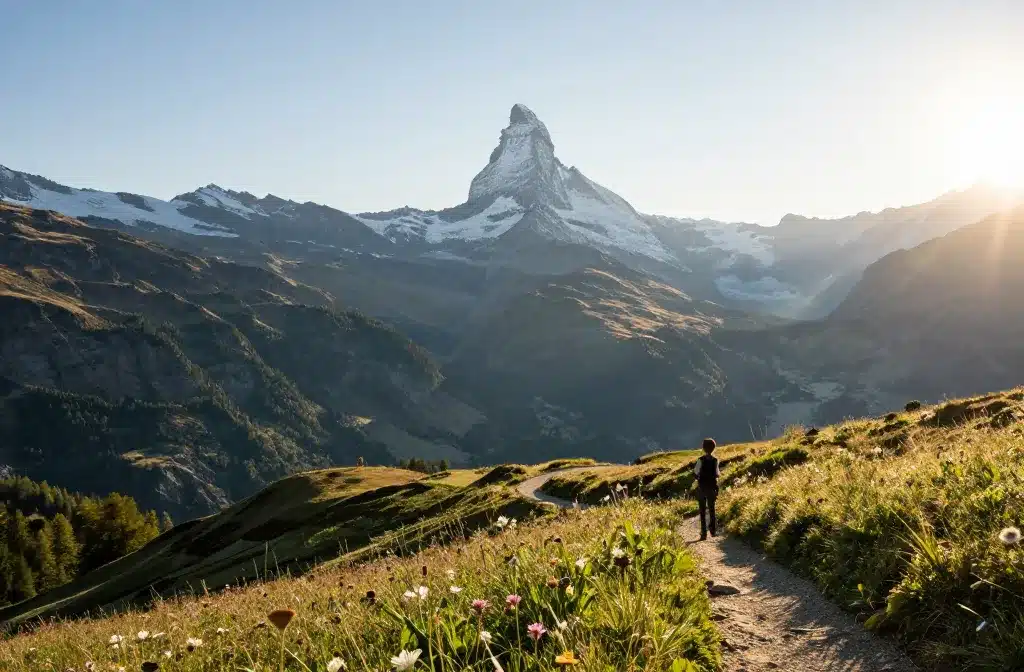
The mountains are calling, and the trail is loud with crickets, birds, and the occasional yakety-yak from a fellow hiker. If you crave alpine panoramas that feel like an old postcard, you’re in the right place. These nine destinations serve up jaw-dropping views, killer sunsets, and trails that make you say, “Yes, I can definitely climb this.” FYI, you’ll want comfy boots and a coffee thermos that doubles as a pep talk.
1) Zermatt, Switzerland — The Matterhorn Magnificence
Zermatt isn’t just a town; it’s a postcard you’ll walk through. The Matterhorn dominates the skyline like a moody superhero, and you’ll chase it on trails that twist through forests and alpine meadows.
– Why go: Iconic pyramid peak, clean air, and a car-free village vibe.
– Best time to hike: Late June to September for mellow weather and wildflowers.
Top routes to consider
- Five Lakes Walk: Easy to moderate, with turquoise lakes that look photoshopped.
- Schwarzsee to Stellisee Loop: Classic views that unfold like a slide show.
Pro-tip
Take the Gornergrat Bahn up for a sunrise view that makes the crowds worth it. IMO, it’s the kind of moment you tell your future grandkids about—if you remember it after the nap you took on the way down.
2) Cinque Terre National Park, Italy — Trails with Ocean-Blue Drama
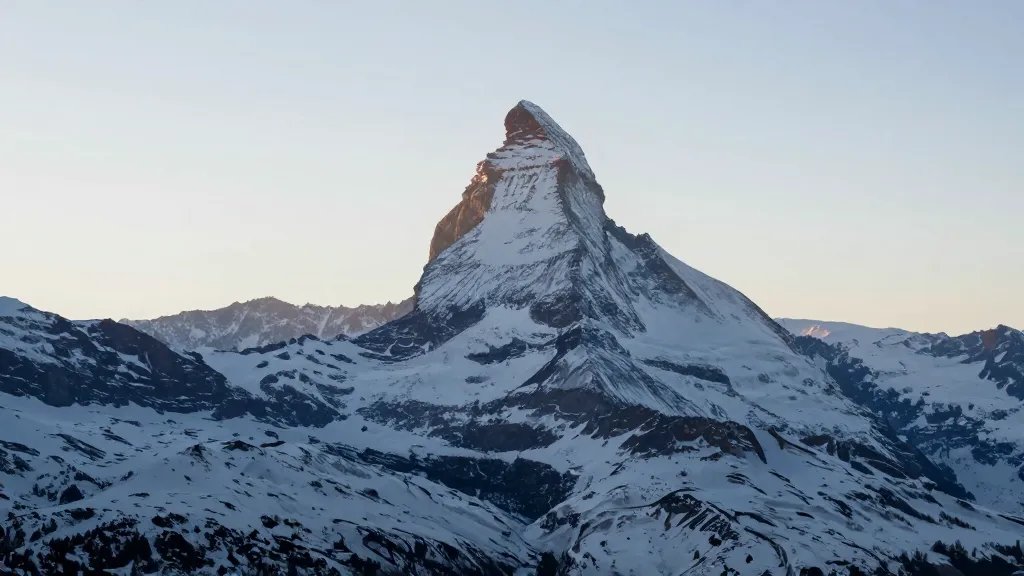
Okay, this isn’t your typical snow-capped peak, but those cliffs dropping into the Ligurian Sea offer alpine drama of a different flavor. The trails connect pastel villages perched above sparkling water, and every sweeping view feels cinematic.
– Why go: Dramatic coastal alpine vibes, color-popping villages, and gelato that deserves its own pedestal.
– Best time to hike: Spring and early fall keep crowds friendlier and the weather kinder.
Highlights to aim for
- Sentiero Azzurro: The cliffside route that shows off the whole Riviera of Liguria.
- Monte di Forno vantage points: Where the sea looks like melted sapphire.
Practical tip
Trains run between villages, so you can do a breezy day hike and shuttle the crowds away for sunset photos. FYI, pasta holds up well after a steep climb, just saying.
3) Banff National Park, Canada — Emerald Lakes and Subalpine Whispers
Banff isn’t soft-lit postcard vibes; it’s big, wild, and ridiculously photogenic. Think long blue lakes, jagged peaks, and trails that make you feel like you’ve earned life’s little victories.
– Why go: Iconic turquoise lakes, friendly wildlife, and air so crisp you’ll spit out your coffee in awe.
– Best time to hike: July through September for accessible trails and still-warm days.
Must-do hikes
- Lago Louise to Lake Agnes Tea House: A classic climb with a rewarding snack stop.
- Sentinel Pass via Moraine Lake: For panoramic views that scream “mountain epic.”
Wildlife note
Keep a respectful distance from bears and elk. Do not try to pet a marmot unless you enjoy being a viral meme about bad life choices.
4) Dolomites, Italy — Sharp Peaks and Ladin Hospitality
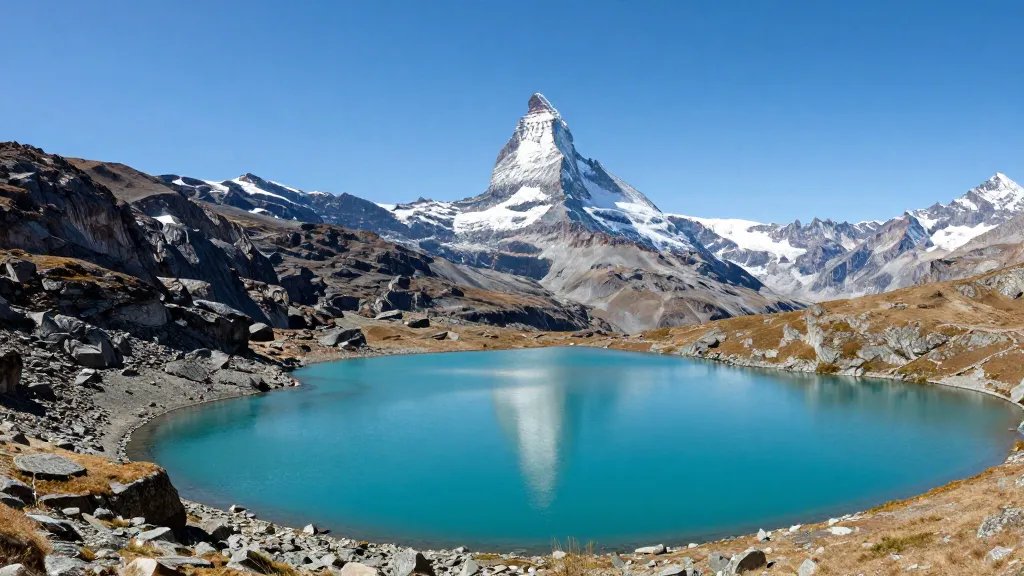
The Dolomites feel like a spine of granite rising from emerald valleys. The views cut sharper than the limestone, and the via ferrata routes add a pinch of adrenaline for the brave.
– Why go: Dramatic jagged peaks, rifugio huts with hot cocoa, and sunrises that make you consider a career as a mountaineer-poser.
– Best time to hike: June to September for sturdy weather and comfy refuges.
Iconic trails to try
- Tre Cime di Lavaredo circuit: The triumphant jaw-dropper of all jaw-droppers.
- Seceda ridgeline: A hero shot no matter which direction you look.
Refugio life
Book a hut early if you’re staying aloft overnight. The food is hearty, and the company is usually merry after a long climb. IMO, waking up to alpine light here is worth every blister.
5) Torres del Paine, Patagonia — Ice Age Drama in Full Color
Patagonia isn’t gentle; it’s a raw, expansive theater where wind tests your gear and your resolve. The granite towers and glacial lakes are surreal, and you’ll feel tiny in the best possible way.
– Why go: Monumental scenery, otherworldly colors, and starry skies that deserve their own constellations.
– Best time to hike: Patagonia’s stretches are best in austral summer—December to February.
Signature routes
- W Trek: The classic circuit that hits every dream photo spot.
- Grey Glacier viewpoints: Carved ice and dramatic sunset gold.
Weather reality
Be prepared for rapid shifts. One moment you’re basking in sun, the next you’re applauding the wind’s power. FYI, layering is not optional here; it’s a lifestyle.
6) Aoraki/Mount Cook National Park, New Zealand — Alpine Silence and Starry Trails
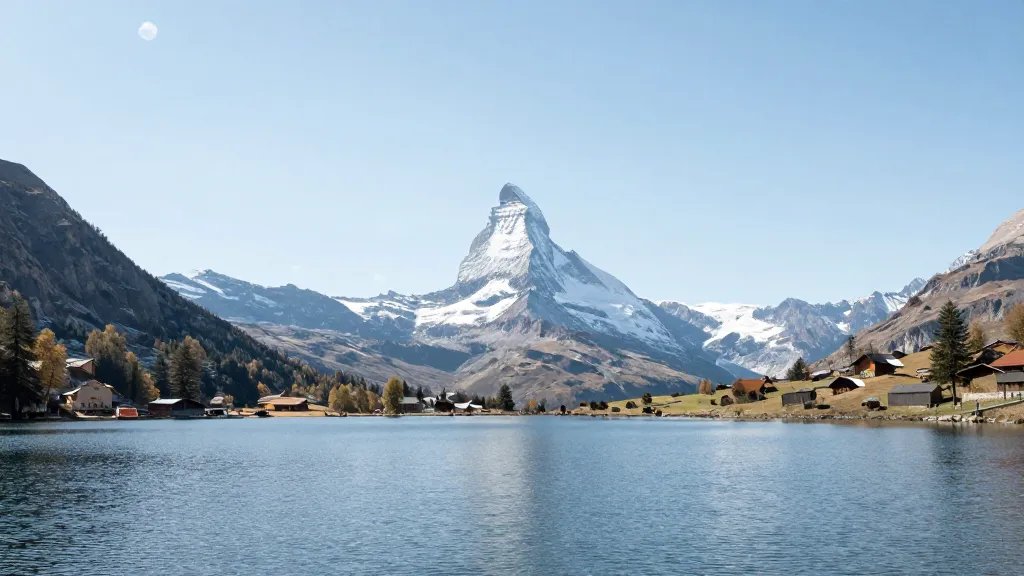
New Zealand’s Southern Alps glide through the air like they were plucked from a dream. The terrain here is rugged, the skies are huge, and the sense of being on the edge is constant—in the best way.
– Why go: Clean, dramatic lines of the peaks and a trail network that rewards both day trips and long-haul treks.
– Best time to hike: December to February for longer days and milder temps.
Top picks
- Hooker Valley Track: A gentle route with sky-high vibes and Lake Hooker’s mirror finish.
- Roy’s Peak: A sunrise climb that pays with expansive valley views and a dash of “wow.”
Gear micro-check
Sun protection is legit here, and winds whip up even on sunny days. Take gloves and a hat, even if it feels silly at the trailhead.
7) Sagarmatha National Park (Mount Everest Region), Nepal — Thin Air, Big Dreams
Okay, this is a big one, but it delivers on the alpine view front with a side of epic culture. The range of Khumbu trekking routes is a masterclass in gradual altitude gain and tea-house charm.
– Why go: Legendary landscapes, monastery vibes, and a chance to stand in a valley that has inspired generations.
– Best time to hike: Pre-monsoon (March–May) or post-monsoon (late Sept–Nov) for clearer skies.
Popular routes to consider
- Everest Base Camp Trek: It’s a classic for a reason—buzzing with energy and awe.
- Kala Patthar viewpoint: The closest you’ll get to touching the world’s highest peak from a vantage point.
Altitude reality check
Go slow, hydrate like a camel, and celebrate every small altitude win. The mountains don’t rush you; your lungs do a lot of cheering in their own way.
8) Patagonia’s Fitz Roy Range, Argentina/Chile — Needle Peaks and Glittering Trails
Fitz Roy isn’t shy about its jagged silhouette. The trails weave through lenga forest and glacial lake reflections, offering a drama that feels almost cinematic.
– Why go: Some of the most striking granite spires on the planet, plus wind that forgives nothing but makes big stories.
– Best time to hike: Southern spring and autumn for balanced weather and fewer crowds.
Go-to hikes
- Laguna de los Tres: Bold views of Fitz Roy with a comfy coffee stop at the end.
- Estancia Cerro Torre: For those who want a tougher, more solitary challenge.
Notes on popularity
Expect crowds near the classic viewpoints at sunrise. If you want solitude, sneak out for a late afternoon or a shoulder season day. IMO, the quiet moments are worth the extra planning.
9) Glacier Bay National Park, Alaska — Fjords, Fjords, and Fjords
Okay, Alaska isn’t a walk in the park in the most literal sense, but it’s a hiker’s paradise with glaciers that move so slowly you can almost hear them think. The views here are big, bold, and unapologetically scenic.
– Why go: Immense ice, sea, and mountain interplay; wildlife spotting like a real-life nature show.
– Best time to hike: Summer months when the weather is more cooperative and boat trips run regularly.
Trail ideas
- Marina Trail: A coastal hike that blends forest and sea spray.
- Storre Point to Grand Pacaya Trail: If you’re chasing those panoramic fjord vibes.
Wildlife tip
Watch for bears and salmon streams. Keep cameras ready but don’t photo-bomb the wildlife—let them do their thing without you trying to one-up their moments.
FAQ
What gear should I bring for alpine hikes?
Layers are your best friend. Start with a moisture-wicking base, add an insulating mid-layer, and finish with a windproof shell. Don’t forget sturdy boots, a rain cover for your pack, and a lightweight headlamp—because you never know when you’ll decide you’re a night-hiking ninja.
Are these hikes suitable for beginners?
Many offer beginner-friendly sections and shorter loops, but most alpine trails reward some experience and good pacing. Start slow, pick shorter routes, and build up to longer days. If you’re unsure, hire a guide for a day to gain confidence.
What’s the best way to plan these trips on a budget?
Pick a region and focus on a few key trails rather than trying to hit every spot. Stay in refugios or hostels, use local transport passes, and book accommodations with kitchen access to save on meals. FYI, cooking your own ramen at altitude is oddly rewarding.
How do I handle altitude or weather shifts?
Ascend gradually to acclimate, stay hydrated, and monitor your body for signs of altitude sickness. Weather shifts can be brutal, so always check forecasts, carry extra layers, and have a Plan B for when storms roll in like clockwork.
Conclusion
If you crave alpine views that feel both epic and intimate, these destinations deliver with style. Each spot packs its own brand of drama, from the needle-like silhouettes of the Dolomites to the glacier-blue lakes of Banff. So lace up, fill that thermos, and chase light—because the mountains aren’t going anywhere, and neither should your sense of adventure.
CampEquipmentPlus relies on reader support. Purchases made via links on our website may earn us an affiliate commission at no extra cost to you, helping keep the site running.