

CampEquipmentPlus relies on reader support. Purchases made via links on our website may earn us an affiliate commission at no extra cost to you, helping keep the site running.
The mountains are calling, and your backpack is begging for some good company. If you crave wide-open skies, gnarly singletrack, and the kind of wildlife encounters that make you double-check your trail mix, this list is for you. Here are 8 mountain wilderness destinations that hit all the right notes for an epic backpacking trip — complexity optional, rain gear mandatory.
1) The High Lonesome: Lassen, California
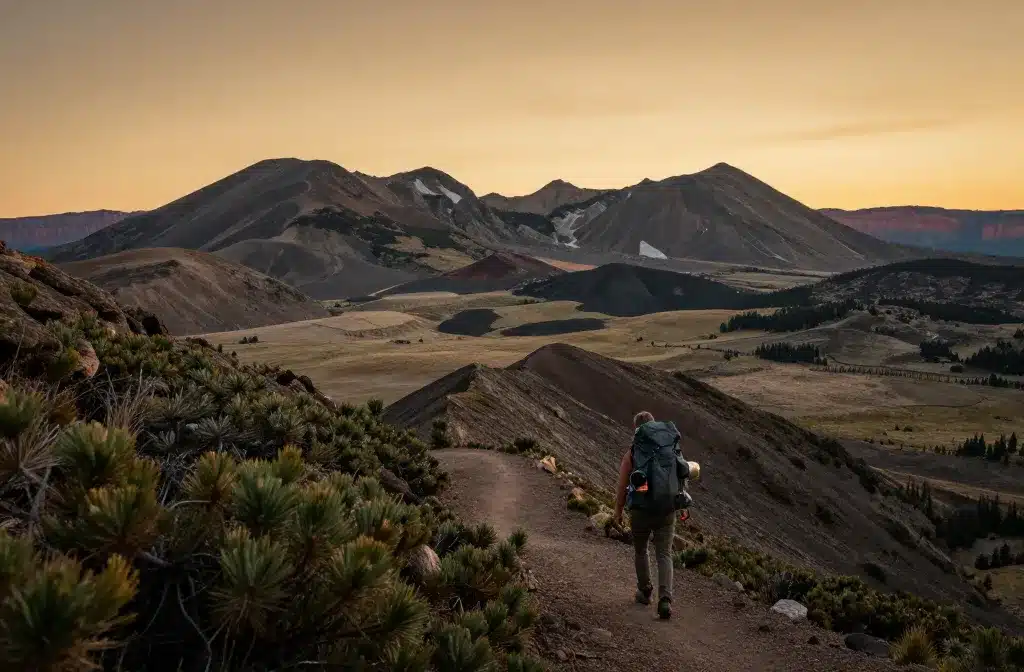
Lassen erupts with drama and quiet at the same time. You’ll find alpine meadows, volcanic landscapes, and a soundtrack of crackling spruce as you hike. The best part? It’s less crowded than Yosemite but equally as dramatic.
What to expect
– Elevation range: 5,000–10,000 feet (bring layers, you’ll swing between seasons)
– Trails that reward time spent: Loch Lomond, Devil’s Backbone, and the Pacific Crest portions nearby
– Wildlife sightings are real but respectful; keep your distance and your food secured
Pro tips
– Start early to avoid afternoon thundershowers and the heat on exposed ridges.
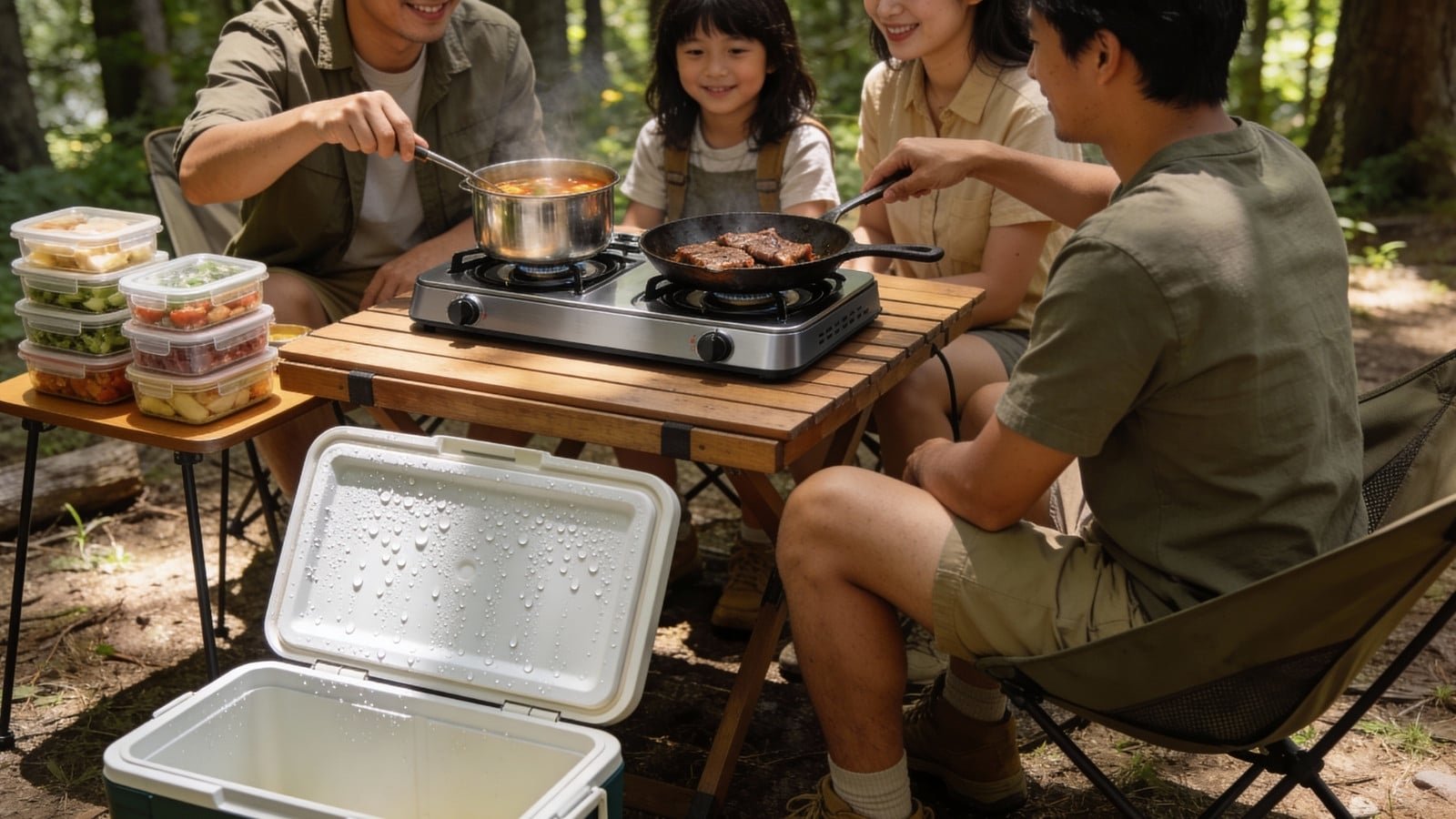
– Pack a compact stove because evenings get chilly and a warm meal hits different after a long day.
2) Desert meets rock: Grand Canyon North Rim backcountry, Arizona
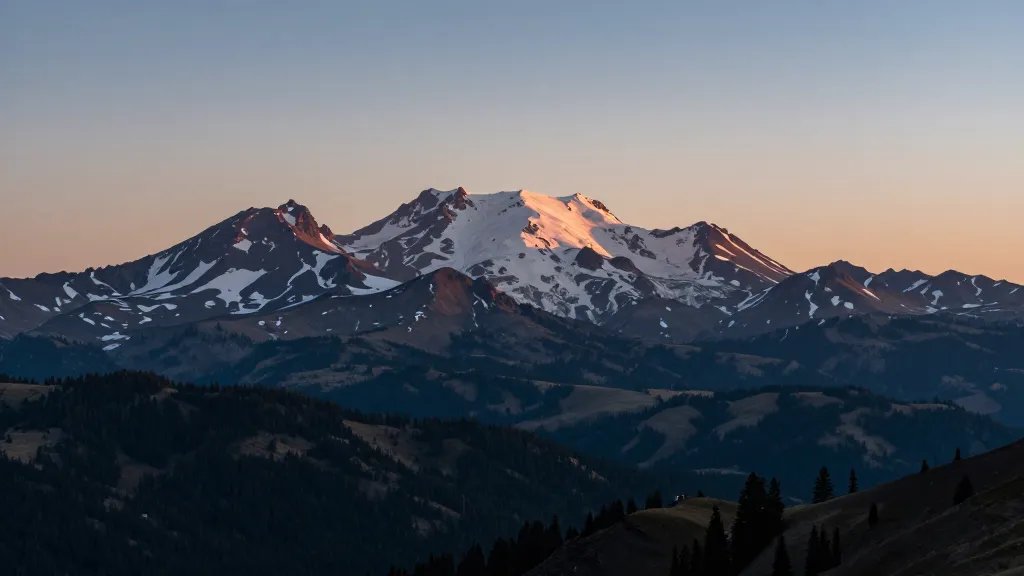
Yes, the Grand Canyon has more to it than crowded viewpoints. The North Rim backcountry trails offer serene corridors through ponderosa forests and dramatic rims that feel intimate rather than postcard-perfect.
What to expect
– Fewer crowds than the South Rim, but demanding miles with big open exposures
– Mileage options range from 6 to 20+ miles, depending on your route
– Water sources can be sparse; plan with a water strategy and filter
Why it clicks for backpackers
– The canyon layers tell a story with every step
– Ridgelines give you sunrise glow that survives no alarm clock
Practical moves
– Get a backcountry permit well in advance; this place is popular in-season
– Don’t skip sunrise views; it’s a sacred kind of quiet that caffeine won’t fix
3) Alpine Serendipity: Sawtooth Range, Idaho
If you crave jagged peaks, turquoise lakes, and a trail network that feels tailor-made for long weekends, Sawtooth is the one to fall for.
What to expect
– Big, timeless terrain; expect some elevation gains that make your legs audition for the next Olympics
– Iconic spots: Alice Lake, Sawtooth Lake, and the tangle of ridges behind
– Water is reliable in many basins; you’ll rarely hike dry
Why this destination is addicting
– The trails wander through pine forests that smell like “new hiking boots” in the best way
– Shorter approaches can still deliver jaw-dropping vistas, perfect for a 3–4 day pace
Backpacking tips
– Pack a lightweight bivy or rain cover; weather can flip on a dime
– Leave no trace, but do bring a bit of humor for the moody afternoon winds
4) Rainshadowed Giants: Olympic Peninsula, Washington
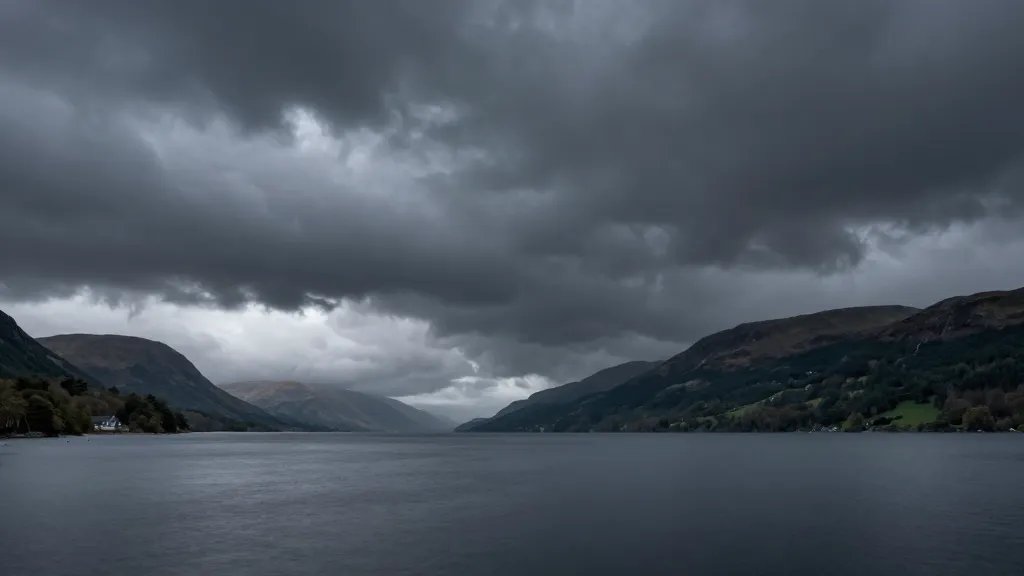
The Olympic Peninsula isn’t just one mountain range; it’s a meteorologically dramatic playground. Expect temperate rain, mossy trunks, and alpine bowls that look like they belong on a postcard you didn’t buy.
What to expect
– A variety of ecosystems in one trip: old-growth forests, subalpine meadows, and rugged coastlines
– Trails that weave through both wet and dry microclimates
– Wildlife you actually want to see (in a respectful, keep-your-distance way)
Why it’s special
– The weather keeps you on your toes and the scenery refreshes your heart
– It’s perfect for a first longer backpacking loop or for splitting into two shorter trips
Gear and tips
– Water purification is worth the extra effort here; streams change with the weather
– Pack a sturdy rain shell and gaiters; ferns aren’t the only things soaking you through
5) The Subalpine Wall: Colorado’s San Juans
If you want elevation galore with dramatic granite and big-blue lakes, the San Juans deliver with style. This is the land where trails feel like a conversation with the mountains.
What to expect
– Some of Colorado’s most spectacular alpine terrain
– High passes, jagged peaks, and those lakes that perfectly mirror the sky
– A mix of rugged backcountry routes with well-defined camp spots
Why it’s worth lugging extra weight
– The payoff is consistent: dramatic vistas, pristine water, and a sense that you’ve earned every mile
What to bring
– A reliable map, because the terrain can jumble your bearings
– A lightweight sleeping pad to sprawl under starlight on a granite shelf
6) Subalpine Solace: Montana’s Mission Mountains
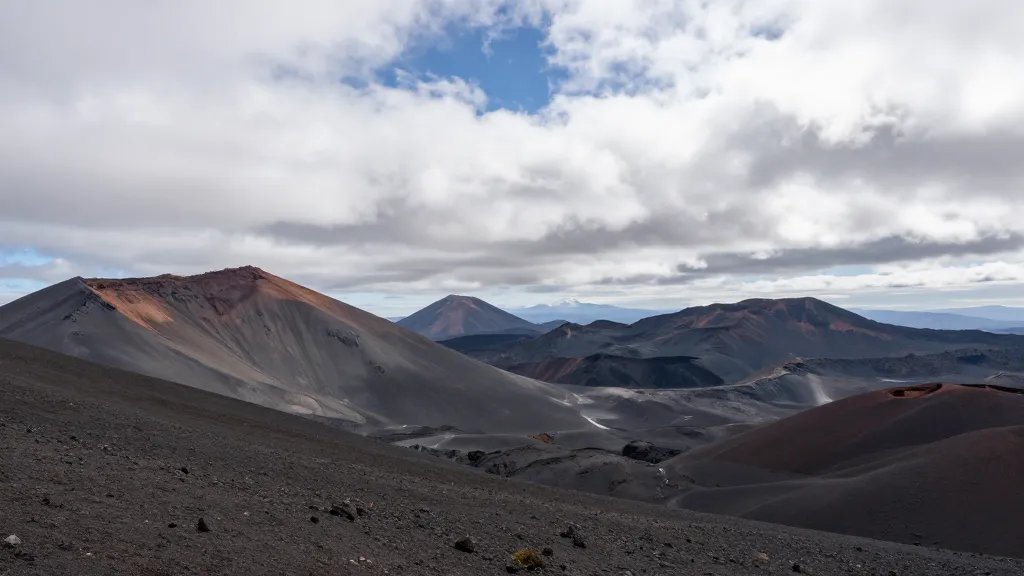
Montana isn’t all big skies and big deer; the Mission Mountains offer a more intimate wilderness experience with a touch of rugged seclusion.
What you’ll find
– Quiet trails with fewer crowds, perfect for introspective treks
– Crystal-clear lakes tucked between granite ridges
– Wildlife sightings range from moose to marmots, with plenty of space to appreciate both
Why it’s a sleeper hit
– The silence hits different here — like your own private soundtrack
– The hiking is forgiving enough for a longer weekend while still feeling “remote”
Logistics
– Check fire restrictions and water sources; some basins depend on snowmelt highs
– Keep a low profile in wildlife-rich zones; most animals respect distance if you do
7) The Canadian Toss-Up: Selkirk Mountains, British Columbia
If you’re chasing a rugged, far-north vibe with fewer crowds and more bear sightings, the Selkirks reward the intrepid. Think granite, hemlocks, and big skies that stretch your sense of time.
What to expect
– Alpine summits that demand a second glance at the map
– Clear streams and still lakes that beg for a break and a quick dip
– A trail network that rewards planning and a touch of bravado
Why it lands
– It’s a smorgasbord for backpackers who want remote feels without the logistics of international travel
– The solitude is the real luxury here
Key tips
– Respect border access; know the permits and regulations if crossing from the U.S. to Canada
– Pack for variable weather; it can flip from warm sun to sudden wind and cold in a heartbeat
8) The Groaner’s Paradise: Sierra Nevada Backcountry, California/Nevada
If you’ve done the usual State Park loops and want a backcountry challenge with big payoff, the Sierra Nevada backcountry will flirt with your GPS and win.
What to expect
– Long, winding routes with alpine lakes, granite outcrops, and boulder fields
– The potential for long days of mileage if you’re chasing a specific overlook or lake
– Water sources exist in most valleys, but never trust a “likely” source — filter anyway
Why it’s great
– The sense of scale is unreal; you’ll feel tiny and alive in the same breath
– Campsites often sit on ridges with sunsets that redefine “spectacular”
Backpacking notes
– Above-timberline sections demand sturdy layers and a plan for snow or sleet
– A lightweight bear canister is worth considering in some zones
FAQ
What time of year is best for these destinations?
Many of these spots shine in late spring through early fall, depending on snowpack and weather. Aim for July to September for the best trail conditions, but be ready for rapid weather shifts anywhere in the mountains.
Do I need a permit to backpack in these areas?
Most of these destinations require backcountry permits or require reservations for overnight camping during peak season. Check the specific national park or national forest page well in advance and plan your dates around any quotas.
What essential gear should I not forget?
– Durable rain shell and insulating layers
– Lightweight sleeping pad and compact bivy or tent
– Water filter or purification tablets
– Map, compass, and sunscreen
– Food with a bit of luxury (you deserve it)
How do I stay safe in these wilderness zones?
Tell someone your plan, stick to established routes, and carry a basic first-aid kit. Use bear-proof storage where required and practice Leave No Trace. FYI, a little caution goes a long way when you’re miles from the closest trailhead.
What about trail etiquette and crowd management?
Keep noise low near wildlife, yield to uphill hikers, and pack out every bit of trash. If you’re chasing solitude, aim for weekdays and shoulder seasons when crowds thin out.
Conclusion
Backpacking in mountain wilderness is less about conquering the peak and more about sharing the experience — with your legs, your senses, and the trail ahead. These eight destinations offer a spectrum of vibes, from volcanic drama to quiet alpine bowls, all with that magic only the mountains can conjure. So, which one calls your name first? Pack light, plan smart, and answer the call with a big, salty laugh at the next gust of wind. IMO, the mountains will forgive your mistakes and celebrate your curiosity. Get out there and let the trail teach you something new.