
The idea of chasing iconic backdrops sounds flashy, but it’s really about finding spots that spark joy the moment you see them. These eight national park aesthetics deliver big-time photo vibes, easy hiking, and enough punch to make your friends jealous without requiring a passport to Mordor. Grab a snack, put on your comfiest shoes, and let’s dive into scenery you’ll actually want to print on a sticker.
1) Monument Valley’s Red-Washed Daydream
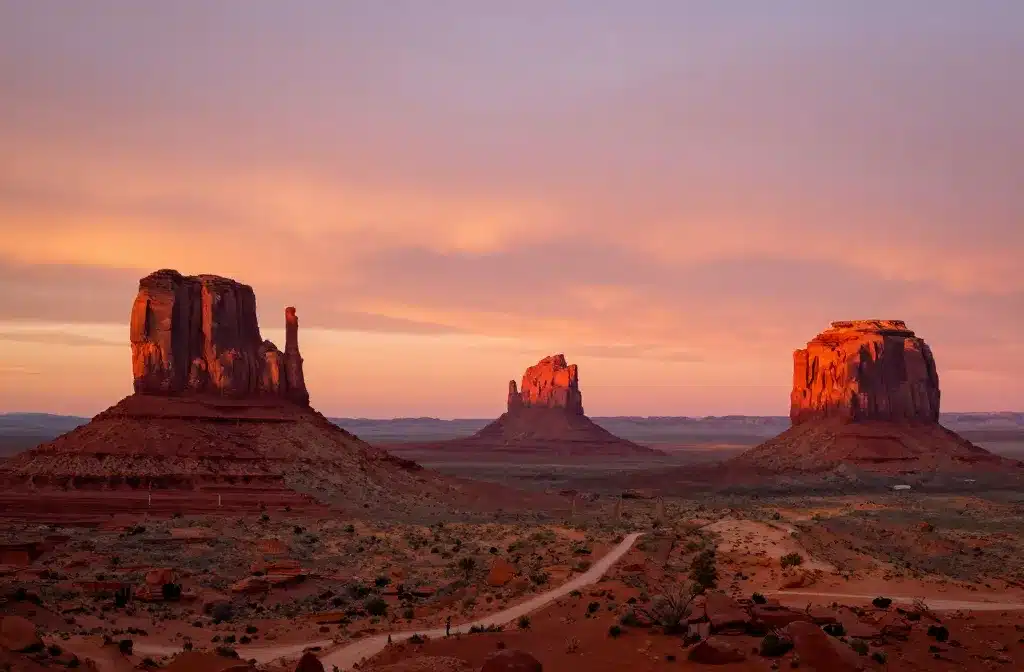
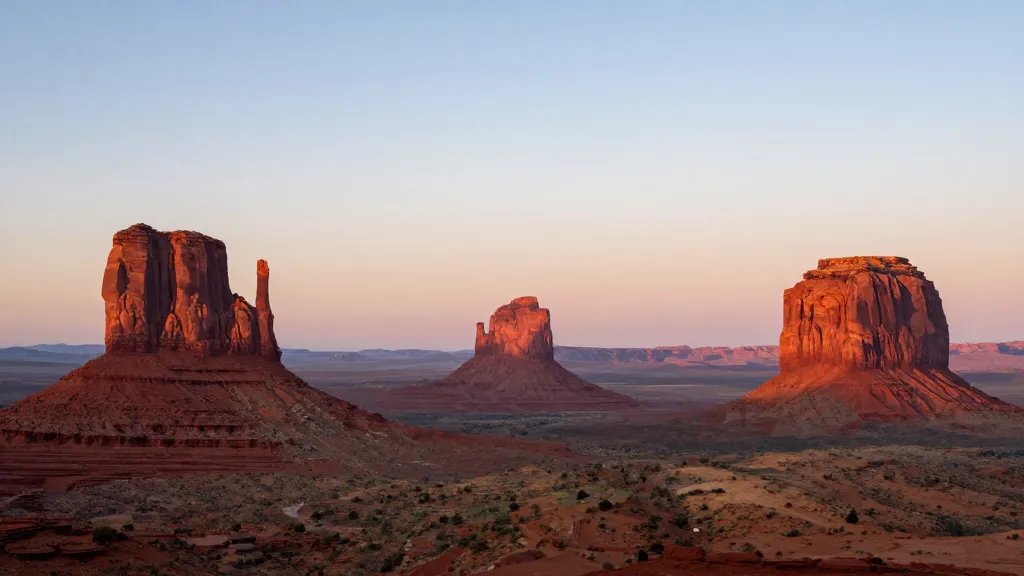
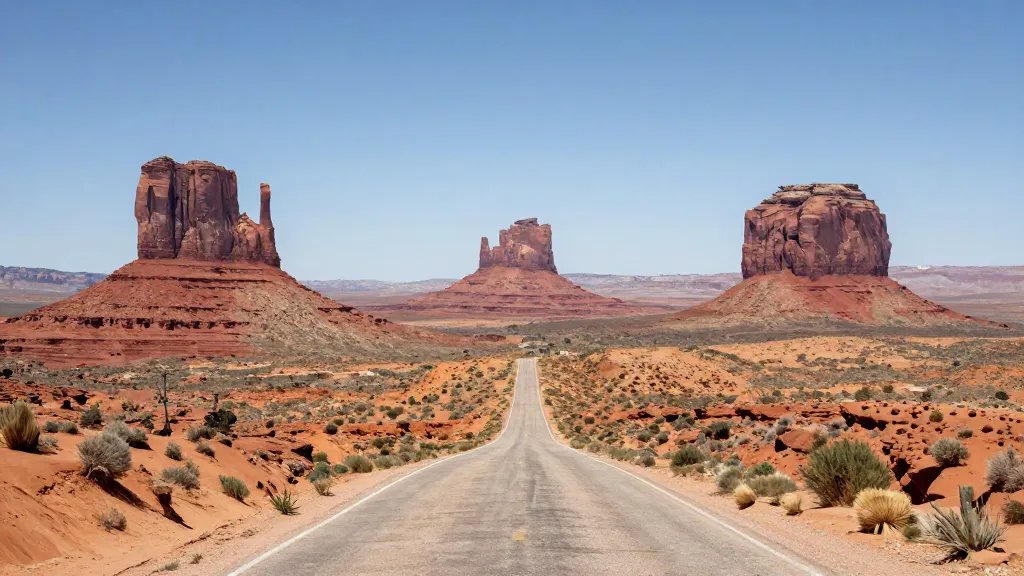
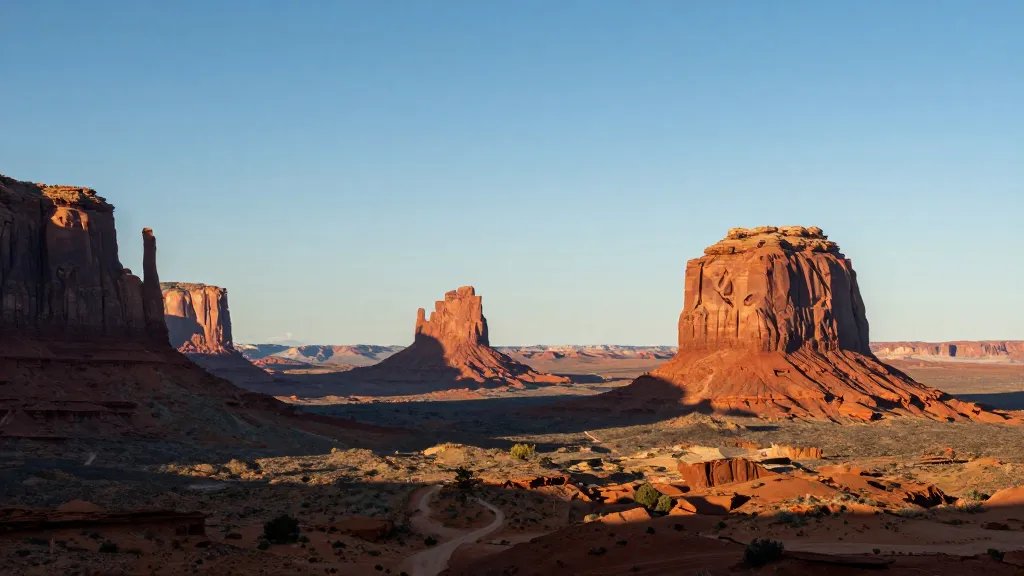
Monument Valley doesn’t just sit in the background of Westerns; it dominates the foreground of your imagination. The sandstone buttes rise like ancient skyscrapers, casting dramatic shadows as the sun moves. It’s the kind of scene that makes you mutter “wow” in a tone that’s half awe, half envy.
– Best light: early morning or late afternoon when the red rock glows.
– Must-try angles: low shots to stack a butte on the horizon, or a wide panorama that includes a classic winding dirt road.
– Practical tip: bring a tripod for the quiet moments after sunset when the sky goes electric.
Deep dive: Native stories and photography etiquette
If you’re chasing the iconic shot, remember these basics: don’t block trails, respect Navajo land, and watch for flash floods after rain. FYI, ask for permission if you’re shooting on private or tribal lands beyond the park’s core. It’s not just about the shot; it’s about showing respect for the place and its people.
2) Antelope Canyon: Wave-like Light Through the Stone
Antelope Canyon isn’t a canyon you hike; it’s a canyon you walk through while nature adjusts the lighting for you. The light beams slice through narrow openings, turning the sandstone into a living painting. It feels surreal, like you accidentally wandered into a 3D gallery curated by geology.
– Best light: midday, when sun rays pierce straight through the top; this is peak “aha” moment.
– Must-try shots: the famous beam in the upper canyon, plus abstract textures on the walls.
– Practical tip: book in advance, and hire a guide who understands the optics of the canyon.
Subsection: How to frame the beam
To capture a beam, time your visit for when the sun’s angle is right, usually late spring through early fall. A fast shutter helps freeze dust motes in the air for a bit of ambiance, but don’t overdo it—these are delicate, ephemeral moments.
3) Zion National Park: Canyon Walls That Hug the Sky
Zion feels like nature hugged the earth and then decided to stretch a little. The towering sandstone cliffs, curving rivers, and endless switchback trails give you a stack of postcard moments. The famous canyon green pool and the emerald glow of the cliffs are ready for your dramatic entrance.
– Best light: sunrise over the canyon floor or golden hour along the switchbacks.
– Must-try spots: Angels Landing for adrenaline, The Narrows for water-chic photos, and Emerald Pools for lush contrasts.
– Practical tip: start early, or you’ll be elbow-to-elbow with other shutterbugs.
Subsection: Safety first, shots second
If you’re lugging a heavy camera, keep your balance on slick sandstone and never lean over edges for a better angle. The park is stunning, yes, but the edges are not forgiving. And FYI, water near The Narrows can be chilly—bring dry socks and a waterproof bag.
4) Yosemite Valley: Granite Giants and Waterfall Dreams
Yosemite isn’t just a park; it’s a legend carved in granite. El Capitan, Yosemite Falls, and Half Dome create a backdrop that feels timeless and sorta cinematic. It’s the place where your long lens finally gets its workout, and your friends finally believe you’re serious about photography.
– Best light: sunset on El Cap, or sunrise on Yosemite Falls when the mist glows.
– Must-try shots: Tunnel View for a classic panorama, and Cathedral Beach for a serene river vibe.
– Practical tip: park early, and consider a guided photography walk to hit golden-hour pockets you might miss.
Subsection: The famous trees and the quieter corners
While the Valley’s iconic rock faces steal the spotlight, don’t overlook the Merced River meadows or the giant sequoias at nearby Mariposa Grove. They offer softer contrasts that balance the drama with lush, approachable scenery.
5) Glacier National Park: Emerald Slopes and Ice-Streaked Peaks
Glacier National Park feels like a painter splashed green, blue, and rock on a massive canvas. The Going-to-the-Sun Road threads through jagged peaks and glacial lakes, giving you photo options that range from reflective stillness to high-contrast drama.
– Best light: blue hour at Lake McDonald, or the sun stroking the ridges at sunrise.
– Must-try spots: Logan Pass for wildflower meadows, and the red rock of the Garden Wall for bold silhouettes.
– Practical tip: stay flexible with weather; storms roll in fast, and the lighting changes faster.
6) Acadia National Park: Ocean Light Meets Granite Coast
Acadia is where the coast talks back to the pines and the rocks. The sea spray, rugged shoreline, and Cadillac Mountain sunsets create a palette that feels both rugged and cozy at the same time. It’s like nature saying “you’re really here, aren’t you?”
– Best light: sunset from Cadillac Mountain or Bass Harbor Head Light for classic lighthousish vibes.
– Must-try shots: rocky beach textures, sea stacks at low tide, and pine silhouettes against a stormy sky.
– Practical tip: bring waterproof protection for your gear near the shore and watch tide schedules.
7) Grand Teton National Park: Spires, Lakes, and a Sky You Can Stand On
Grand Teton delivers a minimalist dream: jagged peaks, serene lakes, and wide-open skies that somehow feel intimate. It’s the kind of place where your camera feels understood and your heart does a little happy pirouette.
– Best light: sunrise over the Tetons with a still lake, or late golden hour on the ridges.
– Must-try spots: Jenny Lake for reflections, and Snake River Overlook for a classic panorama.
– Practical tip: a longer lens helps isolate the peaks against the big sky, and a polarizer can tame glare on the water.
8) Denali National Park: Wild, Untouched, Ultimate Backcountry Backdrop
If you want a raw, unfiltered sense of scale, Denali brings the drama. Untamed tundra, the tallest peak in North America looming above, and a sense of space you can almost feel in your bones. It’s not about crowds; it’s about the vast, wild quiet.
– Best light: keep an eye on alpenglow when the sun drops behind the horizon.
– Must-try shots: broad tundra scenes with a hint of Denali’s silhouette, and close-ups of wildflowers in a wind-blown field.
– Practical tip: this park rewards patience—if you can, plan a longer stay to catch weather windows and wildlife.
FAQ
What camera gear should I bring for iconic park backdrops?
Bring a versatile setup: a lightweight zoom lens (24-70mm or 70-200mm), a wide-angle for epic landscapes, a sturdy tripod for low-light moments, and extra batteries. Don’t overpack—you’ll hike more than you think.
How can I photograph crowds without losing the magic?
Go early or late, look for quieter side trails, and use longer exposures or cropping to keep the drama in frame. A bit of planning goes a long way when the park is buzzing.
Are there seasonal considerations to keep in mind?
Yes. Some parks are best in spring bloom, others in fall color, and some are snowbound in winter. Check park service websites for road closures and weather alerts before you go.
What about safety and ethics while chasing these views?
Stay on designated trails, respect wildlife, and pack out everything you bring. Overnight closures, flash floods, and fragile ecosystems aren’t just plot devices—they’re real. Treat them like they’re fragile art.
Do I need a guide for these shoots?
Not strictly, but a park ranger-led or photography-focused guide can unlock secret viewpoints, timing tips, and-safe navigation. If you’re visiting a more hands-off area like Denali, a guide can be especially valuable.
Conclusion
If you’re chasing that “wow” moment without chasing a suitcase full of drama, these eight national park aesthetics deliver. Each spot offers a unique backdrop that feels both iconic and accessible, whether you’re chasing a perfect sunrise, a dramatic canyon wall, or a mirror-like lake. So pick a park, plan your route, and start shooting like you actually know what you’re doing—because you do, in all the best ways. FYI, the photos will thank you later.
CampEquipmentPlus relies on reader support. Purchases made via links on our website may earn us an affiliate commission at no extra cost to you, helping keep the site running.