


CampEquipmentPlus relies on reader support. Purchases made via links on our website may earn us an affiliate commission at no extra cost to you, helping keep the site running.
The wilderness isn’t just a backdrop — it’s the main character. Pack light, breathe deep, and let nature throw a curveball or two. If you crave jaw-dropping landscapes and heart-pounding moments, you’ve come to the right campsite. FYI, these 10 wonders aren’t for casual strolls; they’re for those who want the wild to remind them who they are.
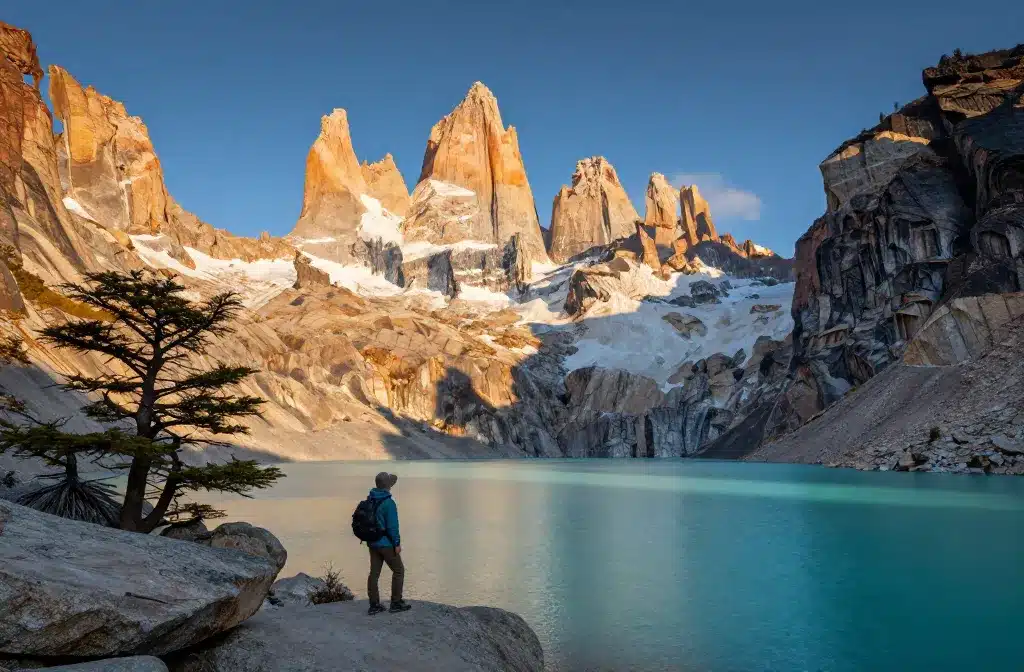
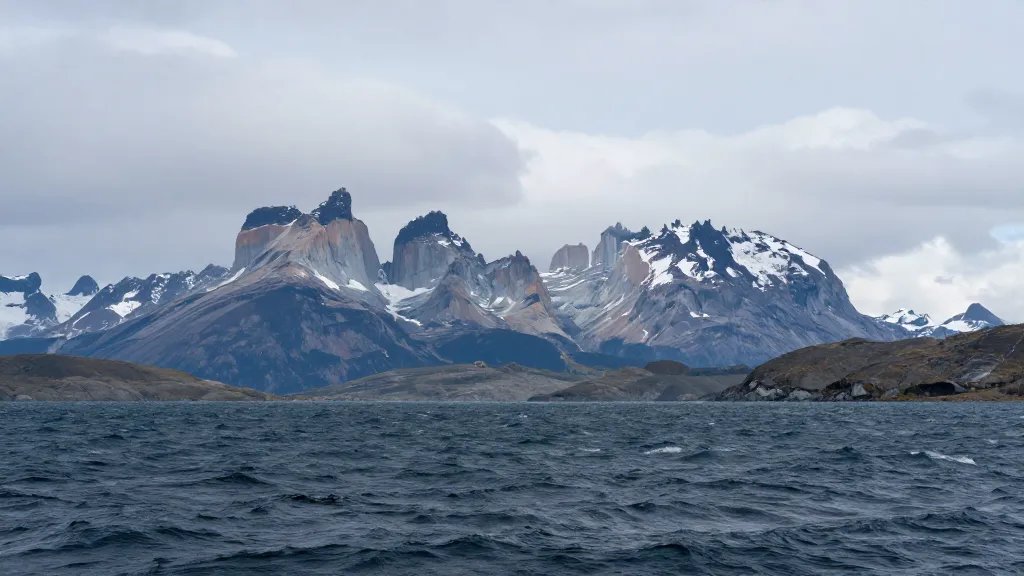
1. Torres del Paine’s granite towers: Patagonia’s granite heartbeat
If mountains could roar, these towers would roar. The jagged peaks rise like sentinels above turquoise lakes and wind that feels personal. Hiking here isn’t a casual Sunday stroll; it’s a cardio workout with a side of awe.
- Best time to look small in front of big granite: shoulder seasons to avoid the crowds.
- Must-do routes: W and O circuits for dramatic landscapes and wildlife sightings.
- Pro tip: bring layers and a windbreaker because Patagonian weather is basically mood swings personified.
Patagonian weather reality check
Wind chills are real, and sunburns are sneaky. Pack a warm hat, gloves, and sunblock. The wind can flip a hike from “nice stroll” to “hold onto your hat.” Stay flexible with plans — the weather loves to remix itineraries at a moment’s notice.
2. Zion’s narrows: walk the river between towering walls
Stride through narrow channels carved by a mighty river, with sandstone walls rising like ancient guardians. Water at ankle to knee depth, this one makes you feel like a pioneer who forgot their map but remembered their sense of adventure.
- What to bring: water shoes, a dry bag, and a waterproof layer in case the canyon decides to sprinkle.
- Best season: spring after snowmelt for dramatic waterfalls, or fall for cooler temps and less crowd noise.
- Risk factor: flash floods exist. Watch the weather and don’t be a hero during sudden storms.
Technique for slipping through the slot
Keep three points of contact, move deliberately, and let the canyon do the talking. If you get claustrophobic, take a breather and remember: the light at the end of the slot is totally worth it.
3. The Laugavegur trek: Iceland’s otherworldly backpacker’s highway
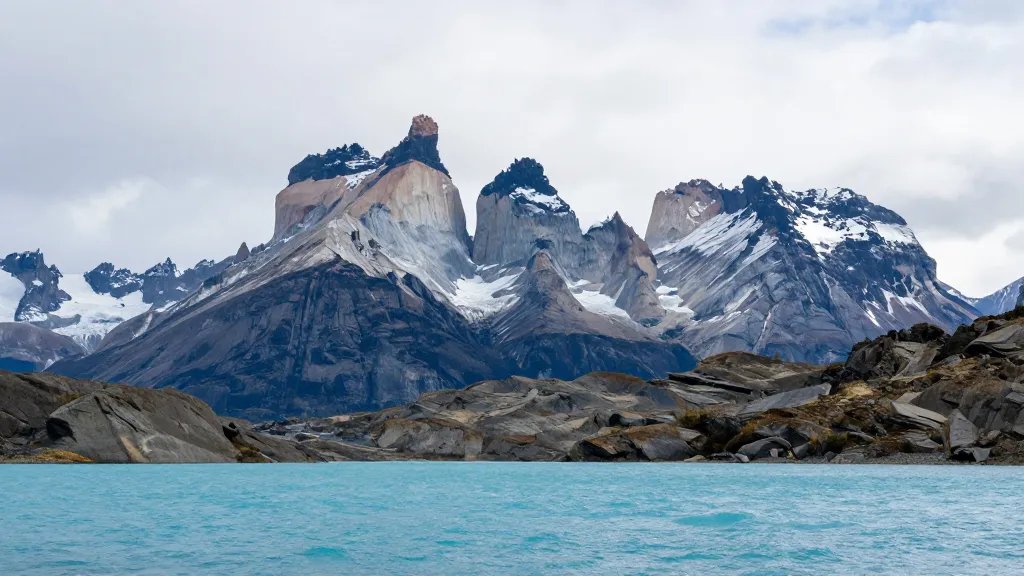
Colorful rhyolite mountains, geothermal steam, and lava fields make Iceland feel like a planet you forgot to visit on your last vacation. The trail crosses glaciers, hot springs, and vibrant skies that seem photoshopped but aren’t.
- Distance gauge: roughly 55 kilometers / 34 miles, split over 4 days if you’re sane.
- Gear must-haves: sturdy boots, windproof/waterproof shell, and a tent that can stand up to the wind—seriously.
- Local wisdom: be prepared for weather that changes its mind hourly. Bring a sense of humor for the wind’s taste-testing session.
Hot springs to keep in mind
If you’re lucky, you’ll hit a geothermal pool at the end of the day. Immersion in warm mineral water after a chilly hike feels like nature’s spa day, except you earned it with your legs and bravery.
4. The Dolomites’ grand network: via ferrata meets pastel skies
This range isn’t just scenery; it’s a playground for climbers and casual hikers alike. Via ferrata routes let you conquer ferries of rock with iron rungs, while the views give you Instagram and then some.
- Best base towns: Cortina d’Ampezzo or Ortisei for a perfect balance of food, culture, and trails.
- Tip for the ferrata: rent a guide if you’re new to exposure. It’s not Hollywood, even if the scenery is dramatic.
- Timing: late spring to early autumn when trails are snow-free and the air smells like pine and espresso.
Eating your way through the mountains
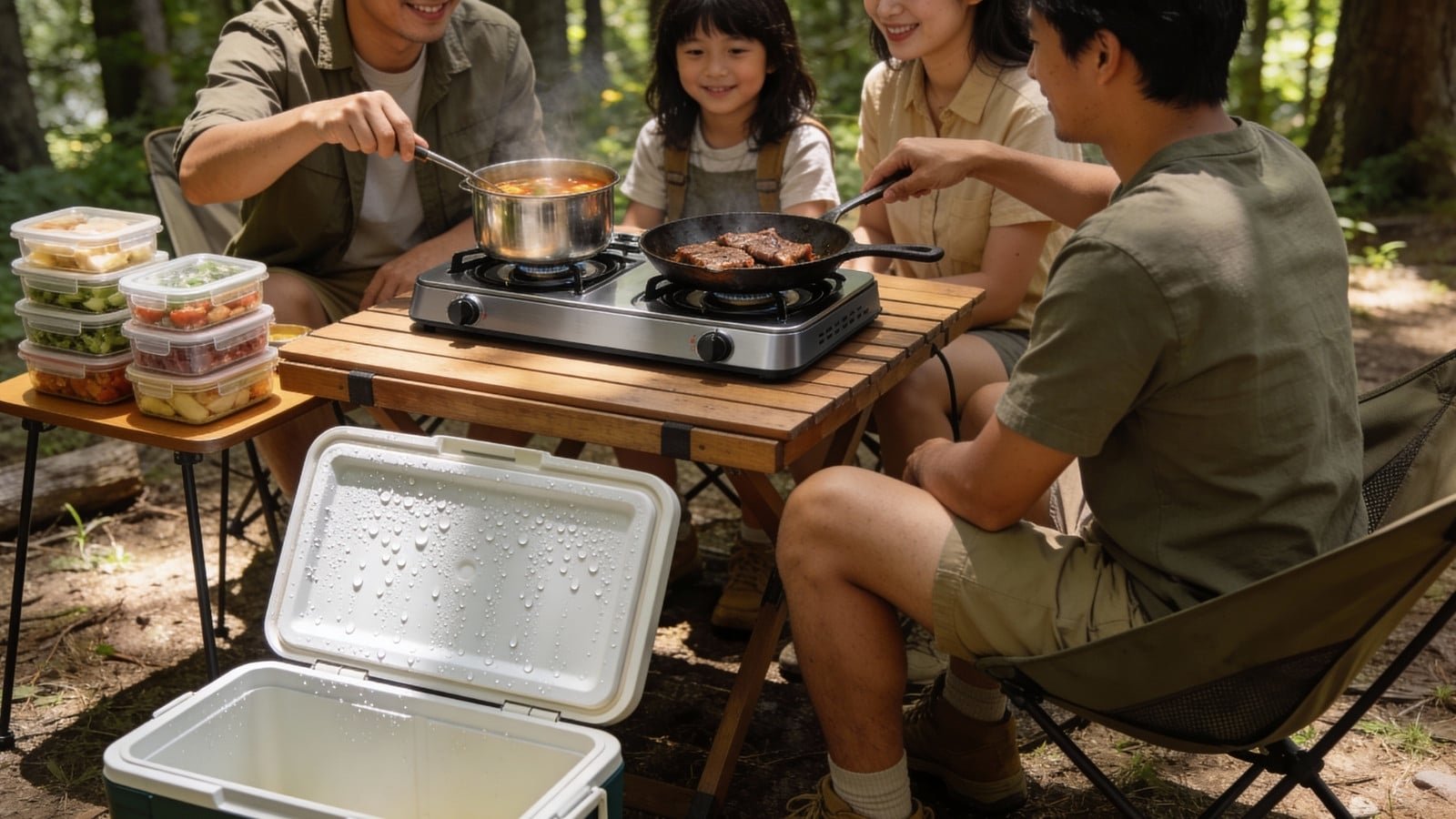
The Dolomites aren’t shy about cheese and sausage, but you’ll also find lighter fare if you’re in a hurry. After a day of exposure points, a bowl of creamy polenta or a sizzling steak will hit the spot and make the hike feel earned.
5. The Grand Canyon’s secret corners: beyond the obvious viewpoints
We all know the South Rim, but the inner canyon and its hidden trails offer a different kind of epic. The desert’s quiet intensity pairs with sunrise colors that look like someone turned the saturation dial to eleven.
- Suggested plan: pair a core rim hike with a backcountry night for starlight that slaps you awake.
- Water discipline: carry enough, but don’t drown in it; canteens + hydration bags are your friend.
- Night sky perk: no light pollution means an astronomy show you can actually follow with the naked eye.
Stargazing and the quiet hours
A clear Canyon night gives you a sense of smallness and awe that’s hard to top. FYI, bring a thermos of something warm and a cozy layer, because oh yeah, the desert gets cold after sunset.
6. The Great Barrier Reef’s gleaming edges: underwater wonders that bite back
Yes, we’re talking underwater, because the reef is a living mosaic of color, life, and reef politics. Snorkel or dive, and you’ll meet coral cities and fish that look like they were painted by neon lightning.
- Safety note: respect marine life; don’t touch corals, and keep a respectful distance from wildlife.
- Gear gear: a good mask, fins that fit, and reef-safe sunscreen. Yes, this type exists.
- Best experiences: drift dives, reef-topboard glassy waterways, and talking to marine rangers about local conservation efforts.
Conservation corner
FYI, your adventures can impact fragile ecosystems. Choose eco-conscious operators, follow guidelines, and leave nothing but footprints (and cool photos).
7. K2’s shadow: Pakistan’s Karakoram wild side
If you crave high-altitude drama and thin air, K2’s neighborhood won’t disappoint. The mountains here demand respect and a solid plan, but the payoff is a sense of accomplishment that feels earned in a big, bold way.
- Planning: acclimatize properly, choose routes that match your experience, and hire a local guide if you’re chasing the big peaks.
- Gear reality: sturdy boots, layered insulation, and accountability to your own safety on exposed sections.
- Humility check: the mountains don’t care about your Instagram; they care about your respect and preparation.
8. The Yukon’s endless daylight and cold fire
Tundra, wolves, and glaciers paint a picture of wilderness that feels ancient and humbling. The Yukon isn’t just a place; it’s a state of being that says, “Keep up or turn around.”
- Best time: late spring into summer for longer hiking windows and wildlife viewing.
- Survival kit musts: bear spray, stove, tinder, and a solid plan to store food away from wildlife.
- Wildlife etiquette: give moose space, don’t approach grizzly families, and never feed the animals.
Midnight sun or long nights?
Depending on when you go, you’ll either chase daylight or chase stars. Either way, pack a light, warm sleeping system and a sense of humor for the unpredictability.
9. The Andes’ celestial salt flats: surreal Friday-night-sky vibes
Salt flats that gleam under a sky so wide you feel like you could Africa-minute meditate on it. The reflections are so sharp they’ll trick your brain into thinking you’ve walked into a dream.
- Best months: during the dry season when sky and salt surface glow in unison.
- Camera trick: bring a polarizer to tame glare and capture the horizon’s endless line.
- Altitude caution: altitude can bite; hydrate early and go slow to avoid headaches.
Photographer’s trap and how to dodge it
Let your eyes lead the shot, not the hype. The best images happen when you pause, breathe, and let the scene unfold without a forced pose.
10. The Everglades’ slow-motion wilderness
Mangroves, birds, and a river that moves at its own pace. The Everglades feel like a swampy ballet, where each breath of wind tells a tiny story.
- Best approach: airboat or canoe, depending on how close you want to feel the action.
- Wildlife watch: alligators are not interested in your selfie game; keep a safe distance.
- Season tip: winter and spring offer drier trails and more wildlife visibility.
Navigating the greens and in-betweens
The key is to stay on established channels and respect the fragile ecosystems. Do a little reading before you go, because the Everglades are sensitive and incredibly cool.
FAQ
What gear is essential for most of these wilderness adventures?
In general, you want quality layers, a durable shell, sturdy footwear, a hydration system, and a compact first-aid kit. Don’t skimp on a good map or GPS backup, and carry a headlamp with extra batteries.
How do I stay safe while chasing remote wilderness experiences?
Plan with local guides or park rangers when possible. Check weather and terrain conditions daily, tell someone your itinerary, and carry a basic emergency kit. Trust your instincts — if something feels off, backtrack or change plans.
Is it better to go solo or with a group?
Both have perks. Solo trips teach you self-reliance, but a group offers safety, shared gear, and epic stories. If you go solo, share your route and check in regularly. If you go with friends, establish a rough plan and check-in times so everyone stays on the same page.
How should I handle crowding at popular spots?
Go for shoulder seasons, early mornings, or late afternoons. Learn the backcountry alternatives and enjoy the quieter faces of these places. FYI, the quiet corners are often the most rewarding.
How can I travel sustainably on wilderness trips?
Pack out all trash, use reusable bottles, and stay on established trails. Support eco-conscious operators and opt for low-impact activities. Small choices accumulate into big environmental wins.
Conclusion
Adventure isn’t about conquering every peak or ticking off a list; it’s about the moments that remind you you’re alive out there. The 10 wilderness wonders above aren’t just destinations — they’re invitations to push your boundaries, breathe hard, and laugh at your own fatigue. So pick a path, grab a buddy or two, and let the wild do its thing. IMO, the best stories begin where the map ends, and your next great tale is just a trailhead away.