


CampEquipmentPlus relies on reader support. Purchases made via links on our website may earn us an affiliate commission at no extra cost to you, helping keep the site running.
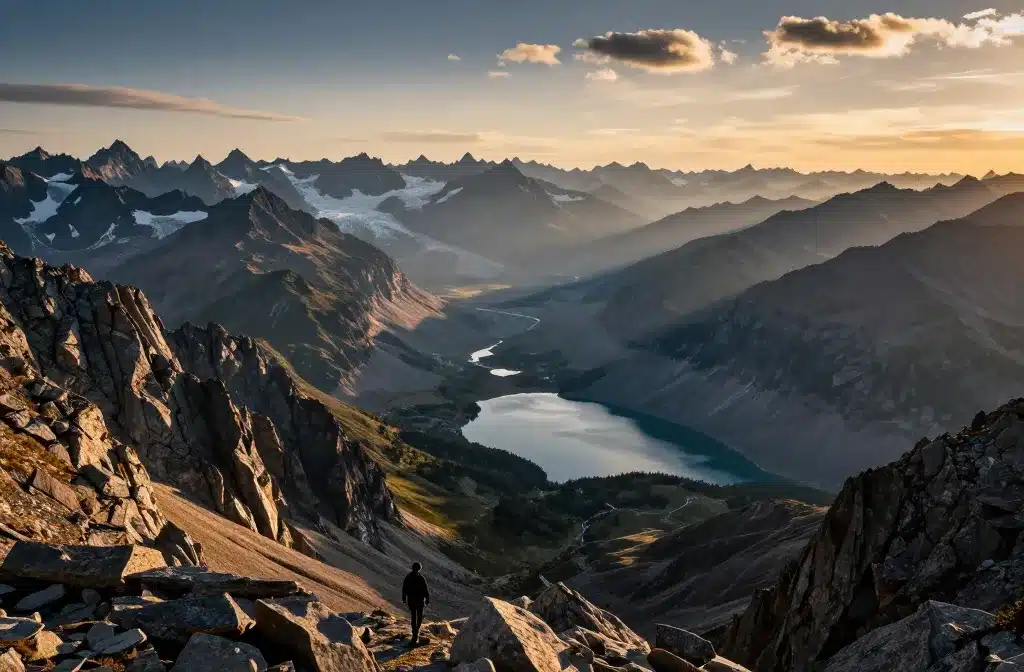
The mountains are calling, and you’re about to answer with a big grin and a sturdy pair of boots. These 10 spots aren’t just pretty faces; they serve up landscapes that feel almost otherworldly without needing a passport stamp. Ready to stack up memories, not miles? Let’s dive in.
1) Torres del Paine, Patagonia, Chile
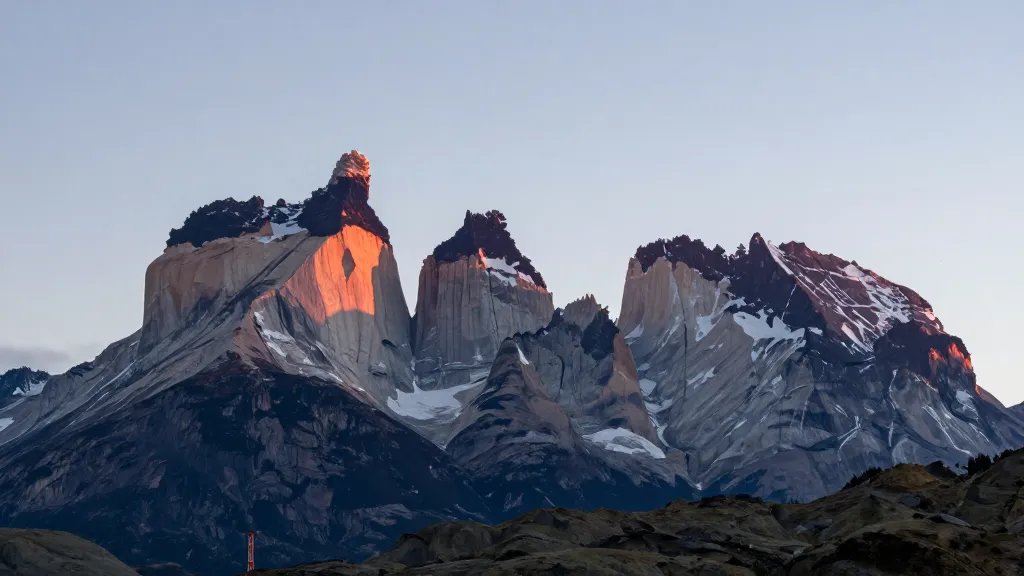
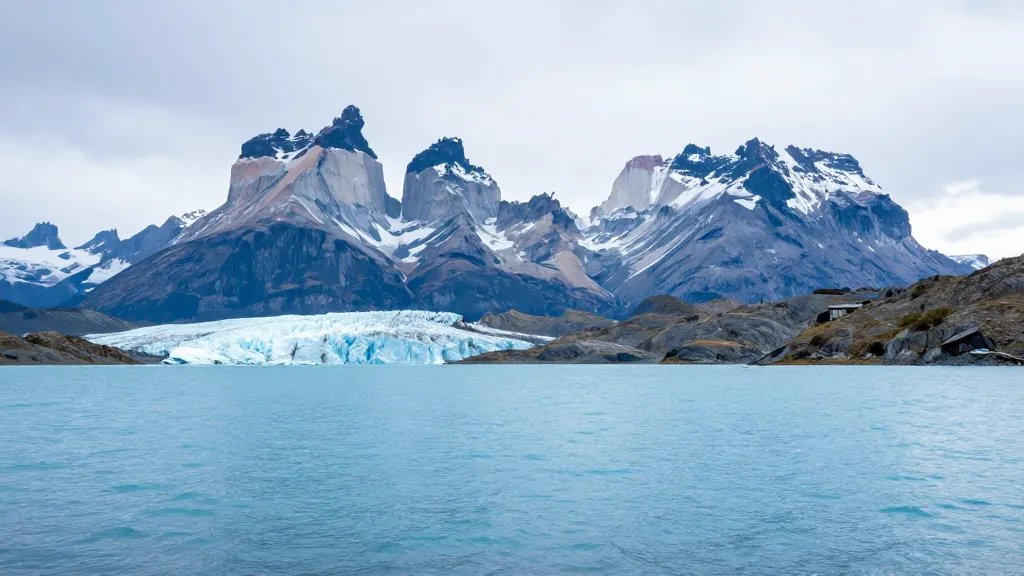
A roller coaster of granite towers, glacial lakes, and wind that could win awards. If you crave vistas that look Photoshopped but are 100% real, this is your playground. The classics—Base of the Towers, the W Trek, and Grey Glacier—deliver jaw-dropping panoramas at every turn.
– Pro tip: start early to beat the crowds and the weather gods. FYI, the wind is not shy here; layer up and embrace the dramatic vibes.
– Best season: late spring to early autumn in the Southern Hemisphere (roughly November to March).
2) The Dolomites, Italy
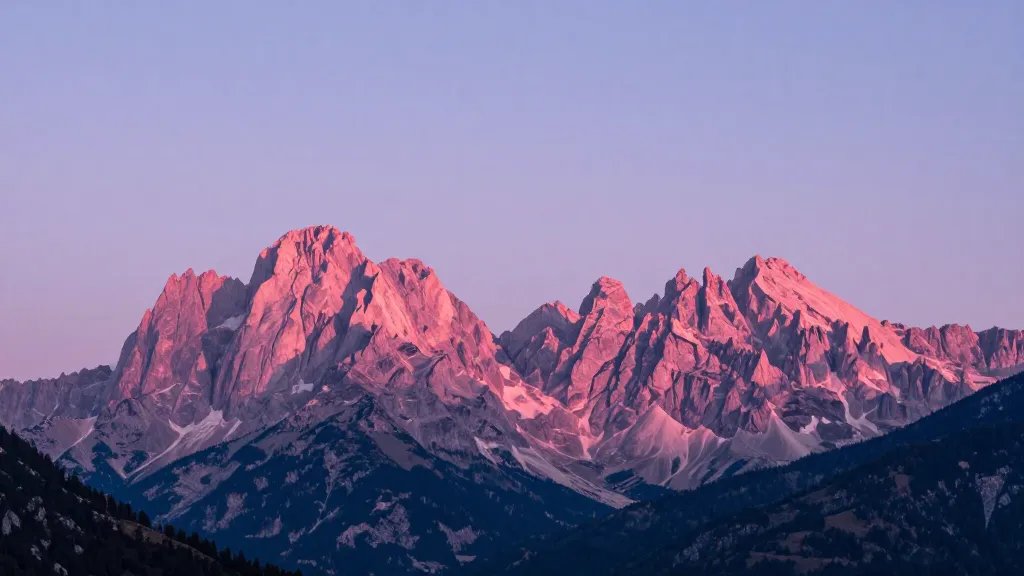
Italy’s limestone miracles rise like they’re auditioning for a postcard. The jagged peaks glow pink at dawn, and the soil beneath your feet feels almost ceremonial—plus there are rifugi (mountain huts) that feed you better than most city restaurants.
– Hike picks: Seceda ridgeline, Tre Cime di Lavaredo, and the Cinque Torri area for a mix of epic views and cool rock formations.
– Subsection: Food and huts
– Many huts serve hearty stews and local polenta, perfect for post-hike cooldowns.
– Reserve huts for comfort, especially in peak season.
3) Zion’s Angels Landing, Utah, USA
If you want a view that literally makes your heart skip a beat, Angels Landing is your stage. The spine-like trail hugs cliff edges, and the valley unfurls way below like a map you can’t stop scrolling.
– What you’ll feel: “I’m both terrified and totally pumped.”
– Safety note: use the chains sections and keep a steady pace. Don’t sprint past folks—enjoy the moment without drama.
– Best time: spring and fall offer smoother weather; summer brings crowds that could test your patience.
4) Mount Fuji, Japan
A perfectly symmetrical silhouette looming over Tokyo with a sunrise ritual that’s almost ceremonial. Hiking Fuji is less about conquering a peak and more about catching a mood—sunrise prayers, mist, and a sense of quiet awe.
– Route options: Yoshida Trail is the most popular, but Subashiri and Gotemba trails offer quieter vibes.
– Sunrise strategy: start the climb in the small hours, reach the summit as the sky starts to glow, and grab coffee that tastes like victory.
– Cultural note: bring your own snacks; the summit shops are cute but pricey.
5) Banff National Park, Canada
Canada’s postcard headquarters, where turquoise lakes, pine-scented air, and granite mountains collide in a symphony of scenery. The area around Moraine Lake and Lake Louise is iconic, but don’t skip lesser-known trails for a more intimate stoke.
– Trail ideas: Moraine Lake Rockpile, Lake Louise to Plain of Six Glaciers, and the Consolation Lakes for a calmer rhythm.
– Pro tip: wildlife is real here, so keep a respectful distance and carry bear spray where required by the park.
6) Sagarmatha National Park, Nepal (Everest region)
If you want to put your lungs to the test and still come away with a skyline that looks like a postcard from the gods, this is the move. The Himalayas have a way of humbling you while also making you feel incredibly alive.
– Classic routes: Everest Base Camp trek or the Gokyo Lakes for quieter alpine lakes and jaw-dropping ridges.
– Altitude reality check: hydrate, acclimatize, and listen to your body. No shame in taking extra rest days.
– Culture shoutout: Sherpa hospitality makes every day feel like a win.
7) Patagonia’s Fitz Roy Range, Argentina
If you want rugged granite, blue-tinged lakes, and a trail that makes you feel like you’ve stepped into a dramatic blockbuster, this is your zone. The beauty here isn’t about one perfect shot; it’s about the entire day’s punch.
– Ride-along trails: Laguna de los Tres and Loma del Pliegue Tiedra offer sweeping views that deserve a standing ovation.
– Timing: shoulder seasons reduce crowds and keep weather in your favor.
8) Mount Kilimanjaro, Tanzania
Africa’s highest peak isn’t a rock-climbing feat as much as a careful, scenic, slow-and-steady pilgrimage. The landscapes morph from rain forest to alpine desert, and the sunsets are straight-up legendary.
– Route pick: Rongai, Machame, and Marangu each offer different vibes. Machame tends to be the most scenic but also the busiest.
– Key tip: acclimatization days aren’t optional; they’re your best friend for avoiding altitude sickness.
9) Lofoten Islands, Norway
Think of rugged coastlines, dramatic peaks, and midnight sun or northern lights depending on when you visit. The landscapes here feel almost otherworldly, with the sea echoing around every bend.
– Highlights: Reinebringen for a killer panorama; Kvalvika Beach for dramatic beach-and-cliff aesthetics.
– Season note: summer for hiking comfort and light; winter for a snow-dusted, otherworldly mood (prepare for cold and shorter days).
10) Mount Rainier, Washington, USA
Rainier isn’t just a mountain; it’s a weather system wearing a glacier crown. The views from Sunrise and Paradise are iconic, but the whole park is a masterclass in dramatic scenery.
– Trails to try: Skyline Trail for above-tree-line scenery; Alta Vista for a more relaxed day with killer panoramas.
– Be prepared: weather changes faster than a pop song on Spotify. Layering and a solid plan keep you in the good books with the mountain.
FAQ
What should I pack for a mountainous hike?
Pack smart: a sturdy backpack, weather-appropriate layers, a waterproof shell, sturdy hiking boots, a map or GPS, a headlamp, plenty of water, high-energy snacks, and a small first-aid kit. Sun protection and a lightweight insulated layer can save your day if temps drop.
Are these hikes beginner-friendly?
Some are friendly for beginners with short, scenic day hikes, while others demand solid conditioning and acclimatization. Do your homework on each route’s difficulty, altitude, and season. If you’re new to this, pick easier trails first and build up.
How can I stay safe in remote mountains?
Tell someone your plan, go with a buddy, stay on marked paths, check weather forecasts, and know your exit routes. Carry a basic emergency kit and a whistle. If you’re unsure, hire a local guide—they’re worth every penny.
When is the best time to visit these spots?
Seasonality varies. Patagonia wakes up in late spring to early autumn; Dolomites shine in summer and early fall; Zion is best in spring and fall to dodge the heat. Always check local weather windows and trail conditions before you go.
Do I need special permits for these hikes?
Many popular trails don’t require a permit for day use, but some regions (like parts of Patagonia or Everest Base Camp routes) might. Check the official park or reserve websites, and factor permit costs into your trip budget if needed.
Conclusion
So there you have it: a dozen-worthy mountain landscapes that somehow still feel fresh the moment you step into them. Each spot offers its own flavor of awe, whether it’s the dramatic granite, the serene turquoise lakes, or the soul-stirring silence at altitude. FYI, you don’t need to check every box on this list in one go—pick a couple that fit your vibe and go crush them. The mountains won’t judge your pace; they’ll just reward your curiosity with views you’ll retell for years. Ready to lace up and chase the horizon? Your next epic hike is waiting.