
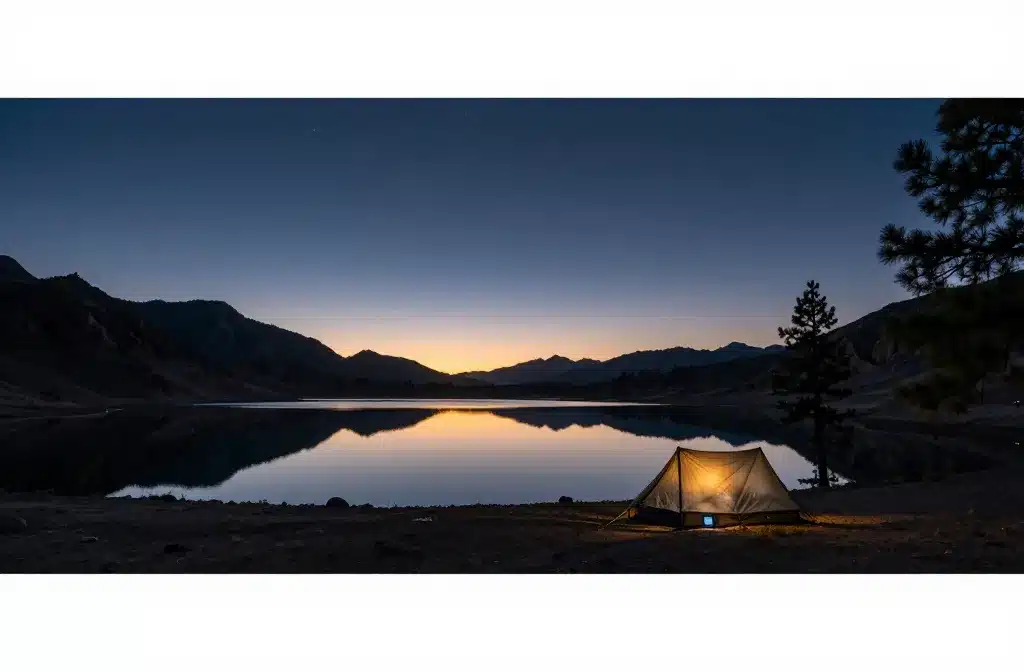
I’m not about to sugarcoat it: off-grid camping is not a vacation from reality. It’s a reset button pressed in the wild, a little messy and a lot freeing. If you want to chase stars, bubbles in a stream, and the kind of silence that gets loud, you’re in the right zone. Here are 9 wilderness wonders perfect for off-grid trips that won’t vanish when your phone dies.
1) The Quiet Corners of Secluded Lakes
There’s something magical about a lake that doesn’t share a shoreline with a dozen other campers. You pitch your tarp, drop a line, and suddenly the world narrows to the angle of light on black water. FYI, these spots reward patience: you might hike a bit, you might paddle a bit, but you’ll earn that mirror-smooth morning.
Why it rocks for off-grid: little crowd, big payoff. No outlets, just reflections and possibly a moose.
Pro tips:
- Set up elevation-friendly tents to hear the water without it waking you at 4 a.m.
- Pack a lightweight solar charger for a tiny slice of modern life, if you want it.
- Leave-no-trace hard stops misers: what you take out, you replace with calm.
2) Desert Night Skies with a Side of Silence
Deserts aren’t just sand and heat; they’re giant night-light shows. When the sun goes down, the sky explodes with stars, and every tiny breeze feels like a whispered secret. You’ll learn a lot about your breath and your frost line once temps drop.
What makes a desert work for off-grid packs
- Sun protection by day, so you don’t become a walking mirage.
- Insulated layers for the dramatic temperature swing after sundown.
- Low humidity means your maps won’t fog—great for navigation and mood.
3) Alpine Boutiques: High-Country Meadows
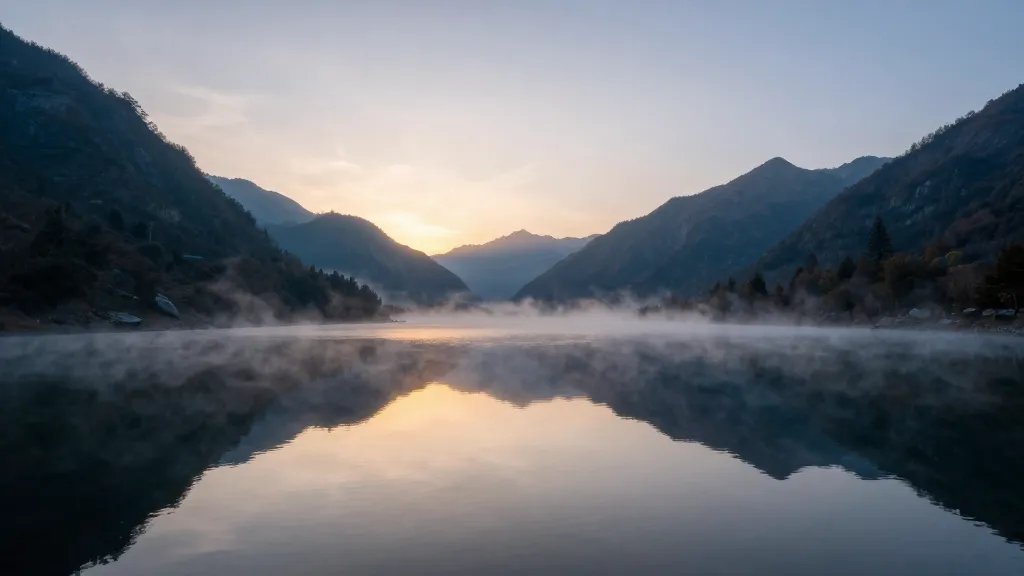
Alpine meadows deliver “wow” without the overly dramatic risk. Think wildflowers, sudden thunderstorms, and fresh, pine-scented air you can actually taste. You’ll likely earn your hot tea by a small, dependable river and have the kind of sunrise that makes you forget your phone existed.
How to handle altitude without turning camping into a cardio workout
- Take it slow for the first 24 hours; altitude sickness is a party crasher you don’t want.
- Hydration is your best buddy—electrolytes help more than extra coffee.
- Find a sheltered spot with some windbreaks to keep your tent from turning into a sail.
4) Old-Growth Forest Trails: Immersive Canopy Retreats
If you crave a hug from trees and humidity that smells like life, old-growth forests offer that moody, mossy vibe. Sunshine filters through, birds gossip above your head, and you’ll probably step in a patch of soft needles that feels like nature’s carpet.
Packing list for a forest sanctuary
- Durable tarp and a lightweight rain shell (the forest loves to surprise you).
- Bug protection that actually works, especially near streams.
- A small drying line—humidity hides damp socks like a pro.
5) Mountain Passes: Where Wind Is Your Alarm Clock
If you want a workout and a view all at once, mountain passes are your jam. The air is crisper, the wind stronger, and you’ll learn to set up shelters that actually stay put in gusts. The payoff? A panorama that makes you forget all the weird little inconveniences we tolerate in daily life.
Launch sequence for a gusty campsite
- Anchor lines well; use solid stakes or rocks if soil won’t hold.
- Keep your shelter low-profile to reduce wind exposure.
- Food storage becomes a ritual—keep bears and raccoons guessing.
6) River Bend Corners: Water, Wild, and Wonder
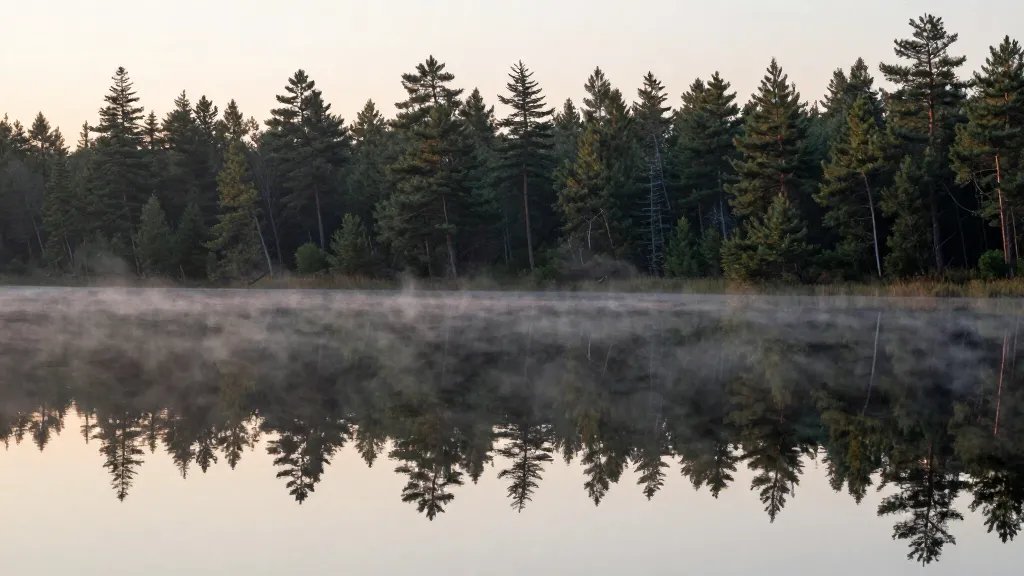
Rivers aren’t just a source of water; they’re a living soundtrack: the splash, the riffle, the occasional splashy fish show. River bend campsites often feel private even when near popular routes because the flow creates natural little dividers.
Safety and practicalities by the water
- Know your flood zones and keep tents uphill from the high-water line.
- Secure cooking gear away from the bank to avoid splish-splash mishaps.
- Life jackets aren’t just for boats—consider one for quick river crossings if you’re wading.
7) Tundra Plateaus: Where Silence Feels Loud
If you’ve ever wanted to listen to your own heartbeat echo against a stark, open expanse, tundra plateaus deliver. The lack of trees isn’t emptiness; it’s space—space for your thoughts, space for your gear, space for you to breathe big.
Dealing with the cold without turning into a burrito
- Layer strategy: base, insulation, shell. Repeat as needed.
- Ground insulation matters—don’t skimp on a solid pad.
- Cover up at night; wind bites when you’re least prepared.
8) Coastal Cliffs and Secluded Coves
Coastlines offer dramatic scenery and a salty breeze that keeps things lively. Secluded coves hide from the world like mischievous sea sprites, and the clifftop views are the kind of thing you tell your future grandkids about.
Coast-specific tricks
- Check tide charts if you’re near the waterline—surprise waves aren’t cute on gear.
- Salt spray is real. Rinse salty gear before stowing it to prevent rust and grime.
- Bring a compact stove that handles windy conditions without tipping over.
9) Prairie Windbreaks: Open Spaces, Close Minds
Prairies are a different kind of wild—endless skies, tall grasses, and the feeling you could disappear into the horizon if you squint just right. Windbreaks made from shrubs or a simple teepee of branches help you sleep when the wind isn’t shy.
Best practices for prairie nights
- Use a low-profile shelter; wind on the plains loves a tall tent.
- Carry a ground cover that protects against sharp grasses.
- Leave a small cairn to help you find your campsite if you wander after dark.
More Deep-Dives: Gear, Safety, and How to Make These Places Yours
If you want a deeper dive into planning, gear, and practicalities, here are quick pointers that keep you confident out there.
Gear that actually pays off
- A compact stove and reliable fuel source—burn time matters when you’re miles from a store.
- A tarp system that doubles as windbreak and rain shield—versatility is your friend.
- All-weather clothing layers plus a compact re-warming setup for chilly nights.
Safety first, always
- Tell someone your route and expected return time. Then actually check in when you can.
- Maps, compass, and a GPS backup—electronics die; knowledge lasts.
- Wildlife awareness isn’t fear-mongering; it’s respect. Keep a clean camp and store food properly.
FAQ
Is off-grid camping dangerous for beginners?
Yes, any sort of remote trip comes with risks. The key is preparation: check weather, practice with essential skills, and never push beyond your comfort zone in a single trip. It’s all about gradual exposure and learning as you go.
What should I pack for a 3-day wilderness trip?
Pack smart: shelter, sleeping system, cooking gear, 3 days of food, 2 liters of water per day (plus a way to purify more), clothing layers for temperature swings, a first-aid kit, navigation tools, headlamp, and a multi-tool. Add a lighter note: bring a book or a small deck of cards for when the stars are too bright to sleep.
How do I deal with wildlife encounters?
Stay calm, don’t run, and back away slowly if you see wildlife. Store food securely and keep a clean camp. If you’re near bears, carry bear spray where legal and know how to use it. Respect the space—they’re just living their lives.
What’s the best season for off-grid camping?
It depends on your vibe. Spring and fall offer mild temps and fewer crowds; summer brings long days and more bugs; winter is for the bold with proper gear.IMO, shoulder seasons hit the sweet spot for many.
How can I minimize my impact on these places?
Follow Leave No Trace principles: pack out everything, stick to trails, minimize campfire impact, respect wildlife, and avoid trampling vegetation. If you wouldn’t buy it in a shop, don’t leave it in the woods.
Conclusion
If you crave a trip that resets your rhythm, these wilderness wonders give you space to breathe, think, and actually listen to the world. Every site has its own character—lake stillness, desert hush, alpine wind, or forest chorus. Off-grid camping isn’t just about roughing it; it’s about gathering stories you’ll tell for years. So pick a spot, throw down a tarp, and let the wilderness be your loudest drum for a night or two. Stay curious, stay prepared, and man, enjoy the stars.
CampEquipmentPlus relies on reader support. Purchases made via links on our website may earn us an affiliate commission at no extra cost to you, helping keep the site running.