


CampEquipmentPlus relies on reader support. Purchases made via links on our website may earn us an affiliate commission at no extra cost to you, helping keep the site running.
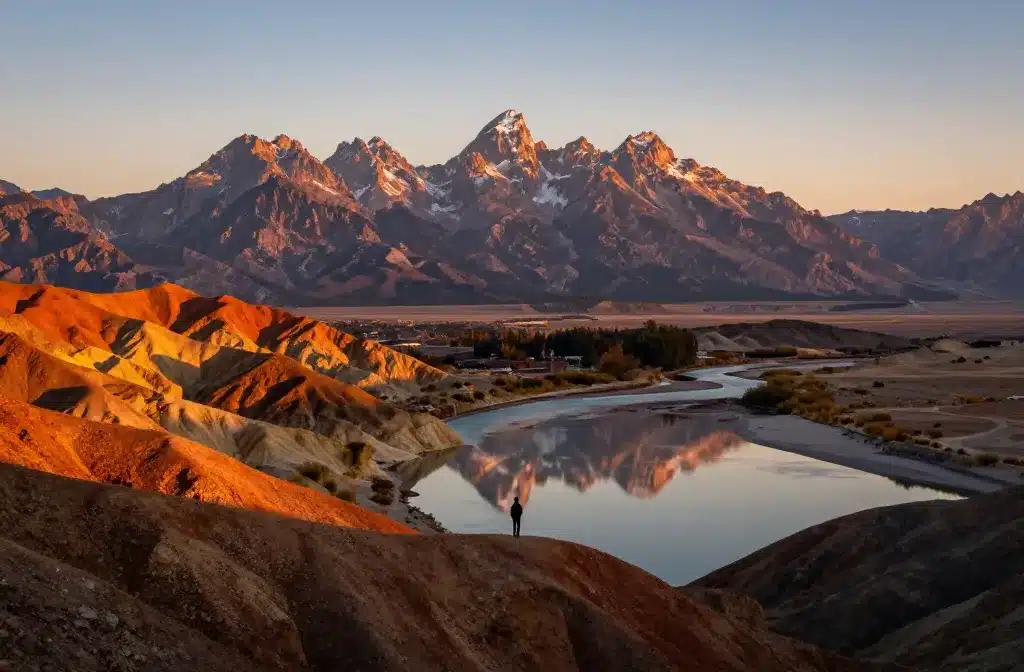
I’ve got a soft spot for landscapes that feel legendary. You know the ones—where you blink and suddenly everything you thought you knew about color and scale gets flipped. Here are 9 National Park aesthetic spots that deliver iconic, postcard-perfect landscapes without needing a time machine to visit.
Desert Dials and Fiery Horizons: Death Valley’s Boldest Skies
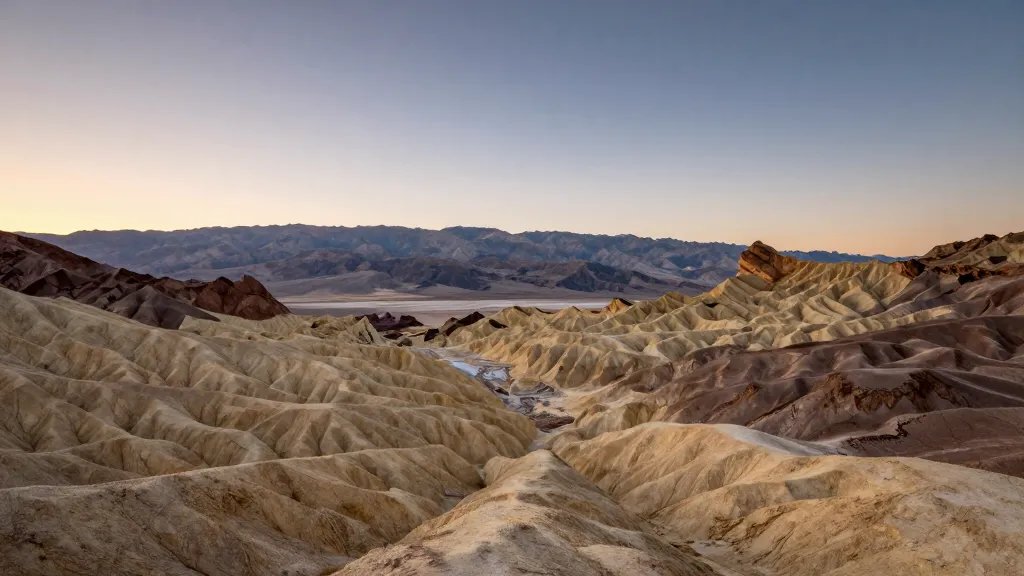
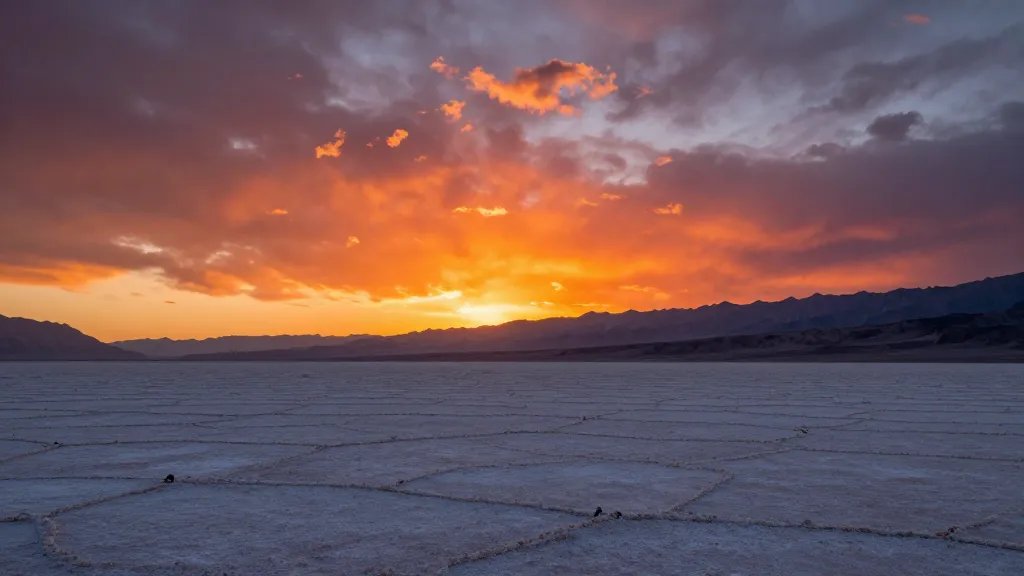
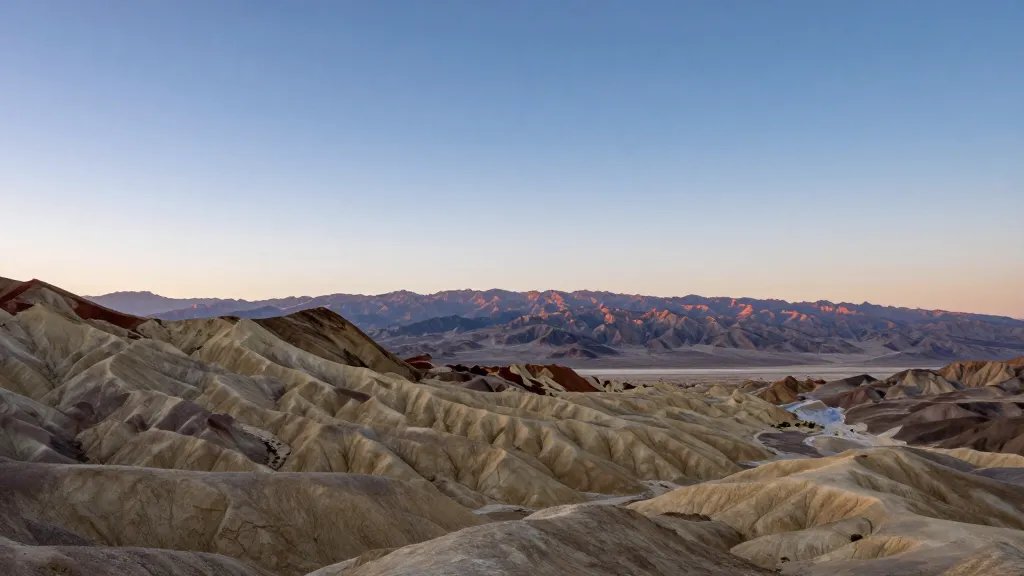
Death Valley isn’t shy about making a statement. The salt flats glow like a wintery river of ice under the sun, and the badlands look like they’ve been sculpted by a mischievous giant. Want drama? Stand at Zabriskie Point at sunrise and watch the light crawl over the badlands until every crevice catches fire.
– Why it feels legendary: the scale is absurd, the colors are relentless, and the air has that dry, honest honest-to-goodness vibe.
– Pro tip: bring a sun hat and a wide lens. The park is big enough to feel alone, even when there are other visitors pretending to be cinematic silhouettes.
Fiordland on the Prairie: The Grand Tetons’ Alpine Majesty
The Grand Tetons aren’t shy about their alpine swagger. Jagged peaks, mirror-still rivers, and wildlife that occasionally photobombs your picnic—this place feels like a postcard with a stick of dynamite in it.
Best viewing spots
– Mormon Row for classic horizon lines and historic barns
– Oxbow Bend for the quintessential mountain reflection
– Schwabacher Landing for a peaceful, droplet-free morning
What makes it iconic
– The reflections are so crisp you’ll swear the mountains learned to grow in reverse
– The glow at dawn turns the spires into giant, liquid knives of light
Coastline Convergence: Olympic National Park’s Emerald Tides
Olympic National Park is a smorgasbord of ecosystems. Rainforest hush, alpine brightness, and coastline drama all in one trail mix. The Hoh Rain Forest alone feels like stepping into a living postcard—trees draped in moss, ferns that seem to whisper, and air so fresh you type slower just to savor it.
– Coastal zones deliver sea stacks that look like art installations borrowed from the sea
– Hoh and Quinault offer lush, evergreen textures that photographers chase all year
Tips for capturing the mood
– Shoot in the soft morning light to avoid harsh shadows through the trees
– Pack a sturdy tripod for those misty, cathedral-like forest scenes
Badlands Ballet: Caprock Cliffs and Prairie Lines (Badlands National Park)
If you like dramatic geology that looks almost theatrical, Badlands is your stage. Erosion-carved spires and layered rock strata create an abstract landscape that feels like it belongs in a sci-fi movie, except you can hike through it in jeans and sneakers.
– The orange-and-rose palette at golden hour is unreal
– The rolling prairie behind the badlands adds a surprisingly gentle contrast to the jagged formations
How to plan a visit
– Start at the Ben Reifel Visitor Center for maps and sanity checks
– HitWeekday mornings for fewer crowds and more sunlit spires
Where the Water Speaks: Yosemite National Park’s Granite Choir
Yosemite is the old friend you’ve known forever—predictable in the best possible way. El Capitan and Half Dome rise like colossal punctuation marks, and waterfalls—everywhere—sound like a chorus of rushing hairdryers. You’ll see the famous views, but you’ll fall for the quieter nodes too: Mist Trail, Valley View, and the serene meadows at sunrise.
– Iconic moments: Glacier Point, Tunnel View, and Yosemite Falls in full thunderous glory
– Reasons to linger: the light changes faster than you expect, and you’ll want to witness it from multiple angles
Hidden gems
– Tenaya Lake for a glassy, reflective surface
– Mirror Lake Trail when the mosquitoes aren’t auditioning for a horror film
Desert Whimsy: Arches National Park’s Red Lacework
Arches is less a park and more a giant, dusty jewelry box. The rock formations—arches, fins, and balanced rocks—turn the desert into a gallery. The scenery begs for a wide-angle lens and a tolerant sense of direction, because the sun travels and so does your shadow, in the best possible way.
– Best-known arches: Delicate Arch at sunset, Landscape Arch during late afternoon light
– The feeling: you stand beneath natural architecture that looks human-made and endlessly Instagrammable (but please resist the urge to live-tweet every second)
Glacier’s Whisper: Glacier National Park’s Ice-Wculpted Panoramas
Glacier is the place where the earth still feels alive and a little chilly in the nicest way possible. If you crave turquoise lakes framed by towering peaks, this is your sanctuary. The Going-to-the-Sun Road is an epic spine through the park, with vistas that demand a slow breath.
– Lake McDonald’s glassy surface reflects the pines and mountains like a nature-themed mirror
– Hidden Lake and Grinnell Glacier offer wildlife and glacier-carved drama in one outing
What to bring for the best visuals
– A telephoto lens for distant wildlife without scaring them
– A polarizer to reduce glare and make those skies pop
Hike, Snap, Repeat: Practical Tips for Capturing Iconic Landscapes
You’ve got the eye; here’s how to translate it into worthy photos and memories without turning a trip into a stress test.
– Time it right: aim for golden hours; the light feels friendlier and the shadows stretch like a good joke
– Stay flexible: weather changes faster than a TikTok trend; have a few alternate views in mind
– Respect the vibe: stay on marked trails, avoid trampling delicate ground, and give wildlife space
– Pack light but ready: a compact tripod, spare batteries, and a lens you consistently enjoy using
FAQ
What’s the easiest park for first-time photographers?
Pine for variety with Yosemite or Olympic. Both offer iconic landmarks and forgiving trails that let you practice composition without chasing perfect light all day.
How do I handle crowds at the most popular spots?
Start early, shoot quick, and leave space for the moment to breathe. If you’re stubborn about the best light, consider less-known viewpoints nearby that still offer jaw-dropping scenery.
What gear should I bring for a multi-location trip?
A versatile zoom lens (24-70mm), a lightweight tripod, extra batteries, and a rain cover. Also pack a microfiber cloth for those camera-clearing moments when wind decides to swap dust with your settings.
Is it better to visit during weekdays or weekends?
Weekdays usually mean thinner crowds, which translates to easier framing and fewer people in your “that moment” shot. FYI, some sunset spots get busy as the golden hour unfolds.
Any budget tips for an iconic-lands trip?
– Camp when possible to save on lodging
– Use national park shuttle routes when offered to minimize car hassles
– Bring snacks and reusable water to stay fueled without chasing lunch runs
Conclusion
If you’re chasing landscapes that feel instantly legendary, these nine spots deliver with zero drama required. Each park offers a unique flavor—desert fire, alpine grandeur, coastal hush, and glacier-blue serenity—that can satisfy both a casual wanderer and a serious photographer. So pick a few you’re drawn to, plan a route, and go chase the light. IMO, you’ll come back with stories, not just photos. And yes, you’ll totally pretend you knew the perfect joke to tell at the viewpoint—because that’s half the fun of chasing iconic landscapes with friends.