

CampEquipmentPlus relies on reader support. Purchases made via links on our website may earn us an affiliate commission at no extra cost to you, helping keep the site running.
The wild isn’t just out there—it’s right here in our lungs, in every breath of pine and salt spray. If you crave landscapes that feel uncivilized in the best possible way, you’re in the right zone. Let’s wander through eight wilderness wonders that stay untouched by big development and tourism hype. Strap in, arms out, let’s go.
1) The Dolomites’ Quiet Spine: Untouched Alpine Vastness
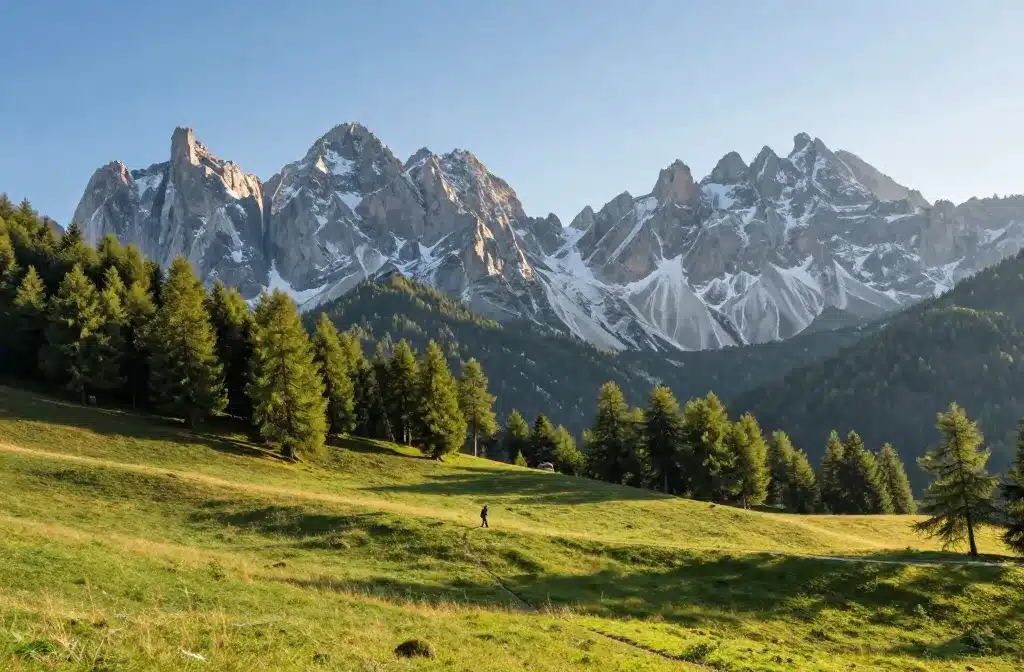
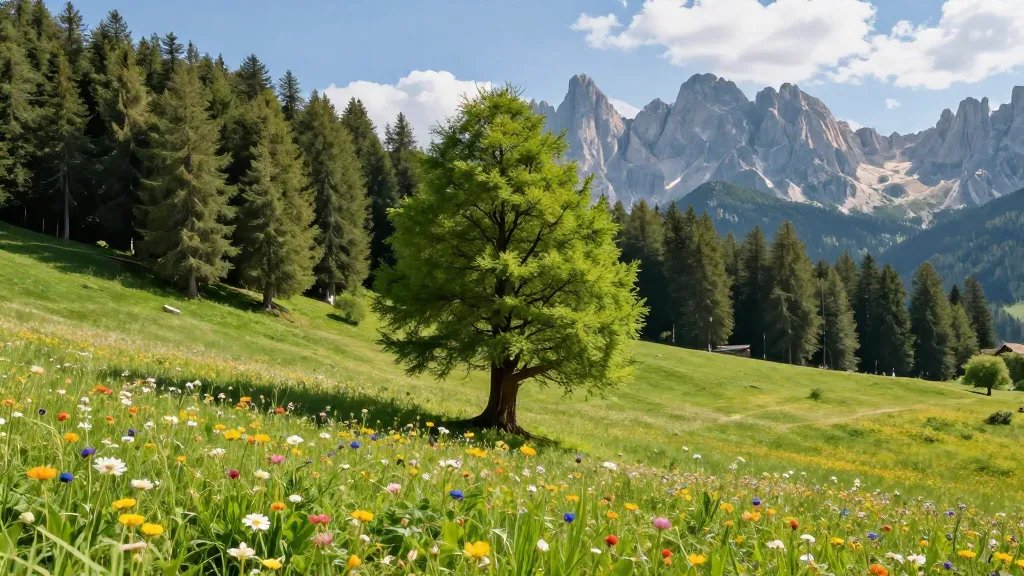
The Dolomites aren’t just dramatic rock monuments; they’re a living postcard of rugged serenity. Snow lingers late in the year, and jagged peaks cut the sky with a precision you can almost hear. Trails weave through larch forests and emerald meadows where cowbells echo like a rustic soundtrack.
– Why it feels untouched: Strict park zoning, low-impact huts, and focused conservation keep crowds modest.
– Best time to go: July through September when wildflowers explode in color and the air smells like pine and sunshine.
Hidden gem hike: Seceda to the Puez-Odle Nature Park
Take a long, lazy ridge walk that somehow makes you feel like you’re on a postcard. Bring a snack, a friend, and a willingness to pretend you’re a mountaineer in a sunlit brochure.
2) Patagonia’s Quiet Frontier: Ice, Wind, and Wide Open Space
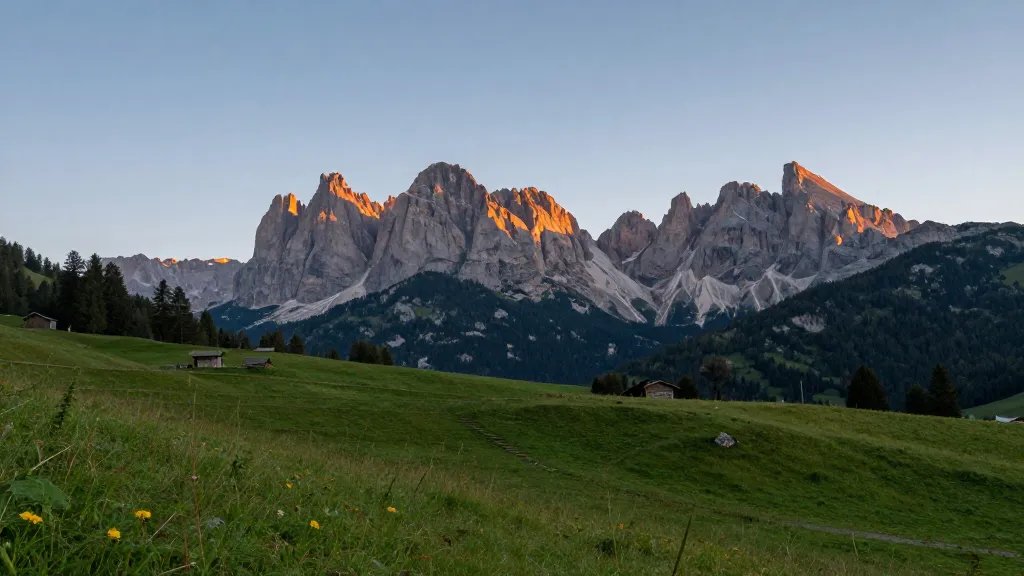
Patagonia feels like the planet’s cool, unfiltered exhale. Icebeds gleam, winds sweep the plains, and you can stand in a landscape that looks perpetually branded “untouched.” It’s dramatic, yes, but also oddly intimate in its emptiness.
– What to expect: Vast, wind-swept scenery; penguins and guanacos if you’re lucky; remote refugios where the stove is their most reliable companion.
– FYI: This is the kind of place where you become comfortable with long drives and longer sunsets.
Tip: travel light, travel slow
Pack fewer, wiser items. You’ll thank yourself when you’re hauling a daypack rather than a suitcase across a windy plateau.
3) The Canadian Shield: A Barren-Breathtaking Ruggedness
Northern Ontario, Manitoba, and parts of Quebec cradle rugged lakes and granite that’s ancient enough to be smug about it. The wilderness here feels like a massive, patient friend who never rushes you.
– The vibe: Lakes that mirror the sky, evergreen forests that whisper, and granite outcrops that look like they were carved by a slow, patient god.
– Best routes: Canoe routes that start calm and end with you shouting “That was amazing, what just happened?” in a good way.
Subsection: Primitive camping etiquette
Leave no trace, yes, but also respect quiet hours. Pack out what you packed in, including thoughts that you should have gone to bed earlier after that sunset.
4) The Kimberley’s Gorges: Water-carved Wonders
Down under, the Kimberley region of Australia offers a red-rock labyrinth where ancient landscapes meet modern awe. Gorges open up with a sigh, and waterfalls tumble in a way that makes you feel like you’ve stepped into a dream-clip you can’t skip.
– Pro move: Combine a boat cruise with a bushwalk to catch both freshwater and wilderness vibes in one day.
– Pro-tip: Dry-season travel means fewer crowds and more chances to shout “wow” without a traceable echo.
Deep dive: Indigenous connections to the land
Respectful tourism means listening first. Local guides share stories that turn scenery into meaning, and FYI your selfies will be cooler after you know the history.
5) The Carpathian Mist: Old Forests, New Discoveries
Stretching across several countries, the Carpathians feel like a warm, mossy blanket wrapped around ancient trees. Fewer crowds, more whispers from old forest paths, and wildlife that feels like it’s posing for a black-and-white photograph.
– Why it’s special: Continuous forest cover, diverse species, and alpine meadows that stay surprisingly quiet even in peak season.
– What to do: Wildlife watching at dawn, mushroom foraging with a seasoned guide, and hiking routes that suit families or solo wanderers.
Seasonal note: mushroom season
Only go with a licensed guide if you’re not fluent in fungi. You’ll avoid dangerous lookalikes and keep the forest happy.
6) The Patagonian Steppe: Wind, Space, Silence
If you want to stand with a horizon that seems to breathe, the Patagonian steppe delivers. Sand, scrub, and sky merge into a palette so wide you’ll feel tiny and thrilled at the same time.
– Why it feels wild: Minimal infrastructure, persistent winds, and a sense that you could walk forever without hitting civilization.
– Best practice: Bring layers, a reliable map, and a strategy for long, empty miles—because silence is loud here.
Subsection: Ethical trekking
Stick to established trails, support local guides, and carry all trash out. Yes, even those snack wrappers you “forgot” you had.
7) The Far North’s Tidal Realms: Arctic Serenity
From Greenland to Svalbard, the far north offers landscapes that seem carved from ice and patience. The light is strange and lovely: long twilights, crisp air, and a quiet that’s almost ceremonial.
– What makes it feel untouched: Limited accessibility keeps the crowds away and the wildlife, like polar bears and seals, relatively unbothered.
– Travel tip: Book a small-ship cruise or a guided expedition—self-driving isn’t the vibe here.
Subsection: Practical packing for polar nights
Bring warm layers, a good camera, and a sense of humor about how many times you’ll adjust your glove choice.
8) The Namib Desert: Dunes That Think in Slow Motion
Sand remembers wind like a diary remembers secrets. The Namib’s red dunes glow at sunrise and sunset, turning the landscape into a living amber moment. It’s not just hot sand; it’s texture, shadow, and space.
– Highlight: Deadvlei’s stark white dead trees against dark clay and bright blue skies.
– What to know: The desert is a place of extremes, so hydrate well, protect your skin, and pace yourself.
Deeper bite: sand etiquette
Walk softly, avoid crushing fragile desert life, and never climb on ancient dune formations just for a better photo. The desert deserves better pictures than that.
FAQ
How can I visit these places responsibly?
Plan with local operators, stick to trails, pack out everything you bring in, and respect wildlife and local cultures. Leave only footprints, and maybe a few good stories.
What’s the best season to visit untouched landscapes?
It varies by region. Generally, shoulder seasons offer fewer crowds and still good weather. Do your homework, check recent trail reports, and be flexible.
How much should I hike each day?
Depends on your stamina and the terrain. Start with 4–6 miles (6–10 km) and adjust based on conditions. Always keep a pocket-sized map and a plan B.
Is it safe to go solo?
Solo can be magical, but it’s safer with a buddy or a guide in remote areas. Tell someone your route, carry a communication device, and know your limits.
What gear matters most for untouched landscapes?
Layered clothing, sturdy boots, a lightweight rain shell, sun protection, a map and compass, a whistle, and a small first-aid kit. Hydration is non-negotiable—water weighs, but dehydration weighs more.
Conclusion
Wilderness wonders aren’t relics of a bygone era; they’re living classrooms where the weather writes the syllabus and you’re invited to show up. Each of these eight landscapes reminds us that beauty thrives when people tread lightly and listening ears stay on. So next time you’re itching for a grand outdoor dose of awe, pick a corner of untouched terrain, and go. IMO, the planet will thank you with a deeper breath and a brighter memory. FYI, you’ll probably need a nap after the sunset. And that’s not a failure—that’s the signal that you’ve truly been present.