
CampEquipmentPlus relies on reader support. Purchases made via links on our website may earn us an affiliate commission at no extra cost to you, helping keep the site running.
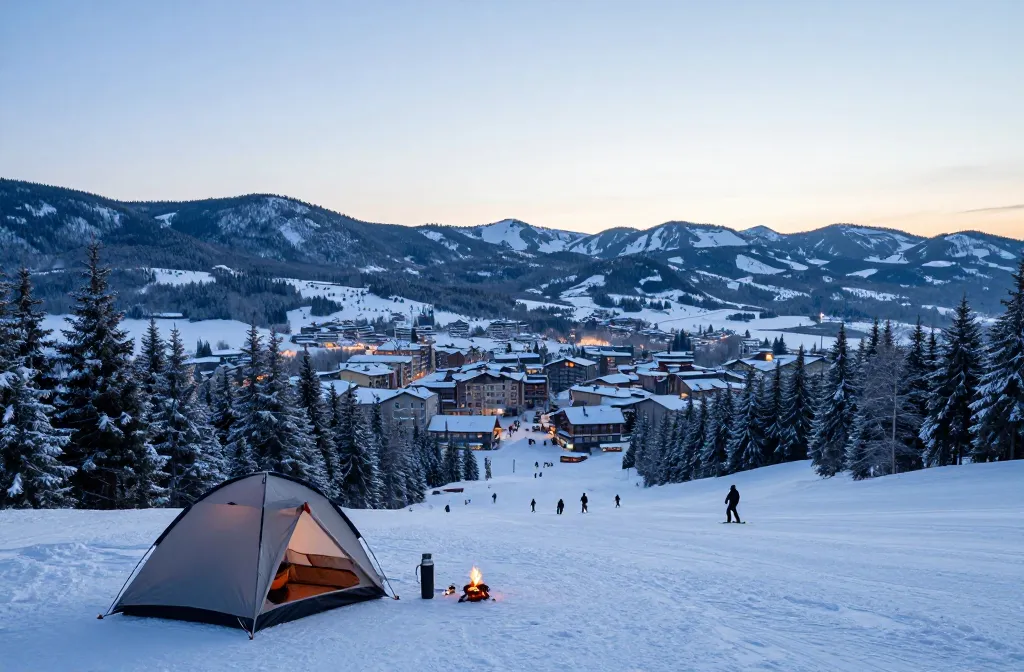
I’m not gonna pretend quitting the slopes for a tent is a bad idea. It’s not. Winter camping near ski towns can feel like earning extra epic miles without riding a chairlift to nowhere. Hot cocoa in a thermos, crackling campfires, and powder still in your pocket? Yes, please.
1) Jackson Hole, Wyoming — Big skies, tiny tents, huge adventures
Jackson Hole isn’t just about legendary runs; it’s about turning a weekend into a winter wild card. The town’s proximity to Grand Teton National Park means your camping options come with jaw-dropping backdrops and seriously crisp air. FYI: you’ll want a four-season tent and a solid sleeping pad—the ground under Wyoming winters is no joke.
– Best quick-drops: Campgrounds around Moran and Gros Ventre offer winter-friendly sites if you’ve got a heater-ready rig.
– Pro tip: Reserve a site with electrical hookups if you’re using a camping heater; cold temps love to sap your battery.
Deeper dive: gear checklist for high-altitude cold
– Sleeping: 4-season tent, high-R-value sleeping pads, rated down sleeping bag (zero or better).
– Fire and warmth: compact stove, fire starters, insulated clothing layers.
– Safety: check avalanche advisories, carry a beacon, shovel, and probe if you’re heading off marked paths.
2) Bend, Oregon — Desert snow vibes with pine forest punch
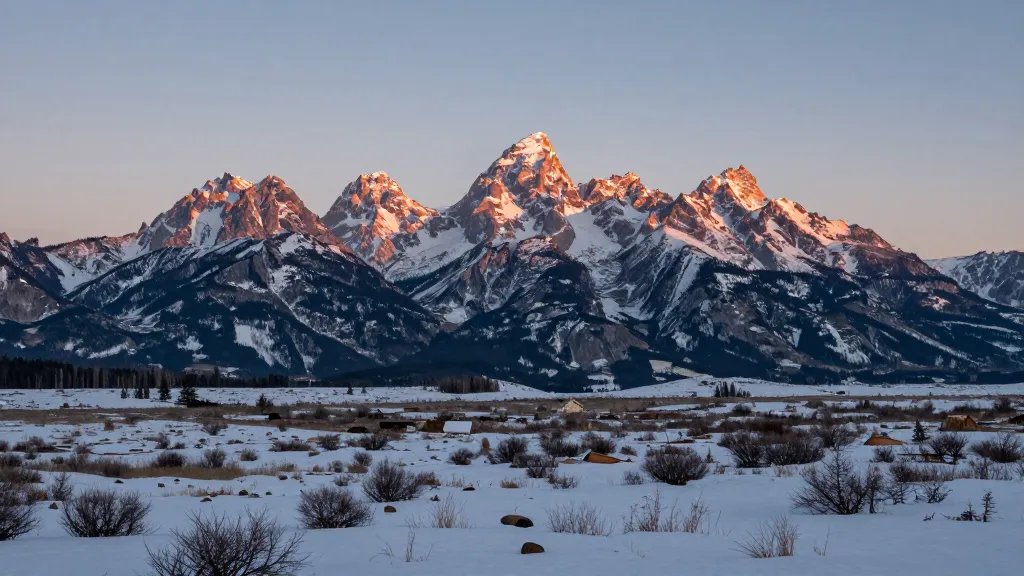
Ok, Bend isn’t just a summer magnet. Winter here turns into a playground for campers who love a little urban mix with their frost. Think hot tubs after a day of skimming through Mt. Bachelor’s powder, and nights spent under a star-sprinkled sky.
– Winter camping sweet spots: Between Sisters and the Cascade foothills, you’ll find forest clearings that feel remote but are still within reach of town.
– Water and warmth: Pack a thermos of something caffeinated; Bend nights can bite.
Subsection: picking the right campsite near Bend
– Look for BLM land or national forest sites that allow winter camping; you’ll dodge the summer crowds.
– Bring enough fuel for a long night; temps drop faster than you’d expect.
3) Lake Tahoe, California/Nevada — Alpine lake vibes plus open sky camping
Tahoe combines the drama of alpine scenery with a friendly vibe. You can wake up to a frozen lake reflecting the mountains like a postcard and still have easy access to town for ramen runs and gear swaps.
– Where to pitch: South Lake Tahoe and Truckee offer winter-friendly campgrounds that stay open with proper sites and snow plowing.
– Practical tip: Reserve early, because cabins fill fast but campsites in winter are gold.
Subsection: staying warm without bands of cold
– Use layering systems: base, mid, outer shell. Pack extra mittens and a balaclava.
– Vehicle life: keep a small shovel and traction aids in the trunk for snow-packed roads.
4) Salt Lake City Area — Big mountains, big options, small crowds
Salt Lake isn’t just a ski town; it’s a gateway to a ton of winter camping possibilities. The Wasatch Range gives you rugged backcountry feels with a surprisingly accessible city vibe.
– Easy road access: You’ll find forest service roads that remain drivable with a decent wheel setup.
– Best for: campers who want a taxicab-to-trench experience—short drives, massive scenery.
Subsection: safety first in the Wasatch
– Check avalanche forecasts daily; plan your routes early.
– Always tell someone where you’re going and your expected return time.
5) Taos, New Mexico — High desert, high drama, cozy campouts
Taos is not your typical snowy fortress. It blends high-desert chill with piney pockets of winter camping, offering a different kind of snowy magic. The town’s heritage, the S-curves of the valley, and clear skies make for excellent stargazing post-soup.
– Where to set up: Forest Service lands around the Rio Grande Gorge provide epic views and manageable access.
– What to bring: a sturdy winter tent, a windbreak, and hot meals to keep spirits up when the wind gets sassy.
Subsection: stargazing and winter evenings
– The dry air makes for brilliant Milky Way visibility; bring a red-light headlamp to preserve night vision.
– Campfire tales are optional but strongly recommended.
6) Whitefish, Montana — Powder hounds and pocket-sized wilderness
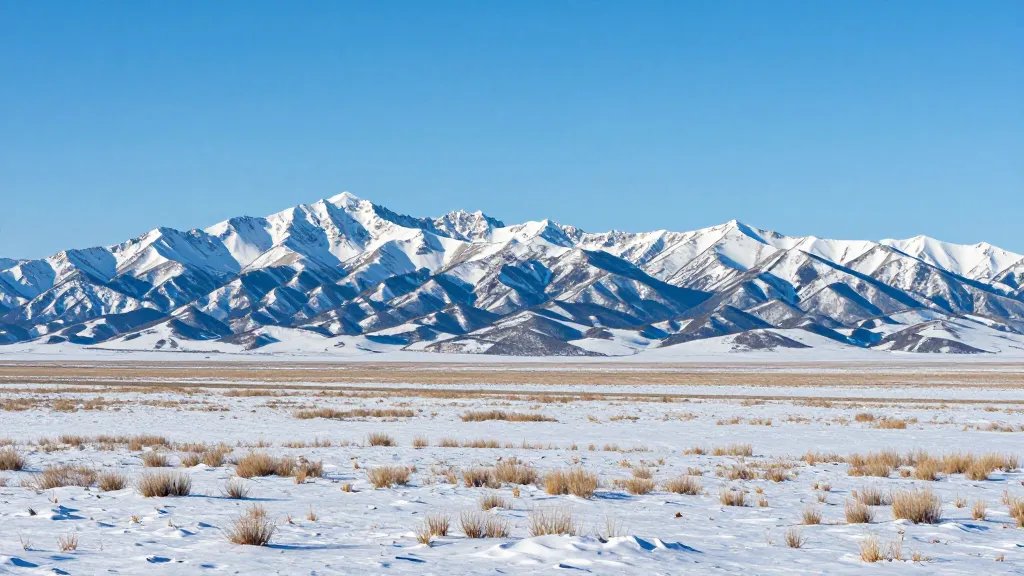
Whitefish is a winter wonderland where you can park your van, pitch a tent, and still be close enough to town for a late-night bite. The atmosphere feels like a cross between a snow globe and a really welcoming ski club.
– Prime spots: Forested clearings near the National Forest lands keep you isolated without sacrificing access to equipment rentals.
– What to expect: cold nights that require a real cozy sleep system and a hot breakfast that tastes like victory.
Subsection: choosing your winter camp setup
– Insulated sleeping system: consider an insulated air mattress or foam pad combo.
– Cooking plan: a durable stove with a windscreen will save you from freezing soup.
7) Aspen, Colorado — Glamour with a tarp and a grin
Aspen’s got that “winter dream” energy, and you can sample it without booking a fancy hotel every night. The town glitters, the mountains deliver, and the camping scene can be sleek or rugged, depending on your mood.
– Campsite pick: Look for nearby national forest sites that stay accessible in winter—they’re quieter and more affordable than the fancy lodges.
– The vibe: you’ll share the trails with serious skiers who know their way around a storm, so bring respect and a sense of humor.
Subsection: when snow blankets your plan
– Have a backup plan for bad weather: a nearby lodge, or at least an extra indoor night’s sleep option.
– Pack a compact shovel and snow stakes for tent stability.
8) Mount Hood Corridor, Oregon — Iconic peaks, fewer crowds in winter
Mount Hood sits like a snowy throne at the edge of the Pacific Northwest, offering camping that feels like a postcard you can drive to. The Hood River area has a surprising number of winter-friendly sites, and the views are everything you’d expect from legend.
– Why it’s special: you get the mountain, the river, and a whole lot of blue winter light on clear days.
– What to do after sunset: warm cocoa, a fire pit, and stories that drift into the pines.
Subsection: packing list that actually fits in a small car
– Sleeping: 4-season tent, cold-rated sleeping bag, and a high-quality insulation layer.
– Power: spare batteries, solar charger, and a car charger for the essentials.
– Comfort: compact camp chair, a small cooking setup, and a thermos with something hot.
FAQ
Is winter camping dangerous near ski towns?
Winter camping carries risks like extreme cold, sudden storms, and changing avalanche conditions. Always check local advisories, carry safety gear such as a beacon, shovel, and probe if you’ll be venturing off-marked trails, and never camp alone if you’re not confident in your route-finding.
What should I pack for a weekend winter camping trip near the mountains?
Pack layered clothing, a high-quality 4-season tent, a cold-rated sleeping bag, insulated sleeping pad, a reliable stove, waterproof boots, gloves, a hat, a headlamp, extra batteries, and enough food and water for the worst-case scenario. Don’t forget a thermos and a way to make portable hot drinks—your future self will thank you.
Are there family-friendly winter camping options?
Yes. Many campgrounds near ski towns offer family-friendly sites with easier access and shorter hikes. Look for sites with flat terrain, nearby restrooms, and shorter trails. Fire pits and communal areas help keep energy high when little ones turn into tiny frost sprites.
How do I stay warm overnight without burning through my budget?
Invest in a good sleeping bag rated for well below expected temps, a high-R-value sleeping pad, and a windproof tent. Layer clothing, keep a warm drink by your side, and consider adding a portable heater designed for camping if your setup supports it. Smart planning beats last-minute shopping every time.
Is it better to camp near a town or go more remote?
Both have pros. Proximity to town means easy access to supplies, showers, and after-dark meals. Remote spots offer serenity, starry nights, and fewer crowds. IMO, mix it up: reserve a few nights in a more accessible site and one or two nights in a quieter pocket to preserve your sanity.
Conclusion
Winter camping near top ski towns isn’t just about chasing powder; it’s about chasing moments: that first bite of a hot breakfast after a frost-bitten night, the way the sunrise paints the peaks, and a campfire that somehow makes even the cold feel friendly. So pick a town, grab your four-season gear, and hit the frozen trail. The mountains aren’t going anywhere, and honestly, they’re happier when you show up with a story to tell. FYI, you’ll probably come back with more stories than photos—both good.