
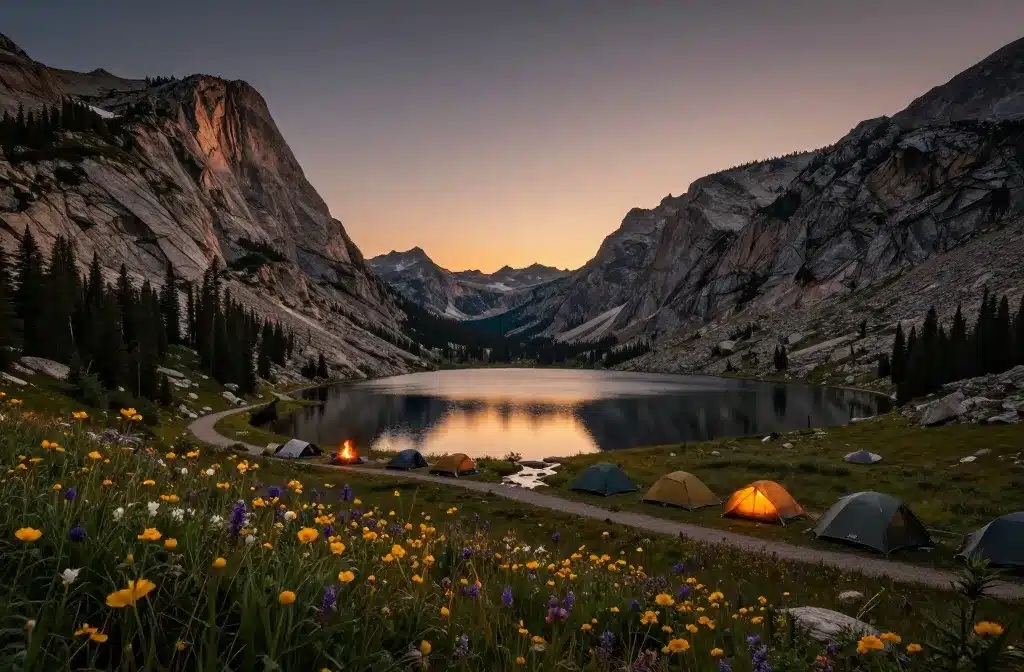
A road map to epic views, campfire stories, and probably too many mosquito bites. Here are 8 mountainous splendor locations every camper should experience, told straight from someone who’s slept under starry skies and learned to tie a knot the hard way. You bring the snacks; I’ll bring the opinions.
1) The Grand Convergence: Sierra Nevada’s Crown Jewels
The Sierra Nevada range is basically a choose-your-own-adventure of jaw-dropping scenery. Yosemite Valley is the marquee, sure, but don’t overlook the lesser-known glories like Tuolumne Meadows and the Ansel Adams Wilderness. The trick? Timed hikes, less crowds, more wildflower selfies.
- Best base camps: Marie Lake, Elizabeth Lake, and Veatch Canyon offer panoramic horizons with fewer people elbowing for photo angles.
- What to bring: a high-sierra map, water purification tabs, a warm layer for just-after-sunset chill.
- Why it’s worth it: those granite walls reflect light like a real-life postcard, and the night sky is a thick blanket of diamonds.
Off-the-beaten-path peek: Lundy Canyon
If you want a taste of dramatic glacier-relief without the crowds, Lundy Canyon gives you waterfalls, old mining relics, and routes that feel grand without needing a full mountaineering resume. FYI, the mosquitoes there can audition for a horror movie, so bring repellent and a plan B.
2) The Canadian Majesty: Banff and the Rockies, Minus the Crowds (Mostly)
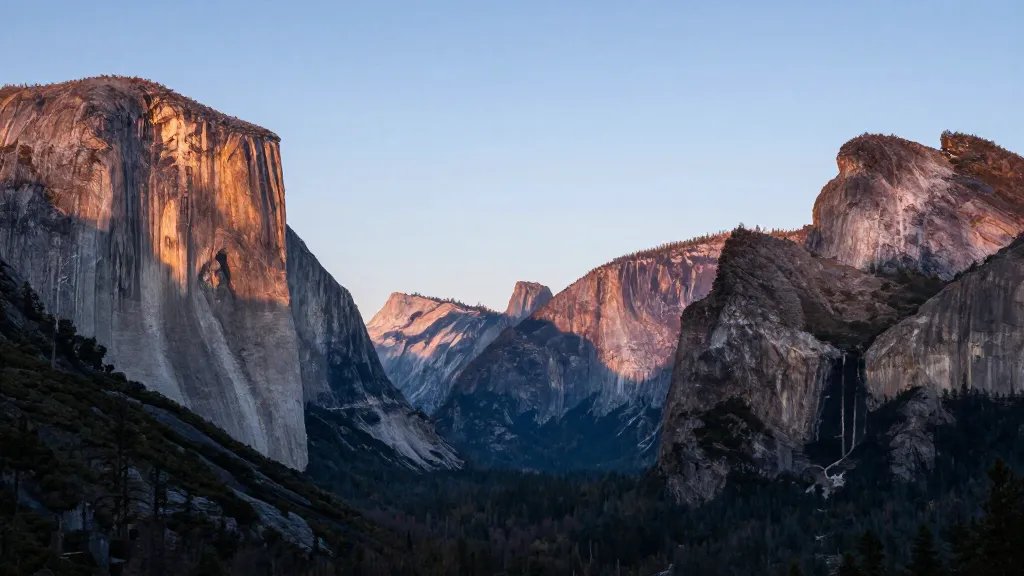
Banff National Park is a magnet for photos, but the real magic lies in the quieter valleys and high-altitude lakes. Think turquoise glacial ponds, pine-scented air, and a sense that you’ve stepped into a postcard that vandalized the laws of physics.
- Must-visit basins: Moraine Lake and Lake Louise are iconic, but check out Icefields Parkway for jaw-dropping pullouts and epic hikes.
- Careful with the crowds: aim for sunrise or shoulder seasons to stay pleasantly surprised, not elbow-to-elbow in a selfie line.
- Gear upgrade: consider microspikes if you’re crossing alpine meadows in spring or fall.
Ride-along tip: Lake Minnewanka sunset stroll
If you want a mellow evening with a killer backdrop, rent a canoe and paddle at golden hour. The mountains lean in, the water mirrors every crag, and you’ll wonder how many years you’ve wasted not doing this sooner.
3) Pacific Northwest Dream: Olympic National Park’s Rugged Charm
Olympic National Park is a weather roulette wheel that somehow always lands on stunning. Temperate rainforests, glacier-capped peaks, and basalt shores—it’s a mashup that works. You can camp near alpine lakes, then hike through mossy giants the next day. It’s like nature’s multivitamin.
- Best starter camps: Campgrounds near Hurricane Ridge for big views, or Elwha for river vibes and restoration history.
- Weather note: expect drizzle and mist that clings to your skin like a friendly cat. Pack a reliable rain shell.
- Wildlife check: keep your distance from any curious elk or mountain goats who decide your tent is their snack bar.
Trail spotlight: Sol Duc Falls to Deer Lake
This loop (or a shorter out-and-back) gives you thunderous falls, old-growth cedars, and a sense of being inside a living cathedral. The mist also makes for killer selfies with a mysterious halo effect.
4) The Andes Accent: Patagonia’s Alpine Showstopper
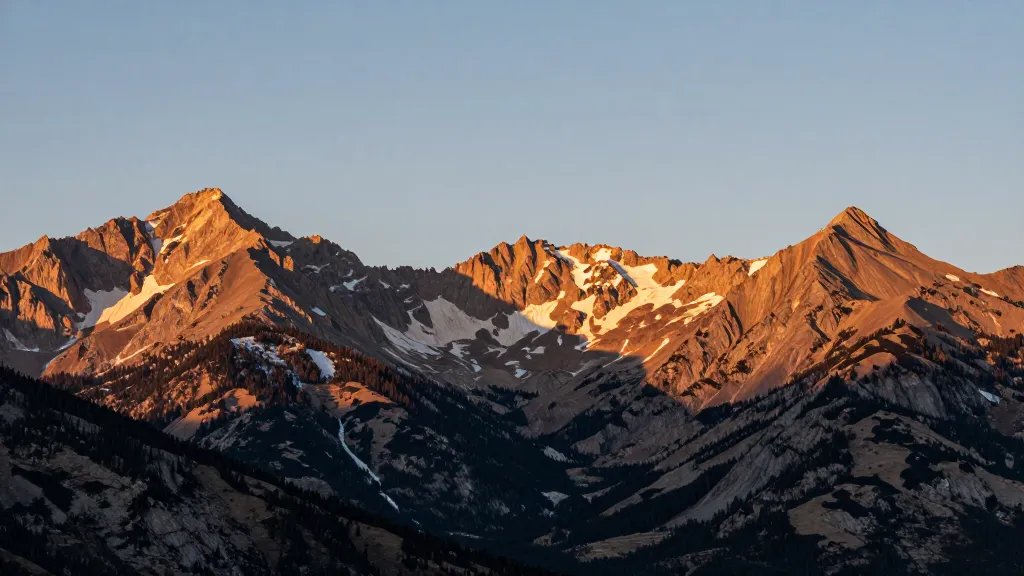
Patagonia isn’t just a place; it’s a mood. If you crave stark, wind-sculpted grandeur, set your compass to Torres del Paine. The granite towers, the patina of wind on every rock, and the sheer scale will make your heart rate rise in a good way.
- Classic routes: W Trek for iconic views, or O Circuit for a longer, self-inflicted-but-worth-it challenge.
- Camping vibe: lightweight backpacking gear is your best friend here—the wind does not care about your comfort level.
- FYI: weather changes faster than a teenager’s mood, so pack layers and a waterproof shell you trust.
Warm-and-fuzzy moment: camping under the Torres
There’s something magical about a tent stream of day’s last light and a chorus of distant condors. It’s the kind of moment that makes you forget you’re snacking on dehydrated chili—okay, maybe that’s just me.
5) Alpine Acoustics: Dolomites’ Vertical Poetry
The Dolomites feel like a rock music festival carved into stone. Jagged spires, pale peaks, and riffling winds create a soundtrack you’ll want to replay in your head for years.
- Base camps to consider: Cortina d’Ampezzo shoulder-season camping, or the high-altitude refugios for a more rustic experience.
- Snack strategy: bring sturdy bread for breakfast or a peppery salami—the kind that makes a sunrise taste better.
- Climbing-lite plan: try a via ferrata if you’re feeling courageous, or stick to well-marked valley trails for a relaxed day.
Side note: the VIA ferrata safety dance
If you go above the treeline, remember: helmets save more than hair. Use a harness properly and clip in every time you pause. It’s not a fashion statement; it’s common sense with a view.
6) The Carpathian Curve: Pieniny and Beyond
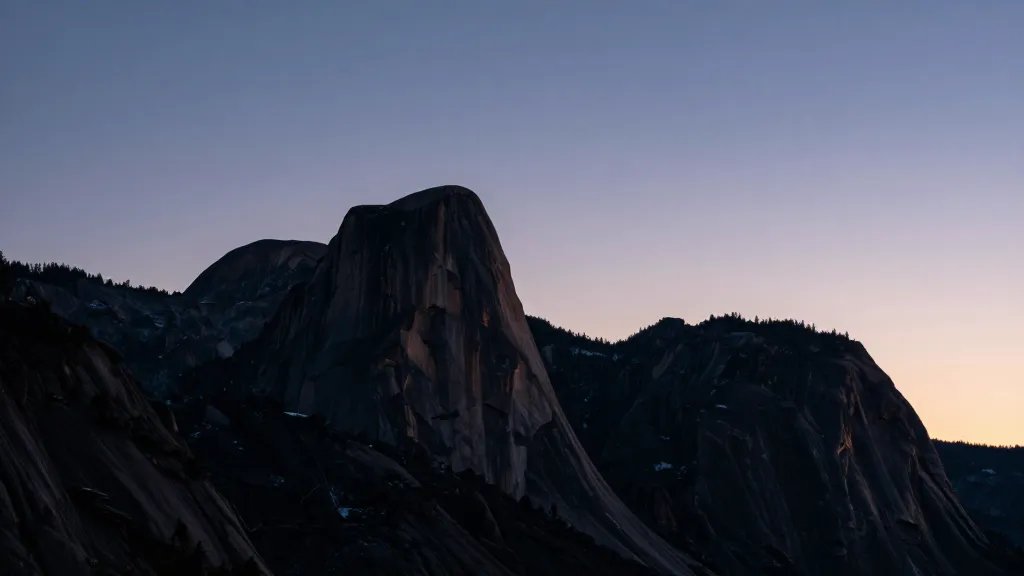
The Carpathians aren’t as famous as their bigger cousins, but they offer dramatic limestone cliffs, wind-swept ridges, and a sense of ancient forest that makes you feel like you’ve stepped into a fairytale without the dragons—yet.
- Best-kept camping secrets: Pieniny National Park gives you dramatic gorges and easy river crossings.
- River day: plan a rafting or gentle paddle along the Dunajec Gorge for a memorable water ballet.
- Budget-friendly honests: wild camping is common in certain zones—just follow local rules and keep it clean.
Hidden gem: the border ridge hike
Hiking along a ridge that splits countries sounds epic, and it totally is. Just don’t get too carried away by the views and forget you’re on a trail that can get windy enough to steal your hat.
7) The Southern Alps: Aoraki/Mount Cook’s Stark Beauty
New Zealand’s Southern Alps deliver a punchy combination of glacial blues, snow-capped grandeur, and hiking trails that feel both legendary and heartbreakingly accessible.
- Top base: Mount Cook Village for easy access to glacier views and starlit skies.
- Hike idea: Hooker Valley Track is a classic for a reason—mind-blowing mountains in a few hours.
- Weather whisper: alpine conditions change in seconds; plan for sun, wind, snow, and sunglasses in a single day.
Night under the specter of mountains
Set up near a reflective lake, then watch the mountains catch the sky as the sun slips away. It’s the kind of quiet that makes you reconsider every noisy thing you’ve ever said.
8) The Smoky Velvet: Jura and the Alps of the Jura Mountains
Okay, this one’s a bit more tucked-away, but it’s worth it if you’re chasing a less crowded, equally dramatic alpine vibe. The Jura region combines rolling ridges, granite towers, and a calmer pace perfect for a laid-back camper.
- Camping style: established campgrounds with easy access to scenic trails, plus plenty of charming villages for croissants and coffee.
- Trail tip: a mix of woodland paths, limestone cliffs, and a few bubble-wrapped viewpoints that feel like a secret club.
- Move fast, camp smart: temps drop after dusk, so layer up and keep a hot drink handy.
Bonus pro move: mix in a bike ride
Turn a day into a loop by adding a bike ride along forest roads. It keeps legs fresh, scenery fresh, and you from turning into a tent-soggy hermit.
FAQ
What should I pack for mountain camping?
Pack smart, not heavy. Essentials include a sturdy tent, cold-weather layers, a reliable sleeping bag, a headlamp, a compact stove, water filtration, a first-aid kit, and a map or GPS. Don’t forget spare batteries and a compact shelter for sudden rain showers. IMO, layers beat bulk every time.
How do I choose which location to visit first?
Think about difficulty, accessibility, and your vibe. If you want dramatic cliffs with easy trails, pick Dolomites or Banff. If you crave dense forests and misty mornings, Olympic National Park is your jam. Consider travel time, seasonal weather, and crowds. Ask yourself: do I want solitude or a social trailhead?
Is it safe to camp in these regions solo?
Solo camping can be magical, but safety matters. Share your plan with someone, check weather, tell someone your route, and carry a whistle and a communication device. Stay aware of wildlife, respect local regulations, and keep your campsite tidy. If you’re new, join a guided group or choose well-established campgrounds first.
How can I minimize environmental impact while camping in these places?
Practice Leave No Trace: pack out what you pack in, stay on established trails, minimize campfire impact, and store food securely. Use reusable gear, collect only what you need, and respect wildlife and other campers. The mountains will thank you with fewer stink-eye stares from the wildlife.
What’s the best time of year to visit most of these locations?
Spring and autumn usually offer the best balance between manageable crowds and good weather. Summer brings the most accessible trails but higher traffic. Winter adds serious beauty at high altitudes, but you’ll need advanced skills and equipment. FYI, check local conditions before you commit.
Conclusion
If you’re chasing both jaw-dropping panoramas and the quiet thrill of sleeping under a sky full of stars, these eight mountainous splendors are a great itinerary. Each spot brings its own flavor—rocky spires, glassy lakes, mossy cathedrals, and wind-sculpted moments you’ll tell stories about for years. So pick a couple, pack light, and let the mountains do what they do best: remind you that there’s a bigger ceiling out there. Happy camping, friend.
CampEquipmentPlus relies on reader support. Purchases made via links on our website may earn us an affiliate commission at no extra cost to you, helping keep the site running.