

CampEquipmentPlus relies on reader support. Purchases made via links on our website may earn us an affiliate commission at no extra cost to you, helping keep the site running.
If you’re craving horizons that actually feed your soul (and your Instagram), these eight landscape camping spots are your new obsession. Think jaw-dropping views, easy-to-find trails, and just the right amount of quiet to hear your own thoughts… and maybe a distant waterfall gossiping about hikers. FYI, the outdoors is basically nature’s spa day—no appointment needed.
1) Glacier-fed drama: Two Medicine, Montana
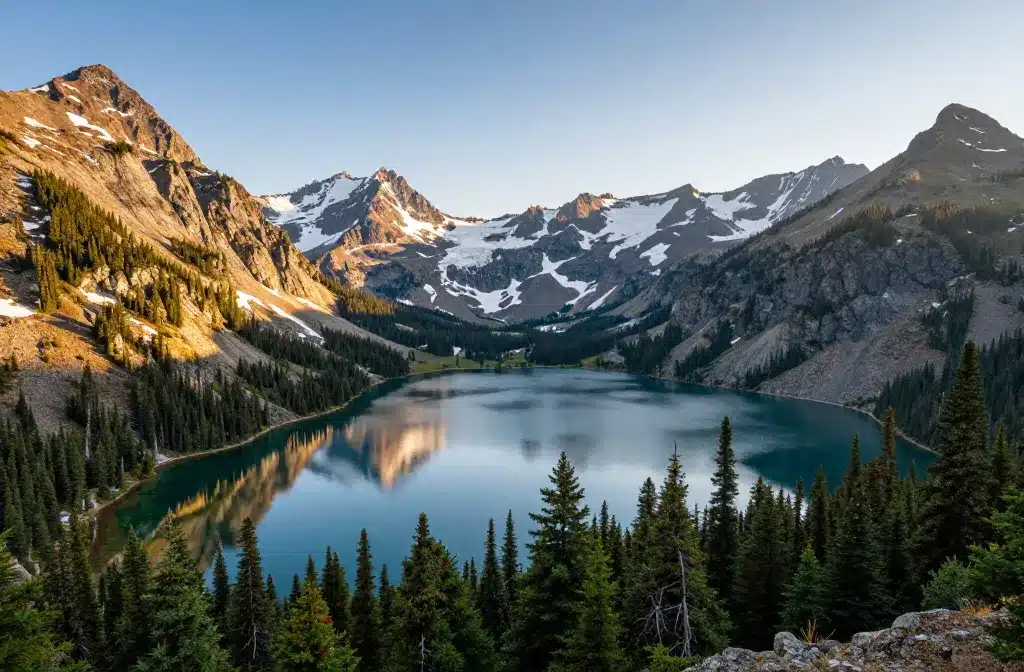
Two Medicine sits in Glacier National Park and refuses to be shy. Its emerald lakes mirror the peaks like a perfect selfie backdrop, while the surrounding pine scent reminds you what “refreshing” actually means. The campground is tucked away enough to feel exclusive, but accessible enough that you won’t have to hitch a ride on a marmot.
– Why it’s worth the trek: Less crowds than other Glacier spots, big skies, and commanding views all day long.
– Pick your vibe: Lakeside serenades at dusk or a ridge-top sunrise that launches your day like a cannon.
Best routes and tips
– Pack light but don’t skip the bear spray dilemma—JT law of the land here is be prepared.
– Bring a warm layer for chilly mornings; those granite walls reflect a lot of cool air.
– Watch for afternoon thunderstorms—pack a lightweight rain shell.
Why it sticks with you
The water shimmers like polished glass, and the mountains chase the horizon until you admit they might be endless. It’s the kind of place that makes you feel small in the best possible way.
2) Desert moonscape: Valley of Fire, Nevada
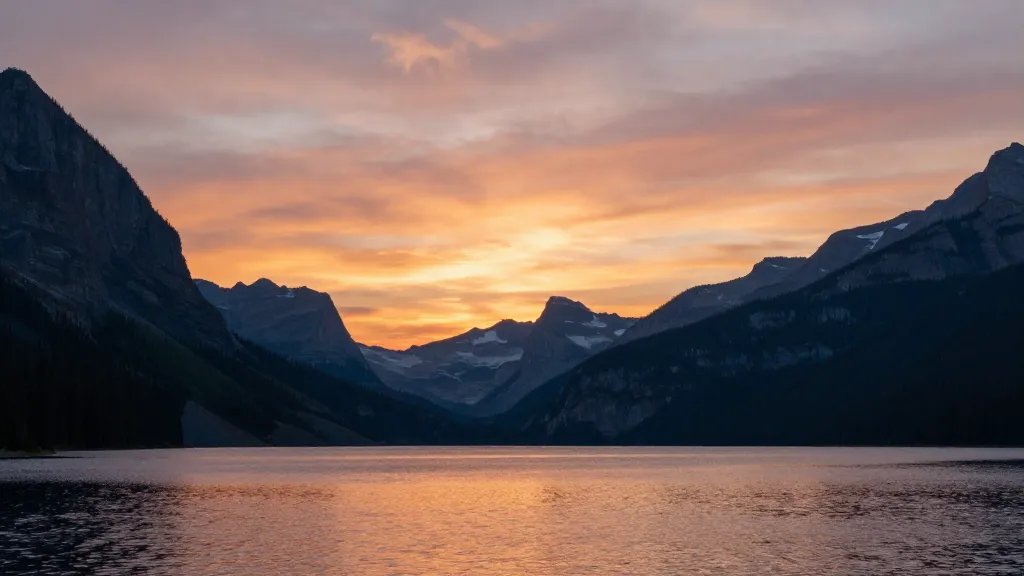
If you’ve ever dreamed of camping where the rocks look like they’ve eaten a neon color palette, Valley of Fire is your jam. Fiery red sandstone formations glow at sunset, turning the entire canyon into a dramatic stage set. Night brings a clear, unapologetic sky full of stars—perfect for questioning life choices while sipping pooled coffee.
– Why it’s worth it: Ultra-accessible, dramatic geology, and great stargazing.
– Practical tip: Reserve a campsite inside the park early; summer heat is real, but mornings are magic.
Sunset to stargaze checklist
– Bring a headlamp with a red filter so you don’t blind your fellow campers.
– A lightweight camp chair makes the after-dinner stare-at-sky sessions way comfier.
– Layer up when the sun dips; desert air gets chilly fast.
3) Ocean-kissed cliffs: Acadia National Park, Maine
Acadia gives you rugged coastline, granite domes, and trails that feel like private invites from the sea. Cadillac Mountain views are legendary, but the campground experience holds its own—think salt on your lips, gulls gossiping above, and a sunrise that melts the ocean into gold.
– Why it’s worth it: Sea breeze, maple-syrup mornings, and a thriving trail network.
– Best spots: Sand Beach proximity gives you an easy beach + hike combo without feeling like a tourist trap.
Cozy camping do’s
– Check ferry schedules if you’re considering island hikes—no one wants to lug a kayak uphill.
– Bring a waterproof bag for phones and snacks—waves have opinions.
– Don’t forget a lightweight towel for post-hike beach resets.
4) Alpine hush: Torres del Paine, Chile
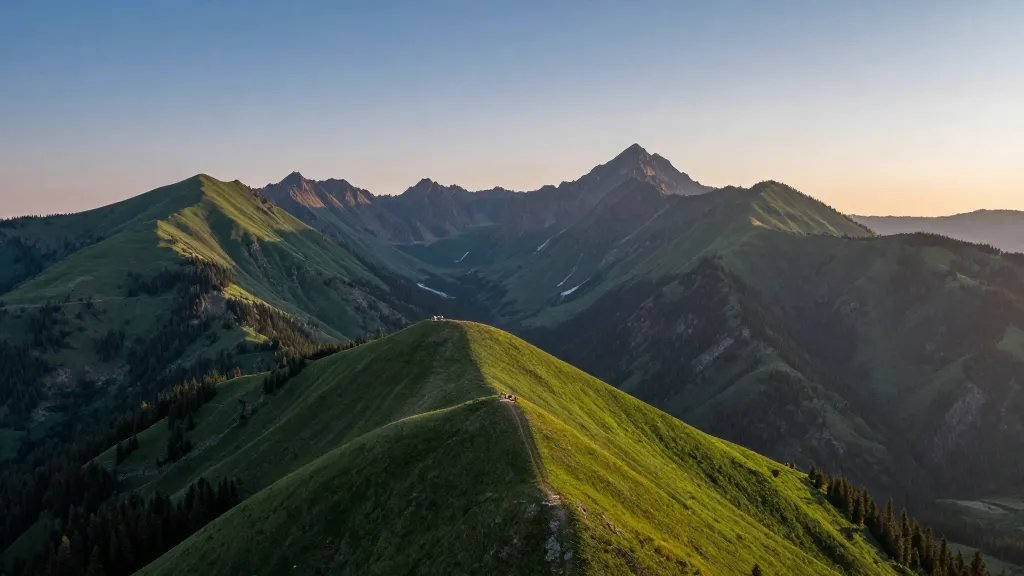
If you’re chasing dramatic granite towers, blue ice lakes, and the kind of wind that punches you awake, Torres del Paine delivers. The camping culture here is all about camaraderie, great gear, and a shared appreciation for weather that keeps you honest about your comfort levels.
– Why it’s worth it: Immersive trekking, huge vistas, and a sense of adventure that feels earned.
– Pro move: Do a multi-day circuit if you can—the wilderness rewards patience.
What to plan for long-haul treks
– Invest in a reliable rainfly and thermal layers; remote areas don’t wait for your mood to change.
– Hydration is a game-changer—carry a lightweight filtration setup.
– Map your days with built-in buffer time for wildlife sightings and photo stops.
5) Forest cathedral: Sequoia National Park, California
Sequoia’s giants dominate the landscape in the most polite way possible. Camping among these colossal trees feels like camping inside a living cathedral—minus the sermon, plus a lot more mossy benches and surprisingly friendly chipmunks.
– Why it’s worth it: Big trees, big shade, and trails that reward patient wandering.
– Tip for families: The Big Trees Trail is short and magical for little legs, with enough grandeur to satisfy the grown-ups.
Maintenance tips
– Give the kiddos a “leave no trace” briefing before you head out; the forest is a fragile giant.
– Pack small, easy-to-clean meals—less mess, more time ooh-ing and aah-ing.
– Don’t skip the starlit nights; bring a blanket and claim a patch of grass for sky-time.
6) Ice-tinged horizons: Jökulsárlón, Iceland
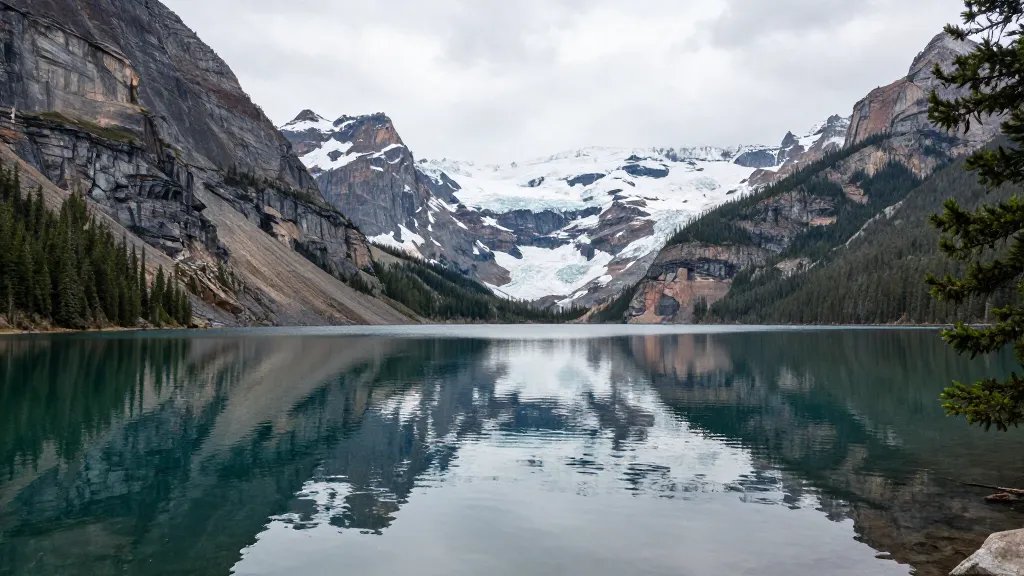
Icebergs, black volcanic sands, and skies that seem to have a little extra drama—Jökulsárlón isn’t just a campsite; it’s a postcard that learned to breathe. Spend a night near the lagoon, and you’ll wake up to a scene that looks photoshopped even if you haven’t touched a filter.
– Why it’s worth it: Otherworldly blues, floating ice, and the soundscape of melting ice.
– Getting there: Pack wisely for wind and rain; Iceland loves its weather punches, so be ready.
ICELANDIC packing list
– Windproof layers, even in supposed “summer” months.
– A sturdy waterproof shell and good hiking boots.
– A camera with good weather sealing—trust me on this one.
7) Prairie stargazer’s dream: Big Bend, Texas
Big Bend is where the desert meets the river, the stars outnumber the people, and the sunsets arrive on cue. The camping spots hug the Rio Grande, and the night sky feels like a velvet curtain you’re allowed to peek behind.
– Why it’s worth it: Night skies that deserve a planetarium app, and trails that stay interesting.
– Pro move: Time your hike to catch the last light on the rocks, then sit by the river with a thermos of something warm.
Stargazing and safety tips
– Bring a red light or dim a headlamp to enjoy the Milky Way without washing it out.
– Stay hydrated; desert nights can be deceptive about how dry it gets.
– Protect your memory cards—stars are hard on cameras, but excellent for photos.
8) High desert color-wheel: Zion National Park, Utah
Zion is famous for its jaw-drop canyons and the way sandstone blushes at sunset. The campgrounds place you within reach of iconic trails like Angel’s Landing and The Narrows, but you’ll mostly remember the color of the rocks and the way the wind sings through the canyon walls.
– Why it’s worth it: Iconic landscapes, varied hikes, and the vibe of “I’m in a painting.”
– Crowd control hack: Aim for shoulder-season trips or weekday stays to dodge the crowd stampede.
Trail and camping etiquette
– Reserve early, because this place fills up faster than you can say “photo op.”
– Follow the LNT rules with gusto—leave nothing but footprints, take nothing but stories.
– Respect wildlife and stay a respectful distance from any critters you encounter.
FAQ
Is it better to camp near a park entrance or farther in?
Camping farther in usually means fewer crowds and starry skies, but you’ll walk more to reach trails and viewpoints. If you hate crowds but don’t want a miles-long hike to reach the best overlooks, go for mid-range distances and plan your day around sunrise light.
What should I pack for a multi-day trip?
Bring a compact sleeping system, an all-season jacket, a reliable headlamp, a practical first-aid kit, a lightweight stove, and enough water purification gear. Add a few comfort items like a true tea or coffee routine—tiny luxuries matter when you’re living in a tent.
How do I stay safe in remote spots?
Always tell someone your route and timeline, bring a basic map or offline navigation, carry a charged phone with a portable charger, and know the wildlife etiquette for the area. FYI, you don’t need the biggest gear if you’re smart about your plan.
Are these spots family-friendly?
Some are more suited to adults who can handle longer hikes and rougher weather, while others work great with kids if you pick shorter trails and plan for plenty of breaks. Do a quick check on the park’s family-friendly trails and campground amenities before you go.
Conclusion
If you’re chasing landscapes that feel as epic as your sense of adventure, these eight spots deliver. Each one gifts you a unique mood—glacial hush, desert drama, oceanic awe, or star-splashed nights. So which one calls to you first? IMO, start with a place that fits your current vibe, then let your wanderlust escalate. Ready to pack the car, roll the windows down, and see where the road leads? The mountains, deserts, and coastlines are waiting—and your new favorite camping memory is just a hike away.