
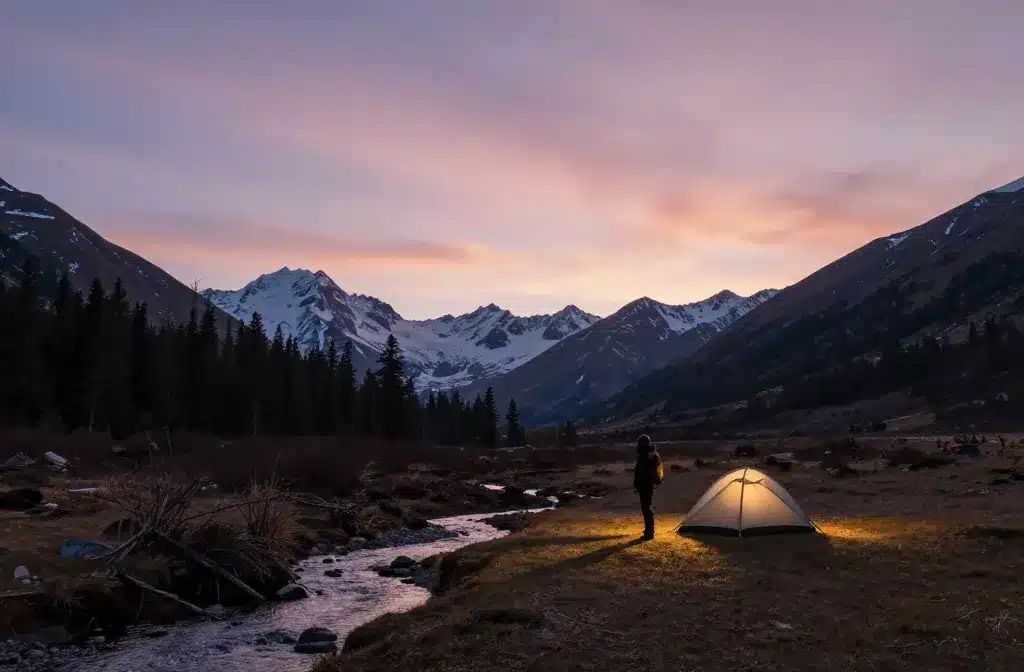
I’m not saying you should sprint into the wild with a backpack and a dream, but a place that quietly screams “get outdoors” beats another scrolling session any day. If you crave epic scenery, solitude, and the kind of stars you can actually count, you’re in the right place. Let’s break down eight wilderness wonders that make for remote camping escapes without dialing the drama up to eleven.
1) The Silent Sierra: Alpine Valleys Off the Beaten Track
These valleys sit behind every popular trail like a spoiler you didn’t know you wanted. Think crystal streams, granite slabs, and mornings so quiet you can hear your own heartbeat—if you’re into that. Access can be a little fiddly, but that’s part of the charm.
- Best timing: late spring to early fall when snowmelt is fading but storms aren’t in full swing.
- Gear note: lightweight tent, insulating pad, and a windproof jacket. The Sierra wind can be melodramatic.
- Why it’s worth it: solitude, big skies, and rock faces that demand you show up with a plan.
2) Desert Dunes and Starry Nights
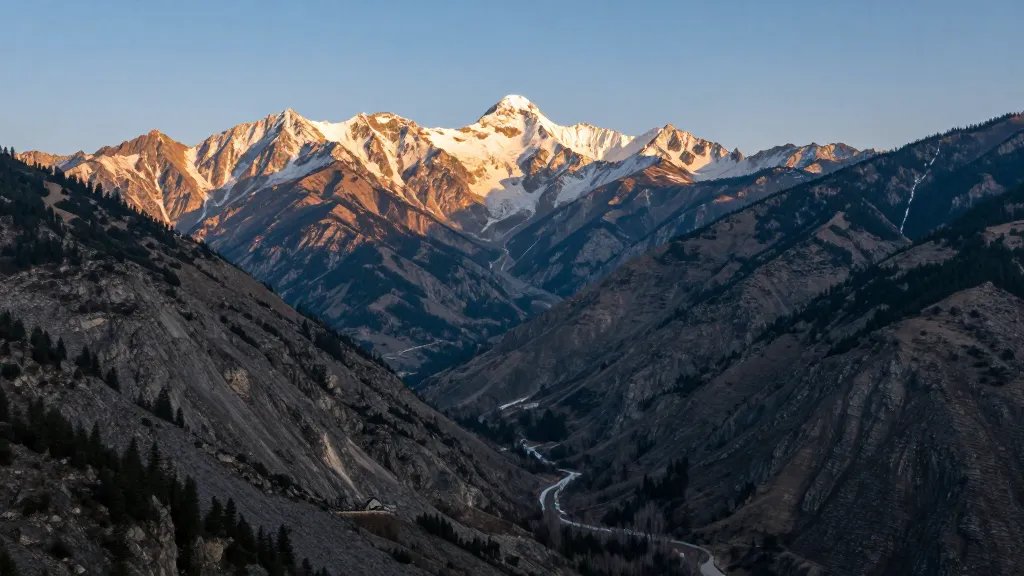
Deserts aren’t just hot days and mirages; they’re a playground for people who like their landscape with texture and temperature swings. Remote desert camping offers vast horizons, silky silence, and skies that either glow with the Milky Way or glare with sunburn potential. Bring layers and a plan for water, and you’ll be in for a memorable escape.
2a) Packing for the Desert
– Hydration strategy: more water than you think you’ll need, plus a way to rehydrate quickly.
– Shade is a luxury: a sun shelter or wide-brimmed hat saves you from becoming a hot potato.
– Navigation: a compass and a GPS backup—deserts love to rearrange your sense of direction.
3) Remote Fjords: Quiet Water, Quiet Mind
If you love kayaking, canoeing, or just listening to water do its own spa day, remote fjords deliver. You’ll paddle past glassy inlets, moss-draped cliffs, and the kind of stillness that makes your jokes land softly. Accessibility hinges on currents, weather, and how stealthy you are with your campsite.
- What to expect: cool temps, damp air, and a chance to see wildlife that thinks you’re just another log.
- Pro tip: go light on the gear but heavy on layers. Start cold, warm up fast.
- Ideal for: solo explorers who love a good water workout and a sunrise that makes you rethink existence.
4) High-Latitude Lakes: Conifer Canopy and Crystal Quiet
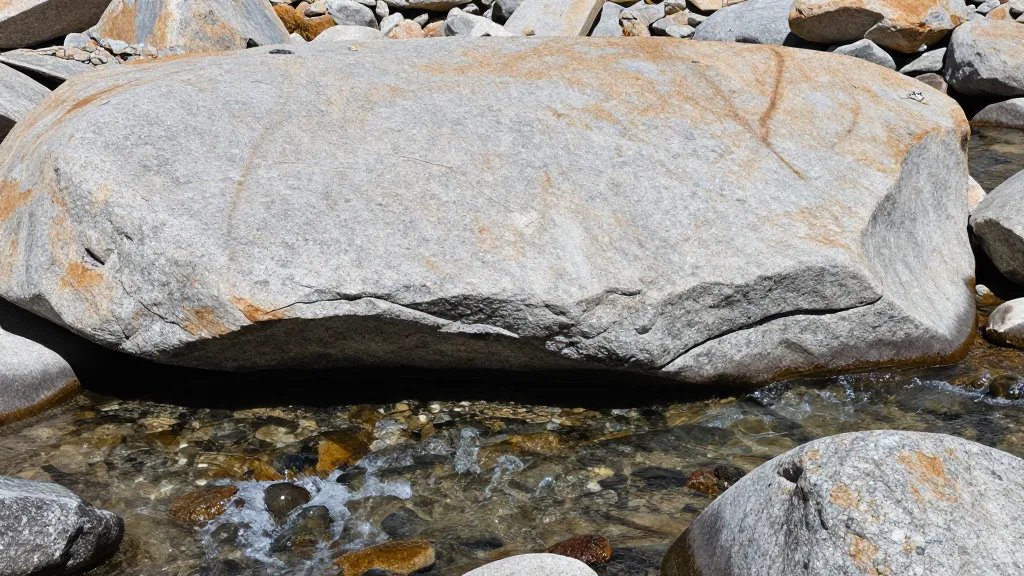
Imagine a mirror-like lake framed by evergreen sentinels. That’s the vibe here. These spots often require some careful planning, because weather can swoop in like a surprise boss fight. But when you nail the timing, you’ll understand why people keep chasing that perfect reflective surface.
4a) Safety and Preparation
– Weather windows: check forecasts daily; a calm day can flip to gusts in hours.
– Fire restrictions: obey them, because wildfires wreck more than your campsite.
– Leave no trace: pack out every crumb—this place is forever watching.
5) Mountain Bivouac: The unaided, sky-just-for-you Experience
A bivouac is minimalism with a dash of grit. You carry just enough to survive a night or two, and you wake up to crags and clouds in your face. It’s not glamorous, but it’s incredibly rewarding for anyone who loves the raw feel of being truly unplugged.”
5a) How to Do It Right
– Shelter choice: a sturdy bivy or a compact ultralight tent.
– Sleep system: a warm bag rated for the coldest night you expect, plus a pad that won’t betray you with a cold seam.
– Nutrition: light, non-perishable meals that fuel you for the next day’s climb or hike.
6) Coastal Cliffs: The Edge of Adventure
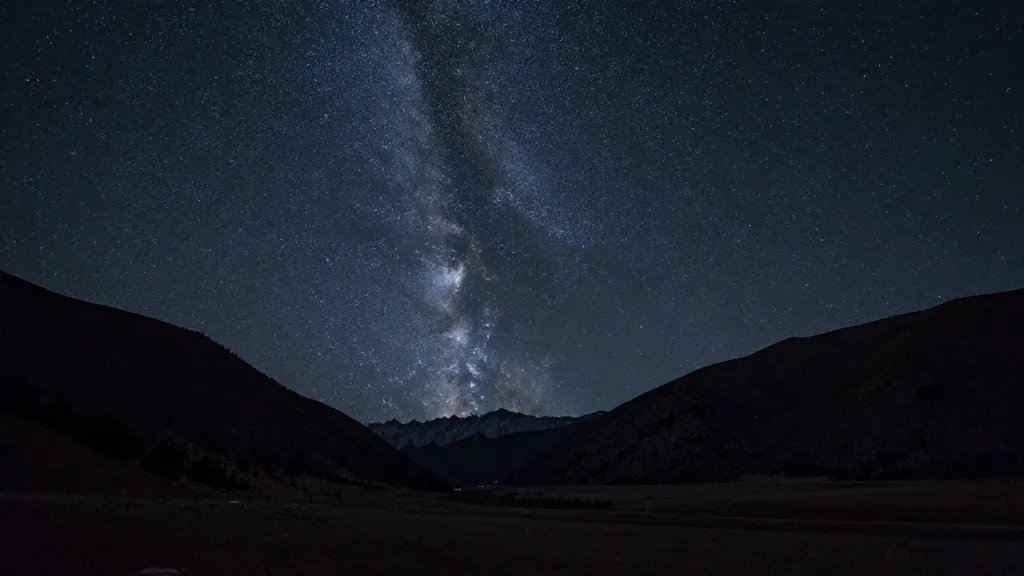
Sea-salt air, dramatic cliffs, and the kind of coastline that makes you feel both small and alive. Remote coastal camping means dealing with wind, tide schedules, and ever-shifting weather, but the payoff is almost always epic sunsets and that salty kiss of sea spray.
- Best spots: protected coves that feel like private sanctuaries.
- Gear must-haves: reliable rain shell, tide charts, and a means to store food away from curious critters.
- Why you’ll love it: you can fall asleep to waves and wake to a horizon that looks staged for a postcard.
7) Temperate Rainforests: Mossy Trails and Quiet Giants
Think emerald canopies, ferns taller than you, and a damp, comforting scent that says “you’ve arrived.” Remote rainforests are perfect for those who adore mossy rocks, winding boardwalks, and wildlife who move with the patience of a slow internet connection.
7a) Staying Dry Without Losing Joy
– Layering: moisture-wicking base, insulating mid-layer, and a waterproof outer shell.
– Footwear: grippy boots with a roomier toe box for swelling after long days.
– Navigation: even dense forests need occasional checks; mark your route as you go so you don’t end up hugging a fern all night.
8) High Desert Plateaus: The Open-Air Observatory
Flat, windy, and spectacular, high desert plateaus feel like you’ve parked yourself on the edge of the world. This is where you’ll witness sunrises that punch you in the eyeballs with color and clarity. It’s remote, yes, but the payoff is the kind of quiet that makes even your own thoughts seem polite.
- Best approach: travel light, set up camp away from cliff edges, and respect the scale of the landscape.
- Stargazing: this is top-tier. FYI, bring a red-light headlamp so you don’t blind your future self with sciencey glow.
- What to watch for: suddenly changing winds and thirsty nights if you didn’t plan water properly.
FAQ
Is remote camping dangerous?
Remote camping isn’t inherently dangerous, but it does demand preparation. Check weather, carry navigation tools, tell someone your plan, and pack a basic first-aid kit. The key is to minimize risk by planning, not avoiding adventure altogether.
What should I absolutely not forget?
Pack a reliable shelter, insulation for cold nights, a first-aid kit, plenty of water or purification methods, a map and compass or GPS backup, and a sense of humor. Also, leave room for a few luxury items—like a tiny mug that makes coffee taste heroic.
How do I avoid leaving a mess?
Follow Leave No Trace principles: pack out everything, minimize campfire impact, stay on established trails where possible, and choose durable surfaces for sleeping. If you wouldn’t want to see it on your own floor, don’t leave it behind in nature.
Can beginners really pull off these trips?
Absolutely. Start with shorter, well-supported excursions and build up. Partner with a friend who’s a little more seasoned, or hire a guide for your first remote-camping weekend. IMO, confidence grows fastest when you respect the terrain and your own limits.
What’s the best time of year for these escapes?
It depends on the location, but shoulder seasons often provide fewer crowds and more dramatic skies. Spring and autumn can be magical, with milder temps and vibrant scenery. FYI, summer brings longer daylight, but you might contend with more people and heat in some areas.
Conclusion
If you’re chasing a reset that comes with real horizons, these wilderness wonders deliver. Each destination offers its own flavor of remote magic—whether you’re chasing a mirror lake, a wind-sculpted desert, or a canopy-draped rainforest. The trick is to show up with respect, a solid plan, and a willingness to laugh at your own missteps. Ready to swap your screens for stars and your couch for a trail? Grab your gear, pick a spot, and let the wild remind you why you fell in love with the outdoors in the first place. IMO, the best escapes happen when you bring your curiosity—and leave the rest behind.
CampEquipmentPlus relies on reader support. Purchases made via links on our website may earn us an affiliate commission at no extra cost to you, helping keep the site running.