
CampEquipmentPlus relies on reader support. Purchases made via links on our website may earn us an affiliate commission at no extra cost to you, helping keep the site running.
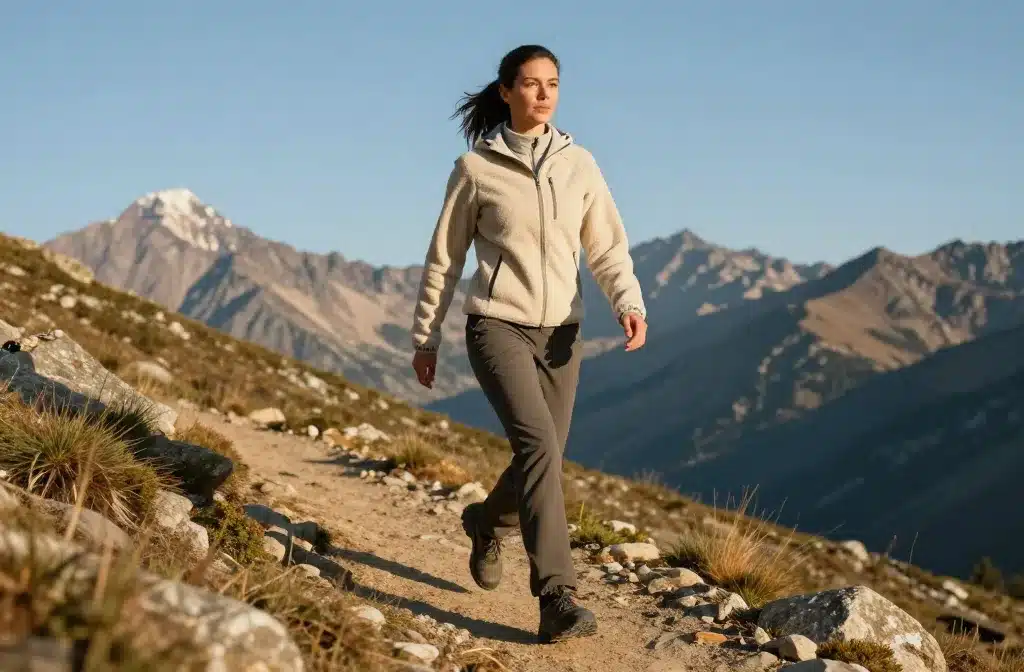
These tried-and-true looks keep hikers comfortable, confident, and ready for anything. We’re talking gear that actually works, not guesswork in the backcountry. Ready to elevate your trail game without sacrificing style?
1. Layer Like a Pro: Breathable Base, Durable Outer
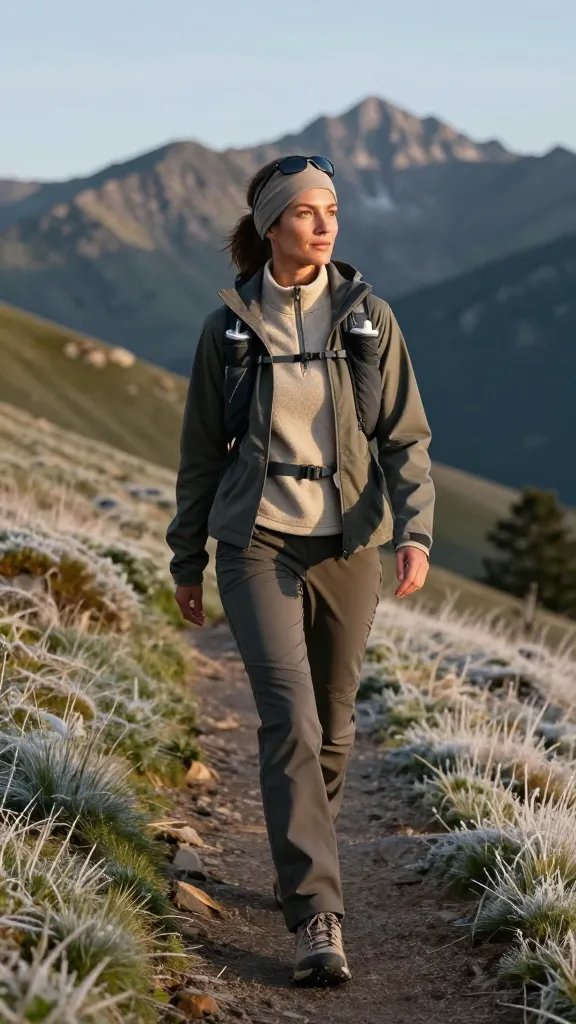
This combo keeps you warm when dawn is frosty and cool as the sun climbs. The key is ventilation and protection without bulk. FYI, you don’t need a full-on expedition wardrobe to stay cozy and flexible on steep switchbacks.
Key Points
- Base layer with moisture-wicking fibers
- Midlayer lightweight fleece or knit
- Shell windproof, water-resistant
When the forecast flips, you’ll shift layers instead of changing outfits. It’s all about control and comfort on the move.
2. The Versatile Trail Jeans Alternative
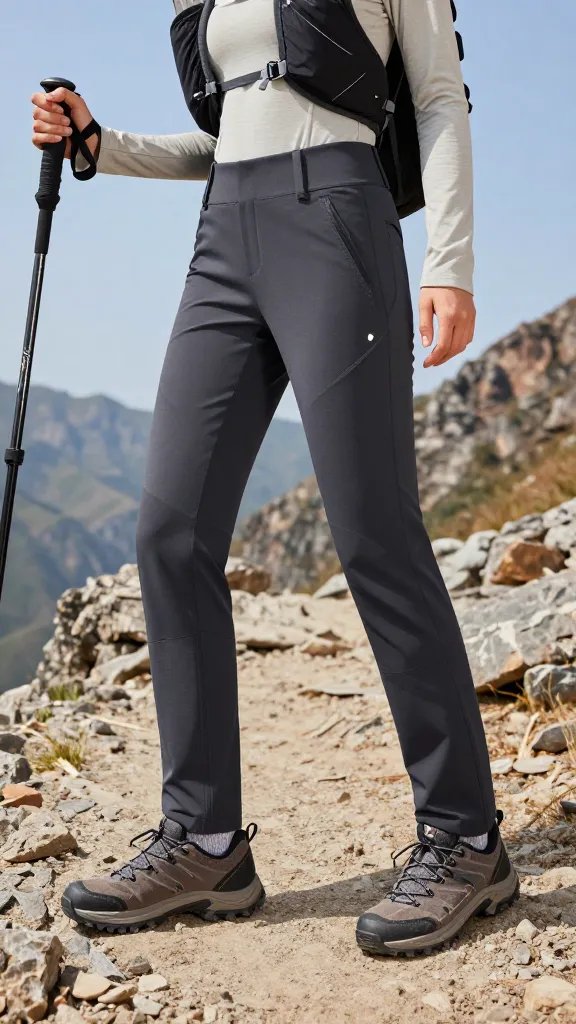
Jeans? Not ideal for most hikes, you might think. But a stretchy, technical pant or quick-drying trekking tights can feel like your best friend when you need something sturdy but comfy. Seriously, they won’t soak up every puddle you stumble into.
Why It Works
- Stretchy waistbands that don’t pinch
- Rugged knees for kneeling breaks or rock scrambles
- Lightweight, quick-dry fabrics
Apply moisture control and you’ll thank yourself at the end of a long day on the summit.
3. Weather-Ready Outer Layers You’ll Actually Wear
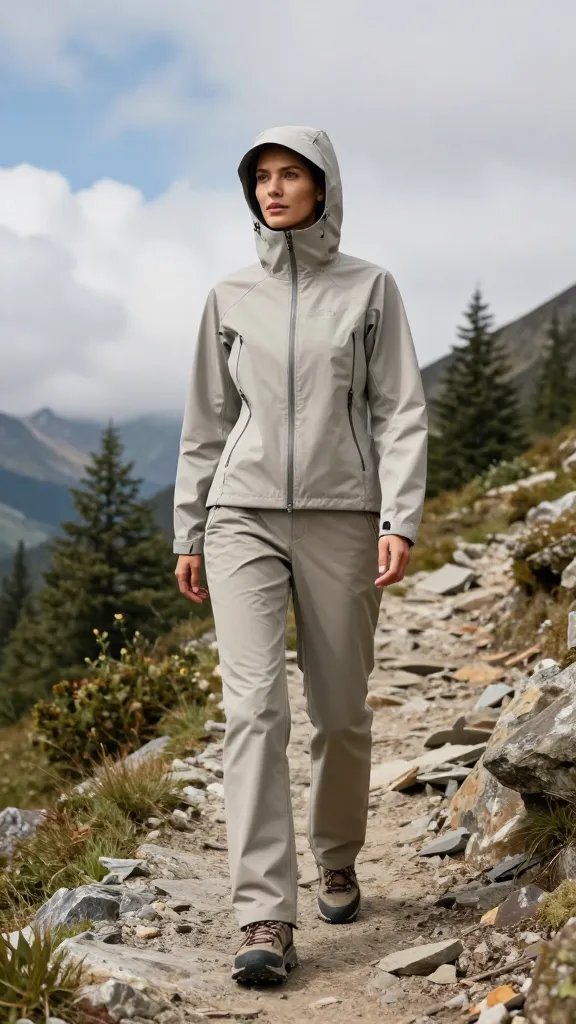
Outerwear can feel like a fortress, but the right shell should snap on and off like a second skin. A compact, breathable shell protects you from wind and a surprise shower without turning you into a marshmallow on the trail.
What to Look For
- Packable, not bulky
- Storm hood that stays put
- Zippers and vents for airflow
When the weather shifts, you’ll glide through changes without overheating or sweating buckets. Trust me, it’s a freedom booster on long ascents.
4. Footwear That Feels Like Running Shoes, Not Crampons
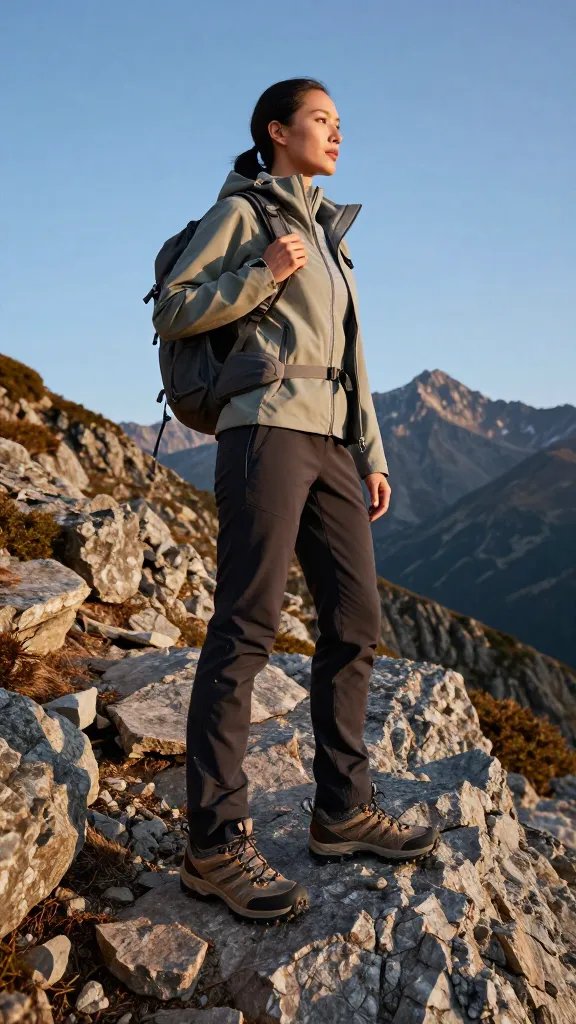
Footwear sets the pace. You want stability, traction, and enough support for miles of rocky paths. A good pair feels almost invisible—like they disappear mid-foot so you can focus on the view ahead.
Tips for Picking
- Waterproof options for wet mornings
- Grip suitable for mixed terrain
- Comfortable insole and ankle support
Break them in before your big hike, and you’ll avoid blisters that ruin your day. No one needs that drama on a cliffside look-out.
5. The “Hero” Layer: Lightweight, Warm, and Worry-Free
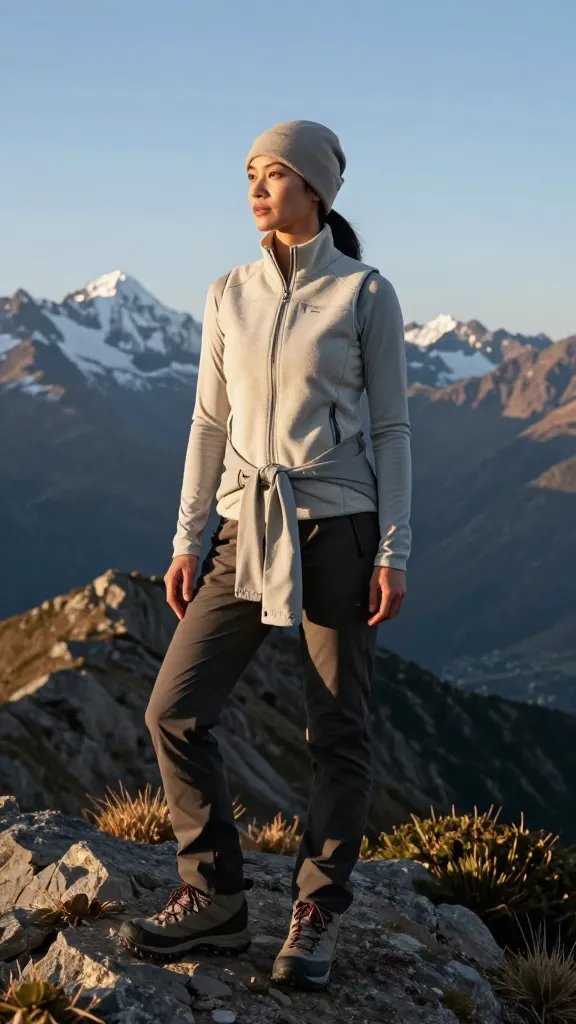
A compact fleece or puffy vest can be your best friend when the breeze picks up at higher elevations. It gives you warmth without adding bulk, which is perfect for those long, exposed ridgelines.
Key Elements
- Compact insulation that packs small
- Smooth silhouette for layering under a shell
- Emergency windbreaker edge for windy days
Wear it during chilly morning ascents and stash it in your pack as soon as you warm up. It’s the most versatile wingman you never knew you needed.
6. Smart Accessories: Hats, Gloves, and Sunglasses That Earn Their Stripes
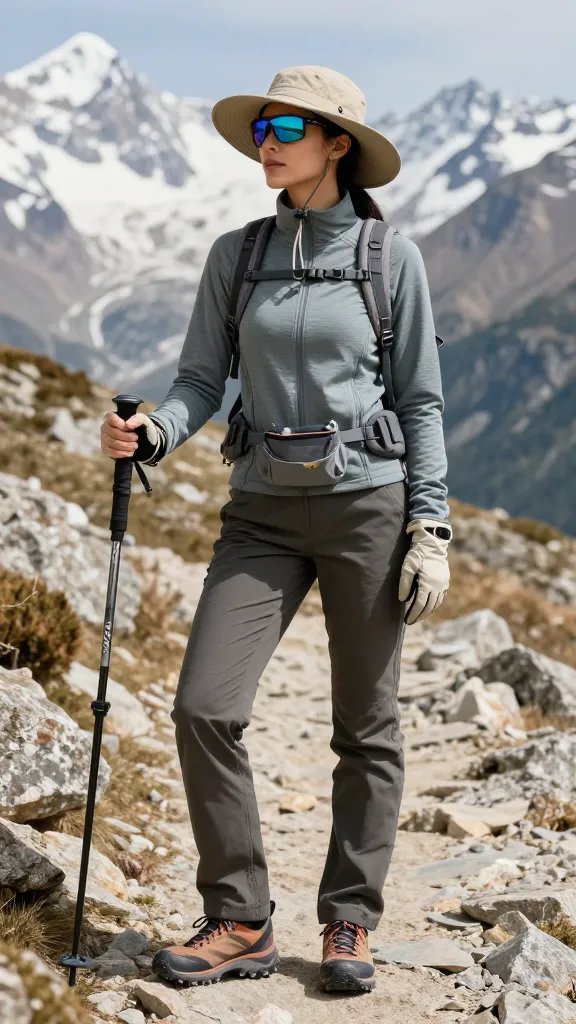
A few well-chosen accessories can prevent headaches and protect skin, eyes, and hands without weighing you down. Small things make a big difference when you’re miles from civilization.
Recommended Add-Ons
- Breathable sun hat with a brim
- Gloves that stay warm but don’t bulk up your grip
- Polarized sunglasses with a secure strap
These items keep you comfy and safe from sun and wind while adding a touch of personality to your outfit. IMO, sunglasses are non-negotiable for the glare off snow and water.
7. The Practical Pack That Does More Than Carry Things
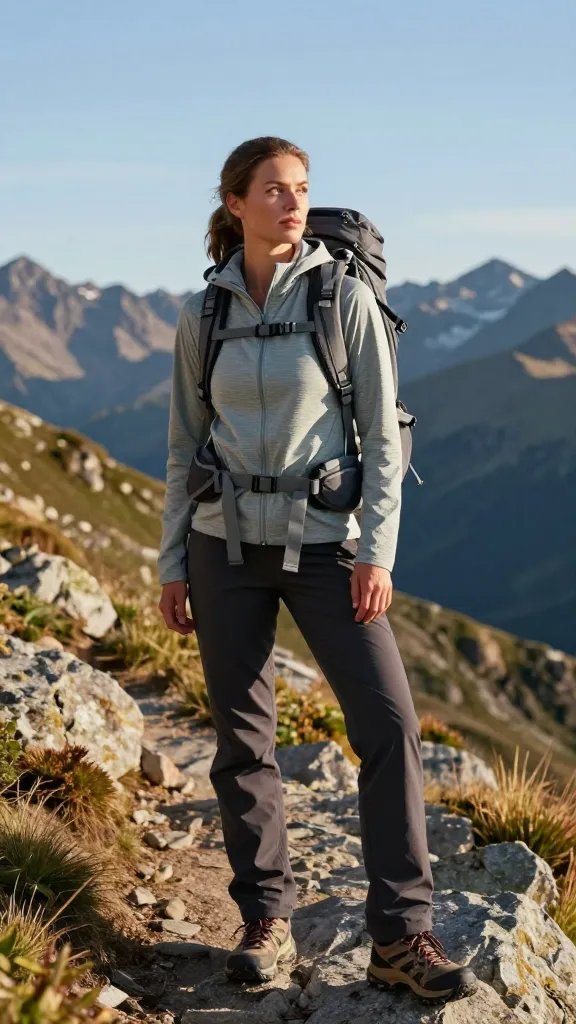
Bags are the unsung heroes of hiking outfits. A sensible pack distributes weight, fits your torso, and gives you quick access to snacks, layers, and a first-aid kit. Trust me, a well-made pack can feel invisible—until you need it.
What to Look For
- Ergonomic straps and back support
- Accessible compartments for layers
- Hydration compatibility and enough capacity
Pack it light, pack it smart, and you’ll glide along switchbacks like you’ve done this forever.
8. Color, Comfort, and Confidence: The Whole Look Ties Together
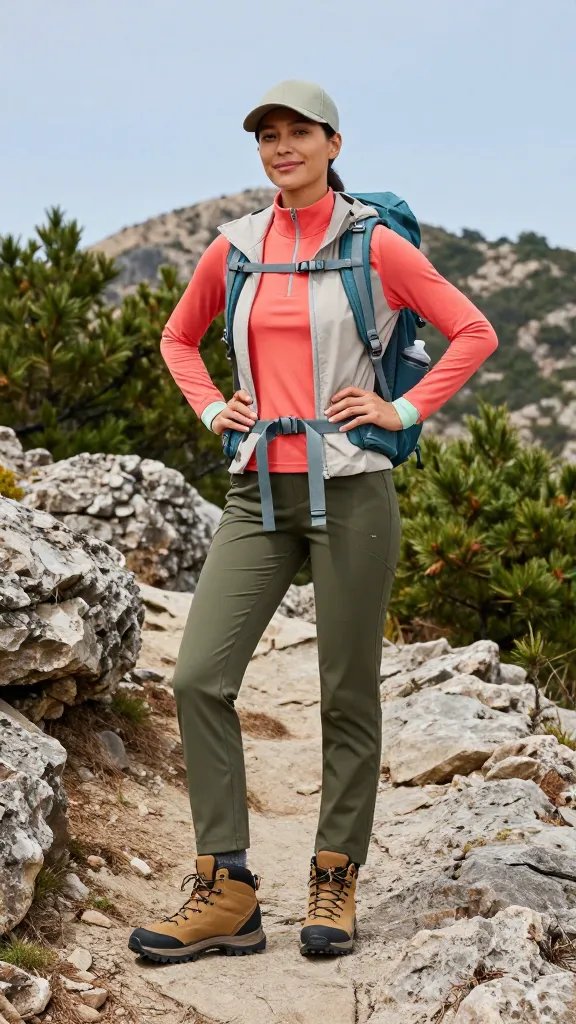
The final piece is how you feel in what you wear. Bright accents can boost mood on gray days, while neutrals keep the vibe calm on rocky trails. The best outfits blend function and fun so you actually want to wear them on long weekends.
How to Nail It
- Mix high-performance fabrics with casual staples
- Choose colors that reflect your personality
- Maintain a consistent layering system for quick changes
When you look good, you hike with more confidence and enjoy the journey more. Seriously, it’s a confidence boost worth investing in.
There you have it—eight reliable outfit ideas that real women trust on trails. Each setup is built to keep you comfortable, protected, and ready for whatever the mountains throw at you. Ready to hit the path wearing your new favorite combo?
Now go forth, test these looks, and let your next hike be your best one yet. The trail is calling, and you won’t want to miss it. Go get ’em!