Choosing the right backpack for hiking and camping is essential for comfort, safety, and enjoyment outdoors. A well-fitted, practical pack makes carrying your gear easier and helps prevent fatigue on the trail.
Consider Your Trip Length
The first thing to think about is how long your trip will be.
Day hikes: A 15–30 litre backpack is usually sufficient for water, food, and essentials.
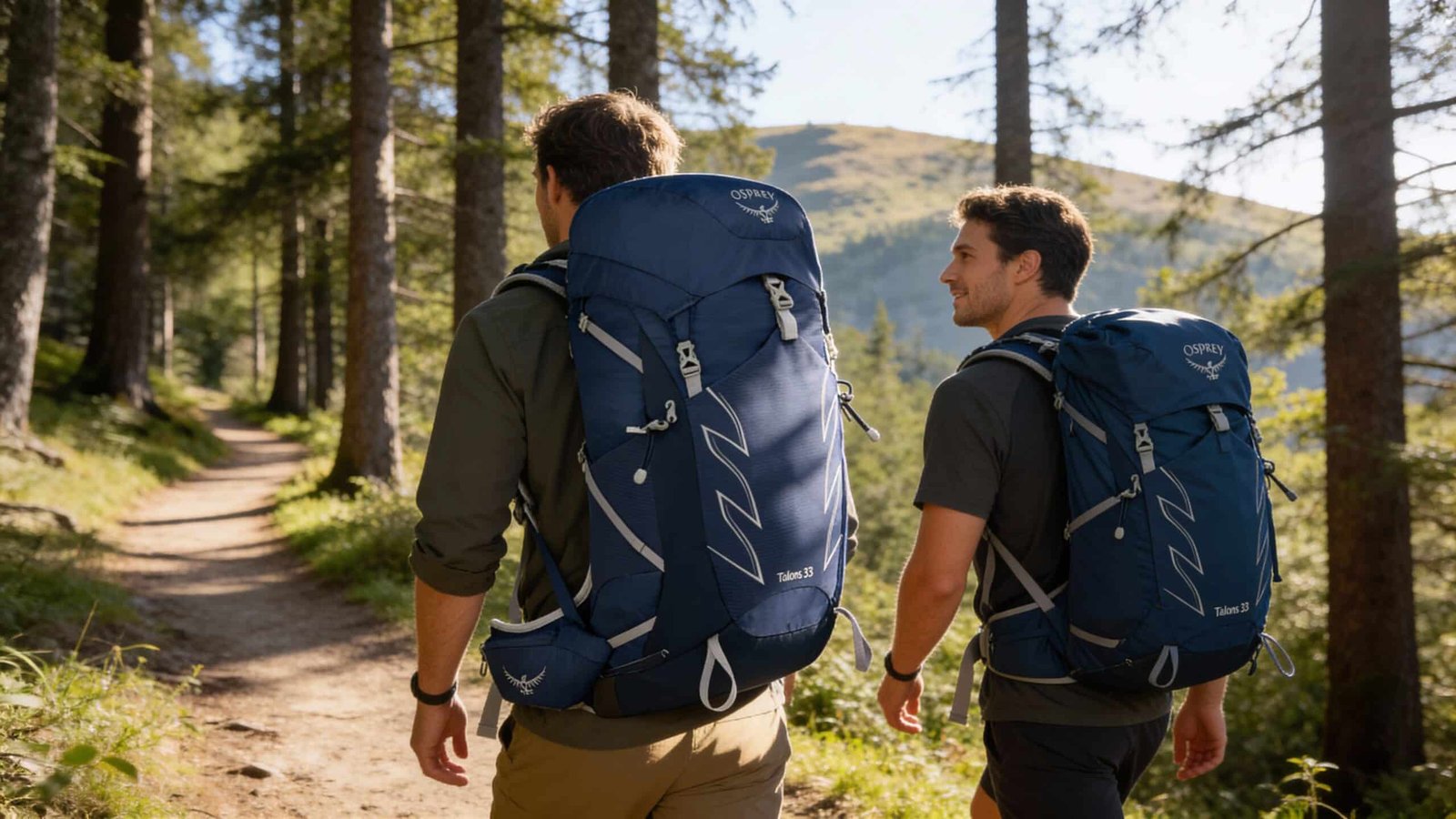
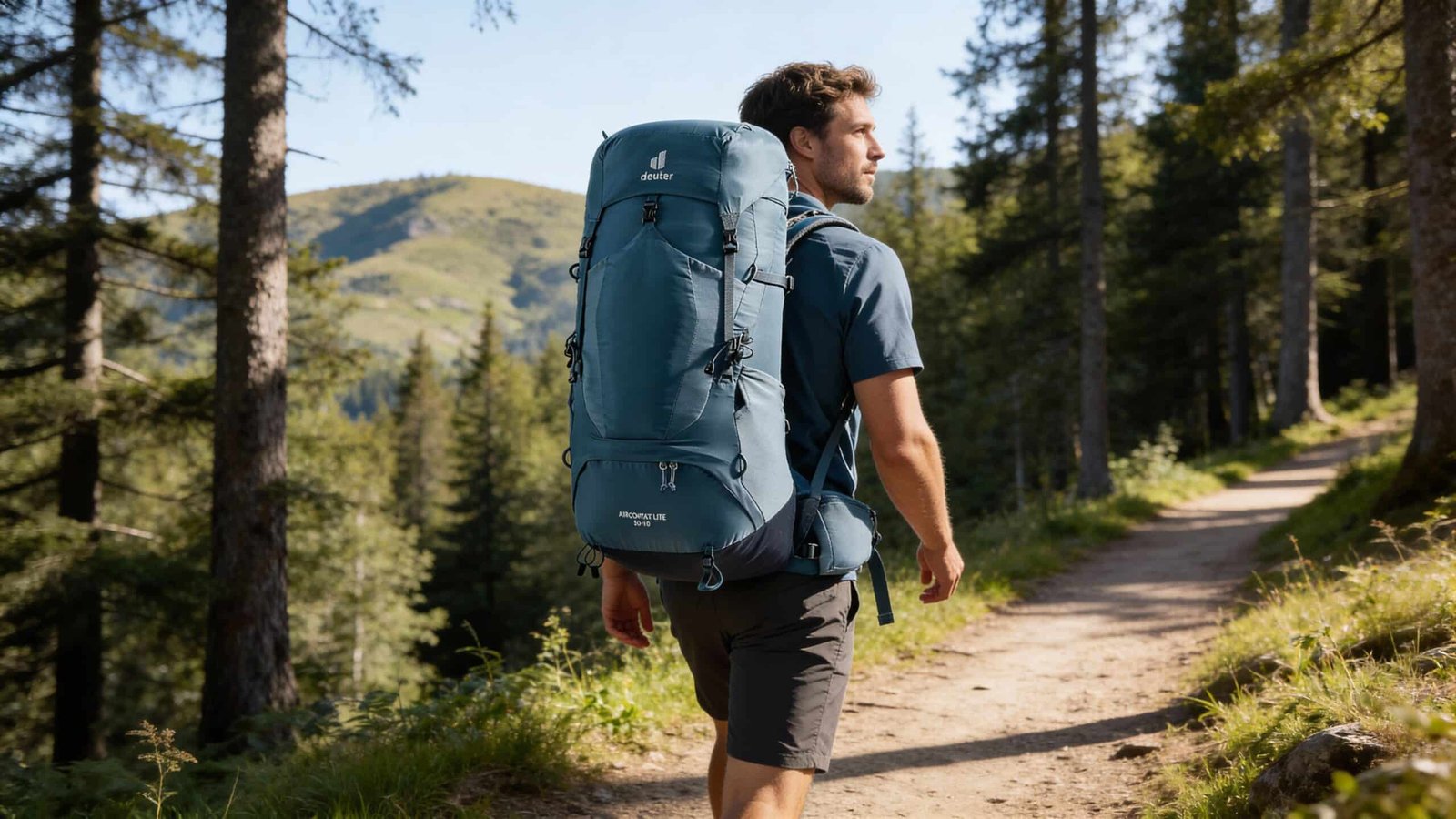
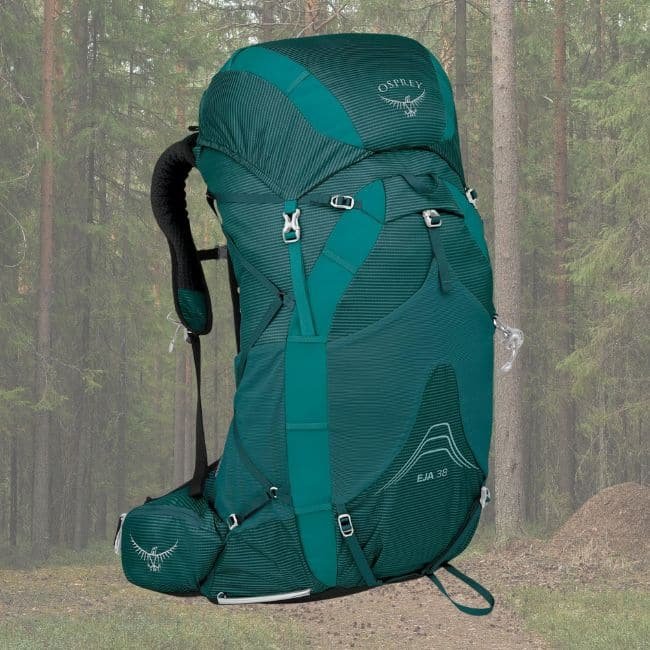
Overnight trips: Look for a 30–50 litre pack to accommodate clothing, cooking gear, and sleeping equipment.
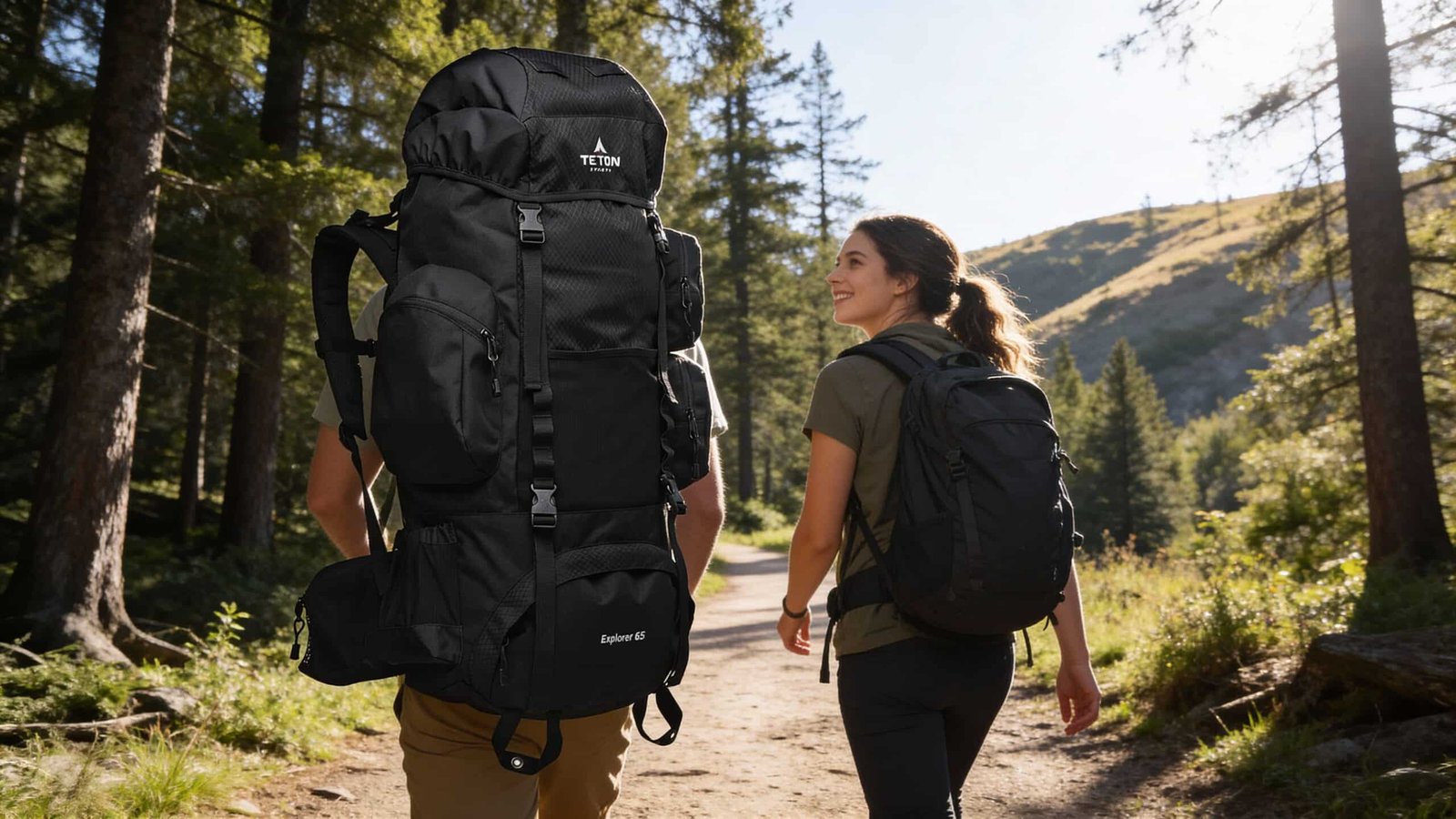
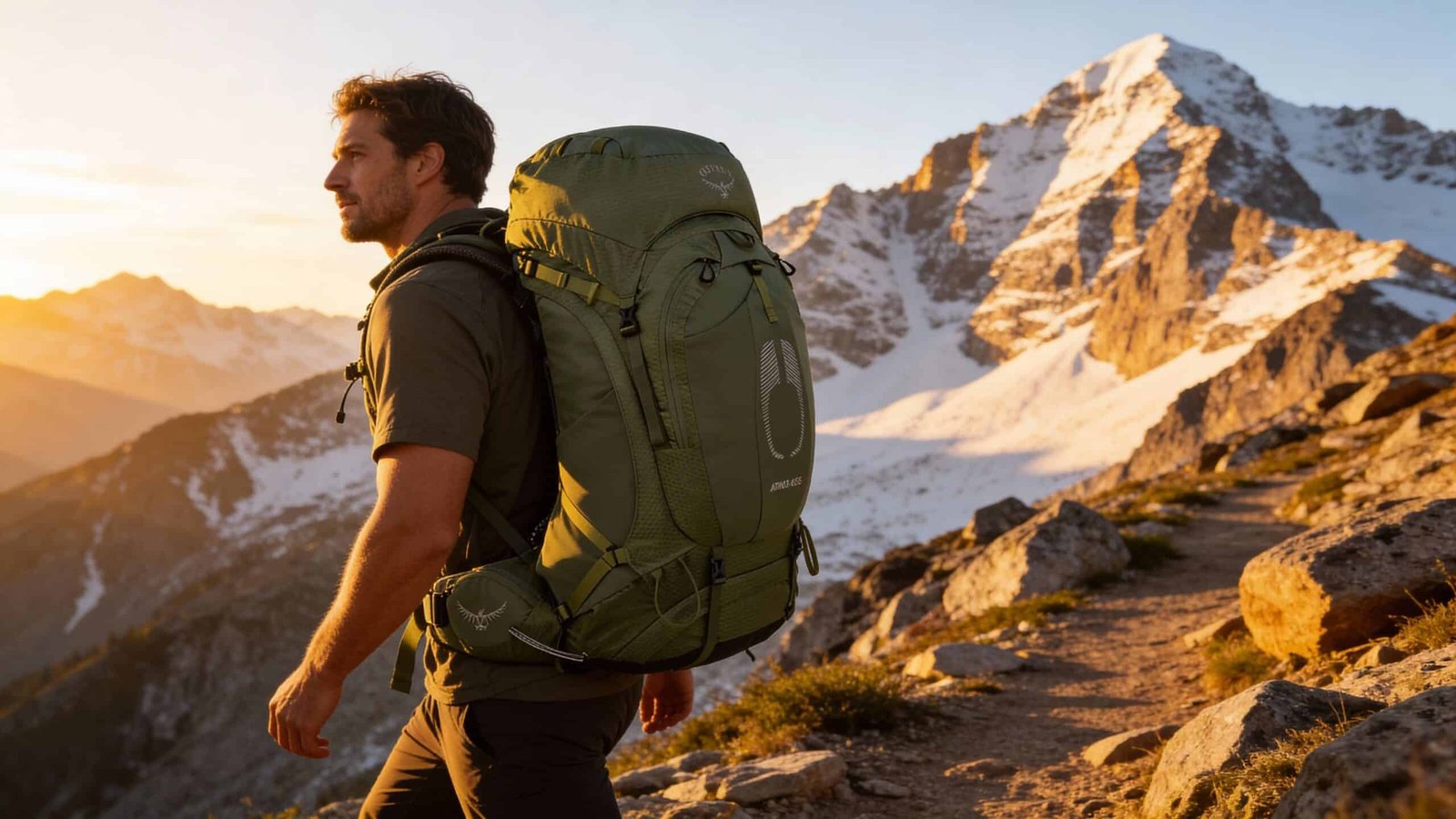
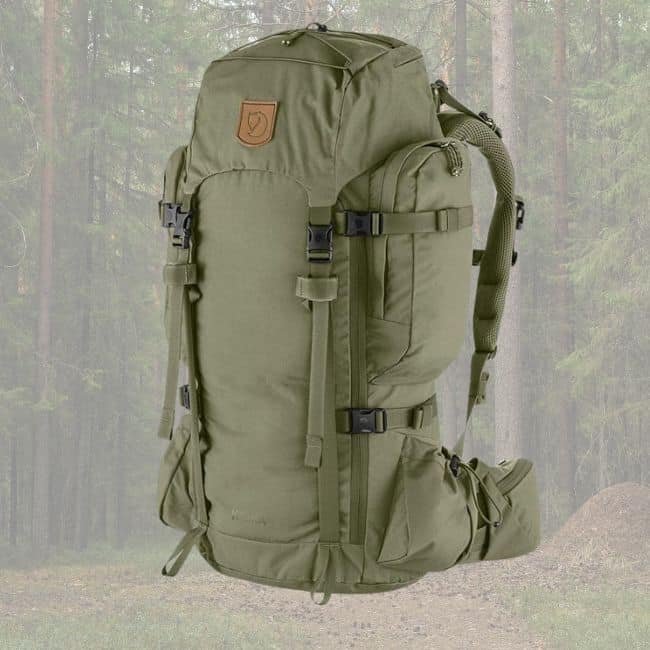
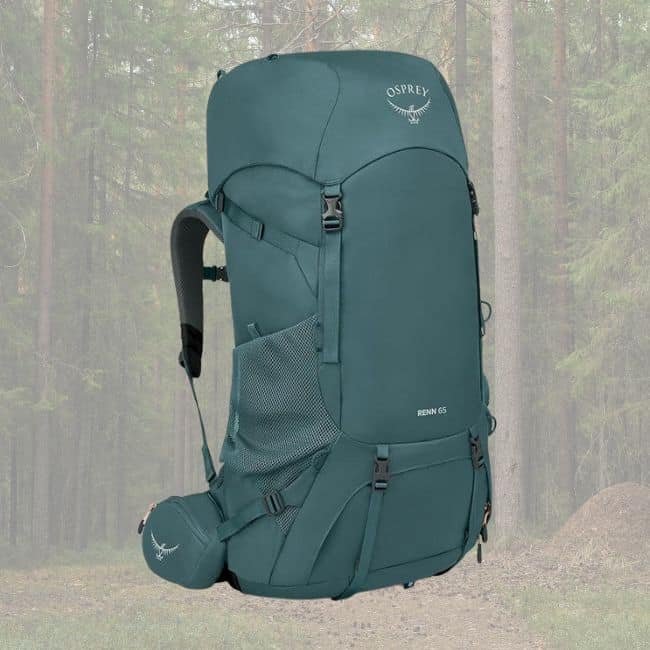
Multi-day camping: A 50–70+ litre backpack is better suited for carrying tents, sleeping bags, and extra supplies.
Fit and Comfort Matter Most
A backpack should fit your body properly. Adjustable shoulder straps, a padded back panel, and a supportive hip belt help distribute weight evenly. Most of the load should rest on your hips rather than your shoulders. Backpacks often come in different torso lengths, so choosing the right size is crucial for comfort on long hikes.
Capacity and Organisation
Good organisation makes a big difference outdoors. Look for backpacks with multiple compartments, easy-access pockets, and external attachment points for items like trekking poles or sleeping mats. Top-loading packs are great for larger loads, while panel-loading designs allow easier access to your gear.
Weight and Durability
Lightweight backpacks are ideal for long hikes, but they still need to be durable enough for rugged terrain. Strong materials, reinforced stitching, and quality zips ensure the backpack can handle regular use without adding unnecessary weight.
Weather Protection
Weather conditions can change quickly. A backpack made from water-resistant materials or one that includes a rain cover will help protect your gear from rain and moisture. This is especially important for camping trips where dry clothing and equipment are essential.
Ventilation and Breathability
Backpacks with ventilated back systems or mesh panels help reduce sweating and improve comfort, especially during warmer hikes. Good airflow keeps your back cooler and reduces moisture build-up.
Special Features to Look For
Depending on your needs, features such as hydration bladder compatibility, compression straps, and external gear loops can add extra convenience. These small details can greatly improve your hiking and camping experience.
Final Thoughts
The right backpack depends on your trip length, body fit, and the type of hiking or camping you plan to do. By focusing on comfort, capacity, durability, and weather protection, you’ll find a backpack that supports your adventure rather than holding you back.