
CampEquipmentPlus relies on reader support. Purchases made via links on our website may earn us an affiliate commission at no extra cost to you, helping keep the site running.
Look, I get it. You’re standing in your closet, staring at last year’s jacket, and you can already feel the cold seeping through before you even put it on.
Winter shopping for the perfect jacket shouldn’t feel like solving a Rubik’s cube, but here we are.
I’ve spent way too many winters testing jackets that promised warmth and delivered disappointment, so let me save you the hassle.
Finding the best winter jackets for women means balancing warmth, style, and functionality without breaking the bank.
After years of trial and error (and a few regrettable impulse buys), I’ve figured out what actually works when temperatures drop and the wind picks up.
What Makes a Winter Jacket Actually Good?
Here’s the thing nobody tells you: not all winter jackets handle winter equally.
Some excel in dry cold, others shine in wet snow, and a few rare gems do both. Understanding what you need starts with knowing your winter.
Insulation type matters more than you think. Down jackets pack serious warmth into a lightweight package, but they turn into sad, soggy messes when wet.
Synthetic insulation keeps you warm even when damp, though it’s usually bulkier.
I learned this the hard way during a particularly wet February in Seattle—my beloved down jacket basically gave up on life after one rainy commute.
The outer shell determines whether you stay dry or spend your day as a walking sponge. Look for waterproof ratings above 10,000mm and breathability ratings above 10,000g.
Anything less, and you’re gambling with comfort. Trust me, sweating inside your jacket while snow falls outside is a special kind of misery.
Key Features to Prioritize
When you’re hunting for winter jackets for women, these features separate the winners from the closet clutter:
- Adjustable hood that actually fits over a beanie (revolutionary, I know)
- Two-way zippers for when you’re sitting or driving
- Interior pockets that keep your phone warm and functional
- Pit zips for temperature regulation during activity
- Powder skirt or drawstring hem to seal out drafts
Ever notice how the coldest air sneaks in through the weirdest gaps?
A proper winter jacket anticipates every possible entry point. The best designs feature adjustable cuffs with inner elastic or thumb holes, because cold wrists make everything miserable.
Top Winter Jacket Styles for Different Needs
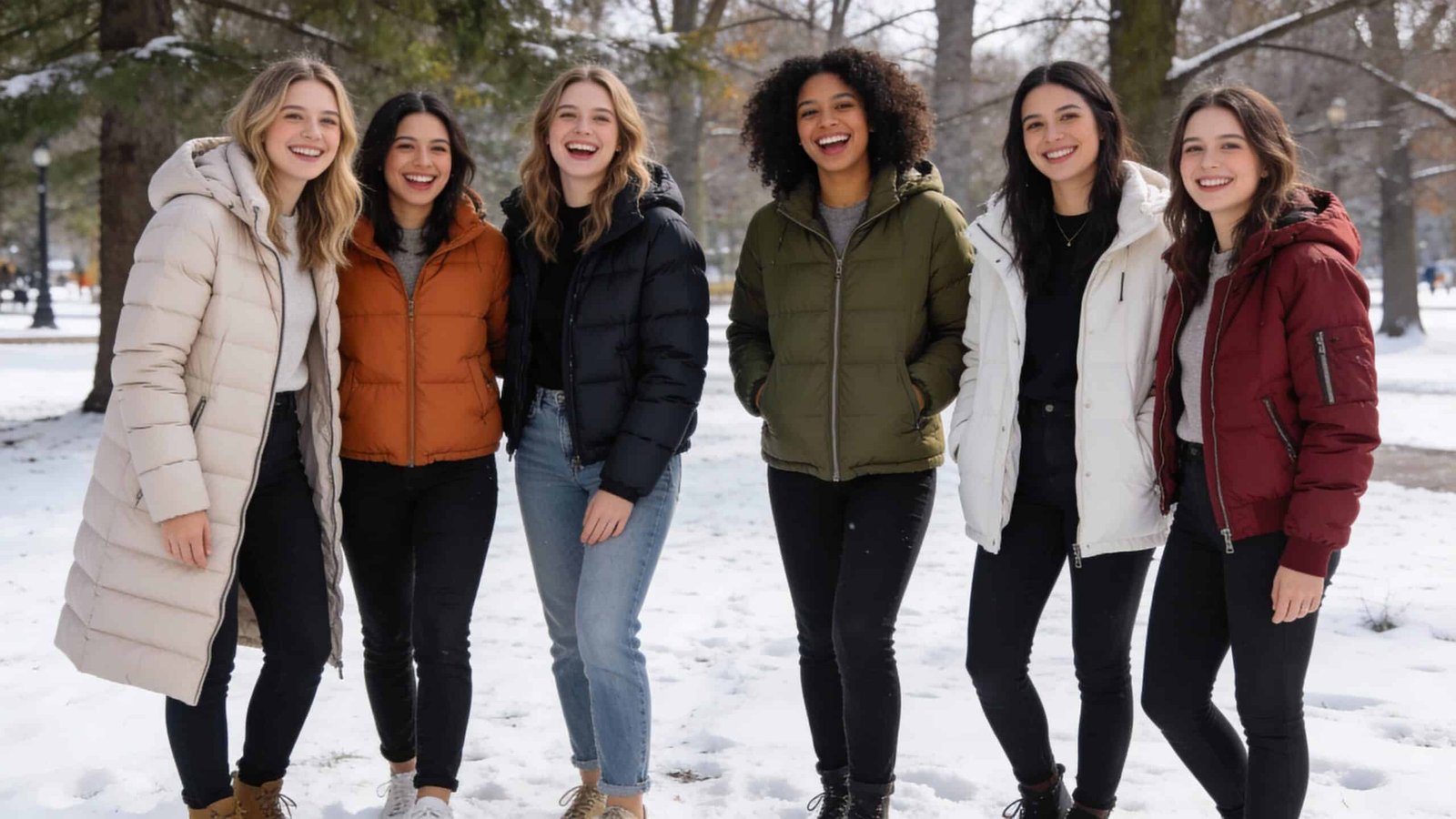
Puffer Jackets: The Warmth Champions

Puffer jackets dominate the winter jacket scene for good reason.
They deliver maximum warmth with minimal weight, and modern designs actually look flattering instead of making you resemble the Michelin Man.
Down puffers offer the best warmth-to-weight ratio on the planet.
A quality 700-fill-power down jacket keeps you toasty in temperatures well below freezing while weighing less than a laptop.
I can stuff mine into a small bag for travel, which synthetic options simply can’t match.
The downside? They’re high maintenance.
Down loses its insulating power when wet, and cleaning them requires special care.
If you live somewhere with wet winters or you’re notoriously hard on your gear, synthetic puffers make more sense.
Synthetic puffers might be slightly heavier, but they’re practically indestructible.
They maintain warmth when wet, dry faster, cost less, and you can throw them in the washing machine without a second thought.
For everyday winter wear, they’re honestly the smarter choice—even if they don’t pack down quite as small.
Parkas: The Maximum Coverage Option
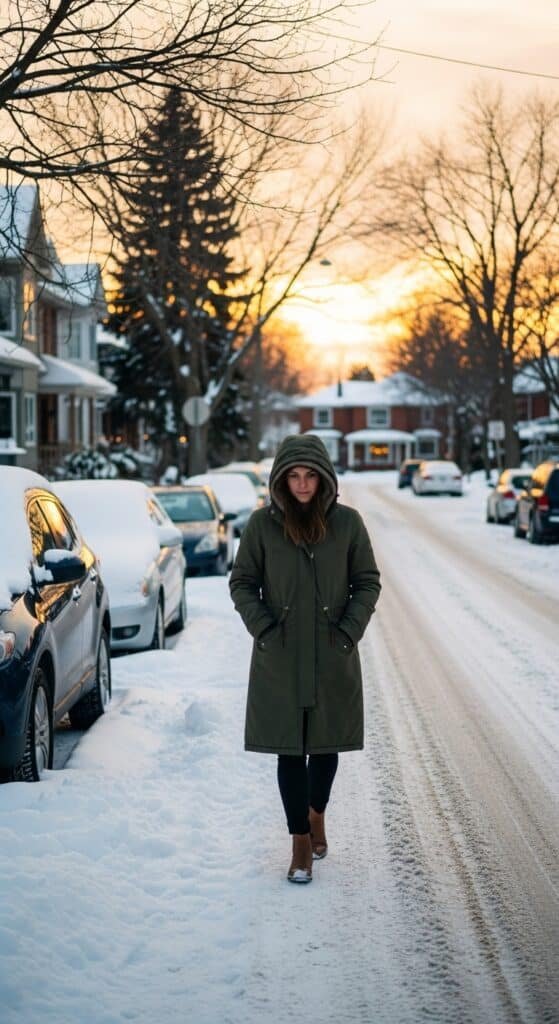
Need something that covers your butt? (Literally.) Parkas extend past your hips, offering extra warmth and protection.
I never understood the hype until I spent a winter in Chicago, where the wind chill makes you question your life choices.
Length matters when you’re waiting for buses, walking dogs, or standing outside for extended periods. A parka that hits mid-thigh or knee-length shields your legs and creates a warm air pocket around your body.
This design excels for commuters and anyone who spends significant time outdoors.
Most parkas feature removable fur or faux-fur trim around the hood. This isn’t just decorative—the fur creates a microclimate around your face and breaks up wind. Some people find it annoying; I find it essential on truly brutal days.
Look for parkas with:
- Multiple exterior pockets for gloves, keys, and snacks
- Interior storm flaps behind the main zipper
- Adjustable waist to prevent the tent effect
- Thigh-length or longer coverage for maximum warmth
Ski Jackets: The Technical Powerhouses

Don’t let the name fool you—ski jackets work brilliantly for anyone who needs serious weather protection, whether you’re hitting the slopes or just braving a nasty commute.
These jackets pack advanced features that regular winter coats skip.
Waterproofing and breathability reach their peak in ski jackets. Many feature Gore-Tex or similar membranes that keep moisture out while letting sweat vapor escape.
This technology costs more, but it transforms your winter experience if you’re active outdoors.
I love ski jackets for their ventilation systems. Pit zips let you dump heat instantly when you’re working hard, then seal back up when you stop moving.
Regular winter jackets leave you either sweating or freezing with no middle ground—ski jackets solve this problem elegantly.
Wool Coats: The Style-Forward Choice
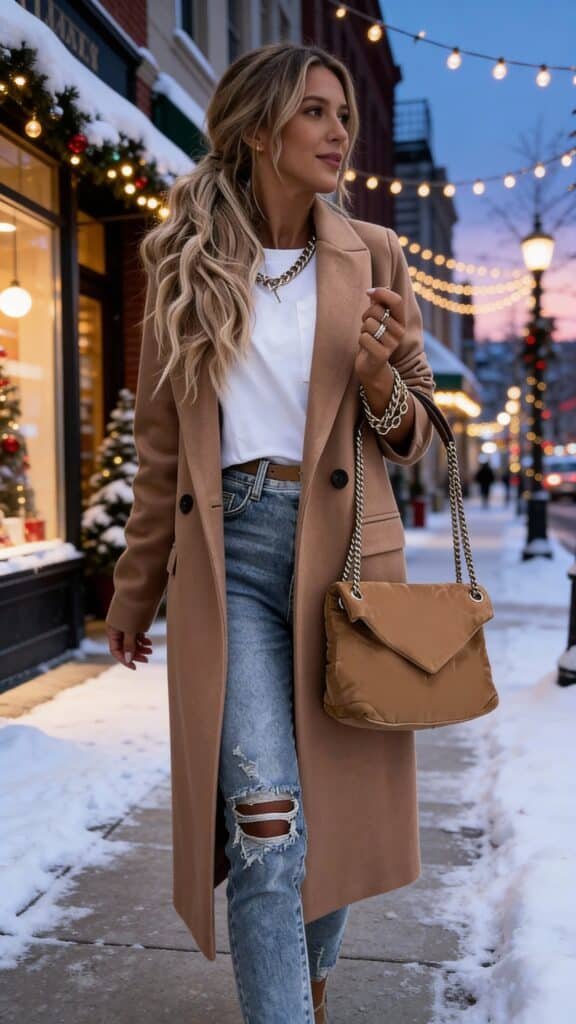
Okay, let’s address the elephant in the room: wool coats look amazing but have limitations.
They’re perfect for urban winters where you’re moving between heated spaces, but they fall short for extended outdoor exposure.
Wool excels at looking professional and polished.
A quality wool coat elevates any outfit and works for office environments where a puffer jacket feels too casual.
I keep one for dates, work events, and situations where looking put-together matters more than surviving the apocalypse.
The catch? Wool coats offer moderate warmth at best.
They’re not waterproof, they’re heavy, and they’re annoying to clean. Layer strategically underneath, and accept that you’ll sacrifice some warmth for style. That’s the deal.
How to Choose Your Perfect Winter Jacket
Consider Your Climate
Dry cold versus wet cold changes everything.
If you rarely see precipitation, down jackets and wool coats work beautifully. If you deal with rain, sleet, or wet snow, synthetic insulation and waterproof shells become non-negotiable.
Temperature ranges matter too. A jacket rated for -20°F is overkill if your winters rarely drop below 30°F, and it’ll make you miserable on milder days.
Match your jacket’s warmth rating to your actual climate—not to some theoretical worst-case scenario that happens once every decade.
Assess Your Activity Level
Do you walk a lot, or do you go from heated car to heated building? Active people need more breathability and ventilation; sedentary folks need maximum insulation.
I made the mistake of buying a super-insulated parka when I walked three miles daily—I spent the entire winter feeling like a mobile sauna :/
Commuters benefit from longer lengths and waterproof materials. Dog walkers need freedom of movement and pockets for treats and bags.
Outdoor enthusiasts should prioritize technical features and layering systems. Match the jacket to your actual lifestyle, not some aspirational version of yourself.
Budget Reality Check
Here’s some honesty: you can find solid winter jackets for women across every price point, but you get what you pay for in longevity and performance.
Budget options ($50-$150) work fine for mild winters or occasional use. They’ll last a few seasons with reasonable care. I’ve had decent luck with store brands when I just needed something basic.
Mid-range choices ($150-$400) offer the best value, IMO. You’ll find good materials, decent construction, and features that actually enhance your experience. This range includes most major outdoor brands’ core lines.
Premium jackets ($400+) deliver superior materials, advanced technology, and longer lifespans. If you spend significant time outdoors or you live somewhere with harsh winters, the investment pays off. My $500 technical parka has lasted eight years and counting—that’s about $60 per year for warmth and comfort.
Fit and Sizing Considerations
Women’s winter jackets run notoriously inconsistent across brands. Some brands cut generously for layering; others fit trim and tailored.
Always check specific brand sizing charts, and honestly? Order two sizes if you’re buying online. Returning one beats keeping a jacket that doesn’t fit.
Layering Space
Your jacket needs room for mid-layers underneath. When trying jackets, wear what you’d typically layer—a fleece or sweater—to ensure adequate space.
A jacket that fits perfectly over a t-shirt becomes uncomfortably tight once you add layers.
I like to do the “hug yourself test.” Cross your arms and hug your shoulders. If the jacket restricts movement or pulls tight, size up.
You need mobility for winter activities, not a straightjacket that looks good standing still.
Length and Proportions
Shorter jackets (hip-length) suit active lifestyles and driving. They’re less restrictive and easier to move in. Longer styles (mid-thigh to knee) provide more warmth but can feel cumbersome for some activities.
Your height influences ideal length too. I’m 5’6″, and most “long” parkas hit me perfectly at mid-thigh.
Taller women might need extended sizing; shorter women might find regular lengths overwhelming. Some brands offer petite or tall specific options—use them.
Care and Maintenance Tips
Want your winter jacket to last more than one season? Actually take care of it. (Revolutionary concept, I know.)
Down jackets require special down-specific detergent and low-heat drying with tennis balls to redistribute the fill. Skip the regular detergent—it strips the down’s natural oils and ruins its loft.
I wash mine maybe twice per winter, spot-cleaning in between.
Synthetic and technical shells tolerate regular washing better, but you should still use technical wash products. Regular detergent leaves residue that compromises waterproofing.
Reapply DWR (durable water repellent) treatment annually to maintain water-shedding ability.
Storage matters too. Never compress your jacket long-term—hang it in a cool, dry place. Compression damages insulation and reduces its warming ability over time.
And for the love of warmth, repair small tears immediately before they become jacket-destroying catastrophes.
My Top Recommendations
After testing countless options, here are the winter jackets for women that actually deliver:
For extreme cold: Look for expedition-weight parkas with 700+ fill power down or high-loft synthetic insulation. These jackets handle serious winter without compromise.
For active outdoor use: Technical ski jackets with Gore-Tex shells and pit zips provide versatility you can’t get elsewhere. They adapt to varying activity levels seamlessly.
For everyday wear: Mid-weight synthetic puffers offer the best balance of warmth, weather resistance, and ease of care. They work for most situations without being overkill.
For style-conscious buyers: Wool-blend coats layered over sweaters and thermal bases handle moderate cold while maintaining a polished appearance.
Final Thoughts
Shopping for the best winter jackets for women doesn’t need to be overwhelming.
Figure out your climate, assess your needs honestly, and prioritize features that match your lifestyle.
A jacket that works perfectly for your friend might be completely wrong for you—and that’s okay.
I’ve learned that the best winter jacket is the one you’ll actually wear. If it’s too heavy, too bulky, or doesn’t fit your style, it’ll sit in your closet while you freeze.
Find something that balances warmth, functionality, and aesthetics in a way that makes sense for your life.
And FYI? It’s totally fine to own multiple winter jackets for different situations.
I rotate between three depending on the weather and my plans.
Winter lasts too long to commit to just one option—give yourself permission to have choices. Stay warm out there! 🙂