


CampEquipmentPlus relies on reader support. Purchases made via links on our website may earn us an affiliate commission at no extra cost to you, helping keep the site running.
If you’re chasing long, soul-soothing footpaths instead of airport layovers, you’re in the right zone. We’re talking big trails, big skies, and big moments that feel earned with every step. Grab your coffee, slip on those well-worn boots, and let’s map out 10 hiker’s paradise destinations for scenic long trails.
1) Pacific Crest Trail (PCT) – California to Washington: The Ultimate Long-Distance Trophy
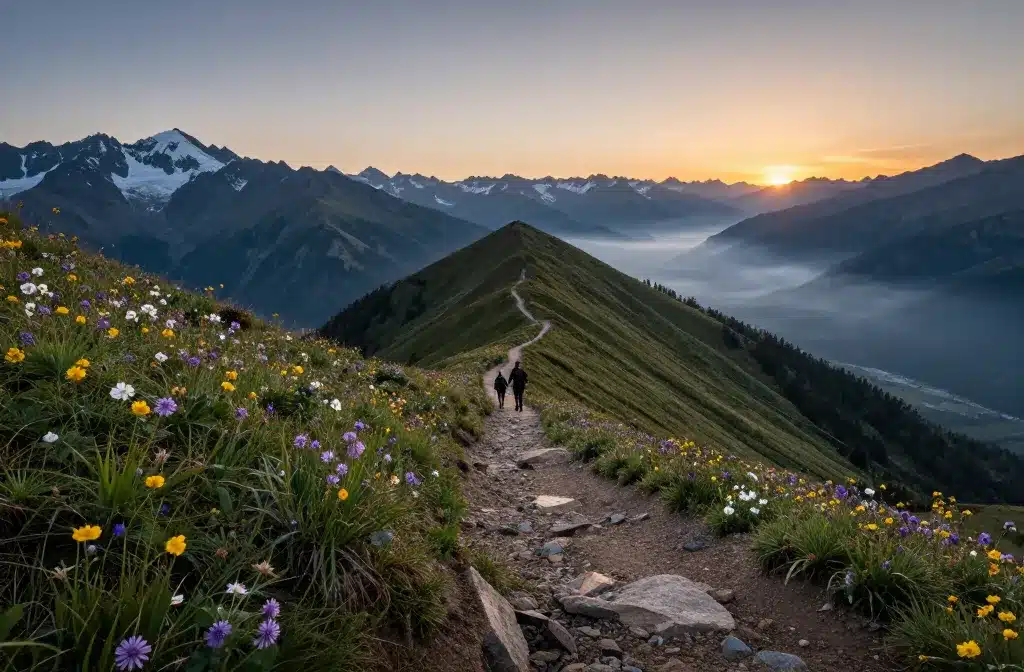
Nothing says “I completed a life-changing trek” like finishing the PCT. This trail is a masterclass in distance, scenery, and grit. You’ll cruise through sun-drenched deserts, pine-finned mountains, and wildflower meadows that look photoshopped. FYI, you don’t have to do the full 2,650 miles to get that epic-feel. Pick a section and let the miles work their magic.
- Best time to hike: late spring to early fall, depending on altitude and snowpack.
- Must-have gear: sturdy boots, layered clothing, and a reliable map app since you’ll be off-grid a lot.
- Tip: start with a long weekend section to test the waters before committing to months on trail.
2) Inca Trail to Machu Picchu – Peru: Stairways to Awe
If you crave history, culture, and jaw-dropping views, this is your jam. The classic route stacks ancient ruins, misty cloud forests, and a finale that lands you at Machu Picchu at sunrise like a VIP. It’s a long trail, but the payoff is pure cinematic.
Why this trail hooks you
– The elevation gradient keeps you honest, not hostile.
– The rhythm of stone steps becomes a meditative beat.
– The arrival at Machu Picchu feels like a movie climax you earned.
- Best time to hike: May to September, dry season with clearer skies.
- Permits: plan ahead—limited daily permits mean you’ll want to book early.
- Gear note: pack light; you’ll be stepping a lot more than you think.
3) Torres del Paine “W” Circuit – Chile: Glaciers, granite towers, and drama
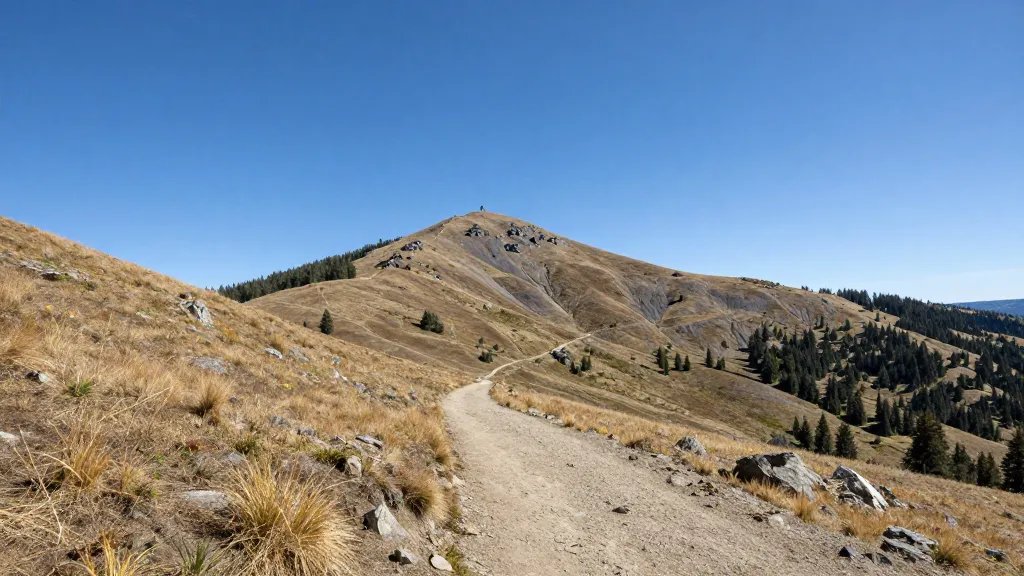
If you want a trail that has every mood swing you can dream of, this is it. The “W” hits iconic granite towers, turquoise glacial lakes, and wind that could power a small city. It’s rugged, remote, and relentlessly scenic.
What makes it a hiker’s paradise
– The scenery changes with every bend, like a nature Instagram reel in real life.
– Camp nights under the southern skies feel like a secret club you didn’t know you joined.
- Best time to hike: late spring to early fall (Nov–Mar) for milder weather.
- Logistics: plan for refugios or camp gear, depending on your style.
- Tip: bring a reliable windbreaker— Patagonia has opinions about wind.
4) Dolomites – Italy: Via Alpini and the Great Dolomiti Loop
Italian rock, dramatic peaks, and a network that makes you feel like you’ve stepped into a postcard. The Dolomites offer long-distance routes with incredible refugio dining and some of the most photogenic passes on the planet.
Two routes worth noting
– Alta Via 1: classic alpine drama with refine-your-soul vibes.
– Dolomiti Super Trail: a more ambitious loop with big days and bigger views.
- Best time to hike: June to September for accessible routes and manageable weather.
- Foodie perk: refugio meals are surprisingly delicious and fun to share.
- Practical tip: Italian trail signage is good, but carry a map and a little Italian phrasebook for charm points.
5) Grand Canyon Rim-to-Rim – USA: Desert epic, water stops, and starry skies
Think you know the Grand Canyon because you’ve seen it on a postcard? Time to rethink. Rim-to-Rim is not for the faint of heart, but the payoff—sunrise over red rock, the Colorado River roaring beneath—feels almost mythical.
How to approach it
– Doable as a two-night trip if you pace yourself, or go all-in for a single, dramatic push.
– Hydration is non-negotiable; heat and altitude demand your respect.
- Best time to hike: spring and fall for cooler temps and fewer crowds.
- Gear: lightweight layers, eye-protective sunglasses, and a headlamp that actually shines.
- Safety: start early to avoid the heat and give yourself buffer for elevations.
6) Laugavegurinn/Fimmvorduhals Pass – Iceland: Volcanic drama in a rainbow coat
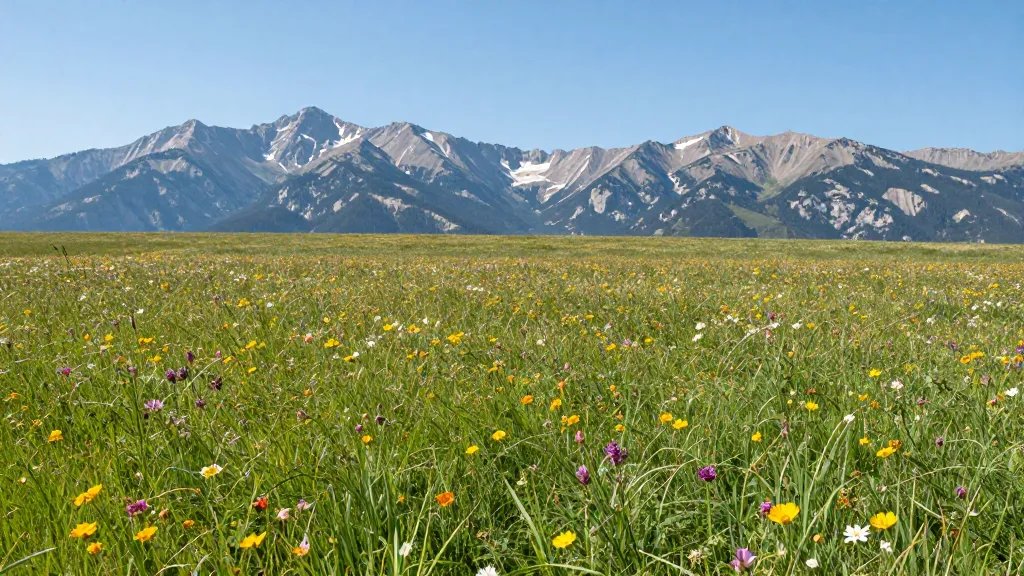
If you like your landscapes with lava fields, steaming vents, and surreal colors, Iceland won’t disappoint. This trail treats you to everything from plush meadows to lunar lava fields, all under a sky that could be photographed for calendars.
What to expect on the ground
– Climbs aren’t brutal, but weather can be merciless—dress in layers you can shed or add on a moment’s notice.
– The aurora dance isn’t guaranteed, but every night carries a possibility of magic.
- Best time to hike: June to August for the milder weather and longer days.
- Gear: waterproof everything; Icelandic weather loves to switch moods mid-step.
- Accommodation: huts along the trail are cozy; plan ahead for a bed if you’re not camping.
7) Kumano Kodo – Japan: Sacred trails and serene forests
This is mindfulness with a side of mossy stone and cedar-filtered light. Kumano Kodo threads ancient pilgrimage routes through lush forests, hot springs, and waterfalls. It’s the perfect slow-burn long trail for those who want meaning with their miles.
Why it feels different
– The rhythm leans restorative rather than adrenaline-heavy.
– Temples and shrines punctuate the path, giving you cultural checkpoints between miles.
- Best time to hike: spring and autumn for comfortable temps and color contrasts.
- Logistics: consider a multi-day stay with onsen stops to reset batteries.
- Note: Japan’s etiquette matters—keep noise low and carry out what you carry in.
8) John Muir Trail – USA: Sierra epic with a postcard cadence
This one’s the classic crowd-pleaser with a dash of mythical status. The JMT serves up high-m Alpine lakes, granite giants, and a rhythm that makes you feel like you’ve earned every step.
Trail pacing tips
– This is a marathon, not a sprint. Plan for 3–4 weeks if you want to do the whole thing in one go.
– Permit chaos can be real, so apply early and be flexible with dates.
- Best time to hike: July through early September when passes aren’t buried in snow.
- Gear: bear canister, light stove, and a sense of humor when camp neighbors snore.
- Tip:leave no trace—these mountains deserve your best version of respect.
9) Annapurna Circuit – Nepal: High pass, low-key arrogance about the miles
This is the big one for many hikers who crave altitude, culture, and a sense of scale that makes your legs feel heroic. The circuit weaves through rhododendron forests, yak pastures, and remote villages with tea houses where you’ll sleep above the clouds.
Altitude awareness
– Altitude sickness is real; pace yourself and hydrate.
– The Thorong La Pass is the crown jewel, so save your strength for the push.
- Best time to hike: March–May and Sept–Nov offer drier trails and clear views.
- Gear: warm layers, a sturdy daypack, and a good headlamp for those long, cold nights.
- Logistics: permit plus TIMS card, and arrange local guides if you’re new to high altitudes.
10) Alps Haute Route – France/Switzerland: The alpine grail with all the vibes
If you want a trail that feels like a moving hotel, the Haute Route delivers. End-to-end through some of Europe’s most glamorous scenery, it’s long days, big passes, and even bigger sunsets.
What makes it feel special
– History and luxury mingle in refuges and lodges where the wine flows as easily as the evenings breeze.
– The mountain panoramas are the kind you print and frame.
- Best time to hike: June to September for secure passes and comfortable temps.
- Logistics: you’ll want a trail itinerary with booked huts to ensure a bed each night.
- Tip: pack light but smart; you’ll be hauling more miles than you expect.
FAQ
How long should I plan to hike a long-distance trail?
Ask yourself how ambitious you feel. Some routes beg for a multi-week commitment, while others can be tackled in a series of weekend sections. Start small, then scale up as your endurance builds.
What gear can’t I skip on a long trail?
A solid pair of boots, a reliable pack, and weather-appropriate layers top the list. Hydration systems, a compact stove, and a light shelter or tent also pay off big time in comfort and safety.
How do I pick a trail that fits my pace?
Match trail length, elevation gain, and typical weather to your current fitness. If you haven’t done a multi-day trek before, start with 3–5 days and gradually add days as your body adapts. You’ll thank yourself later.
Is it better to go solo or with a partner?
Both have benefits. Solo hikes offer a deep dive into your own pace and mindset, but a partner keeps you honest and entertained on long days. If you go solo, tell someone your plan and check in regularly.
How do I stay safe in remote areas?
Carry a lightweight first-aid kit, know your route, and have a backup plan for bad weather. Share your itinerary with friends, and consider a personal locator beacon or satellite messenger if you’re venturing far from help.
Conclusion
Long trails aren’t just a workout; they’re a passport stamp with stories you’ll pull out at reunions for years. From the PCT’s sweeping reaches to the cultural soul of Kumano Kodo, these routes deliver scenery that makes you question your life choices—then immediately answer with, Yes, I want more. So which one are you itching to lace up for first? IMO, bookmark a few, book a few refuges, and let the miles pick your adventure.