

CampEquipmentPlus relies on reader support. Purchases made via links on our website may earn us an affiliate commission at no extra cost to you, helping keep the site running.
I won’t lie: some of the best camping spots aren’t in the chipped guidebooks. They’re tucked behind pine shadows, bathed in golden hour light, and somehow make the word “glamping” feel like a real option. Here are 10 National Park aesthetic camping locations worth visiting, plated with a side of stargazing and a dash of trail humor.
1. Zion National Park: Narrows Glow and Red Rock Whispers
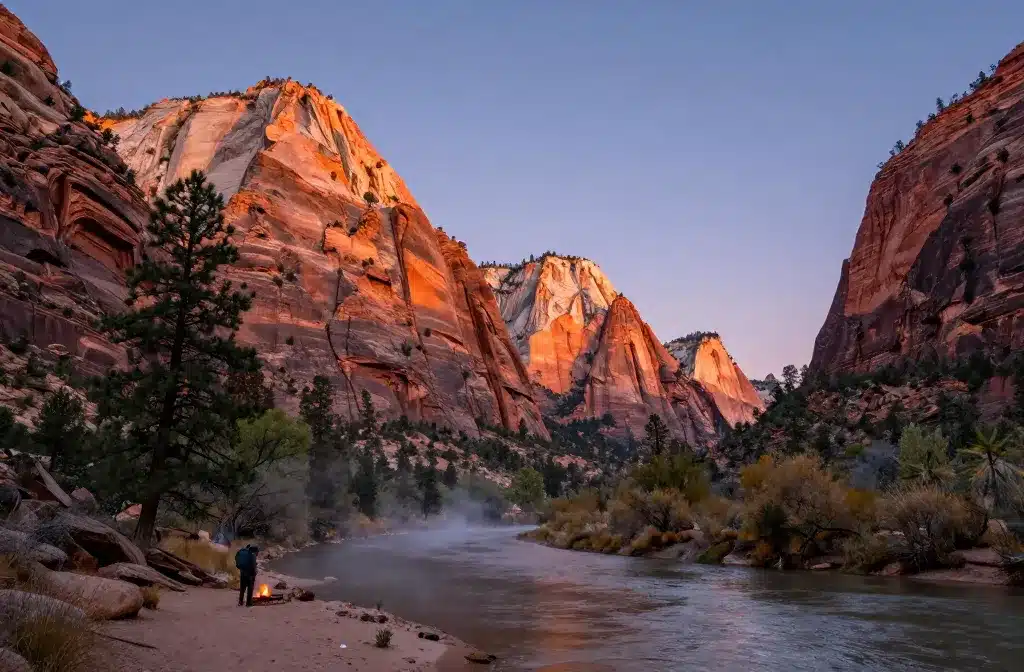
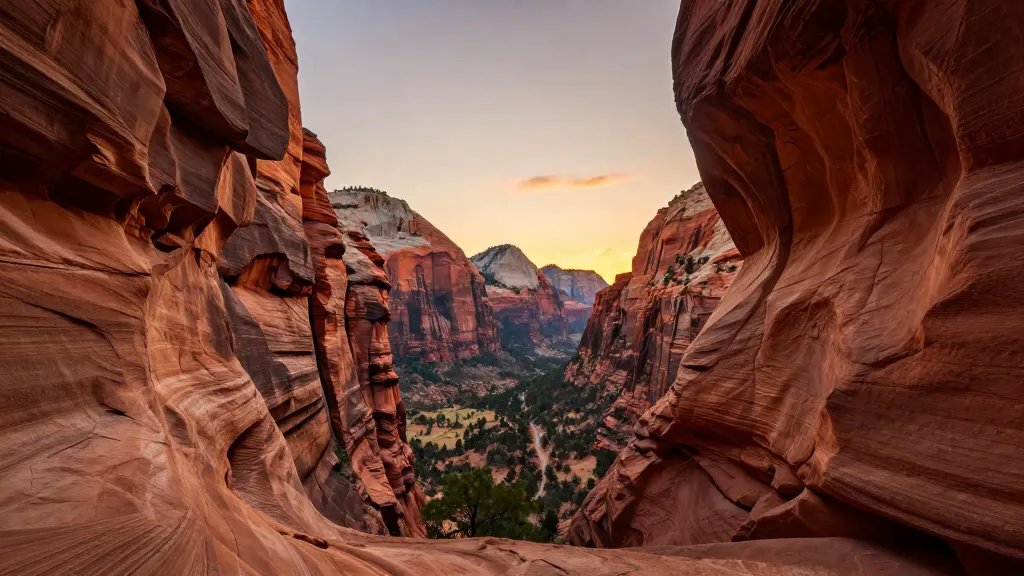
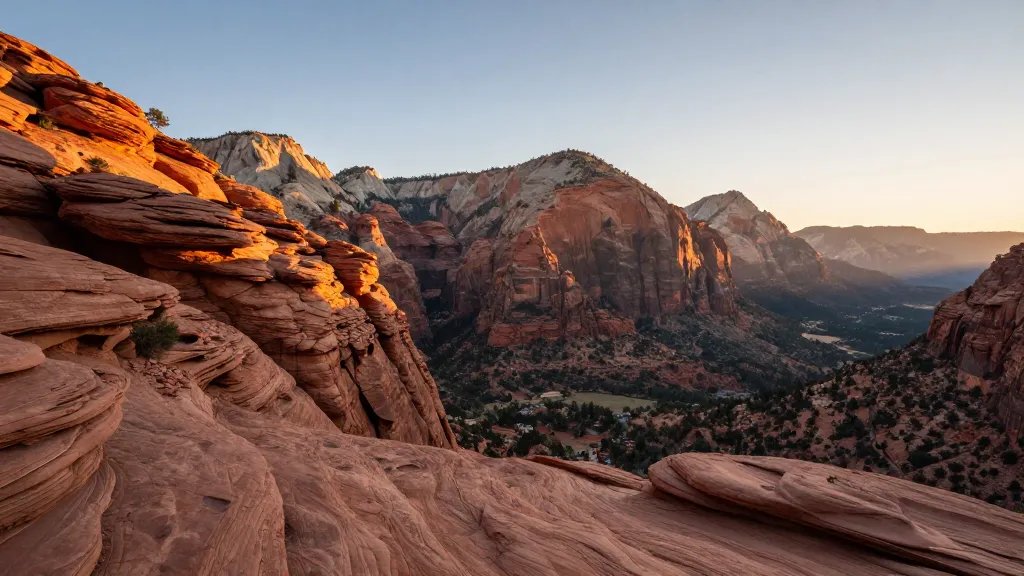
Zion isn’t shy about drama. Between the towering sandstone cliffs and the river that never seems to stop humming, you’ll feel tiny in the best possible way. Overnight spots along the slickrock rim deliver sunsets that turn the park’s orange-pink walls into a lava lamp of color.
– Pro tip: If you want that classic glow, book a canyon-side site before the light fades.
– Plan B: If you can’t snag a riverside permit, a first-come, first-served campground at Watchman delivers a surprisingly dreamy landscape.
2. Yosemite National Park: Granite, Pines, and a Long Shadow
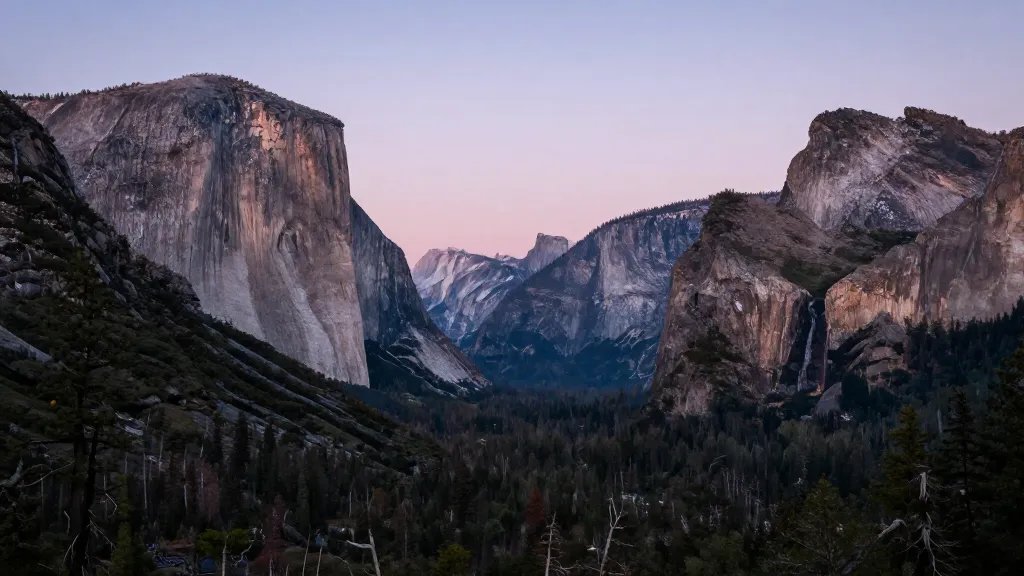
Yosemite is the kind of place that makes “epic” feel like an understatement. Camping under a cathedral of granite cliffs with the Half Dome silhouette growing brighter as the sun dips is peak nature scrapbook material.
Golden hour etiquette
– Bring layers. The granite crowding can flip from warm to brisk in minutes.
– Keep noise low; you’ll want those night sounds—a distant waterfall, a pack of owls—crisp and alive.
3. Glacier National Park: Lakes, Larches, and Low Hum of Silence
Glacier isn’t all about rugged peaks; it’s the color of the water that sticks with you. Emerald lakes, wildflowers, and early autumn larch trees set the vibe for a camping trip that feels both timeless and wild.
– Watch for wildlife but don’t be dramatic about it. Respect distances and let animals do their thing.
– A simple canoe trip on St. Mary’s Lake can be the quiet soundtrack your trip didn’t know it needed.
4. Great Smoky Mountains National Park: Mist, Moss, and Moonlit Trails
If you love a hiking day that ends with a kinder, fog-laced mood, the Smokies deliver. The fog isn’t trying to be moody; it’s just doing its thing. Campsites tucked along the ridges give you a viewpoint that looks like you photo-shopped in extra blue.
Campground vibes
– Deep in the woods sites feel cozier than a cup of cocoa.
– Don’t underestimate the morning chorus—bro, it’s like a full soundscape.
5. North Cascades National Park: Alpine Views with a Side of Silence
North Cascades is for the patient campers who want a view that makes you forget how to blink. The jagged blue-green peaks and glacial lakes feel like stepping into a postcard that isn’t afraid to be dramatic.
– Bring a powerful stove if your campfire window is short. The air can be temperamental, and you’ll want hot coffee anyway.
– The roads to some campgrounds are a grind—plan extra time, listen to the radio in the car, and pretend you’re in a nature documentary.
6. Acadia National Park: Ocean Air, Granite Coast, and Camping in a postcard
Acadia’s coastline claps back with rugged shores, pine-scented nights, and once-in-a-lifetime sea breezes. Camping here means you might fall asleep to the ocean’s gentle roar and wake up with granite cliffs painted in sunrise.
Coastal camping tips
– Pack a windbreaker and a tarp; wind can be real here, in case you’re trying to toast marshmallows without them turning into torches.
– Lighthouse views are not just daytime snacks; some sites give you a dramatic moonrise over the cliffs.
7. Grand Teton National Park: Reflections, Rangy Peaks, and Quiet Corners
Grand Teton feels like nature designed a postcard and then handed you a tent. The mirrored lakes, the pine-scented air, and the sense that you’re the only one who forgot what a real alarm clock sounds like.
– Stay near Jackson Lake if you want mirror-like water literally within reach of your camp chair.
– Sunrise hikes are mandatory, even if you’re not a morning person. The light hits the mountains like a secret handshake.
8. Badlands National Park: Erosion Art and Night Sky Theater
Badlands isn’t about grandeur in the climbing sense; it’s a sculpted moonscape that glows with a strange, timeless beauty. Campsites tucked into the rims give you a vista that looks like a painting you didn’t know you needed.
– The night sky here is a discipline in itself. Keep that star map handy and a blanket close.
– Day hikes reveal odd-rock formations that feel like they belong in a sci-fi movie.
9. Olympic National Park: Rainforest to Coastline in a Single Day
Olympic is the mood ring of national parks. You can wake up among ancient red cedars and fall asleep with the sound of the Pacific surf barely a whistle away.
Two-park-in-one day strategy
– Consider a loop route: rainforest boardwalks in the morning, then switch to a rugged coast in the late afternoon. It’s like flipping channels but with better scenery.
10. Canyonlands National Park: Canyon Conspiracy and Desert Light
Canyonlands is a desert playground where every overlook seems to have a chair waiting for you. The light here loves to play tricks, throwing warm colors across canyons that go on for days.
– If you’re chasing dramatic sunsets, head to Island in the Sky for wide, open panoramas.
– Night skies are (fyi) worth staying up for; the Milky Way looks like a spilled glitter bottle.
FAQ
What should I pack for a park camping trip focused on aesthetics?
Pack light but smart: a compact tent, warm layers, a lightweight rain shell, a good sleeping pad, and a reliable headlamp. Bring a small tripod or stabilized phone grip for those sunset snaps, plus a reusable water bottle, snacks, and a camera if you’re feeling extra. Don’t forget a camp chair for those long, scenic sit-downs.
How do I pick the most photogenic campground without crowding it?
Start by checking campsite sheets for less-visited loops, then align your trip with shoulder seasons or midweek dates. Aim for sunrise or golden-hour windows, and scout a nearby overlook that isn’t overrun with fellow shutterbugs. FYI: patience pays off—sometimes the best shot hides behind a moveable cloud.
Is it worth booking backcountry camping for aesthetics?
If you’re chasing solitude and pristine stargazing, backcountry can be magical. You’ll trade some conveniences for a front-row seat to nature’s theater. Just ensure you’re comfortable with carrying gear, following Leave No Trace guidelines, and solo navigation or with a capable group.
What about kid-friendly aesthetic camping experiences?
Many parks offer family-friendly sites with shorter hikes, easy boardwalks, and interpretive programs. Look for campground loops with picnic areas, kid-friendly trails, and ranger programs at dusk. A little science talk about stars or animal tracks adds to the fun.
Any safety tips for photography-focused trips?
Be mindful of weather, wildlife, and trail conditions. Keep distance from wildlife, secure your gear, and avoid shooting near cliff edges in windy conditions. Always tell someone your plan and have a basic map or GPS backup.
Conclusion
If your goal is campfire stories that sound like a brochure and photos that could sell print subscriptions, these locations deliver. Each spot balances awe with comfort, drama with calm, and a reminder that nature can be the best travel partner you didn’t know you needed. So grab your tent, lace up the boots, and decide which sunset you’re chasing first. IMO, you can’t go wrong with any of these 10—it’s just a matter of which one speaks to your inner wanderer today. FYI, the outdoors never runs out of magic.