


CampEquipmentPlus relies on reader support. Purchases made via links on our website may earn us an affiliate commission at no extra cost to you, helping keep the site running.
Introduction
There’s something magical about high-country trails—the kind of scenery that makes every elbow-deep breath feel worth it. If you crave views that snap your jaw open and your selfies actually count as a workout, you’re in the right chat. FYI, these eight destinations aren’t just pretty; they’re your next hiking obsession.
1. Colorado’s Maroon Bells: Sunrise Splendor Meets Easy Access
Maroon Bells is the poster child for high-country beauty, and for good reason. The mirrored lake, the jagged bells of the mountains, and the air so crisp you’ll rethink all your life choices.
Why it sticks in your memory
– The classic loop around Maroon Lake delivers those iconic reflections you’ve seen a thousand times online.
– The trail is friendly enough for a late-morning hike, but the views stay paycheck-worthy throughout.
Pro tips for getting the most out of it
– Arrive early or late to dodge crowds and parking chaos.
– Bring layered clothing; mountain mornings are chilly, afternoons can be toasty.
– If the crowds aren’t your thing, explore the nearby West Maroon Road area for quieter vantage points.
2. Zion National Park: Canyon Echoes and Red-Sandstone Vistas
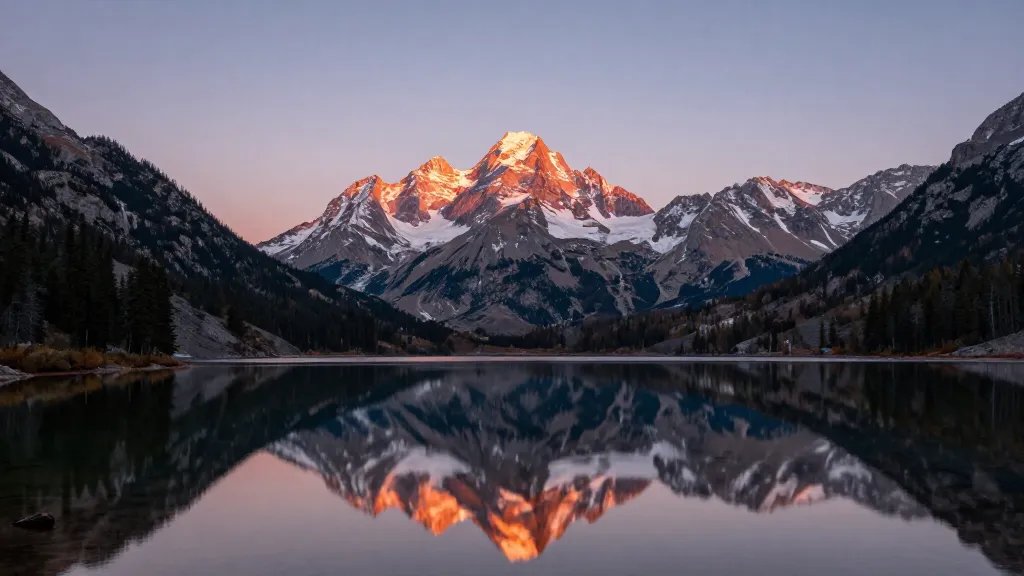
Zion isn’t just a park; it’s a playground carved from red rock and sunshine. The hikes pulse with energy, and you’ll feel tiny in the best possible way.
Signature routes worth the effort
– Angels Landing for adrenaline and epic overlooks (bring a friend who holds the camera steady).
– The Narrows, wading through water with canyon walls rising on all sides.
What to pack for Zion
– Sturdy grip socks, water shoes if you’re tackling The Narrows, and a dry bag for electronics.
– Sunscreen, a hat, and a little extra water than you think you’ll need. FYI: the desert heat is no joke.
3. Oregon’s Mount Hood: Alpine Meadows and Snow-Capped Dreams
Mount Hood isn’t just a snowy icon; it’s a year-round playground where you can swap snow boots for trail runners depending on the season.
Best trails for diverse vibes
– Timberline Trail offers a lush circuit with towering evergreens and occasional snow patches.
– Ramona Falls is a gentler option that still scratches the high-country itch.
Seasonal shifts you’ll notice
– Summer brings wildflowers galore and gnats that think you’re lunch.
– Fall paints the slopes in golds and oranges; the air feels electric.
4. California’s Sierra Big-Three: John Muir Wilderness Highlights
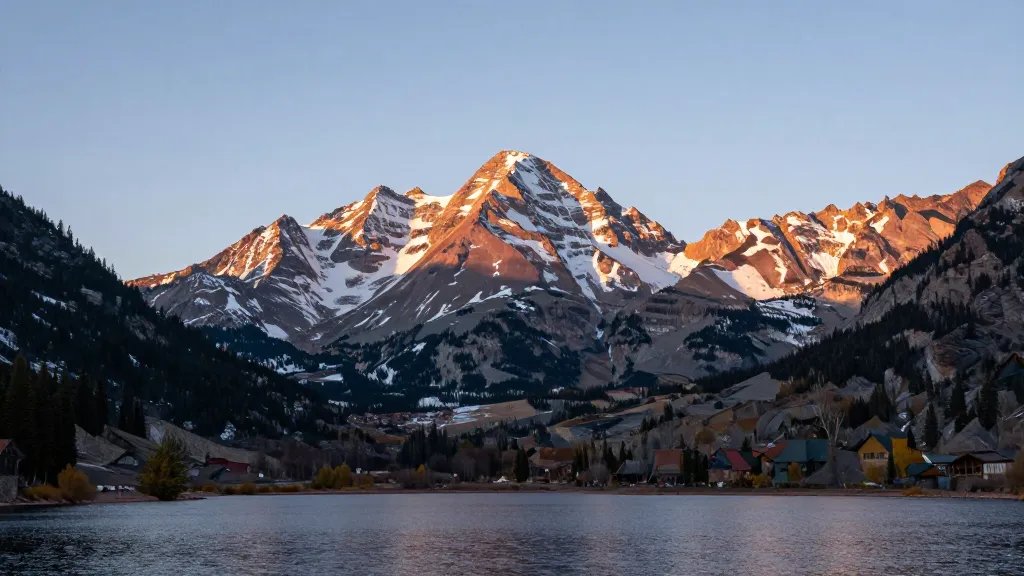
The Sierra Nevada delivers a triple threat: glacier-carved lakes, granite giants, and trails that feel like a secret I’m about to spill.
Top picks that won’t break the bank
– Lake Aloha and its turquoise coves sparkle in the sun.
– Troublesome Creek routes give you solitude with killer grand views.
Trail wisdom from someone who’s learned the hard way
– Check fire restrictions and backcountry permits well in advance.
– Pack a compact stove if you plan on a longer trek; coffee at dawn tastes heroic in the backcountry.
5. Washington’s North Cascades: Rugged High-Latitude Beauty
If you like drama, the North Cascades deliver. Think jagged peaks, deep blues, and trails that require a bit of planning but reward you with epic panoramas.
What makes the North Cascades special
– The landscape feels less touched by crowds and more by geology and weather.
– There are short, punchy hikes and longer multi-day routes for weekend warrior ambitions.
Hiking etiquette and packing notes
– Pack layers, rain gear, and a map. Cell service can be a myth in these parts.
– Respect delicate alpine areas; tread lightly and leave no trace.
6. Colorado’s San Juans: Alpine Lakes and Misty Morning Light
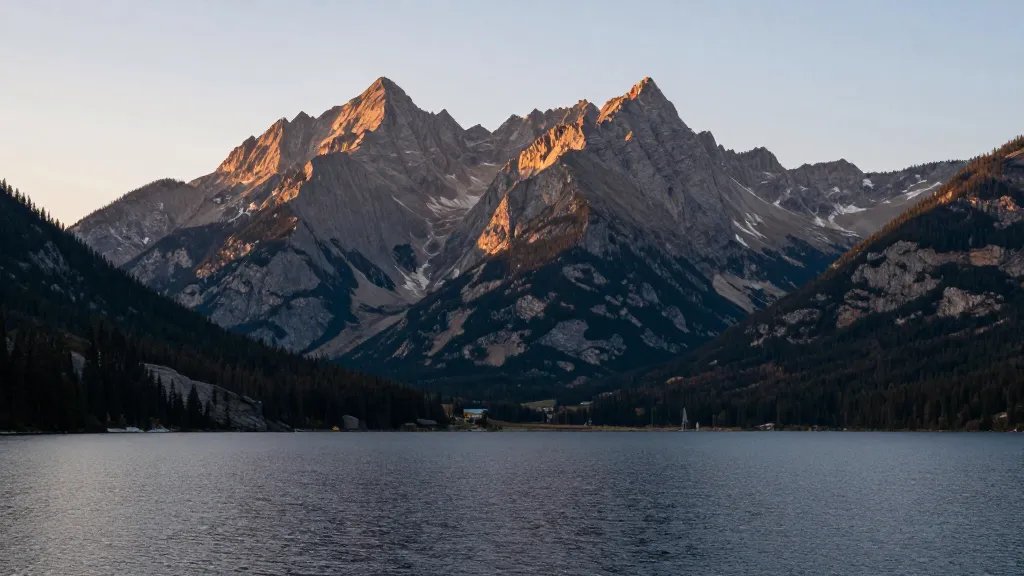
Hidden away from the busiest routes, the San Juans offer quiet beauty with sapphire lakes and lichen-streaked ridges.
Two routes that feel like a secret
– Ice Lake Basin provides turquoise beauty and a real feel of “I earned this view.”
– Rendered-to-perfection views emerge around every bend on the trail to Silver Lake.
Tips to keep the magic alive
– Start early to secure parking and steal the best light.
– Bring a microspike or traction aid if you’re crossing snowfields; yes, even in August.
7. Montana’s Two Medicine: Prairie to Peaks in a Day or Two
Two Medicine feels half train journey, half alpine daydream. It’s less crowded but every bit as rewarding.
Why hikers fall in love here
– The lakes glow with perfect reflections, and the trails dip into pine-scented quiet.
– Wildlife sightings happen more often than you’d expect, so keep the camera ready.
A practical plan
– Base in a cozy lodge or campsite and pick a couple of day hikes.
– For a longer quest, link it with a ride into nearby Glacier National Park for a full week of scenery.
8. New Hampshire’s Presidential Range: Summit Dreams, Leaf-Peeping Even Off-Season
If you’re chasing that quintessential New England high-country vibe, the Presidential Range serves up dramatic ridgelines and crisp air.
Memorable hikes to consider
– The Gulfside Trail offers sweeping mountain views with a lighter crowd.
– Mount Adams and surrounding peaks give you classic alpine thrills without needing a full mountaineering resume.
Seasonal caveats you’ll want to know
– Fall colors arrive like clockwork, so plan for shoulder-season crowds.
– Spring can be wet; bring waterproof layers and sturdy waterproof boots.
Putting It All Together: Practicalities Every High-Country Hiker Should Know
– Plan ahead: permits, weather, and parking can make or break a day.
– Pack smart: layer, water, snacks, and a headlamp—yes, even if you only plan a half-day.
Gear quick-hit
– Footwear: broke-in boots or trail runners with good tread.
– Layers: wicking base, insulating mid-layer, waterproof outer shell.
– Safety: map, compass, whistle, and a small first-aid kit.
Safety reminders that save trips
– Check the weather forecast; mountain weather changes faster than your mood after coffee.
– Leave no trace: pack out what you pack in, respect wildlife, and stay on marked trails.
FAQ
What should I bring for a high-country hike?
A sturdy pair of boots or trail runners, several layers, plenty of water, snacks, a map or GPS, sun protection, and a small first-aid kit. Always check the forecast and pack extra in case of delays.
Are these trails beginner-friendly?
Some are, some aren’t. You’ll find easier loop trails and shorter hikes in each region, plus a few classic multi-day routes that demand a bit more grit. If you’re new, start with shorter, well-marked routes and work up.
When is the best time to hike these destinations?
Late spring through early fall generally offers the best conditions, but some high-elevation zones stay accessible year-round with snow gear. If you hate crowds, aim for midweek and shoulder seasons.
How do I handle crowds at popular spots?
Rise early, choose less-traveled trailheads nearby, or explore the hinterlands around the main highlights. Patience pays off when the views finally arrive.
How can I protect the environment while enjoying these spots?
Stay on established trails, pack out every piece of trash, respect wildlife, and keep noise low so others can savor the serenity. If you carry it in, carry it out.
What’s the one trick to a great high-country hike?
Plan for weather shifts, hydrate like a champ, and pause often to soak in the moment. The better you breathe, the more you notice—the granite, the wind, the way sunlight hits the lake.
Conclusion
If you’re chasing epic landscapes and a little adventure, these eight high-country destinations deliver. They’re not just pretty pictures; they’re a reminder that nature still serves up awe on an daily basis. So lace up, grab a buddy, and start ticking off trails that make you feel alive—one breathtaking horizon at a time.