


CampEquipmentPlus relies on reader support. Purchases made via links on our website may earn us an affiliate commission at no extra cost to you, helping keep the site running.
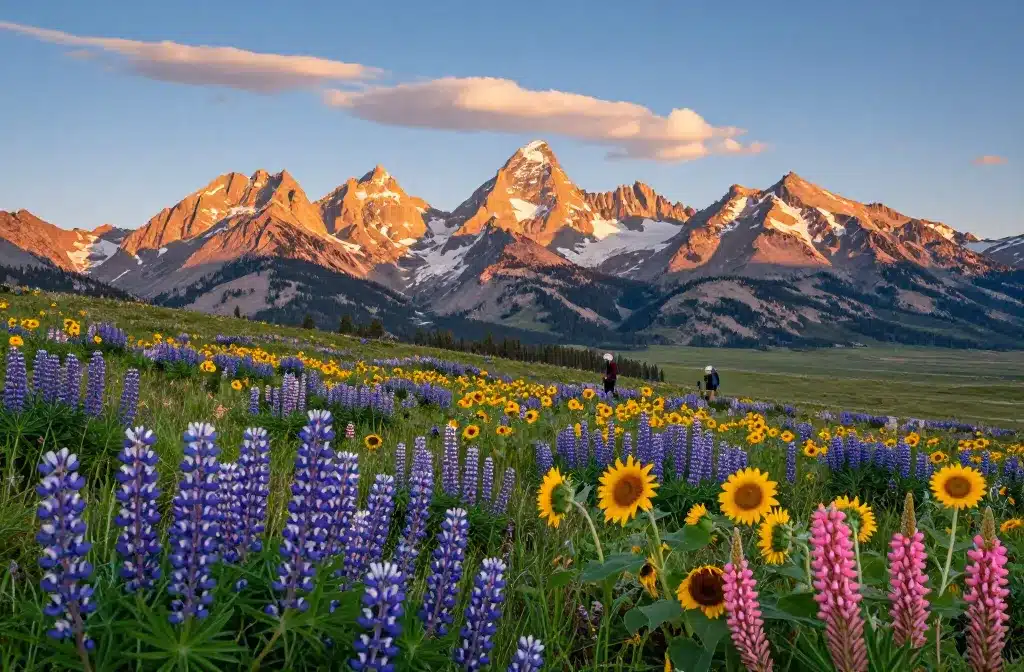
The Rocky Mountain range is basically a giant invitation to wander, sniff flowers, and pretend you’re a nature hero with pockets full of granola. If you’re a flora nerd, a hiker, or someone who just enjoys the feeling of a good pine-scented breeze, you’re in for a treat. These eight destinations showcase the best of mountain blooms, textures, and scenery—no passport required, just sturdy shoes and a curious eye.
1) Rocky Mountain National Park: Where Alpine meadows become living postcards
You don’t have to be a botany wizard to fall in love here. The park is a living catalog of alpine, subalpine, and montane flora that changes color with the seasons. In summer, you’ll stumble upon sprawling wildflower meadows that look like someone dumped a bouquet on the ground and forgot to pick it up.
– Key highlights:
– Alpine tundra blooms near the crests, where the air is crisp and the views are even crisper.
– Subalpine fir forests host delicate understory plants that feel almost ceremonial.
– Fall color shifts turn the trails into winding ribbons of gold and crimson.
Getting the most out of a day
Head to Bear Lake before sunrise for a serenity you didn’t know you needed. Bring a field guide app or a local plant ID cheat sheet, because you’ll want to know names like sky pilot, alpine sunflower, and Indian paintbrush without sounding like you’ve swallowed a nature dictionary.
2) Maroon Bells-Snowmass Wilderness: Iconic peaks, intimate wildflowers
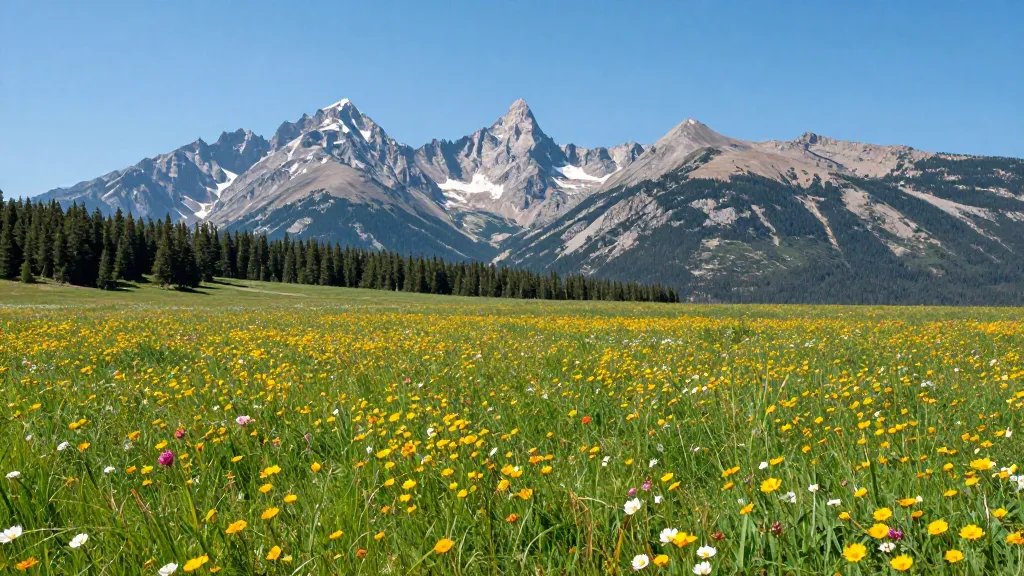
If you’ve seen a postcard of Colorado with a pair of mirrored alpine lakes, this is likely the scene you’re picturing. The valley offers iconic vistas and pockets of wildflowers that seem intentionally placed for dramatic photography.
– What to expect:
– A tapestry of asters, cinquefoils, and potentillas waltz across meadows near the lakes.
– Easy-to-moderate hikes that loop you through flower-rich corridors without turning you into a sweaty, sunburnt mess.
– Quiet corners where you can listen to birds and forget about your grocery list.
Photo tips for serious flora vibes
Wake up early for the best light and least people. A lightweight macro lens helps you get up-close shots of tiny details—like the texture of a gentian petal or the fuzz on a flossflower.
3) San Juan Mountains: A desert-meets-mountain botanical surprise
This range isn’t just about dramatic red rock and aspen groves. It hides a surprising amount of desert-adapted flora that thrives in rocky alcoves and sunny slopes. It’s like nature’s own scavenger hunt.
– Why you’ll love it:
– Warm-season blooms at high elevations mingle with cactus-dotted landscapes in patches.
– The mix of moisture from mountain streams with sun-baked rocks creates microhabitats where unusual species pop up.
– Trails range from gentle strolls to rugged scrambles, so you can calibrate your plant-spotting energy.
Finding unusual plants
Look for prickly pear cactus in sheltered nooks, and keep an eye out for shy orchids that hide under sagebrush. FYI, some plants are best admired from a respectful distance—leave no trace, even with your happy photo captions.
4) White River National Forest: The quiet understory champ
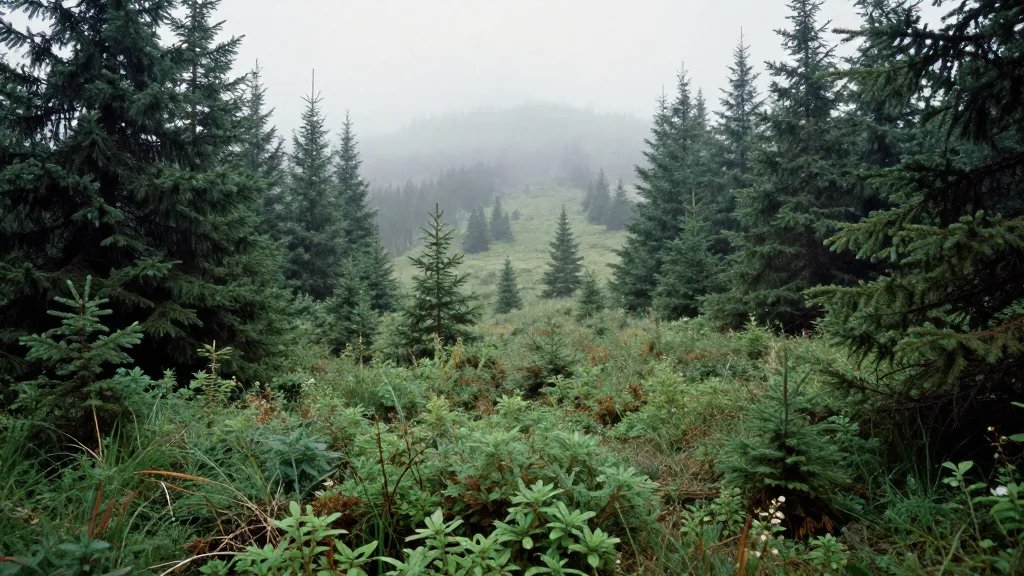
If you crave a less crowded, more intimate sensory experience, this forested expanse delivers. The understory here feels like a secret club—moss, lichens, and shade-loving wildflowers that glow after a surprise sunbeam.
– Highlights:
– Dense moss carpets and lichen-audiences that tell you you’re somewhere ancient.
– Spring ephemeral flowers that vanish as quickly as they appear, so don’t blink.
– Easy loops that are perfect for a relaxed day of botany-binging.
Trail-side micro-habitats worth scouting
Stride through aspen groves to catch fluttering blossoms and the subtle shimmer of wildflowers in the understory. Bring a small notebook to jot down quick observations; you’ll appreciate the memory jog later.
5) Flatirons: Vertical gardens on sandstone
The Flatirons aren’t just about dramatic rockscapes; they’re a reminder that geology and flora collaborate to create striking scenery. The sandstone cliffs host a surprising variety of hardy meadow plants that cling to slopes and cracks.
– Why this destination pops:
– Colorful wildflowers that tolerate sunbaked, rocky soils.
– Short, scenic trails that give you instant payoffs without turning you into a dehydrated cactus.
– Great sunset viewpoints where petals glow like little lanterns.
Tips for slippery slopes
Wear grippy shoes and watch your footing on loose gravel. If you see a cheerful marmot, don’t startle it—marmots are nature’s comedians and also excellent spotters for hiding trails.
6) Gunnison Basin: A high-country garden party
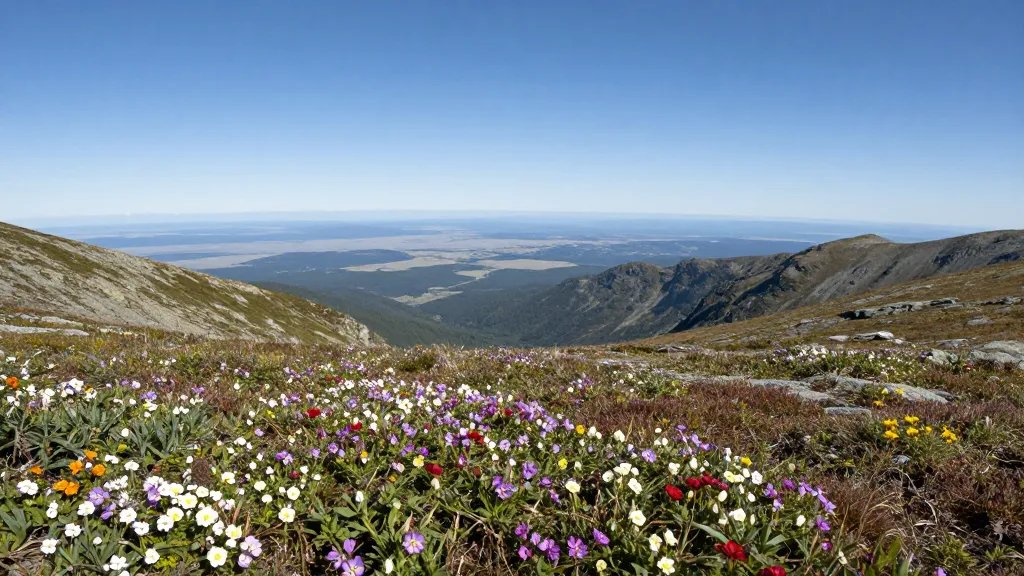
Gunnison Basin is basically a field guide with a view. It’s famous among wildflower enthusiasts for spring and early summer blooms that color the basin in palettes you didn’t think belonged together.
– What to look for:
– A mix of columbines, lupines, and segullia-like blooms that bloom in riotous clusters.
– Rich meadows dotted with shooting stars and alpine paintbrush during peak season.
– Nectar-rich flowers that attract all kinds of pollinators, turning every walk into a buzzing, colorful social scene.
Best times and routes
Mid-July to early August usually hits peak bloom. Choose loops that skim lake edges and meadow edges to maximize flower density in your photos and your memory card.
7) San Juan Skyway: A scenic loop with botanical detours
Think of it as a botanical road trip without the guilt of missing out on the scenery. The San Juan Skyway offers high-altitude meadows and tucked-away flower pockets that reward the curious traveler.
– Perks:
– Access to diverse plant communities in a compact route.
– Plenty of pull-offs to savor a flower without sacrificing the road-hugging view.
– Opportunities to pair plant-spotting with wildlife watching and stunning overlooks.
Detour ideas for the truly dedicated
Take a short side hike to a sheltered glade where you can study the structure of a bloom up close. It’s like nature’s tiny laboratory, minus the lab coat.
8) Peak Districts of Colorado Front Range: A microcosm of the Rockies
The Front Range provides a quick escape from city life with a concentrated dose of alpine, subalpine, and meadow flora. It’s perfect for a long weekend that doesn’t mess with your schedule.
– Quick hit list:
– Flower-filled meadows that pop in late spring and early summer.
– Rocky outcrops with hardy flora clinging to life and color.
– Trails that are friendly to families, solo wanderers, and your neighbor who insists they’re not outdoorsy.
Family-friendly plant spot
If you’re bringing kids, choose loops with short boardwalk sections over marshy zones to explain plant adaptations without turning the day into a “lecture.” Kids remember blooms better when they’re part of a little treasure hunt.
FAQ
What’s the best time to see peak wildflower blooms in the Rockies?
Peak bloom varies by elevation and year, but late June through August is typically prime for many subalpine meadows. Start early, stay flexible, and check local campgrounds or park service updates for current bloom reports.
Are wildflowers safe to touch or pick?
Generally, it’s best to admire from a distance and avoid picking. Some plants are protected, and disturbing them can harm fragile ecosystems. If in doubt, take photos and leave the flora where it thrives.
Do I need any special permits to visit these areas?
Most destinations require only a standard park entrance or forest pass. If you plan to camp or park in some backcountry spots, check the specific area’s regulations. FYI, a little planning goes a long way.
Can I combine wildlife watching with flower spotting?
Absolutely. The Rockies are a smorgasbord of life: pollinators, birds, and occasionally marmots will happily share the stage with a favorite bloom. Bring patience, a decent zoom lens, and a snack for when the critters decide to photobomb you.
Conclusion
If you’re chasing the kind of scenery that makes you want to hum to yourself and carry a pocket field guide, the Rocky Mountain flora destinations above do not disappoint. Each spot offers a mosaic of color, texture, and tiny miracles that remind you why you love nature in the first place. So lace up, breathe deep, and let the mountains teach you their blooming secrets—one trail at a time. IMO, there’s no better therapy than a day among wildflowers with a friend who appreciates the same small, gorgeous things.