


CampEquipmentPlus relies on reader support. Purchases made via links on our website may earn us an affiliate commission at no extra cost to you, helping keep the site running.
The best photos happen when you chase light, not crowds. If you’re itching for landscapes that snap back with drama and soul, you’re in the right zone. Grab a coffee, charge those batteries, and let’s map out 10 beautiful landscape destinations perfect for outdoor photography.
1) Patagonia’s jagged poetry: Torres del Paine, Chile
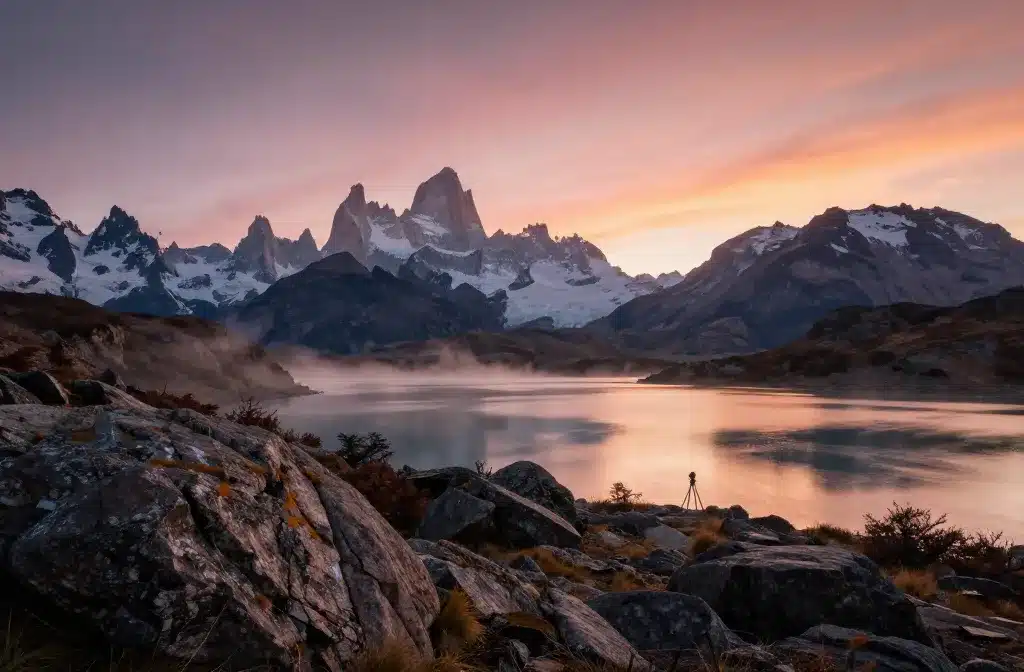
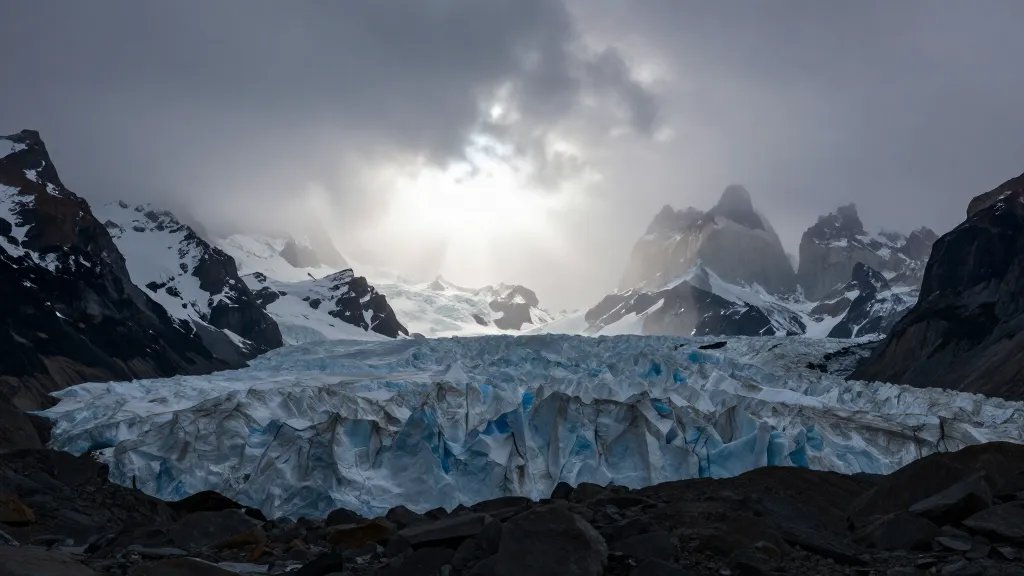
The mountains here look like they were sketched with a blunt pencil—bold, jagged, and impossibly epic. Sunrise over the Cuernos del Paine or the Grey Glacier makes color critics scream with joy. If you’re chasing dramatic weather, Patagonia serves it on a silver platter.
– Best light: early morning when the wind hasn’t blown away the clouds yet.
– Gear tip: a sturdy tripod and a wide-angle lens help you squeeze in the vastness.
– Solo or group: both work, but don’t be surprised if you end up sharing viewpoints with curious guanacos.
2) Iceland’s otherworldly hush: Snæfellsnes Peninsula
This is the land that puts a picnic blanket on your imagination. Volcanoes, lava fields, black sand beaches, and dramatic sea cliffs all in one compact area. It’s like a sampler platter for landscape nerds.
Why Snæfellsnes steals scenes
– Easy access: you can circle the peninsula in a day or two and still feel inspired.
– The star shot: Kirkjufell with its waterfall makes for a poster-worthy composition.
– Weather game: be ready for sun, fog, rain, and sudden wind. FYI, it’s all part of the charm.
3) The American Southwest’s red-soled canyons: Zion and Antelope Canyon
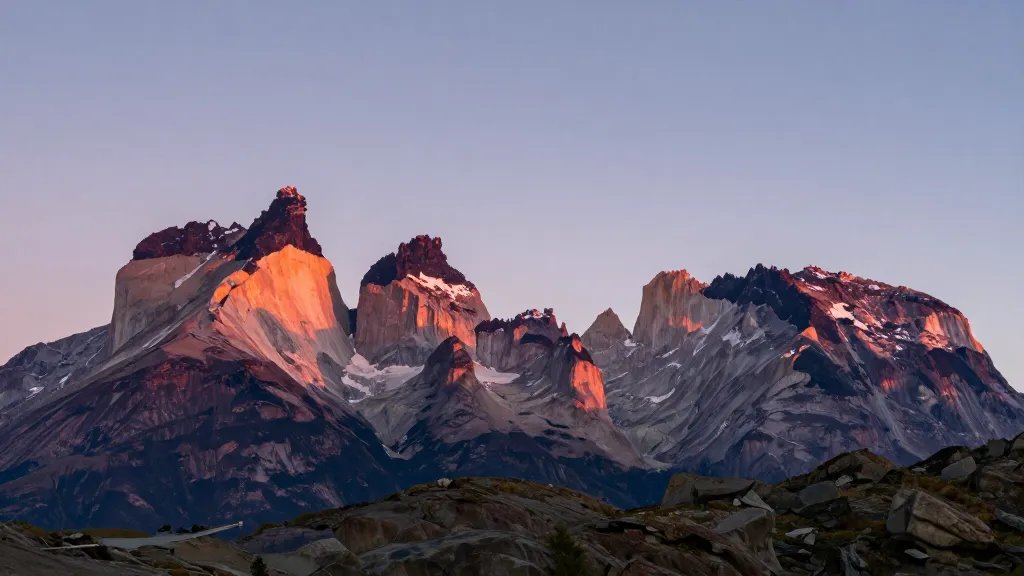
If you want color that practically hums, these red rock masterpieces deliver. Zion’s canyon walls glow under golden hour, while Antelope Canyon offers light-beam magic you only see in photos and dreams.
– Best light: late afternoon in Zion; Antelope Canyon loves sunbeams through narrow openings.
– Technique tip: shoot in RAW, bracket exposures, and stitch if you’re chasing dramatic skies.
– Practical tip: bring water and keep an eye on the heat—these canyons bite back.
4) The Dolomites’ rock ballet: Italy
Picture turquoise alpine lakes framed by towering, jagged peaks. The Dolomites choreograph light like a conductor—soft mornings, sharp afternoons, and endless alpine textures.
Two must-try spots in the Dolomites
– Tre Cime di Lavaredo: iconic silhouette, ideal for epic wide shots.
– Seceda: ridgelines that feel both grand and intimate at the same time.
– Gear pick: a telephoto for the distant peaks and a wide angle for the sweeping valleys.
– Hiking tip: dawn patrols payoff big—you’ll beat the crowds and catch that crisp, fresh air glow.
5) Yosemite’s timeless invitation: California, USA
El Capitan, Half Dome, and Yosemite Falls aren’t just tourist magnets; they’re a playground for landscape photographers with a taste for drama. The valley floor glows with a golden mood that’s almost cliché in the best possible way.
– Best seasons: spring for waterfalls, fall for leaves and color, winter for a serene white stage.
– Composition move: include people for scale, or go minimalist with a lone tree against the granite giants.
– Local pro-tip: arrive early, but stay late—the light shifts like a DJ spinning a vibe you didn’t know you needed.
6) The Scottish Highlands’ wild poetry
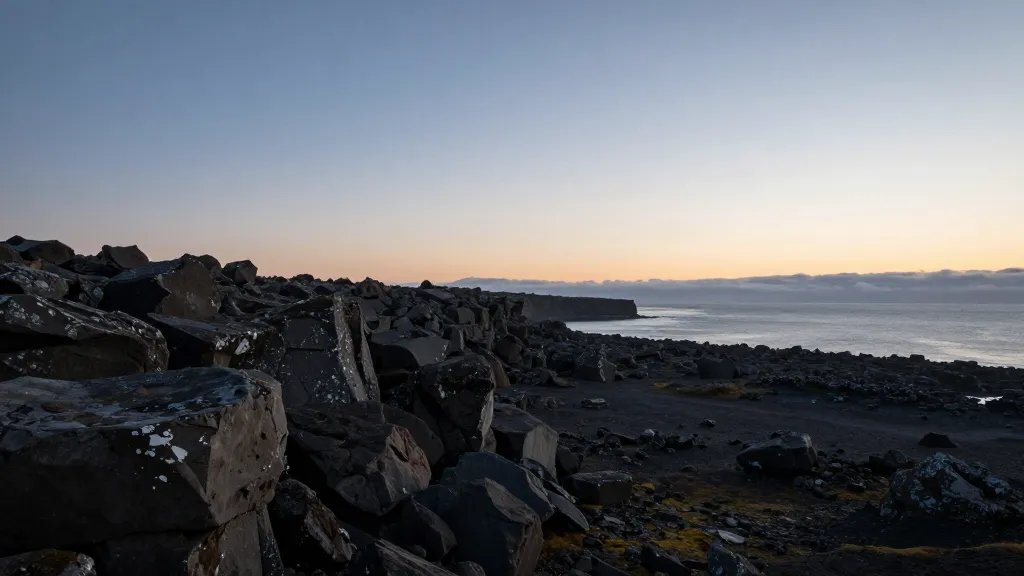
Think rolling moors, lochs that reflect every cloud, and skies that seem stitched by a dramatic seamstress. The Highlands reward patience and a willingness to wander.
Low-key tips that actually work
– Shoot in the blue hour to coax color out of the heather and water.
– Bring a weather-sealed camera or at least a rain sleeve—you’ll thank me later.
– Don’t fear fog; it adds a moody, ethereal layer to your landscapes.
7) Namibia’s otherworldly dunes
Sossusvlei throws up large, peachy dunes against bone-dry flats. The light here is a sculptor’s tool, carving shadows that make textures pop in ways you don’t see everywhere.
– Best time: golden hours when the dunes glow and the sky gets dramatic.
– Composition cheat: foreground interest like a lone tree or an ox wagon track can up the storytelling.
– Practical: bring extra batteries for long blue-sky stretches and keep sunscreen handy.
8) New Zealand’s South Island’s natural setup
Milford Sound, Milford Road, Lake Wakatipu—New Zealand has a knack for cinematic landscapes. The rain, rivers, and mountains create a constantly evolving backdrop you can chase for days.
– For fans of variety: mix fjords, glacial lakes, and alpine meadows in one trip.
– Time-saving trick: plan logistics around weather windows; a bad forecast can be a blessing in disguise, giving you downtime to edit.
9) The Azores’ emerald volcanic islands
Green cliffs, turquoise waters, and volcanic lakes—these islands feel like a well-kept secret with a big, friendly nature heart. The ocean adds texture that begs for long exposures and moody skies.
– Best island picks: Flores for waterfalls, São Miguel for volcanic calderas.
– Light strategy: shoot early, then switch to longer exposures of sea cliffs as the day wanes.
10) Patagonia’s southern crown: Tierra del Fuego, Argentina
If you want to end with a bang, this southern tip gives you winds, ice, and a near-obsessive sense of isolation. The terrain feels simultaneously ancient and alive, especially under a dramatic skyscape.
– Key tip: pack layers like you’re prepping for an expedition—you’ll thank yourself when a storm rolls in.
– Favorite technique: combine wide landscapes with tight close-ups of ice formations for a story that travels.
FAQ
What gear should I prioritize for landscape photography trips?
A dependable wide-angle lens, a versatile zoom, and a sturdy tripod are your core. Add a mid-range telephoto for distant details, plus a ND or polarizing filter if you’re chasing water, skies, or glare. Don’t forget extra batteries and memory cards—your future self will thank you.
How do I handle changing weather on a multi-destination shoot?
Embrace it. Pack layers, waterproof gear, and have a flexible shooting plan. When clouds roll in, switch to moodier, moody frames; when sun peaks between breaks, go for dramatic contrasts. FYI, patience is a photographer’s best friend.
Is travel distance a major constraint for landscape photography trips?
Not anymore. With well-planned routes, you can cover multiple iconic landscapes in one trip. The key is to cluster locations by proximity and seasonal weather. If a place looks photogenic in the forecast, factor in buffer days for weather delays.
How can I avoid overcrowding at popular spots?
Go early, stay late, and consider shoulder seasons. Some spots also reveal hidden nooks with just-as-gorgeous angles once you explore beyond the first viewpoint. A little exploration goes a long way.
What’s the best approach to storytelling in landscapes?
Think in layers: foreground interest, mid-ground character, and a compelling background. Use leading lines, scale, and a touch of human element for a sense of place. Remember: the photo should feel like a moment you want to revisit.
Conclusion
If you’re chasing landscapes that spark joy, these destinations deliver. They’re not just pretty postcard views; they’re playgrounds for light, texture, and movement. So pick a couple, map a route, and plan a shoot that feels like an adventure—and maybe bring back a photo that makes your future self smile. Happy shooting, and may your SD cards be forever hungry for more.