
CampEquipmentPlus relies on reader support. Purchases made via links on our website may earn us an affiliate commission at no extra cost to you, helping keep the site running.
Climbing gear can feel overwhelming, but these outfit ideas cut through the clutter. They’re practical, comfy, and built to keep you protected while you crush routes. FYI, safety stuff doesn’t have to be boring or bulky.
1. Layer Textures for Versatility
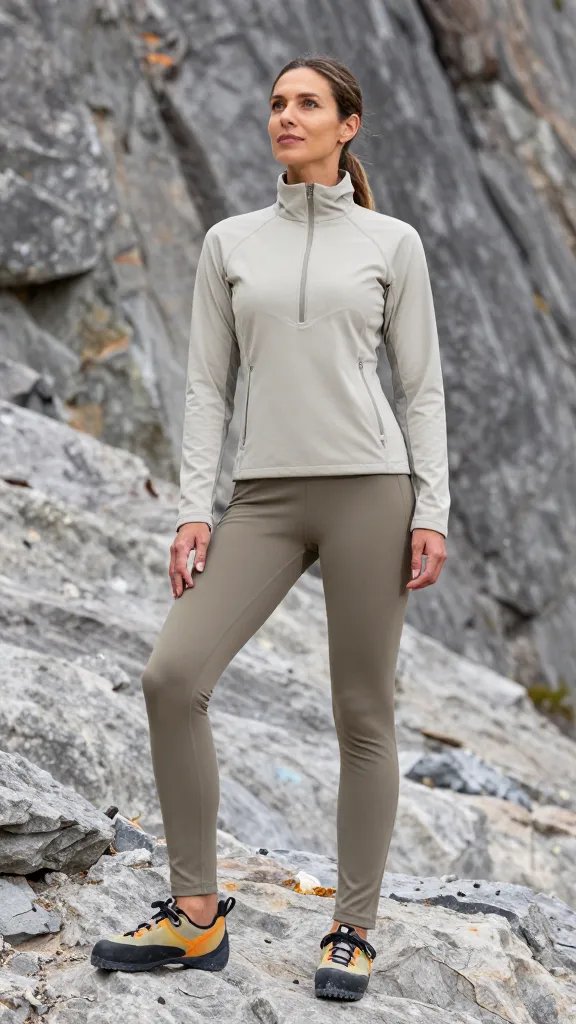
Texture layering keeps you breathable when you heat up on a climb and warm on a chilly belay. Mixing fabrics lets you adapt without swapping outfits mid-session.
Key Points
- Lightweight base layer that wicks sweat
- Stretchy mid-layer for mobility
- Durable outer shell that blocks wind
Start with a moisture-wicking top, add a thin fleece or synthetic layer, and top it with a windproof shell. This combo looks casual off the wall but behaves like armor while you move.
Benefits: moves with you, reduces overheating, and looks stylish on belay stations.
2. Durable Leggings with Strategic Reinforcements
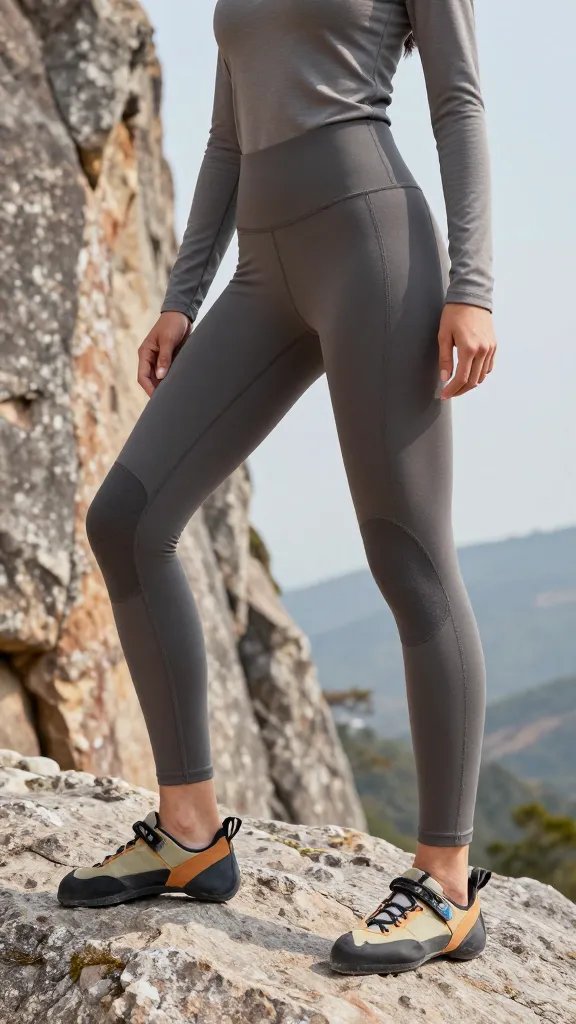
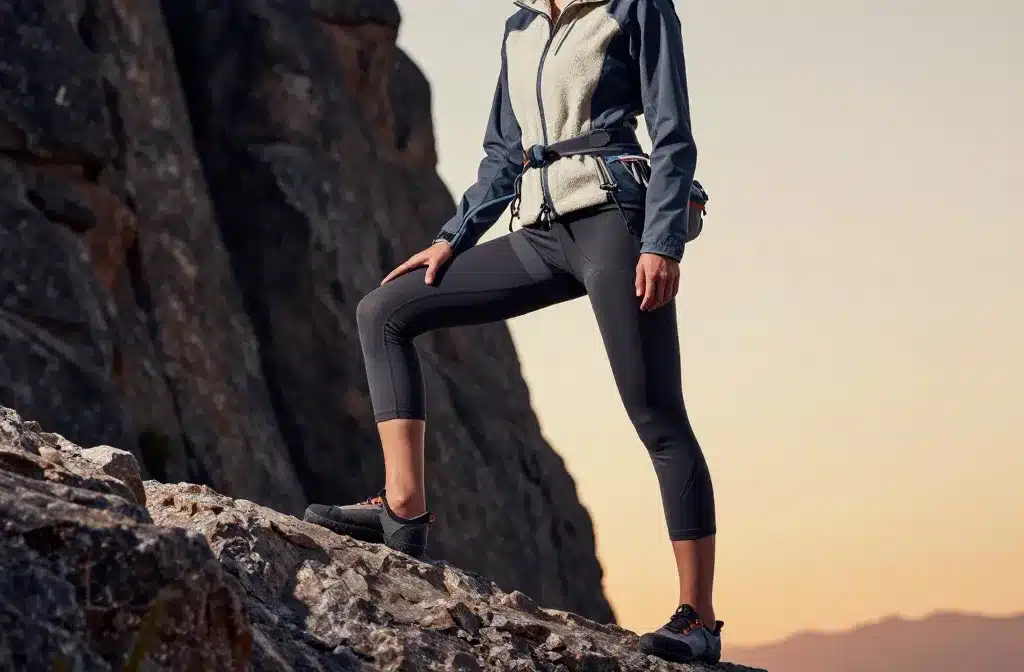
Your legs do the heavy lifting, so pick leggings that flex, breathe, and resist abrasion. Reinforcements at knees and calves protect you on sharp holds and scrambles.
Why They Rock
- Four-way stretch fabric for full range of motion
- Reinforced knees for kneeling and edging
- Flatlock seams to prevent chafing
Look for a mid-rise fit so you feel secure when you reach high feet. Seriously, comfort here equals confidence on the wall.
Tip: pair with ankle-high socks to prevent snagging on rope or rocks.
3. Breathable, Protective First-Layer Tops
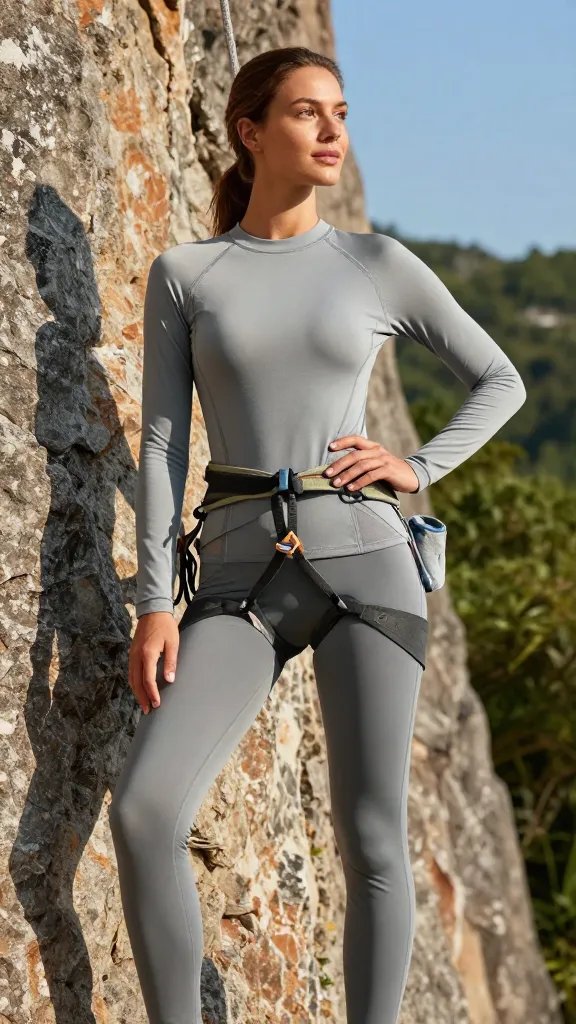
A good base layer is your best friend: it wicks, dries fast, and protects skin from rough rock. Choose fabrics that regulate temperature without sagging.
What to Look For
- Mesh panels for airflow in hot climates
- Flat seams to avoid irritation
- UPF fabric for sun exposure
FYI, a slightly fitted cut keeps your harness from bunching and your moves clean. It’s amazing how much smoother climbs feel with the right base.
Application: wear solo on warm days or as a base under layers on cold ones. It’s your foundation for comfort.
4. The All-Weather Hoody with Stretch
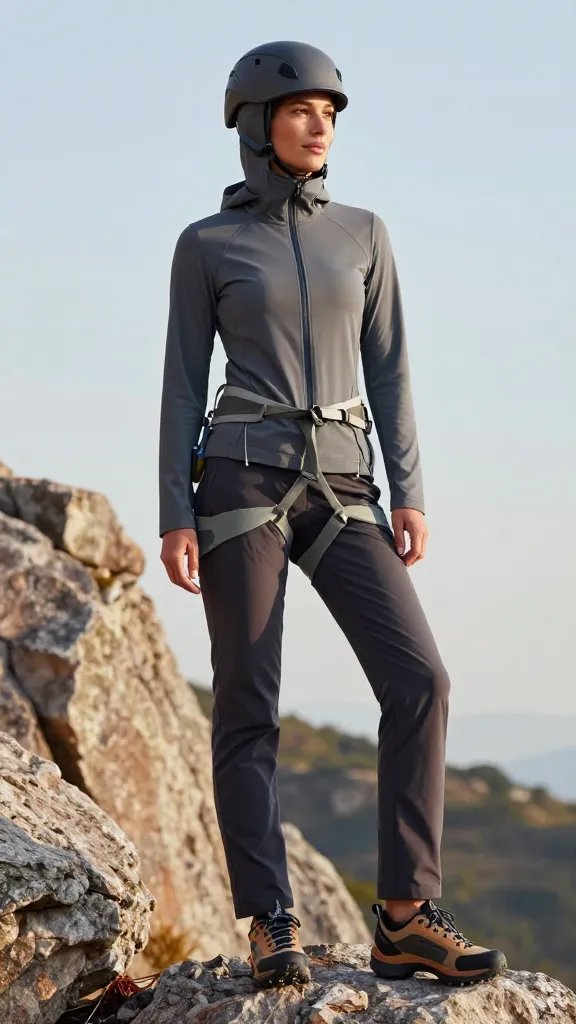
A lightweight, stretchable hoody is perfect for unpredictable weather and belay sessions. It stays put when you move, and it’s easy to stash in a pack.
Smart Add-ons
- Thumb loops to keep sleeves in place
- Front zipper for quick temperature changes
- Hood that fits over a helmet if needed
Benefits: quick layering, keeps sun off your neck, and transitions from crag to café without a fashion crisis.
When to use: on breezy days, or during cooler evenings waiting for your partner to send.
5. Harness-Friendly Shorts That Don’t Vanish on You
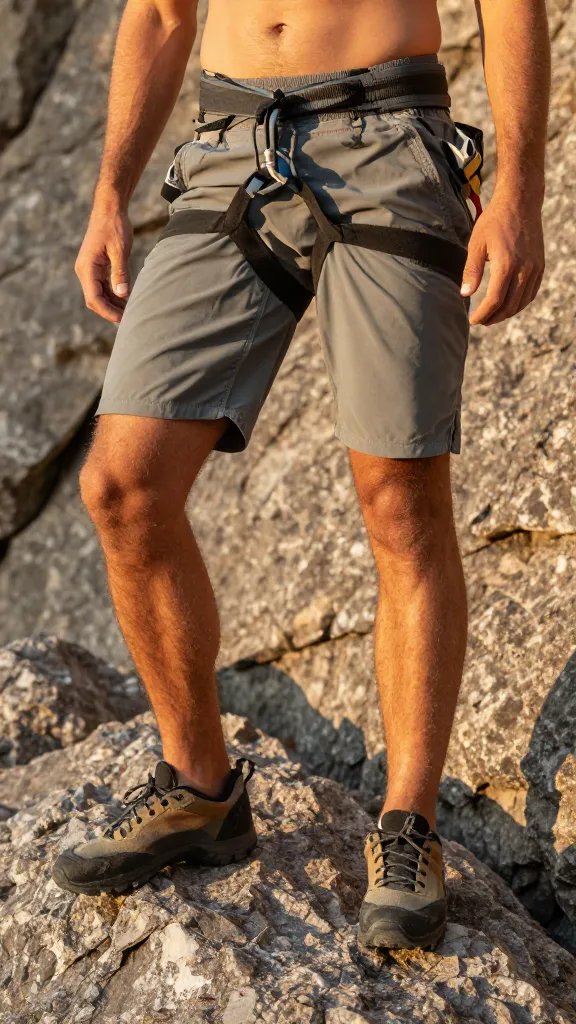
Shorts are a climber’s best friend in warm months, but you still need coverage where it matters. Look for harness-compatible shorts with reinforced seams and stretchy fabric.
Key Features
- Elastic or adjustable waist for harness comfort
- Grip panels or silicone edging to stay put
- Cordura or similar abrasion-resistant panels at hips
End note: these shorts let you move freely without creeping fabric or constant readjustment. Your skin will thank you after a long day on rock.
6. Rock-Solid Footwear: Shoes and Socks That Speak Clarity
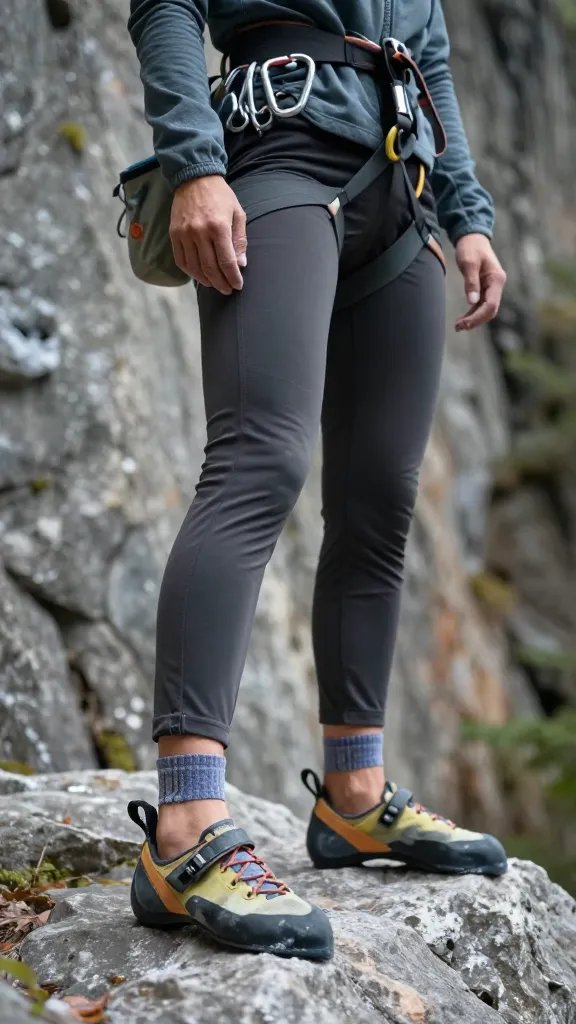
Footwork wins climbs, so pick shoes and socks that keep you planted and precise. Don’t underestimate the power of a good grip and breathable socks.
Tips for Shoes
- Downturned or neutral for different styles
- Well-fitted with a snug heel to avoid slips
- Rope solo-friendly laces or quick-pull closures for convenience
Socks matter too: moisture-wicking, breathable fibers prevent hot spots and blisters. Trust me, happy feet climb better.
When to switch: replace worn-out soles or stretched elastics early to avoid being uncomfortable on long sends.
7. Protective Tops with Built-In Mobility
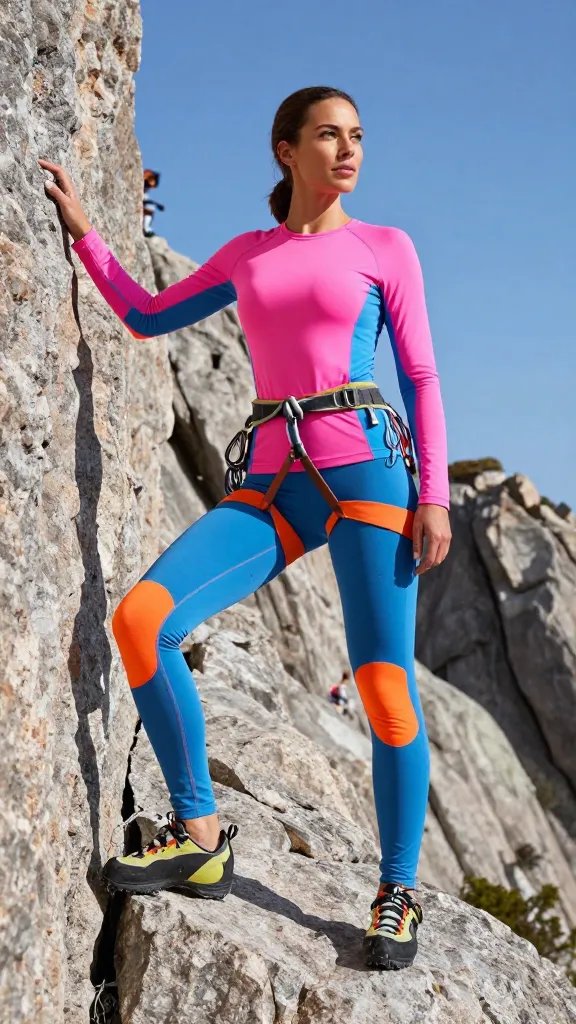
Protective yet flexible tops shield you from sun, scrapes, and mini sharp edges. Look for fabrics that stretch, breathe, and resist wear at the elbows and shoulders.
Best Practices
- Long sleeves with rolled-tab options for sun control
- Elbow patches or reinforced panels for durability
- Bright colors for visibility during outdoor climbs
Bonus: a little color helps your partner spot you on busy routes. It’s not vanity; it’s safety with style.
8. Packs That Move With You, Not Against You
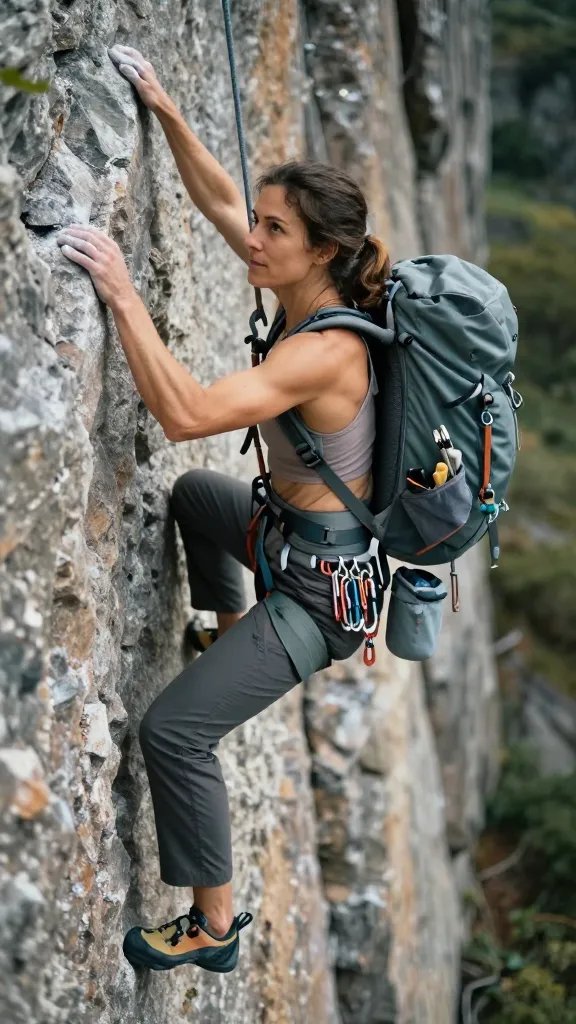
Your pack should disappear into your movement, not steal it. Choose compact, ergonomic designs with secure straps and easy access to essentials.
Pack Essentials
- Hydration bladder or bottle within quick reach
- Backpanel ventilation to reduce sweat build-up
- Accessible pockets for carabiners, etc.
Benefits: reduces fatigue and keeps your hands free for precise footwork. It also makes belays a breeze and keeps you organized when you’re mid-crux.
Ready to level up your kit? These eight ideas blend safety and comfort with a touch of personal style, making every climb a little more enjoyable.
Conclusion: Try one or two ideas this week, see what clicks, and build from there. You’ll be surprised how a smarter outfit can transform your confidence and performance. Trust me, your future self will thank you.