
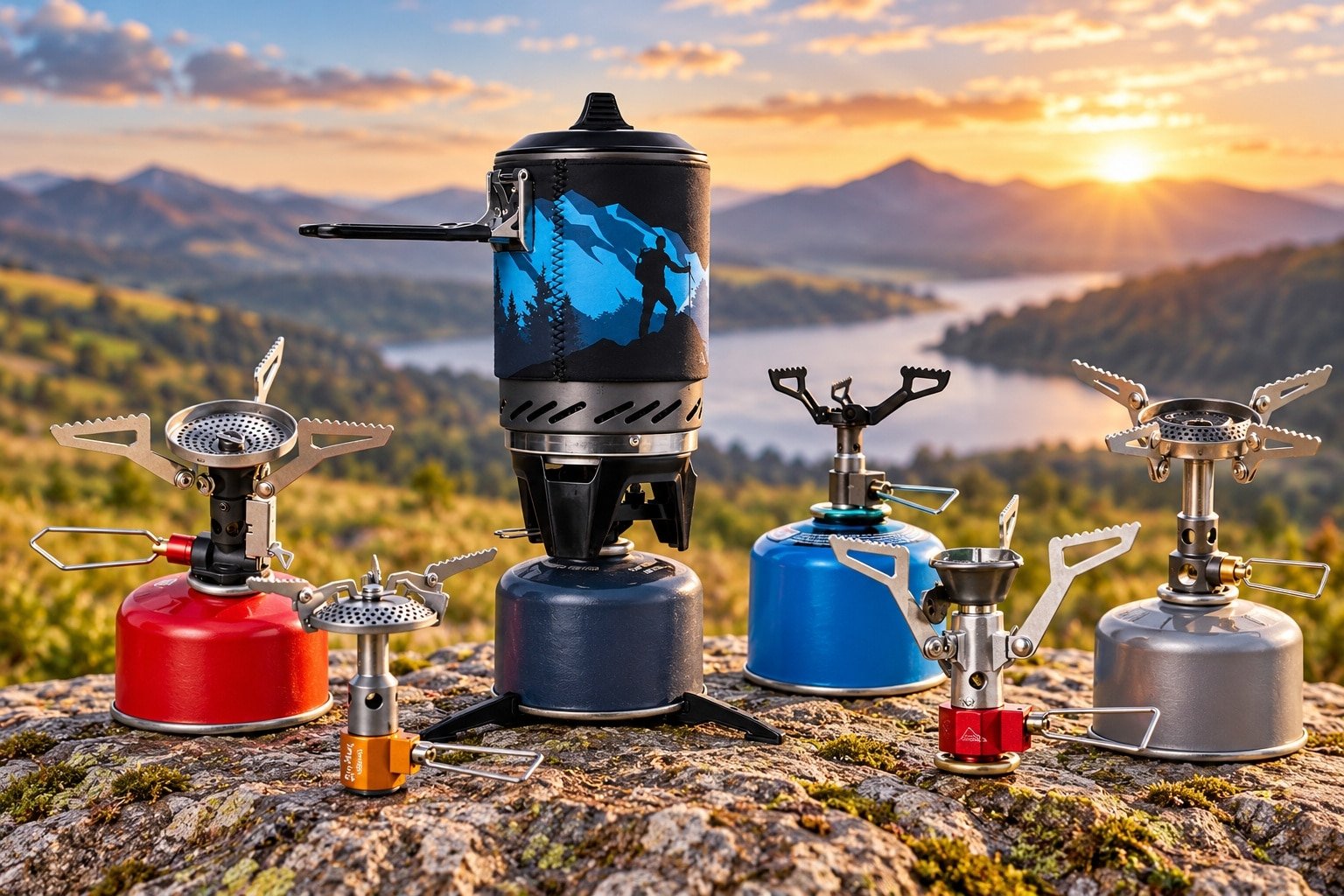


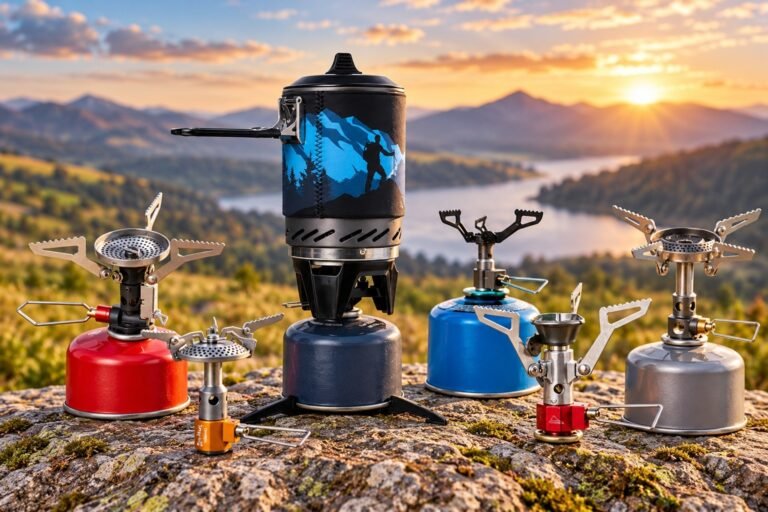
Finding the best lightweight camping stoves UK campers can rely on involves more than choosing the smallest burner.
A good stove needs to be compact, reasonably stable, fuel-efficient and practical when the British weather turns against you.
I’ve used camping stoves on several trips, including the Campingaz 400 SG. Although that larger stove works well for campsite cooking, carrying a full-sized setup isn’t always practical when travelling light.
For hiking, wild camping and overnight trips, a smaller stove makes far more sense. You want something that fits inside your rucksack without taking up valuable space, while still handling the essentials, from boiling water for coffee to preparing a hot meal.
I’ve researched six lightweight camping stoves, comparing their specifications, portability, cooking performance and limitations.
My recommendations combine that research with the practical considerations I’ve learned from camping. I haven’t personally tested all six models.
Quick Comparison: Best Lightweight Camping Stoves UK
| Camping stove | Approx. stove weight | Best for |
|---|---|---|
| SOTO WindMaster | 87g with 4Flex | Best overall |
| MSR PocketRocket 2 | 73g | Backpacking |
| Fire-Maple FMS-116T | 48g | Compact lightweight cooking |
| BRS-3000T | 26g | Ultralight camping |
| MSR PocketRocket Deluxe | 83g | Flame control |
| Fire-Maple Fixed Star X2 | Heavier integrated system | All-in-one cooking |
Weights refer to the burner or specified assembly unless stated otherwise. Gas canisters, cookware and accessories add to the total carrying weight.
1. SOTO WindMaster: Best Overall Lightweight Camping Stove
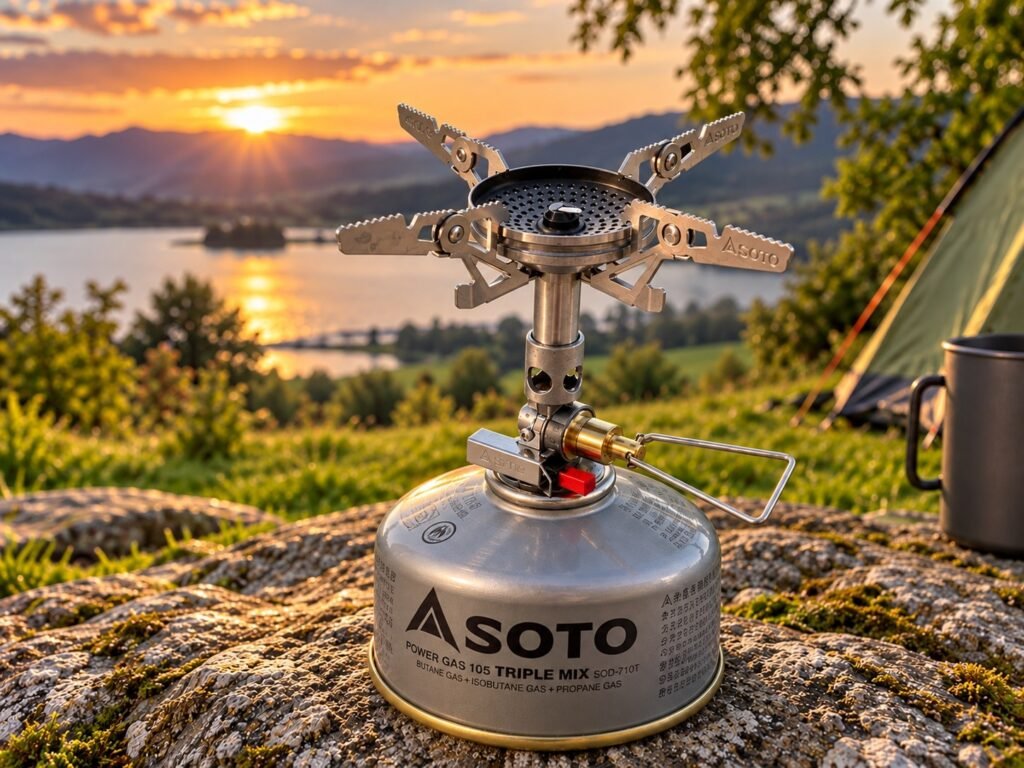
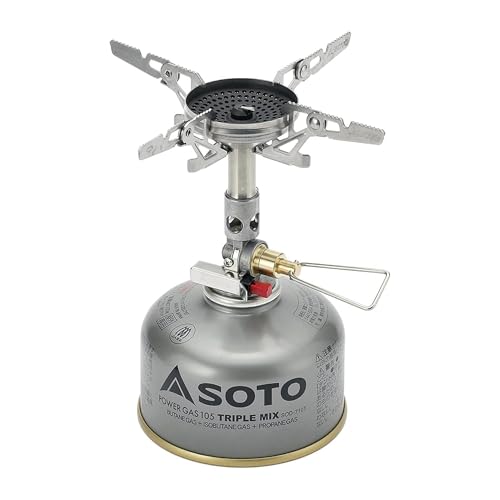
The SOTO WindMaster Camping Stove is my top recommendation for campers who want a lightweight stove without making too many compromises on performance.
3260 Watts. Duration: Burns approx.1.5 hours with 8 ounce / 250 grams canister
Weight: 3.0 ounce (87 grams) with the 4Flex pot support
One of the biggest challenges with camping in the UK is the wind. Even a relatively calm morning can become breezy when you’re cooking in an exposed location.
The WindMaster addresses this with a recessed burner design that helps protect the flame from wind. Its pressure-regulating system also helps maintain consistent performance as canister pressure changes.
Independent testing by OutdoorGearLab found that the WindMaster performed particularly well for wind resistance, simmering and overall usability.
Key features
- Weight: approximately 87g with the 4Flex pot support.
- Recessed burner for improved wind protection.
- Built-in piezo ignition.
- Pressure-regulating system.
- Detachable pot support for compact storage.
- Compatible with suitable threaded gas canisters.
What I like
The biggest attraction is the balance between weight and cooking ability.
For the kind of UK camping trips I enjoy, having a stove that can handle more than boiling water is useful. Sometimes I want to prepare a proper meal rather than rely on dehydrated camping food.
The WindMaster’s flame control and pot support make it a stronger choice for that type of cooking than many minimalist burners.
Pros
- Lightweight and compact.
- Good wind resistance.
- Useful simmer control.
- Integrated ignition.
- Suitable for a wider range of small camping pots.
Cons
- More expensive than basic ultralight burners.
- Detachable supports are another component to keep track of.
- Gas canister and cookware must be purchased separately.
Best for: Solo campers, hikers and wild campers wanting a dependable three-season stove.
2. MSR PocketRocket 2: Best Lightweight Stove for Backpacking

The MSR PocketRocket 2 is one of the most practical options for campers who want to keep their cooking equipment small and straightforward.
Ultralight (2.6 oz) and compact (2x2x3 in) folding canister stove for minimalist adventures, backpacking, hiking, trekking, camping, and global travel.

Weighing approximately 73g, the stove folds into a compact shape that fits comfortably inside many small camping pots.
It uses a simple screw-on design, with three folding pot supports and manual ignition.
Key features
- Weight: approximately 73g.
- Folding pot supports.
- Compact storage case.
- Adjustable flame control.
- Uses compatible threaded gas canisters.
- No built-in igniter.
My thoughts
When camping with larger equipment, I usually have the luxury of a proper cooking area. Backpacking is different. Every extra piece of equipment takes up space.
That’s where the PocketRocket 2 appeals to me.
There’s no bulky housing or complicated setup. You attach it to a compatible canister, open the supports and light the burner.
Independent comparisons consistently recognise its portability and straightforward operation.
The main limitation is wind exposure. Like other upright canister burners, performance can drop when cooking in breezy conditions.
Pros
- Very lightweight.
- Folds into a small package.
- Simple operation.
- Suitable for boiling water and basic meals.
- Good option for solo backpacking.
Cons
- No automatic ignition.
- Less wind-resistant than the SOTO WindMaster.
- Not ideal for large or heavy pans.
Best for: Backpackers, hikers and solo campers who value portability and simplicity.
3. FIRE-MAPLE FMS-116T Ultralight Titanium Canister Stove : Best Compact Titanium Stove

The Fire-Maple FMS-116T is worth considering if you want a lightweight stove that packs away neatly without paying for a larger cooking system.
Mini Pocket One-Piece Gas Burner | Ultralight Backpacking Cooking Stove Portable for Outdoor Activities

Its titanium construction helps keep weight down while providing a practical burner for small camping cookware.
Key features
- Approximate weight: 48g.
- Titanium alloy construction.
- Folding pot supports.
- Adjustable gas control.
- Compact screw-on burner design.
- Requires a compatible threaded fuel canister.
What I like
A stove like this makes sense for short camping trips where I don’t need a full cooking setup.
For example, if I’m planning to boil water for a morning coffee or heat a small pan of food, carrying a compact burner is a more practical option than packing my larger Campingaz equipment.
The Fire-Maple also offers a useful middle ground between extremely small ultralight burners and more substantial backpacking stoves.
Pros
- Lightweight titanium construction.
- Compact folding design.
- Simple gas control.
- Suitable for small camping pots.
- Minimal storage requirements.
Cons
- No integrated ignition.
- Exposed flame can struggle in wind.
- Small pot supports require care on uneven surfaces.
Best for: Hikers and campers wanting a compact stove for simple meals and hot drinks.
4. BRS-3000T: Best Ultralight Camping Stove

If carrying the lightest possible equipment is your priority, the BRS-3000T Titanium Camping Stove deserves attention.
According to its product documentation, the BRS-3000T weighs approximately 26g. That’s exceptionally light for a gas camping stove.
Portable Ultralight Burner 25gram. Powerful and efficient,generates 2700W; Boils water quickly, about 2 minutes 58 seconds to boil 1L water.

It folds into a tiny package and is designed for use with compatible butane-propane camping gas canisters.
Key features
- Weight: approximately 26g.
- Titanium and aluminium construction.
- Foldable pot supports.
- Adjustable flame.
- Rated maximum output of 2,700W.
- Manual ignition.
My thoughts
The BRS-3000T appeals to the minimalist side of camping.
For a short overnight trip, carrying a burner that weighs almost nothing sounds ideal. Pair it with a small cooking pot and you have a very compact setup.
But I wouldn’t choose this model simply because it’s the lightest.
Independent testing highlights its limited wind resistance and less stable pot supports compared with heavier alternatives.
For sheltered locations and simple boiling tasks, the weight savings are attractive. For exposed hilltop camping, I’d prefer something more substantial.
Pros
- Extremely lightweight.
- Very compact when folded.
- Simple construction.
- Suitable for minimalist camping.
- Useful for boiling small quantities of water.
Cons
- Poor wind resistance.
- Narrow pot supports.
- No built-in ignition.
- Less suitable for larger cooking pots.
Best for: Ultralight backpackers, solo hikers and campers who mainly boil water.
5. MSR PocketRocket Deluxe: Best for Flame Control
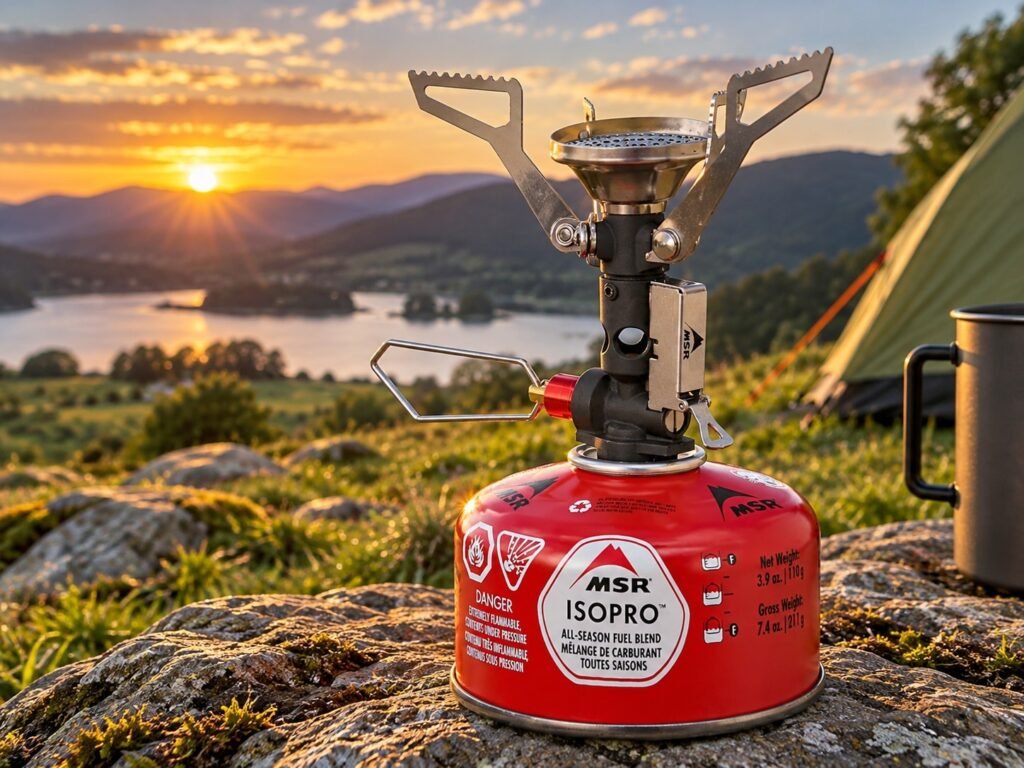
The MSR PocketRocket Deluxe is a good choice for campers who want a lightweight stove with a little more control over their cooking.
The trusted choice of mountaineers and campers, for its durability and reliability, is easy to set up and operate, requires no priming, preheating, pumping or pressurizing, and boils a liter of water in as little as 3.5 minutes

It improves on the basic PocketRocket design with a pressure regulator, built-in ignition and a broader burner head.
At approximately 83g, it’s still light enough for backpacking, hiking and wild camping.
Key features
- Weight: approximately 83g.
- Pressure-regulated burner.
- Built-in piezo ignition.
- Broad burner head.
- Adjustable flame control.
- Compatible with suitable threaded gas canisters.
What I like
One thing I’ve learned from using camping stoves is that maximum heat isn’t always what you need.
Boiling water is straightforward. Cooking something that requires lower heat, without burning the bottom of the pan, is another matter.
That’s why I like the design of the PocketRocket Deluxe.
Its pressure regulation and flame control make it a practical option for campers who want to cook simple meals rather than rely entirely on boiling water.
OutdoorGearLab’s independent testing found that the Deluxe performed well for simmering and wind resistance.
Pros
- Lightweight and compact.
- Built-in ignition.
- Good flame control.
- Pressure regulator.
- Suitable for more varied cooking.
Cons
- More expensive than the PocketRocket 2.
- Slightly heavier than the standard version.
- Exposed burner still needs protection from strong wind.
Best for: Backpackers who want a compact stove for boiling water, heating food and simmering meals.
6. Fire Maple Star X2 Cooking System: Best All-in-One Camping Stove
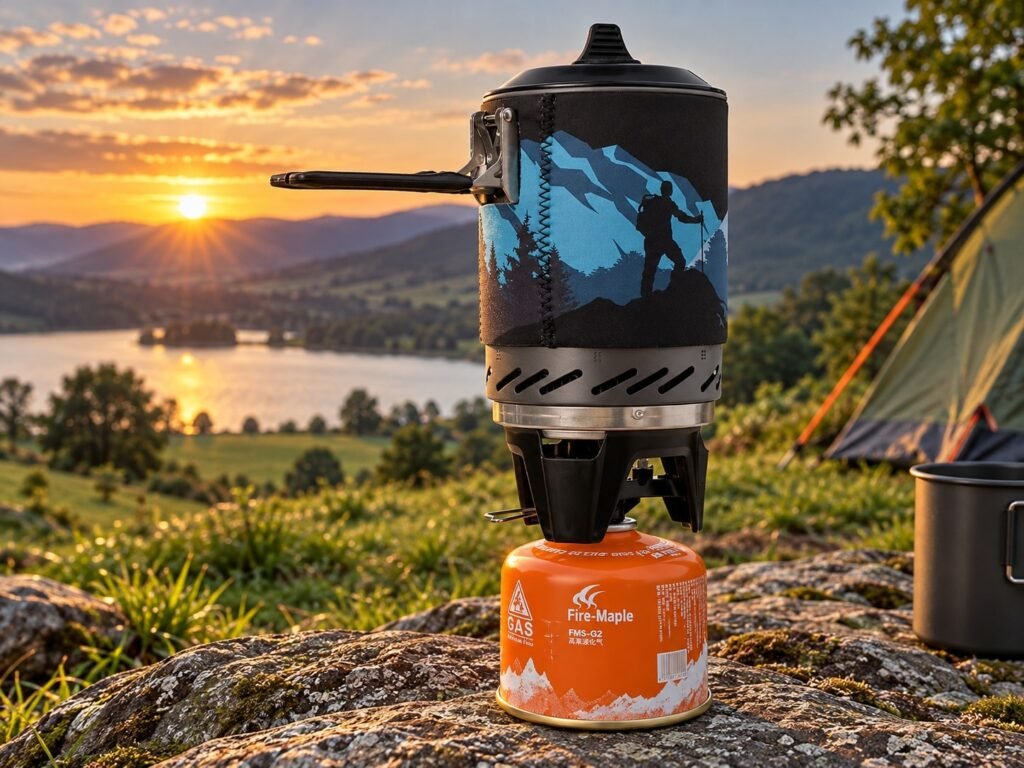
The Fire-Maple Fixed Star X2 takes a different approach to lightweight camping equipment.
Instead of supplying a separate burner that requires you to choose your own cookware, this system combines a burner with a purpose-designed cooking pot.
Outdoor Hiking Camping Equipment Oven with Piezo Ignition POT Support & Stand - Portable Propane Gas Stove Burner
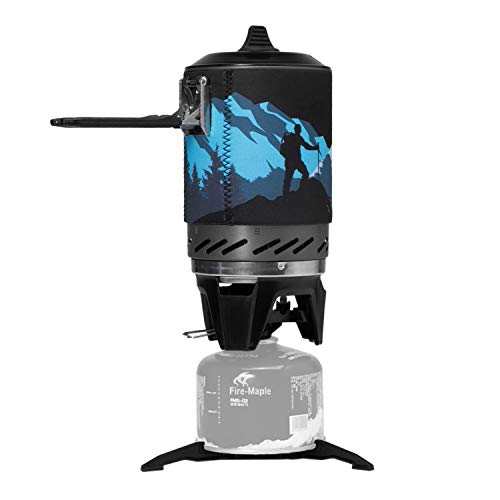
Although heavier than the tiny stoves reviewed above, the integrated design makes sense for campers who want a compact cooking system.
Key features
- Integrated burner and cooking pot.
- Heat-exchanger cooking system.
- Compact nesting design.
- Built-in ignition.
- Designed for boiling water and preparing simple meals.
- Compatible with specified camping gas canisters.
My thoughts
One advantage of an integrated stove system is having fewer separate cooking components to organise.
When packing camping equipment, I prefer gear that fits together neatly. There’s less rummaging through bags when you want to prepare breakfast.
The Fixed Star X2 appeals to me for that reason.
It’s particularly suitable for making coffee, boiling water and preparing dehydrated meals.
The downside is versatility. If you enjoy cooking with different frying pans and saucepans, a separate burner may offer more flexibility.
Pros
- Integrated cooking system.
- Compact storage.
- Built-in ignition.
- Heat-exchanger design.
- Convenient for boiling water.
Cons
- Heavier than minimalist burners.
- Less flexible for traditional pan cooking.
- Takes up more space than a standalone stove.
- Fuel canister normally purchased separately.
Best for: Solo campers and backpackers wanting a convenient cooking system.
What I’ve Learned From Camping With Different Stoves
After using camping stoves on several trips, I’ve found that choosing the right stove depends heavily on how you’re camping.
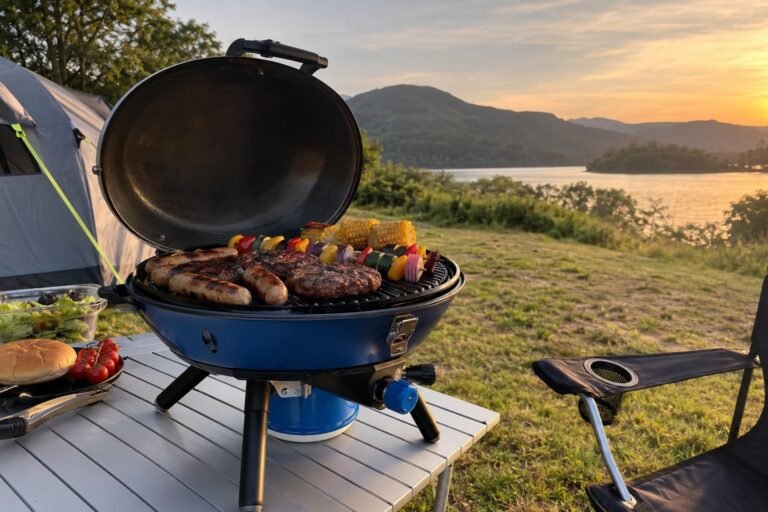
For family camping, I prefer having a larger cooking setup. My Campingaz 400 SG, for example, provides two burners and an integrated grill, which makes preparing proper meals much easier.
But when you’re travelling light, that kind of equipment isn’t practical.
There are a few things I always consider when choosing camping cooking equipment.
1. Don’t underestimate the wind
British camping weather can change quickly.
Even a modest breeze can affect an exposed gas burner, increasing cooking times and wasting fuel.
I prefer cooking in a sheltered outdoor location rather than relying on a stove’s maximum advertised power.
2. Think about what you’ll actually cook
If you’re only making coffee, instant noodles or dehydrated meals, a tiny gas burner may be all you need.
If you enjoy cooking eggs, bacon or more substantial meals, choose a stove with better flame control and wider pot supports.
3. Pack size matters as much as weight
A stove that weighs very little but requires bulky accessories isn’t necessarily the best option.
I look at the complete cooking setup, including the gas canister, cooking pot, utensils and storage bag.
4. Simplicity makes camping easier
After a long day outdoors, I don’t want to spend ages assembling cooking equipment.
A straightforward stove that sets up quickly and packs away easily is often the better choice.
For a closer look at a larger stove I’ve used on camping trips, read my Green Haven Portable Camping Stove Review.
How to Choose the Best Lightweight Camping Stove UK
Choosing a lightweight camping stove means balancing portability, cooking performance and reliability.
Here’s what I would look for before buying.
Stove weight
Typical weight categories for standalone burners
| Under 50g | Ultralight hiking and minimalist camping |
| 50g to 100g | General backpacking and wild camping |
| Over 100g | Heavier burners and more substantial cooking setups |
Remember that the stove weight doesn’t include the fuel canister or cooking equipment.
For most solo backpackers, a standalone burner weighing under 100g offers a sensible balance between portability and cooking performance.
Gas compatibility
Most of the small burners in this guide use threaded camping gas canisters containing a butane-propane or isobutane-propane mixture.
Before buying, check the manufacturer’s approved fuel type and connection.
Don’t assume that all camping gas canisters are interchangeable. Campingaz CV cartridges, for example, use a different connection from standard threaded canisters.
Wind resistance
Wind protection is particularly important for UK wild camping.
Look for stoves with recessed burners, wider burner heads or designs that reduce flame exposure.
Never wrap a windscreen tightly around an upright gas canister stove. Trapped heat can overheat the canister. Follow the stove manufacturer’s instructions.
Pot stability
Small burners can become top-heavy when supporting a cooking pot.
Check the manufacturer’s recommended pot diameter and weight limits.
Use the stove on a stable, level, non-combustible surface. Avoid balancing large pans on narrow pot supports.
Ignition
Some lightweight camping stoves include built-in piezo ignition, while others require a lighter or matches.
Built-in ignition is convenient, but I would still pack a backup lighter in a waterproof container.
Are Lightweight Camping Stoves Safe?
Lightweight gas camping stoves are designed for outdoor cooking, but safe operation depends on correct setup, suitable fuel and adequate ventilation.
Never use a camping stove inside a tent, vehicle or enclosed shelter. Burning camping fuel can produce deadly carbon monoxide, even when the flame looks normal.
Follow these basic precautions:
- Cook outdoors in a well-ventilated area.
- Keep the stove away from tents, clothing and flammable materials.
- Check fuel connections and seals before lighting.
- Use only manufacturer-approved fuel canisters.
- Keep the gas canister upright unless the stove specifically supports another arrangement.
- Never leave a burning stove unattended.
- Allow the stove to cool before disconnecting or packing away.
- Never use a camping stove to heat a tent.
For more guidance, see the Camping and Caravanning Club and the Health and Safety Executive.
Frequently Asked Questions
What is the best lightweight camping stove UK campers can buy?
The SOTO WindMaster is my overall recommendation because it combines low weight, useful flame control and good wind resistance.
For straightforward backpacking, the MSR PocketRocket 2 is another strong option.
What is the lightest camping gas stove?
The BRS-3000T is one of the lightest widely available camping gas burners, weighing approximately 26g.
Its compact design suits minimalist backpacking, although its limited wind resistance and small pot supports make it less versatile.
Are lightweight camping stoves good for wild camping?
Yes. Compact gas canister stoves are popular for wild camping because they’re portable and easy to pack.
Choose a stove with stable pot supports, suitable fuel compatibility and reasonable wind resistance. Check local access rules and fire restrictions before cooking.
How much gas do I need for a weekend camping trip?
Gas requirements depend on your stove, weather, water temperature and cooking habits.
A 100g gas canister may be sufficient for a solo weekend of simple water boiling in favourable conditions, but longer cooking sessions and cold or windy weather increase consumption.
Check the manufacturer’s fuel consumption guidance and carry an appropriate reserve.
Is a gas stove better than an alcohol stove for backpacking?
Gas stoves generally offer faster cooking, easier flame adjustment and convenient operation.
Alcohol stoves can have simple designs, but often take longer to boil water and may offer limited flame control.
The better option depends on trip length, fuel availability and cooking requirements.
Can I cook proper meals on a lightweight camping stove?
Yes, although some stoves are better suited to cooking than others.
The SOTO WindMaster and MSR PocketRocket Deluxe offer better simmer control than many basic ultralight burners.
For larger meals, a wider and more stable cooking platform is preferable.
Final Verdict: Which Lightweight Camping Stove Would I Choose?
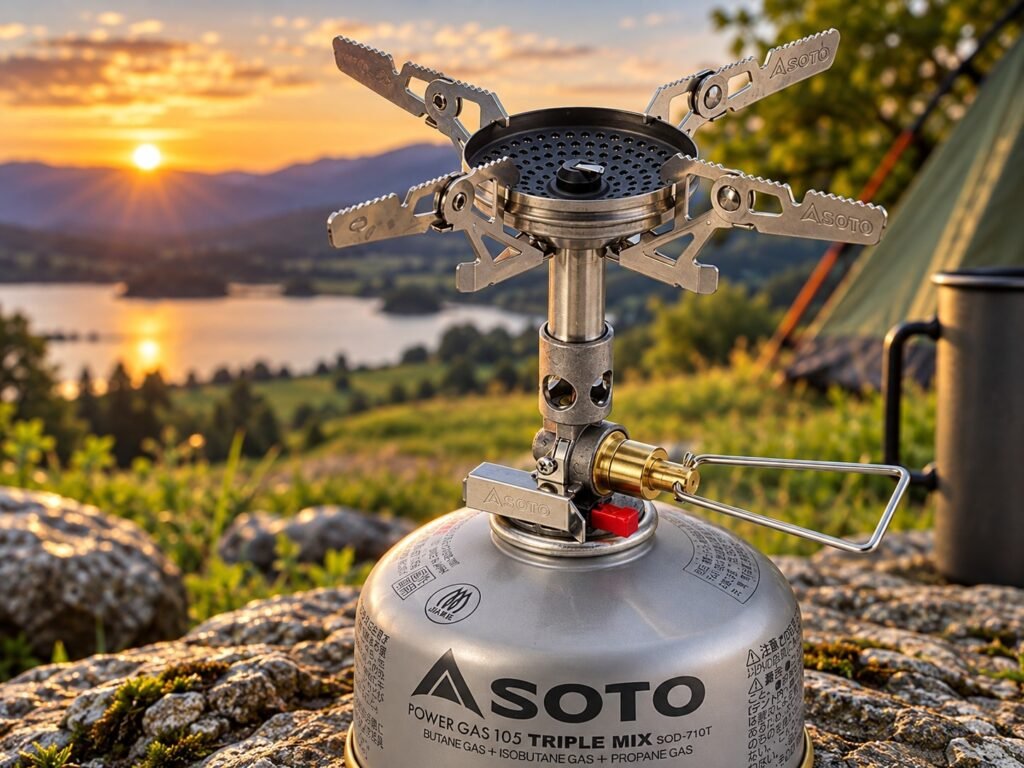
Best overall: SOTO WindMaster
My first choice for general UK backpacking, especially when wind resistance and flame control matter.
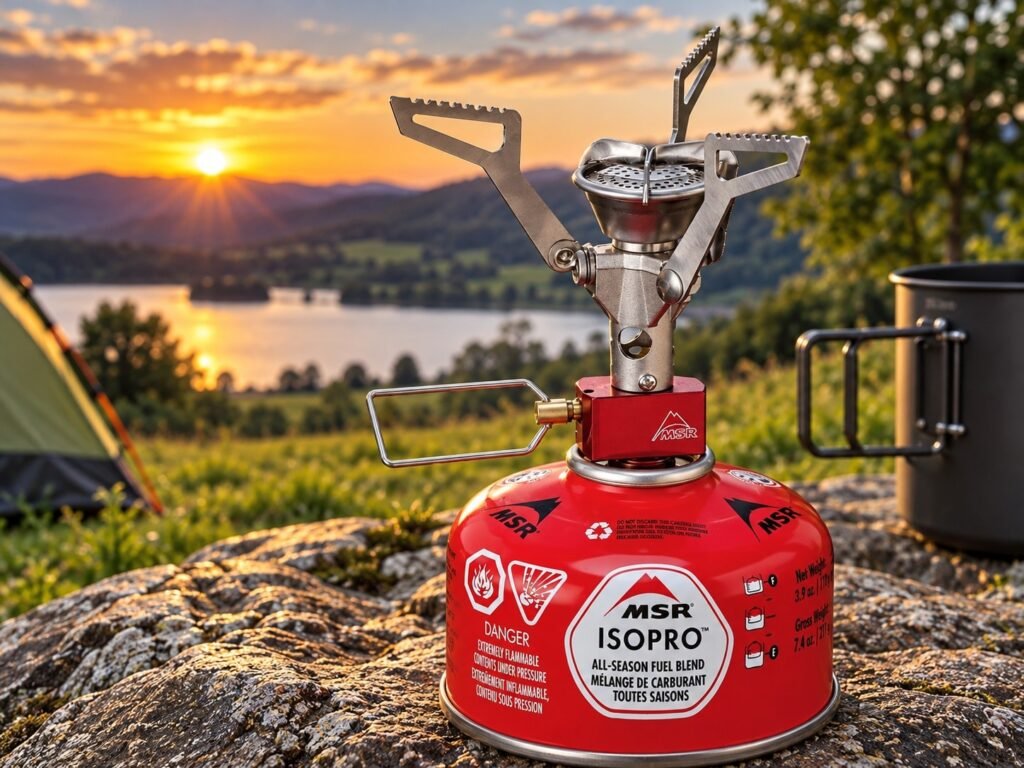
Best for backpacking: MSR PocketRocket 2
A compact, straightforward stove for hikers who mainly prepare hot drinks and simple meals.

Best ultralight option: BRS-3000T
An extremely small burner for weight-conscious solo campers, provided conditions are suitable.
For my own camping trips, I’d lean towards the SOTO WindMaster. The extra stability, flame control and wind resistance seem worth carrying a few additional grams.
If I were planning a short solo hiking trip where weight mattered more than cooking flexibility, the MSR PocketRocket 2 would be a close alternative.
The most important thing is choosing a stove that suits the way you actually camp, rather than buying the lightest model simply because it weighs less.
For more camping cooking advice, see : Best Camping Stoves UK
CampEquipmentPlus relies on reader support. Purchases made via links on our website may earn us an affiliate commission at no extra cost to you, helping keep the site running.