
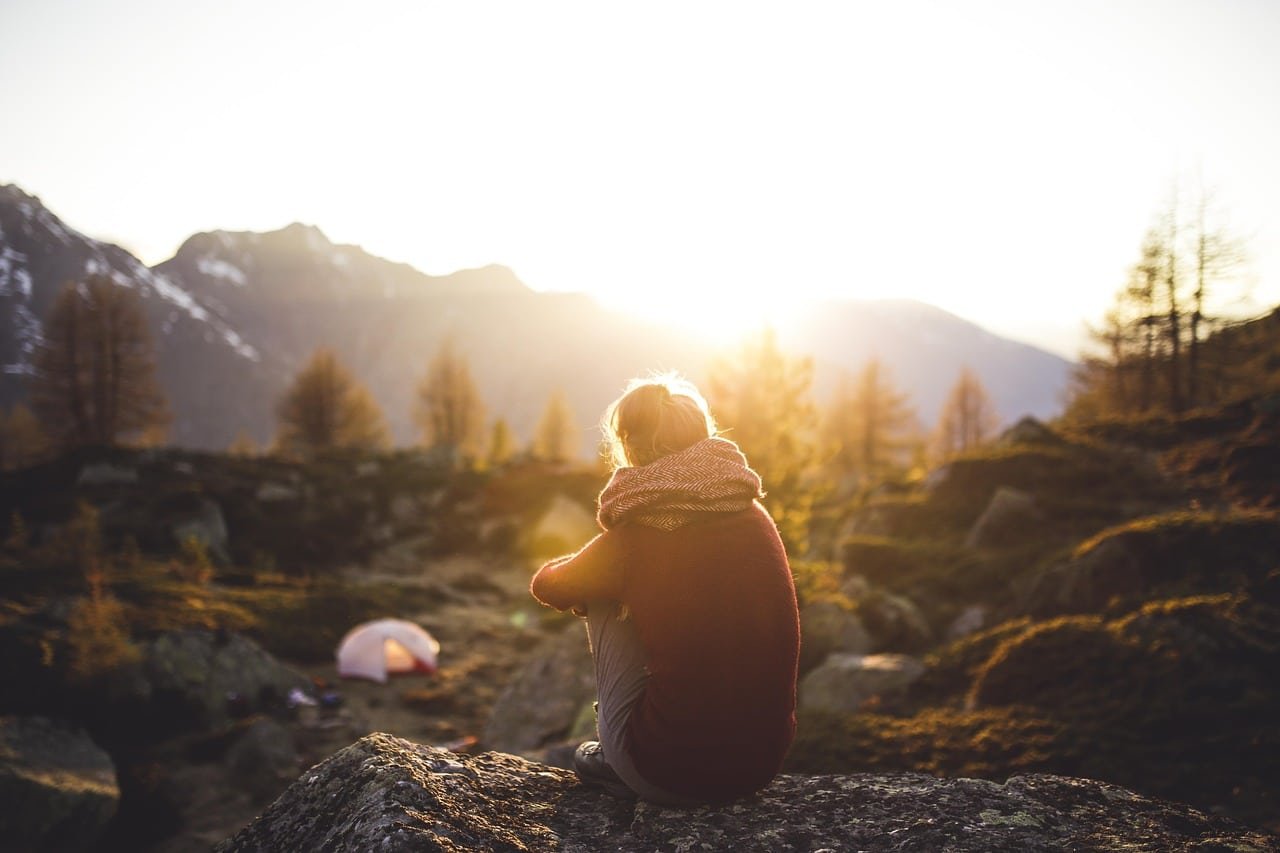
Best Small Tents for Solo Camping UK
The best small tents for solo camping in the UK weigh under about 2 kg, pack small enough to fit inside a rucksack, and still give one person room to sit up, store a wet pack and stay dry when the weather turns.
Camping alone changes what matters in a tent. You carry every gram yourself, you pitch it without help, often in rain and fading light, and you spend long evenings inside it. The complaints solo campers raise most are condensation dripping from a cramped inner, porches too small for a rucksack, tents too short for taller campers and thin pegs that pull out of soft ground. We compared five one-person tents, from an ultralight backpacking shelter to a budget freestanding dome, on weight, packed size, floor space, headroom, porches and weather protection.
- Our five picks at a glance
- Side-by-side comparison
- Detailed reviews with pros and cons
- What to look for in a solo tent
- How to pitch a solo tent in the rain
- Solo tent FAQs
- Aim for 1 to 2 kg Every tent here weighs under about 2 kg. Sub-1 kg tents save weight but need more care and suit experienced campers best.
- Floor shape matters more than area A rectangular floor and steep walls fit a wide mat and stop your sleeping bag touching damp fabric at the head and feet.
- Porch space keeps you dry A vestibule big enough for boots and a rucksack keeps wet kit out of a small inner. Two doors and two porches are a bonus.
- Vent it to beat condensation Every small tent gets condensation in damp UK weather. Open the vents, pitch where air moves and keep wet kit in the porch.
Choosing between small tents for solo camping UK walkers and cyclists can rely on is about more than finding the lightest option. You carry every gram, pitch alone, often in rain or fading light, and spend long evenings in a tight space, so floor shape, headroom, porch space and ventilation all matter. This guide explains the trade-offs between solo tent designs and how to choose one that suits your trips and your height.


Best overall MSR Hubba LT 1 | Best value Late Start 1P | Best ultralight Fly Creek UL1 | Best for cooler nights ALPS Lynx 1 | Best budget Clostnature 1P | |
|---|---|---|---|---|---|
|
|
|
|
|
| |
| Structure | Hub-pole dome | Freestanding | Not quoted | Freestanding | Freestanding |
| Poles | DAC NFL aluminium | Aluminium | DAC | Aluminium | Aluminium |
| Min weight | 1.07 kg | 1.62 kg | 0.77 kg | 1.50 kg | 1.35 kg |
| Total weight | Not quoted | 1.84 kg | Not quoted | 1.84 kg | 1.8 kg |
| Floor size | 81 x 224 cm | 1.83 sq m | Not quoted | 81 x 229 cm | 81 x 220 cm |
| Peak height | 99 cm | 93 cm | Not quoted | 91 cm | 91 cm |
| Packed size | 46 x 13 cm | 17 x 37 cm | 46 x 13 cm | 43 x 13 cm | 38 x 13 x 13 cm |
| Waterproofing | Not quoted | Not quoted | Not quoted | 1,500mm fly, 2,000mm floor | PU coated, not quoted |
| Doors / porches | 2 / 2 | 1 / 1 | 1 / 1 | 1 / 1 | 1 / 1 |
| Check price | Check price | Check price | Check price | Check price |
Best small tents for solo camping UK: our detailed reviews
Each review covers weight, packed size, floor space, headroom, porches, poles and weather protection. We paid most attention to what solo campers complain about: condensation in a cramped inner, nowhere to put a wet rucksack, tents that are too short and fiddly pitching in the rain. If weight is your top priority for two people, see our guide to the best lightweight tents for backpacking.
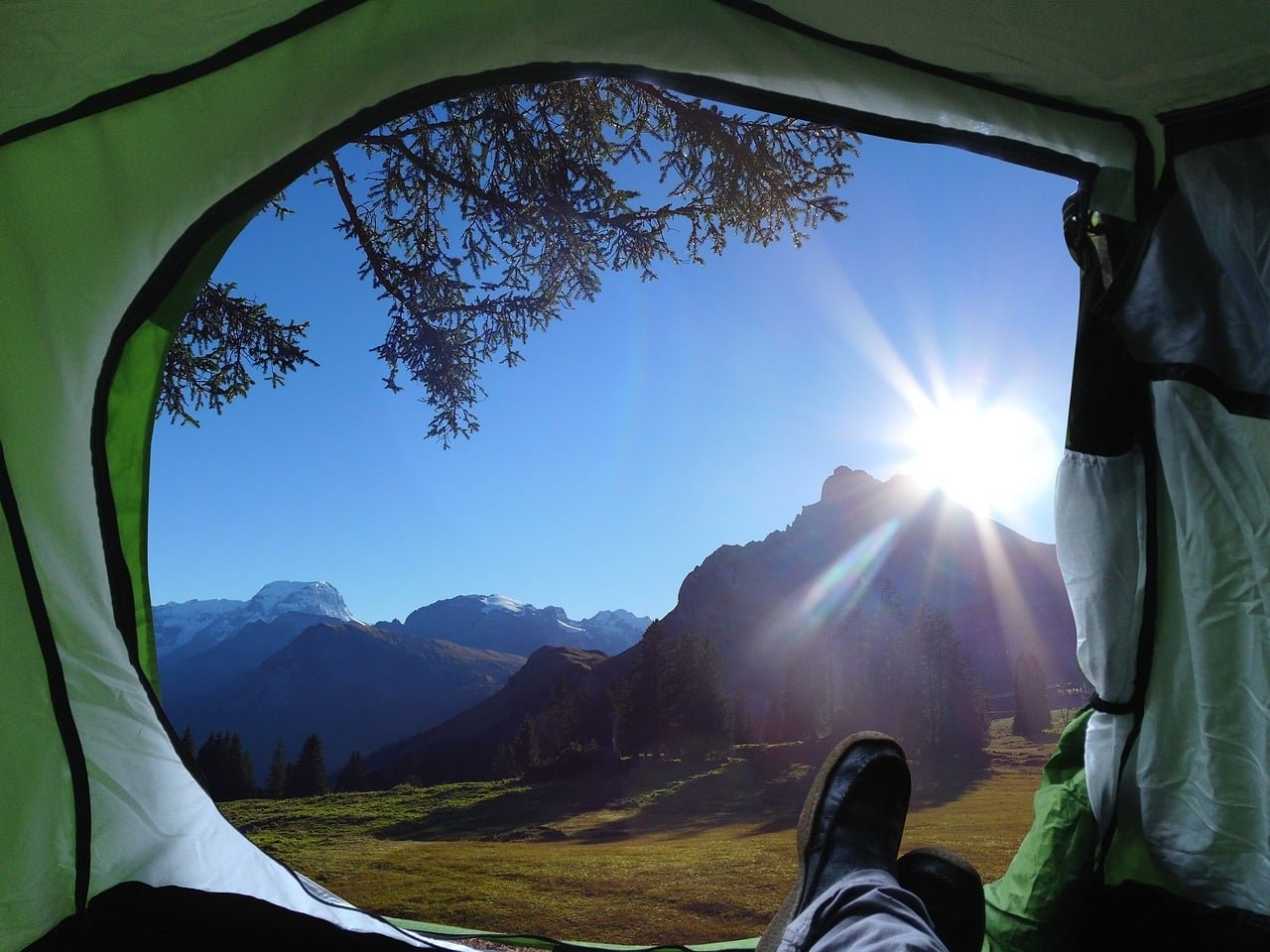
Roomy 1.07 kg solo tent with two doors and two porches
The MSR Hubba Hubba LT 1-Person Tent is our best small tent for solo camping in the UK because it gives one person far more liveable space than its 1.07 kg minimum trail weight suggests. MSR quotes a true rectangular 81 x 224 cm floor and nearly vertical walls, so a wide, thick sleeping mat fits without pressing against the sides, and the 99 cm peak height lets most adults sit up to change. Unusually for a one-person tent it has two doors and two large vestibules, so you can keep a wet rucksack on one side and still get in and out on the other. The rainfly has StayDry doors with rain gutters and two kickstand vents to move damp air, and the hub-and-pole frame uses DAC NFL aluminium poles that pack to 46 x 13 cm. The inner is mostly mesh, which fights condensation in mild weather but can feel draughty on a cold, windy British night, and it is the most expensive tent here. MSR’s waterproof rating is not quoted on the listing.
- Light at 1.07 kg minimum
- Rectangular floor fits wide mats
- Two doors and two vestibules
- 99 cm peak height
- Packs to 46 x 13 cm
- Most expensive pick
- Mostly mesh inner can feel cold
- Waterproof rating not quoted
Freestanding aluminium-pole tent that is quick to pitch
The Kelty Late Start 1P Backpacking Tent is our best value pick because it does the basics of solo camping well without the premium price of MSR or Big Agnes. It is a freestanding 3-season tent on pre-bent aluminium poles, and Kelty’s Quick Corners and colour-coded clips make it easy to pitch for first-timers or in fading light. Kelty quotes 1.83 square metres of floor area, a 93 cm peak height, a 1.62 kg minimum weight (1.84 kg packed) and a compact 17 x 37 cm pack size. The full-coverage rainfly has a built-in vent, the inner uses no-see-um mesh, and guy lines come pre-attached, which saves fiddling on a wet evening. It has one door and one vestibule, so storage is tighter than on the MSR, and Kelty does not quote a waterproof rating on the listing. As with most freestanding inner-first tents, the inner can get wet if you pitch in heavy rain.
- Freestanding and simple to pitch
- Pre-bent aluminium poles
- Pre-attached guy lines
- Packs to 17 x 37 cm
- Strong value for the spec
- One door and one vestibule
- Waterproof rating not quoted
- Inner-first pitching in rain
0.77 kg backpacking tent in HyperBead fabric
The Big Agnes Fly Creek UL 1-Person Tent is the pick for hikers who want the lightest pack possible. Big Agnes quotes a weight of just 0.77 kg (1 lb 11 oz) and a packed size of 46 x 13 cm, roughly half the weight of the budget tents in this list. Its HyperBead fabric is claimed to be 25% more waterproof and 65% stronger than the brand’s previous material, and DAC poles create vertical sidewalls and structured foot-end corners to make the most of a small space. The TipLok buckle combines pole tip, rainfly and stake-out points to simplify pitching, and reflective guy lines help when you return to camp in the dark. It has a single door with a dry-entry vestibule. The listing does not quote floor dimensions, peak height or a waterproof rating, and light fabrics need more care on rough ground, so a footprint is worth considering. Very light tents also leave less room for error on exposed, windy pitches.
- Lightest pick at 0.77 kg
- Packs to 46 x 13 cm
- DAC poles and vertical sidewalls
- TipLok buckles simplify pitching
- Reflective guy lines
- Floor size and height not quoted
- Light fabric needs care
- Single door
Half-mesh freestanding tent with a 2,000mm floor
The ALPS Mountaineering Lynx 1-Person Tent is a sturdy, affordable choice for UK campers who find full-mesh inners too draughty. Its half-mesh walls block more wind and hold a little more warmth than the MSR’s mostly mesh body, while still letting air move to reduce condensation. ALPS quotes a 229 x 81 cm base, a 91 cm centre height, a 1.84 kg total weight (1.50 kg minimum) and a 43 x 13 cm packed size. The two aluminium poles make it freestanding, the 75D 185T polyester fly has a 1,500mm coating with factory-sealed seams, and the floor is rated to 2,000mm. A vestibule, mesh pockets and a gear loft help keep a small space organised, and ALPS backs it with a limited lifetime warranty. The 1,500mm fly is the minimum many UK retailers recommend, so it suits three-season trips better than prolonged downpours, and it is heavier than the lightweight picks.
- Half-mesh walls cut draughts
- Freestanding aluminium poles
- 2,000mm floor
- Gear loft and pockets
- Limited lifetime warranty
- 1,500mm fly is only a minimum
- Heavier than ultralight picks
- One door
Freestanding aluminium-pole tent with 14 stakes
The Clostnature 1 Person Lightweight Backpacking Tent is the best budget small tent for solo camping in our list. It is freestanding on two aluminium poles rather than the fibreglass used by many cheap tents, and Clostnature quotes a 1.8 kg total weight, a 1.35 kg minimum trail weight and a packed size of 38 x 13 x 13 cm. The 220 x 81 cm floor and 91 cm height are similar to the ALPS Lynx. The polyester fly and bathtub floor use a PU coating with factory-sealed seams, the inner has mesh walls for ventilation, and a large side vestibule keeps boots and a rucksack out of the rain. You also get 14 aluminium stakes, four guy ropes and a pole repair kit. Clostnature does not quote a waterproof rating, and only four guy ropes are supplied, so carry extra cord for exposed or windy pitches.
- Lowest price of our picks
- Aluminium poles, not fibreglass
- 14 aluminium stakes
- Pole repair kit included
- Side vestibule for kit
- Waterproof rating not quoted
- Only four guy ropes
- Heavier than premium picks
How to choose a small tent for solo camping
The checklist below draws on UK retailer and manufacturer advice, including Terra Nova’s guide to choosing a 1 person tent, and on the problems solo campers report most often. If you plan to wild camp in Scotland, read the Scottish Outdoor Access Code camping guidance first. For a wider look at tent types, see our guide on how to choose a camping tent for different trips, and if you expect rough weather, read our best tents for camping in windy weather.
Types of small tents for solo camping UK walkers choose
Solo tents come in a handful of designs, and each balances weight, space and ease of pitching differently. Knowing which type you are looking at tells you how a tent will behave on hard ground, in wind and in the rain, which is often more useful than comparing weights that are only a few hundred grams apart.
Freestanding domes
Most of our picks, including the Kelty Late Start 1P, ALPS Lynx 1 and Clostnature 1 Person, are freestanding. The poles hold the tent up before you peg it, so it suits stony ground and campsites with hard pitches, and you can move it once it is up. Hub designs like the MSR Hubba Hubba LT 1 use clever pole layouts to add space without much extra weight.
Semi-freestanding and trekking-pole tents
Semi-freestanding tents rely on a few pegs to complete their shape, and trekking-pole tents use your walking poles instead of dedicated poles. Both can save weight and pack smaller, which appeals to long-distance hikers, but they need good pegging and careful guying, and they are less forgiving on rocky ground or for a first solo trip.
One-person or lightweight two-person?
Some solo campers prefer a light two-person tent for the extra room to bring a wet rucksack inside or sit out a long wet evening. The penalty is usually a few hundred grams and a slightly bigger footprint on the ground. If you mostly camp on campsites or travel by bike, that trade can be worth it; if you walk long distances, a true one-person tent keeps the load down.
Sizing a solo tent to your body and kit
Floor length is the first thing to check. Take your height and add room for a sleeping bag that should not press against the end walls, where condensation collects. The ALPS Lynx 1 at 229 cm and the MSR Hubba Hubba LT 1 at 224 cm are longer than many budget tents, which matters if you are tall or like to keep a small bag at your feet.
Width and floor shape come next. Most of the small tents for solo camping UK shops list have floors around 81 cm wide, but tapered floors lose space at the foot. A rectangular floor and steep walls, as on the MSR, let a wide sleeping mat sit flat without curling up the sides. Our guide to the best self inflating camping mats UK can help you match a mat to your tent.
Headroom affects comfort more than people expect. A peak of around 90 cm to 99 cm, like the tents in our list, lets most adults sit up to change or eat, but only in the middle. Steep walls spread that height further across the floor, so you are less likely to brush damp fabric with your head as you move about in the evening.
Finally, think about where your kit goes. A one-person tent rarely has room inside for a full rucksack, so the porch becomes your storage and kitchen. Check that the vestibule will take your pack and boots with space to get in and out. Two doors and two porches, as on the MSR Hubba Hubba LT 1, make a small tent much easier to live in.
Living comfortably in a small tent
A tidy routine makes a cramped space feel bigger. Many solo campers keep a fixed layout: sleeping bag and warm layers at the back, a small pouch with a head torch and phone by the door, and wet gear and the rucksack in the porch. Gear lofts and mesh pockets, as on the ALPS Lynx, keep small items off the floor.
Condensation is more noticeable in small tents simply because there is less air for your breath to mix with. Open the vents, leave a door partly open on the sheltered side if the weather allows, and keep wet clothes and waterproofs in the porch rather than the inner. Wiping the fly with a small cloth in the morning stops drips landing on your bag as you pack.
Your sleep system matters as much as the tent on long evenings. A mat that suits the width of the floor, and a bag that packs small enough to leave room in the rucksack, make a big difference to comfort. For bag options that suit a light solo load, see our guide to the best compact sleeping bags for backpacking UK.
Cooking needs care in a solo tent. The porch is the obvious place in bad weather, but keep the stove well away from the fabric, keep the door wide open for ventilation and never cook inside the inner tent. On calm or dry evenings, cooking a few metres from the tent is simpler and keeps both moisture and smells out of your sleeping space.
Planning and safety when camping alone
Camping alone is rewarding, but there is no one to help if things go wrong, so a little planning goes a long way. Before you go, tell someone your route, where you expect to camp and when you will be back. Check the forecast for the area, not just the nearest town, because conditions on hills and coasts can be very different.
Aim to reach your pitch with plenty of daylight left. Pitching a solo tent is quick once practised, but finding a flat, sheltered spot can take time, and it is much harder in the dark or in rain. Carry a head torch with spare power, and keep your phone charged and in a dry bag, remembering that signal is patchy in many remote areas.
If you are new to solo trips, start on a campsite or a known spot close to the car. You can learn your tent’s quirks, test your sleep system and build confidence before heading further out. Campsites are where most people first try small tents for solo camping UK-wide, and many experienced solo campers still use them for midweek breaks, keeping wild pitches for settled weather.
Solo camping in the UK: weather, wild camping and midges
British weather tests small tents hard. Rain often arrives with wind, and still, damp nights are common, so a fly that covers the inner fully, a well-sealed floor and good vents matter more than shaving the last few grams. The ALPS Lynx 1 quotes a 1,500mm fly and 2,000mm floor; several other picks do not quote ratings, so check before a wet trip.
Rules on where you can pitch vary across the country. Responsible wild camping is widely allowed in Scotland under the Scottish Outdoor Access Code, while in most of England and Wales you need the landowner’s permission. A low, muted tent is easier to pitch discreetly, and arriving late, leaving early and taking all litter home fit the leave-no-trace approach.
In parts of Scotland, midges are a real factor from late spring to late summer. Fine mesh inner doors that zip closed quickly let you get inside without a cloud following you in, and a porch big enough to cook in lets you stay behind the mesh. Pitching on breezier, higher ground often helps, as midges are less active in wind.
Final thoughts on small tents for solo camping UK
The right solo tent depends on how far you walk and how much space you want at camp. The MSR Hubba Hubba LT 1 gives the most liveable space for its weight, the Kelty Late Start 1P is the best value freestanding option, and the Big Agnes Fly Creek UL 1 suits hikers counting every gram. The ALPS Lynx 1 and Clostnature 1 Person cover cooler nights and tight budgets.
Whichever of these small tents for solo camping UK trips you pick, check the floor length against your height, make sure the porch fits your pack and practise pitching alone at home. Add a few stronger pegs and a simple routine for wet kit, and a small tent becomes a comfortable base for many nights out on your own.
What to look for in a small solo tent
For most solo backpackers, 1 to 2 kg is the sweet spot. Under 1 kg is possible, but these tents use thinner fabrics and need more care.
Check the floor length against your height plus a few centimetres. Rectangular floors and steep walls fit wide mats and keep your bag off the fabric.
Freestanding tents stand on their poles and suit rocky or hard ground. Trekking-pole and semi-freestanding tents are lighter but rely on good pegging.
You need room for boots and a rucksack outside the inner. Two doors and two porches make a small tent far easier to live in.
Vents high on the flysheet and mesh panels reduce condensation. Full-mesh inners breathe best but feel colder in wind.
Many UK retailers treat 1,500mm as a minimum for the flysheet. Higher figures and a well-sealed floor help in long spells of rain.
Short pole sections and a compact bag leave room in your rucksack for food, water and warm layers.
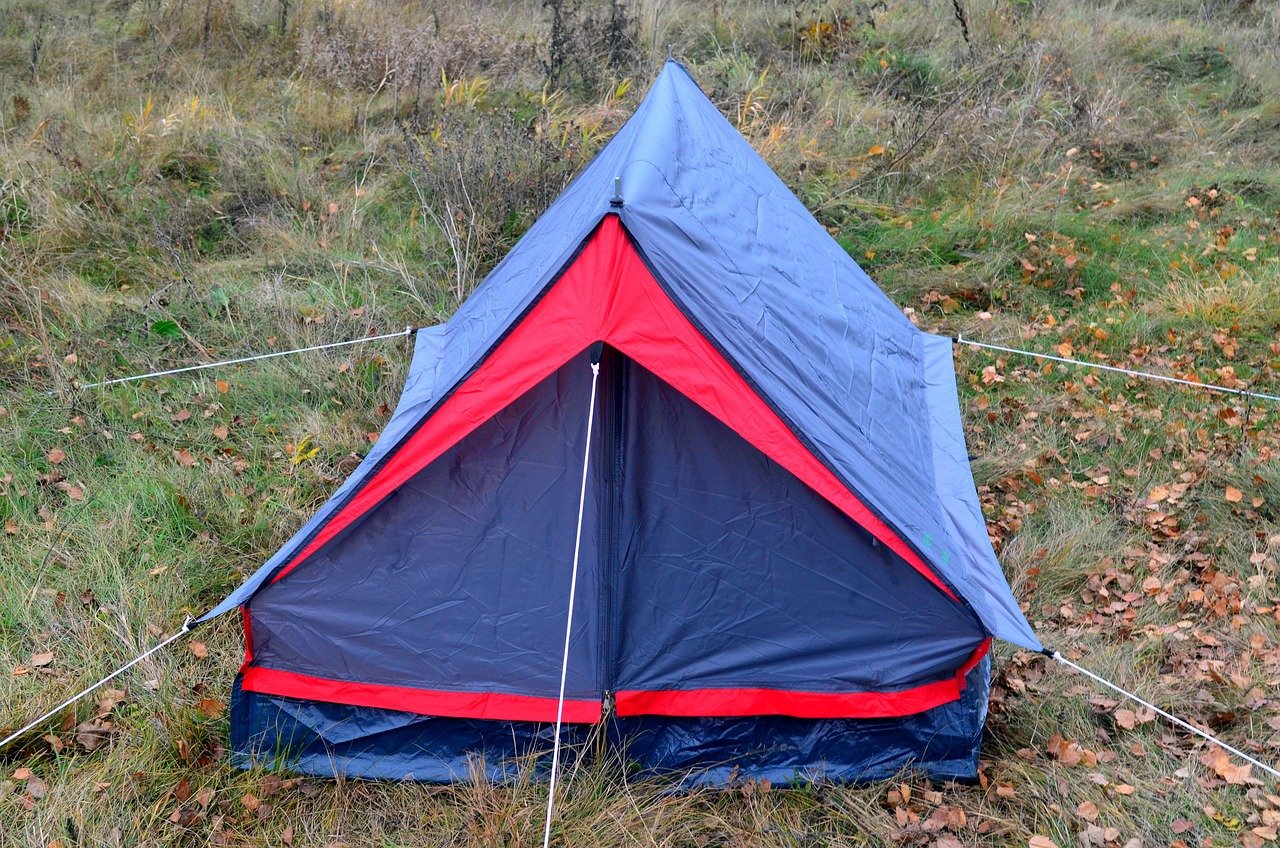
How to pitch a solo tent in the rain
- Practise at home first
Pitch the tent in the garden or a park so you can do it quickly, alone and in the dark.
- Pick a raised, sheltered spot
Avoid hollows where water collects, and use walls, hedges or boulders to break the wind.
- Keep the fly handy
With an inner-first tent, pack the fly on top so it goes over the inner within a minute or two.
- Peg the windward end first
Peg the end facing the wind before you add the poles so the tent cannot blow away.
- Guy it out and tension it
Peg every guy line and tension the fly so it does not touch the inner, which stops water soaking through.
- Open the vents
Open the vents, store wet kit in the porch and leave a door partly open if the rain allows.
How we chose these tents
We have not pitched every tent in this list ourselves. Our picks are based on manufacturer specifications, published advice from UK retailers, manufacturers and access bodies, and recurring themes in owner feedback about one-person tents. Prices change, so check the current price before you buy.
-
Weight and packed size
We compared stated minimum and total weights and pack sizes for carrying on foot or by bike.
-
Liveable space
We looked at floor size, floor shape, peak height, doors and porches.
-
Weather protection
We compared poles, fabrics, stated waterproof ratings and guy lines, and noted where no figure is quoted.
-
Value
We weighed features against price, from budget to premium.
Small tents leave little room for error in bad weather. Check the forecast and tell someone your route before a solo trip.
What size tent do I need for solo camping?
A one-person tent is enough if you travel light and want the lowest weight. If you want space for kit inside, or you are tall, a lightweight two-person tent gives more room for a small weight penalty.
How heavy should a one-person tent be?
Most good solo tents weigh between about 1 and 2 kg. The Big Agnes Fly Creek UL 1 in our list weighs 0.77 kg, while the budget Clostnature weighs 1.8 kg in total.
How do I stop condensation in a small tent?
Open the vents, pitch where air moves rather than in a hollow, keep wet clothes and kit in the porch and keep the fly taut so it does not touch the inner. Some condensation is normal on cold, damp UK nights.
Is a freestanding tent better for solo camping?
Freestanding tents are easier to pitch on hard or rocky ground and to move once pitched. Trekking-pole and semi-freestanding tents are usually lighter and pack smaller, but need firm pegging and careful guying.
Can I wild camp in the UK with a small tent?
Wild camping is widely allowed in Scotland under the Scottish Outdoor Access Code, provided you camp responsibly and in small numbers. In most of England and Wales you need the landowner’s permission. A small, low tent is easier to pitch discreetly and leave no trace.
Which tent is best for tall solo campers?
Check the floor length. The ALPS Lynx 1 has a 229 cm floor and the MSR Hubba Hubba LT 1 has 224 cm with near-vertical walls, both roomier than many budget tents.
Which small tent should you buy for solo camping?
- Best overall: MSR Hubba Hubba LT 1-Person Tent
- Best value: Kelty Late Start 1P Backpacking Tent
- Best ultralight: Big Agnes Fly Creek UL 1-Person Tent
- Best for cooler nights: ALPS Mountaineering Lynx 1-Person Tent
- Best budget: Clostnature 1 Person Lightweight Backpacking Tent
For most campers, the MSR Hubba Hubba LT 1-Person Tent is the best small tent for solo camping in the UK: it weighs 1.07 kg yet has a rectangular 81 x 224 cm floor, a 99 cm peak and two doors with two porches. Choose the Kelty Late Start 1P for the best value freestanding tent, the Big Agnes Fly Creek UL 1 if every gram counts, the ALPS Lynx 1 for half-mesh warmth on cooler nights, and the Clostnature 1 Person if you want aluminium poles on a tight budget.
CampEquipmentPlus relies on reader support. Purchases made via links on our website may earn us an affiliate commission at no extra cost to you, helping keep the site running.