
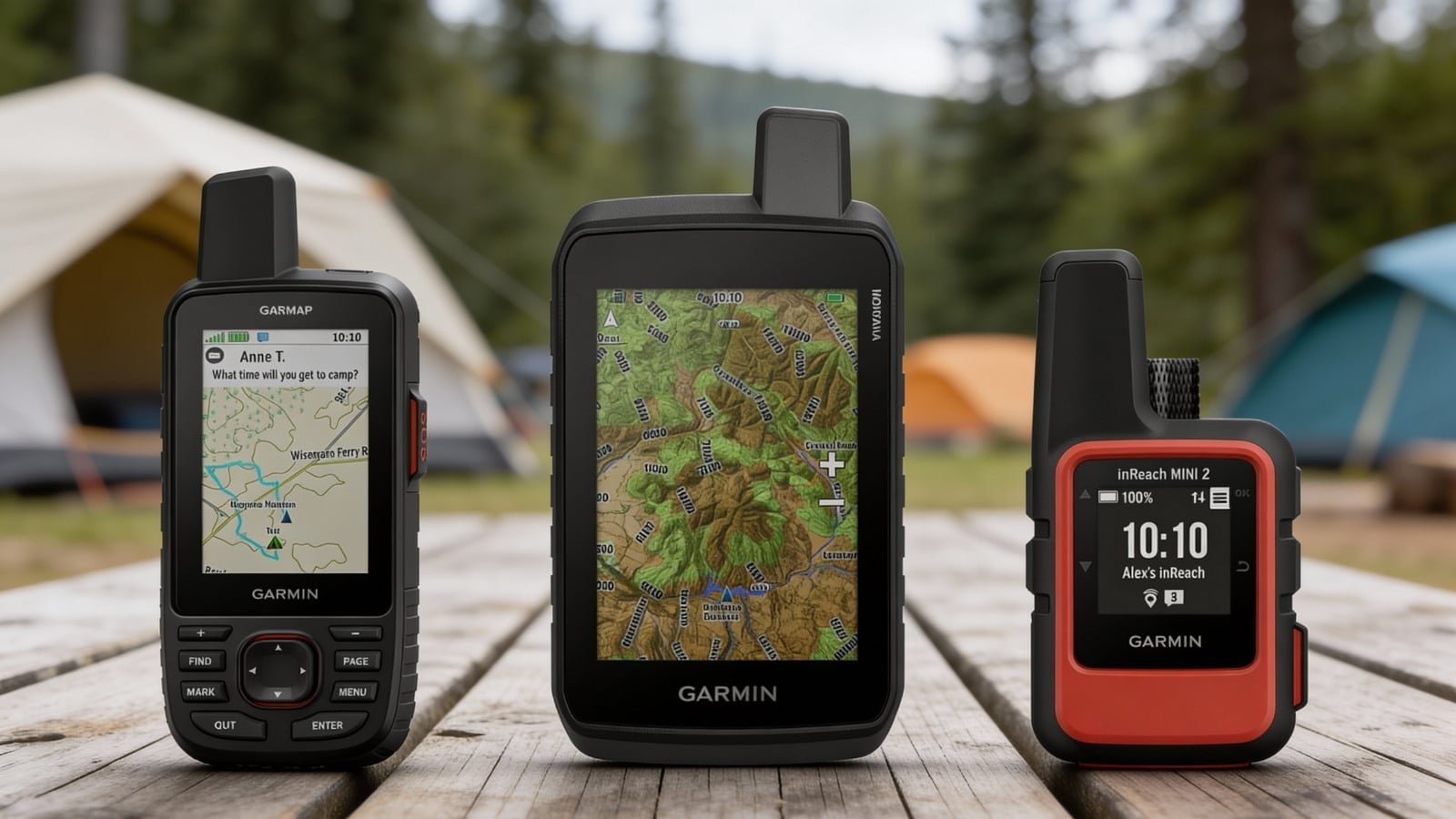
Ever been utterly lost on a hiking trail, phone battery dead, and that sinking feeling that you’ve got no clue which way leads back to civilization?
Yeah, that’s exactly why I invested in proper hiking navigation devices after one particularly sketchy experience in the Lake District.
After testing multiple GPS units across countless trails – from gentle coastal walks to challenging mountain scrambles – I’ve learned what separates genuinely reliable options for the best GPS for hiking from expensive gadgets that’ll let you down when you need them most.
And here’s something nobody tells you: keeping these devices charged on multi-day trips often requires reliable power solutions like a portable power station to ensure you’re never stuck without navigation.
Here’s the brutal truth: your smartphone isn’t a proper hiking GPS. Sure, it works brilliantly when you’ve got signal and battery, but the moment you’re deep in the wilderness with no reception and 5% charge remaining?
That’s when you realize why experienced hikers carry dedicated GPS devices.
Finding the right GPS unit for hiking means balancing accuracy, battery life, features, and durability without ending up with either unreliable rubbish or something so complicated you need a degree to operate it.
What Makes a Great Hiking GPS?
Before diving into specific products, let’s talk about what actually matters when you’re choosing the best GPS for hiking.
Not all GPS units are created equal, and flashy features don’t always translate to practical utility on the trail.
Key factors to consider:
- Battery life: Critical for multi-day hikes – days, not hours
- Screen visibility: Needs to work in bright sunlight and rain
- Durability: Hiking gear gets dropped, soaked, and bashed about
- Mapping capability: Preloaded maps vs. requiring downloads
- Accuracy: Multi-GNSS (GPS + GLONASS + Galileo) beats GPS-only
- Emergency features: SOS capability can literally save your life
- Weight: Every gram counts when you’re carrying it all day
- User interface: Must be operable with gloves in harsh conditions
The sweet spot for most hikers sits between dedicated handheld units and GPS watches.
Pure handhelds offer larger screens and longer battery life, while GPS watches provide convenience and fitness tracking alongside navigation.
Your choice depends entirely on hiking style and priorities.
Best GPS Devices for Hiking: Top Picks
After extensive trail testing and research, here are the standout options across different categories and budgets:
Best Premium Handheld: Garmin GPSMAP 67i
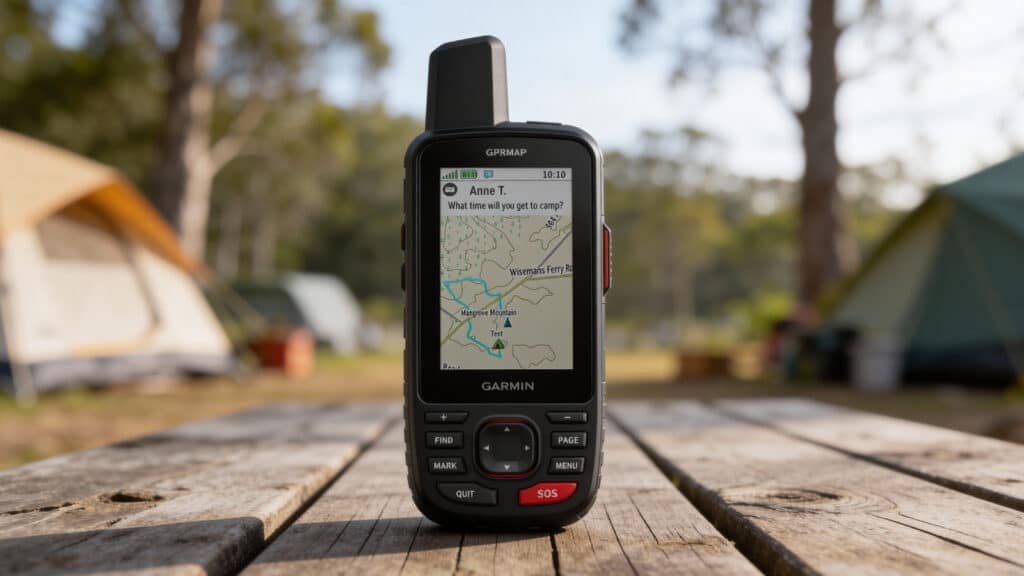
Key Features: Rugged GPS handheld with inReach satellite technology, two-way messaging, interactive SOS, comprehensive mapping
This is the absolute best handheld GPS for hiking if you want everything in one device. The GPSMAP 67i combines top-tier GPS navigation with inReach satellite communication, meaning you can send texts, share location, and trigger SOS even in areas with zero mobile coverage.
I tested this during a week-long trek in the Scottish Highlands, and the peace of mind from satellite connectivity was genuinely transformative.
Being able to send “all good, amazing views” messages to family while standing on a remote summit? Priceless. The mapping is superb, the screen remains readable in harsh sunlight, and the build quality screams “proper outdoor gear.”
The catch? You need an inReach subscription for satellite features (around £12-30/month depending on plan), and this unit isn’t cheap. But for serious hikers, mountaineers, or anyone venturing into proper wilderness, it’s worth every penny.
Pros:
- Satellite communication works anywhere on Earth
- Two-way messaging and SOS capability
- Excellent mapping and navigation
- Rugged, waterproof construction (IPX7)
- Multi-GNSS for superior accuracy
- Long battery life (up to 165 hours in expedition mode)
Cons:
- Expensive upfront cost (£500-600)
- Requires subscription for satellite features
- Heavier than basic units (around 240g)
- Learning curve for all features
Who it’s for: Serious hikers, mountaineers, wilderness explorers who need reliable emergency communication alongside navigation.
Best GPS Watch: Garmin Instinct 3
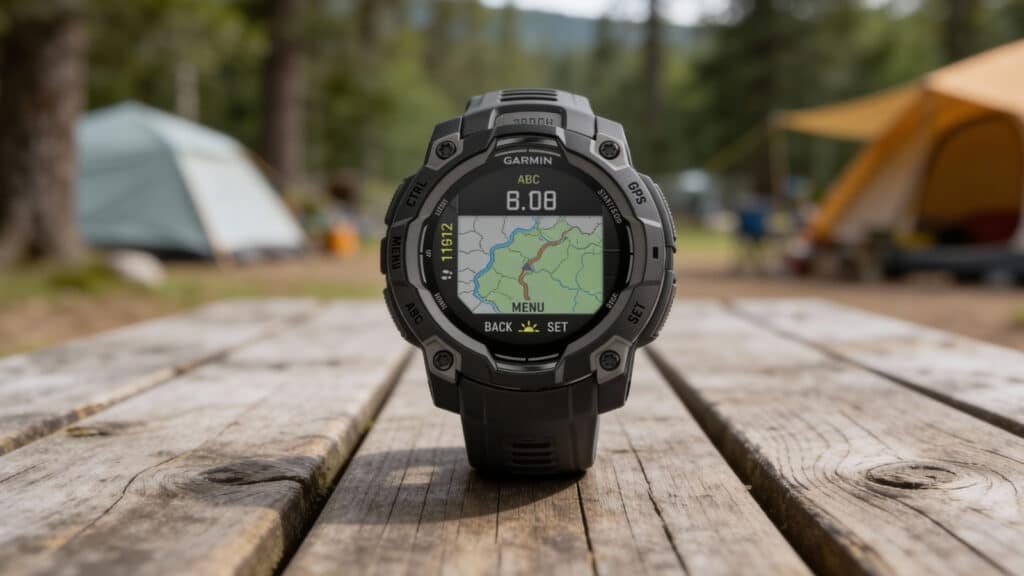
Key Features: 45mm GPS smartwatch, AMOLED screen, rugged design, built-in sports apps, LED flashlight, shock resistant, 10ATM waterproof, up to 18 days battery life
For hikers who prefer watches over handheld units, the Instinct 3 absolutely nails the balance between features and usability. The AMOLED screen is a massive upgrade from previous Instinct models, offering brilliant visibility while maintaining impressive battery life.
I’ve been using this as my daily driver for six months, and it’s accompanied me on everything from local trail runs to multi-day hiking trips.
The navigation features work brilliantly – breadcrumb trails, TracBack routing, and elevation profiles all display clearly on the wrist. The LED flashlight sounds gimmicky but is genuinely useful for early morning starts or emergency situations.
The sports tracking is comprehensive (running, cycling, swimming, climbing, skiing), and the health monitoring provides useful insights without being overwhelming. For hikers who also do other outdoor activities, this versatility is brilliant.
Pros:
- Excellent battery life (18 days smartwatch, 37 hours GPS)
- Beautiful AMOLED screen
- Comprehensive navigation and sports tracking
- Extremely rugged and waterproof
- LED flashlight surprisingly useful
- Solar charging option available
Cons:
- Smaller screen than handhelds (harder for detailed map reading)
- Premium pricing (around £450-500)
- Limited onboard mapping vs. dedicated GPS units
- Features can feel overwhelming initially
Who it’s for: Active hikers who want fitness tracking, health monitoring, and navigation in one rugged watch. Perfect for multi-sport athletes.
Best Value Handheld: Garmin eTrex 32x
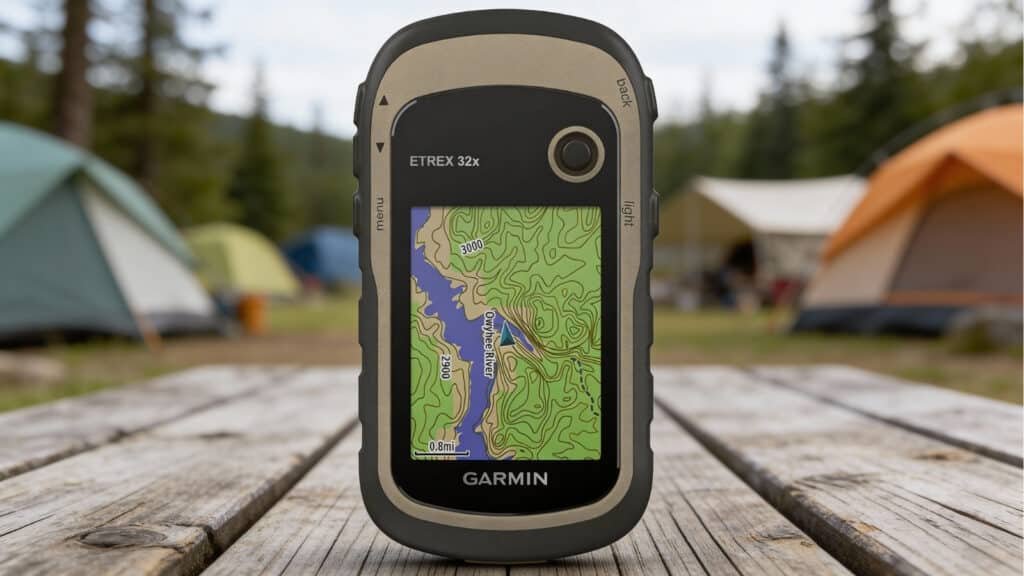
Key Features: Rugged outdoor GPS, 2.2″ sunlight-readable display, 3-axis compass, barometric altimeter, preloaded TopoActive maps
This is my top pick for hikers wanting a dedicated GPS unit for hiking without premium pricing. The eTrex 32x offers genuinely capable navigation in a compact, affordable package.
The screen is small but perfectly readable in bright sunlight, and the button interface works brilliantly with gloves.
I’ve used this for countless day hikes and weekend trips. The preloaded TopoActive maps cover Europe comprehensively, the battery life is excellent (25+ hours on two AA batteries), and the build quality feels bomber-proof.
For UK hikers exploring the Lake District, Snowdonia, or Scottish Highlands, this handles everything you’d reasonably need.
The interface is dated compared to modern touchscreens, but that’s actually an advantage in wet or cold conditions when touchscreens become frustrating. Physical buttons just work, every time.
Pros:
- Excellent value (around £200-250)
- Long battery life with replaceable AA batteries
- Preloaded TopoActive maps
- Compact and lightweight (142g)
- Button interface works with gloves
- Proven reliability
Cons:
- Small screen (2.2″)
- Dated interface design
- No touchscreen
- Limited smart features
- Basic compared to premium models
Who it’s for: Budget-conscious hikers wanting reliable navigation without unnecessary complexity. Perfect for UK and European hiking.
Best Premium GPS Watch: SUUNTO Race
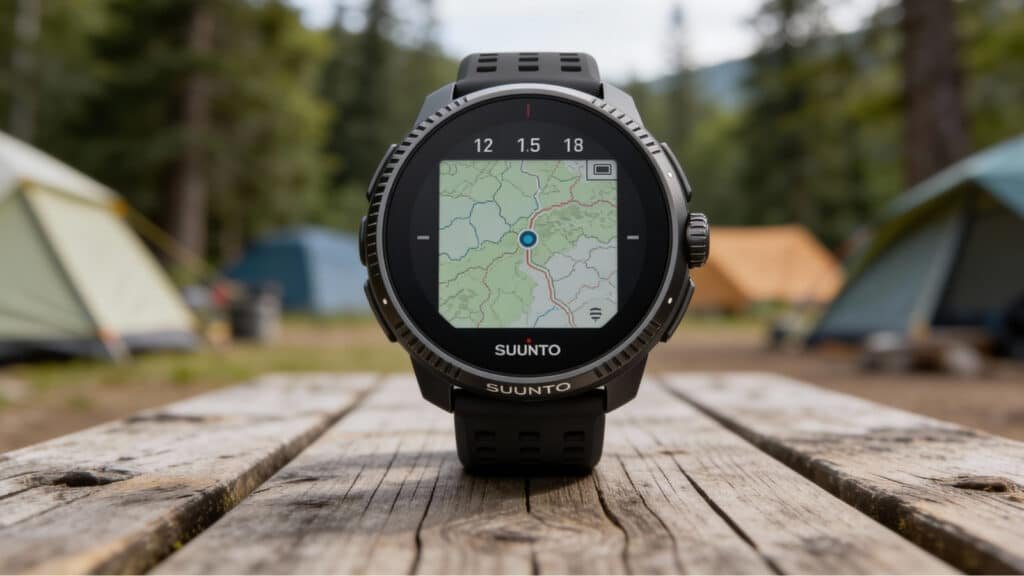
Key Features: GPS sports watch, AMOLED touchscreen & digital crown, advanced health & recovery, 26-day battery life, dual-GNSS, offline maps
For hikers who prioritize fitness tracking alongside navigation, the SUUNTO Race is exceptional. The 26-day battery life in smartwatch mode is genuinely impressive, and even with GPS active, you’re getting 40+ hours – enough for ultra-long hiking trips without recharging.
The AMOLED touchscreen combined with digital crown gives brilliant control in all conditions. I tested this on a multi-day hiking trip in Norway, and the offline maps worked flawlessly even in areas with zero connectivity.
The health and recovery features helped me gauge whether I was pushing too hard on consecutive long hiking days.
SUUNTO’s route planning and navigation are top-tier, with excellent breadcrumb trails, elevation profiles, and turn-by-turn guidance when you need it. The dual-GNSS provides accurate tracking even in challenging terrain like dense forests or narrow valleys.
Pros:
- Exceptional 26-day battery life
- Beautiful AMOLED display
- Offline maps included
- Advanced health and recovery tracking
- Dual-GNSS accuracy
- Digital crown works in all conditions
Cons:
- Premium pricing (£400-450)
- Smaller screen than handhelds
- Learning curve for full features
- Requires smartphone app for detailed planning
Who it’s for: Serious hikers and trail runners wanting comprehensive fitness data alongside excellent navigation. Great for ultra-distance events.
Best Large-Screen Handheld: Garmin Montana 710
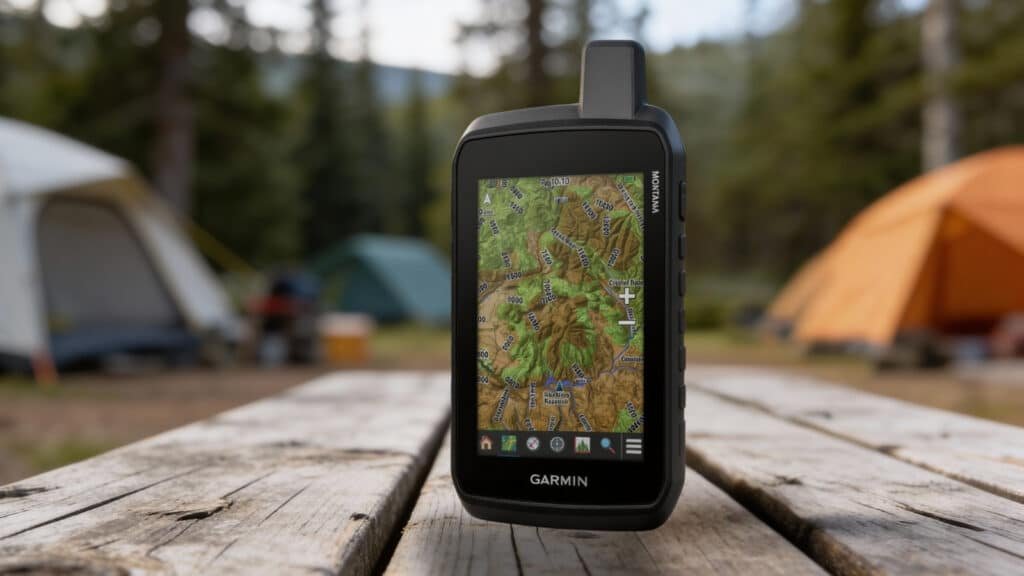
Key Features: 5-inch glove-friendly touchscreen, satellite imagery, comprehensive maps, rugged design, long battery life
If screen size matters most – maybe you’re getting older and small screens are becoming frustrating (no judgment, happens to us all) – the Montana 710 is brilliant. The 5-inch display makes map reading genuinely easy, and the touchscreen works even with heavy gloves.
I borrowed one for a winter hiking trip in the Cairngorms, and the large screen was transformative in challenging conditions.
Being able to see detailed topographic information without squinting made navigation significantly less stressful. The satellite imagery is genuinely useful for route planning and identifying landmarks.
The downside is size and weight – this is definitely a “mount to backpack strap” device rather than pocket-carried.
But for vehicle-based hiking (driving to trailheads) or situations where navigation precision really matters, the screen real estate is worth the bulk.
Pros:
- Massive 5-inch touchscreen
- Excellent readability in all conditions
- Comprehensive mapping options
- Satellite imagery useful
- Works with heavy gloves
- Rugged and waterproof
Cons:
- Large and heavy (around 350g)
- Expensive (£500+)
- Overkill for casual hiking
- Battery life shorter than smaller units
Who it’s for: Hikers who prioritize screen size and detailed mapping over compact portability. Excellent for older hikers or those with vision challenges. 😊
Best Compact Satellite Communicator: Garmin inReach Mini 2
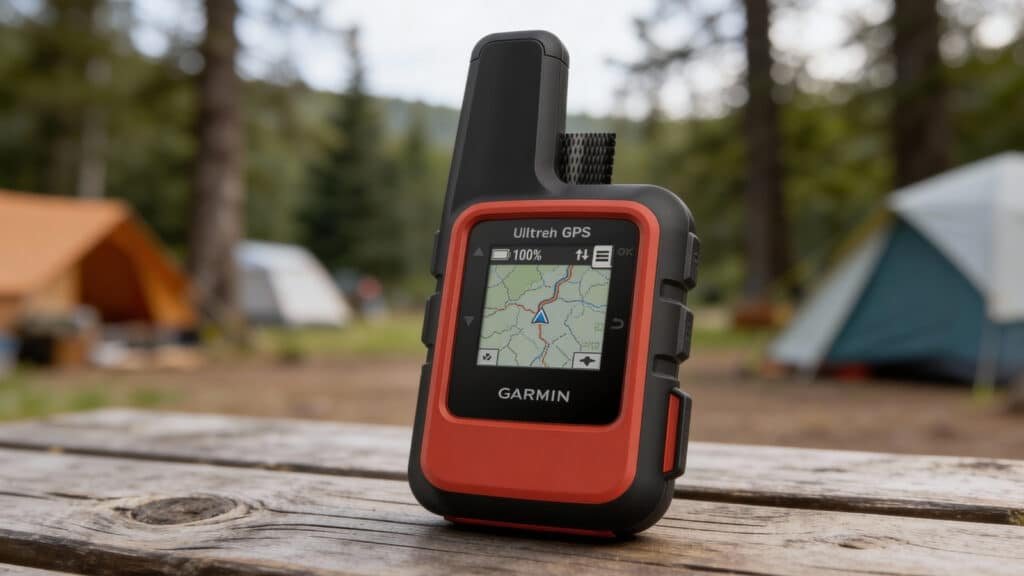
Key Features: Lightweight satellite communicator, two-way messaging, interactive SOS, location sharing, global satellite network, rugged design
This isn’t strictly a traditional GPS unit for hiking, but it’s become essential gear for my serious wilderness trips. The inReach Mini 2 is tiny (barely larger than a matchbox), lightweight (100g), and provides satellite communication anywhere on Earth.
I use this alongside my GPS watch – the watch handles navigation, while the Mini 2 provides emergency communication and location sharing.
The two-way messaging means I can check in with family even from remote Scottish mountains with zero mobile signal. The interactive SOS capability provides genuine peace of mind on solo hikes.
Like the GPSMAP 67i, this requires an inReach subscription, but the device itself is significantly cheaper and more compact. For hikers who already have navigation sorted but want satellite emergency capability, this is perfect.
Pros:
- Extremely compact and lightweight
- Global satellite coverage
- Two-way messaging works anywhere
- Interactive SOS capability
- Long battery life (30+ days in power-save mode)
- Affordable device cost
Cons:
- Requires subscription (£12-30/month)
- Limited GPS navigation features
- Small screen not ideal for mapping
- Best used alongside proper GPS device
Who it’s for: Hikers wanting emergency communication and location sharing without carrying a full satellite GPS. Perfect complement to GPS watches.
Best Budget GPS Watch: COROS APEX 4
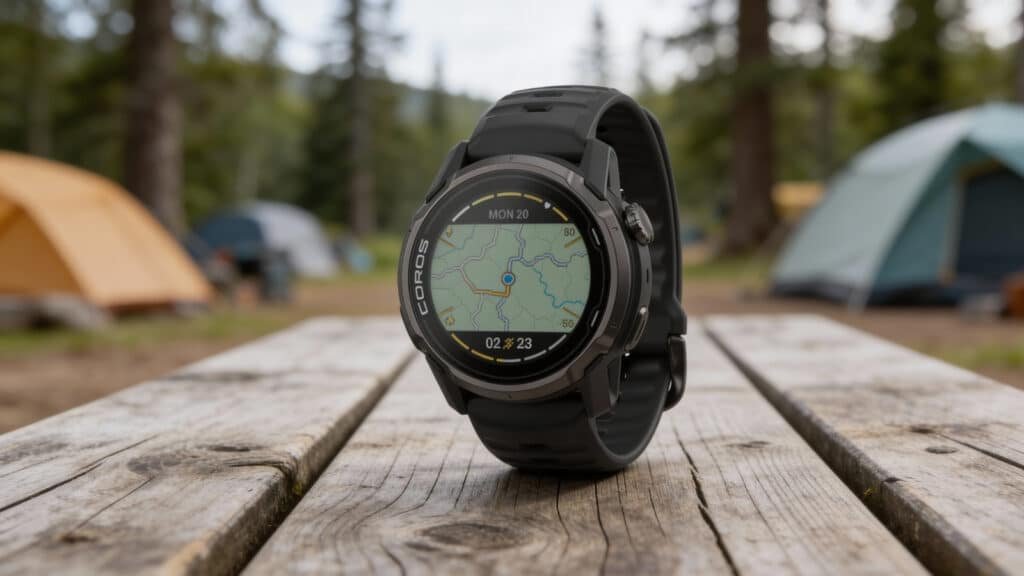
Key Features: 42mm GPS watch, 1.2″ MIP touchscreen, global maps with turn-by-turn navigation, 34 days battery life, voice pins, hands-free calls
For hikers wanting GPS watch functionality without Garmin/SUUNTO premium pricing, the COROS APEX 4 is genuinely impressive.
The 34-day battery life in smartwatch mode is exceptional, and the GPS tracking lasts 40+ hours – more than enough for most hiking adventures.
The global maps with turn-by-turn navigation work surprisingly well for the price point. I tested this on various UK hiking trails and found the navigation perfectly adequate for typical hiking scenarios.
The voice pins feature is clever – you can leave voice notes at specific locations during your hike, useful for remembering trail junctions or interesting features.
The build quality feels solid, the MIP display works brilliantly in sunlight (better than AMOLED in bright conditions, actually), and the overall feature set punches above its price point. For budget-conscious hikers, this is excellent value.
Pros:
- Exceptional battery life (34 days)
- Affordable for GPS watch (around £250-300)
- Global maps included
- Turn-by-turn navigation
- Voice pins feature useful
- Solid build quality
Cons:
- MIP screen less vibrant than AMOLED
- Smaller screen than premium watches
- COROS ecosystem less established than Garmin
- Fewer sport profiles than competitors
Who it’s for: Budget-conscious hikers wanting comprehensive GPS watch features without premium pricing. Excellent value for money.
Choosing the Right GPS: Buying Guide
Selecting the best GPS for hiking comes down to honest assessment of your actual requirements and hiking style:
Handheld vs. GPS Watch
Handheld GPS for hiking advantages:
- Larger screens for easier map reading
- Longer battery life typically
- More detailed mapping capability
- Better with gloves in cold weather
- Dedicated navigation focus
GPS watch advantages:
- Always on your wrist (can’t forget it)
- Lighter and more convenient
- Fitness tracking included
- No need to dig in pack to check location
- Better for active hiking/trail running
For multi-day hiking trips, many experienced hikers carry both – a watch for constant awareness and a handheld for detailed navigation planning.
And here’s where power management becomes crucial: keeping both devices charged on extended trips sometimes requires portable power solutions.
A 1500w portable power station can handle multiple device charging alongside camp lighting and other electronics for serious base camp operations.
Battery Life Considerations
Day hiking? Any decent GPS works. Multi-day trips? Battery life becomes critical when choosing hiking navigation devices. Look for:
- Replaceable batteries (AA/AAA) for unlimited runtime
- 20+ hour GPS tracking minimum
- Power-saving modes that actually work
- Solar charging options for extended trips
Pro tip: Carry a small power bank for emergency charging. For serious multi-day expeditions with base camps, a 1500w portable power station provides reliable charging for all your electronics including GPS devices, cameras, and communication equipment.
Mapping Requirements
Preloaded maps save hassle but limit flexibility. Downloadable maps offer customization but require planning. For UK hiking, ensure your GPS includes:
- Ordnance Survey maps (gold standard for UK)
- Topographic contour lines
- Trail/path markings
- Points of interest (shelters, water sources)
Emergency Features Matter
Satellite SOS capability isn’t essential for popular trails with mobile coverage, but becomes crucial for wilderness hiking. Consider:
- Areas you typically hike (remote vs. populated)
- Solo vs. group hiking habits
- Medical conditions requiring emergency access
- Risk tolerance and preparation philosophy
For serious wilderness hiking, satellite communication (inReach or similar) is genuinely worth the subscription cost. It’s insurance you hope never to use but are desperately grateful for if needed.
Durability and Waterproofing
Hiking gear gets abused. Your GPS will be:
- Dropped on rocks
- Soaked in rain
- Exposed to extreme temperatures
- Bashed around in your pack
Look for IPX7 waterproof rating minimum (can survive immersion), shock-resistant construction, and proven outdoor durability. Cheap GPS devices fail exactly when you need them most.
Real-World Usage Tips
After years of using various hiking navigation devices, here’s what I’ve learned:
Always carry backup navigation: GPS is brilliant, but technology fails. Carry paper maps and compass as backup. Seriously.
Download maps before you leave: Don’t rely on mobile connectivity in remote areas. Download all necessary maps while you have WiFi.
Learn your device thoroughly: Practice in familiar areas before relying on it in challenging terrain. Know how to navigate menus, mark waypoints, and activate emergency features.
Manage battery strategically: Use power-saving modes during easy sections. Enable full GPS tracking for challenging navigation. Turn off when stopped for extended breaks.
Protect from the elements: Even waterproof devices benefit from protective cases or pack placement that minimizes exposure.
Mark important waypoints: Car park location, trail junction decisions, camp locations – mark them all. Future you will be grateful.
The Verdict: Which GPS Is Best?
After extensive trail testing, here’s my honest recommendation for different hiker types in this best GPS for hiking roundup:
Best overall for serious hikers: Garmin GPSMAP 67i – the satellite communication combined with excellent navigation makes this unbeatable for wilderness hiking, despite the premium cost.
Best GPS watch: Garmin Instinct 3 – exceptional balance of features, battery life, and usability for hikers who prefer wrist-based navigation.
Best value handheld: Garmin eTrex 32x – proven reliability and capable navigation without premium pricing, perfect for UK hiking.
Best budget GPS watch: COROS APEX 4 – impressive features and battery life at a more accessible price point.
Best for emergency communication: Garmin inReach Mini 2 – essential for solo hikers or wilderness adventures where help isn’t readily available.
The best GPS for hiking ultimately depends on your specific needs, typical hiking terrain, and budget.
Assess your actual usage patterns honestly – don’t pay for features you’ll never use, but don’t cheap out on essentials like battery life and durability.
Modern GPS technology has genuinely transformed hiking safety and confidence. Whether you’re navigating complex mountain terrain or just want peace of mind on familiar trails, there’s a solution that fits.
And remember: the best GPS device is the one you actually carry and know how to use.
Master your chosen device, keep it charged (portable power helps massively on extended trips), and enjoy the freedom that confident navigation provides.
Happy hiking! 🥾
CampEquipmentPlus relies on reader support. Purchases made via links on our website may earn us an affiliate commission at no extra cost to you, helping keep the site running.