

CampEquipmentPlus relies on reader support. Purchases made via links on our website may earn us an affiliate commission at no extra cost to you, helping keep the site running.
Let’s start with a familiar outdoor moment. You’re miles into a hike, feeling good, when someone suddenly says, “I’ve got a blister coming up,” or worse, “I’ve cut my hand.” That’s when you realise whether your preparation was smart… or lazy.
I’ve been on both sides of that moment, which is exactly why I’ve carried the Lifesystems Trek First Aid Kit on countless walks, camps, and multi-day trips.
In this Lifesystems Trek First Aid Kit review, I’ll walk you through what it does well, where it stops short, and who it’s genuinely made for. Think of this as advice from a camping mate who’s already made the mistakes so you don’t have to.
The Real Problem: Big First Aid Kits Don’t Get Carried
Here’s the issue most hikers run into. Big first aid kits look impressive, but they’re bulky, heavy, and end up left behind “just this once.” And the one time you skip it? That’s when you need it.
What most hikers actually need is:
- A small, lightweight kit
- Supplies for realistic injuries
- Something that fits easily in a daypack
- Gear you’ll actually carry every time
That’s the gap the Lifesystems Trek kit fills. This Lifesystems Trek First Aid Kit review focuses on that exact use case.
First Impressions: Compact, Tidy, and Trail-Ready
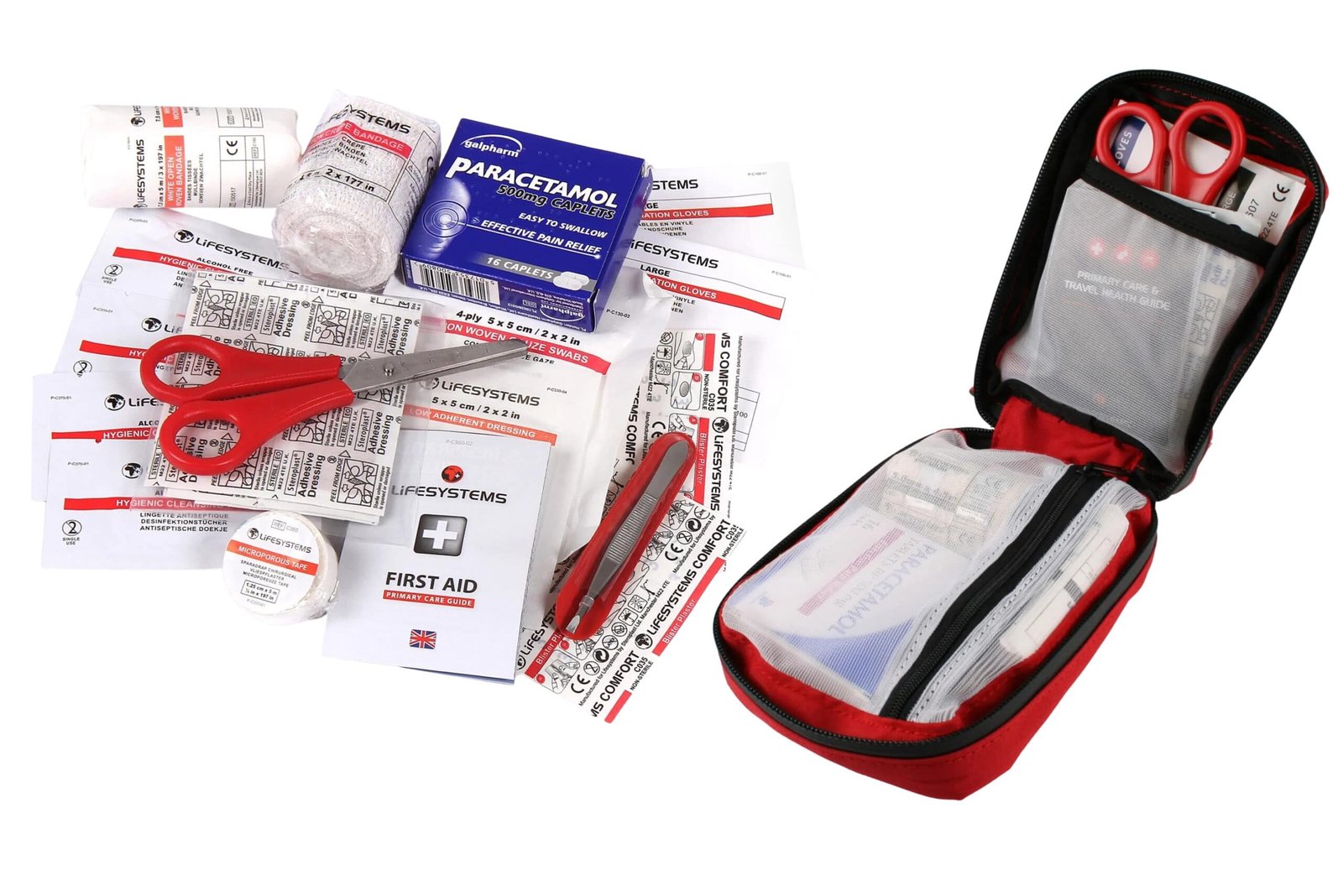
The first thing you notice is the size. This kit is properly compact. It fits into a side pocket of a rucksack without any drama.
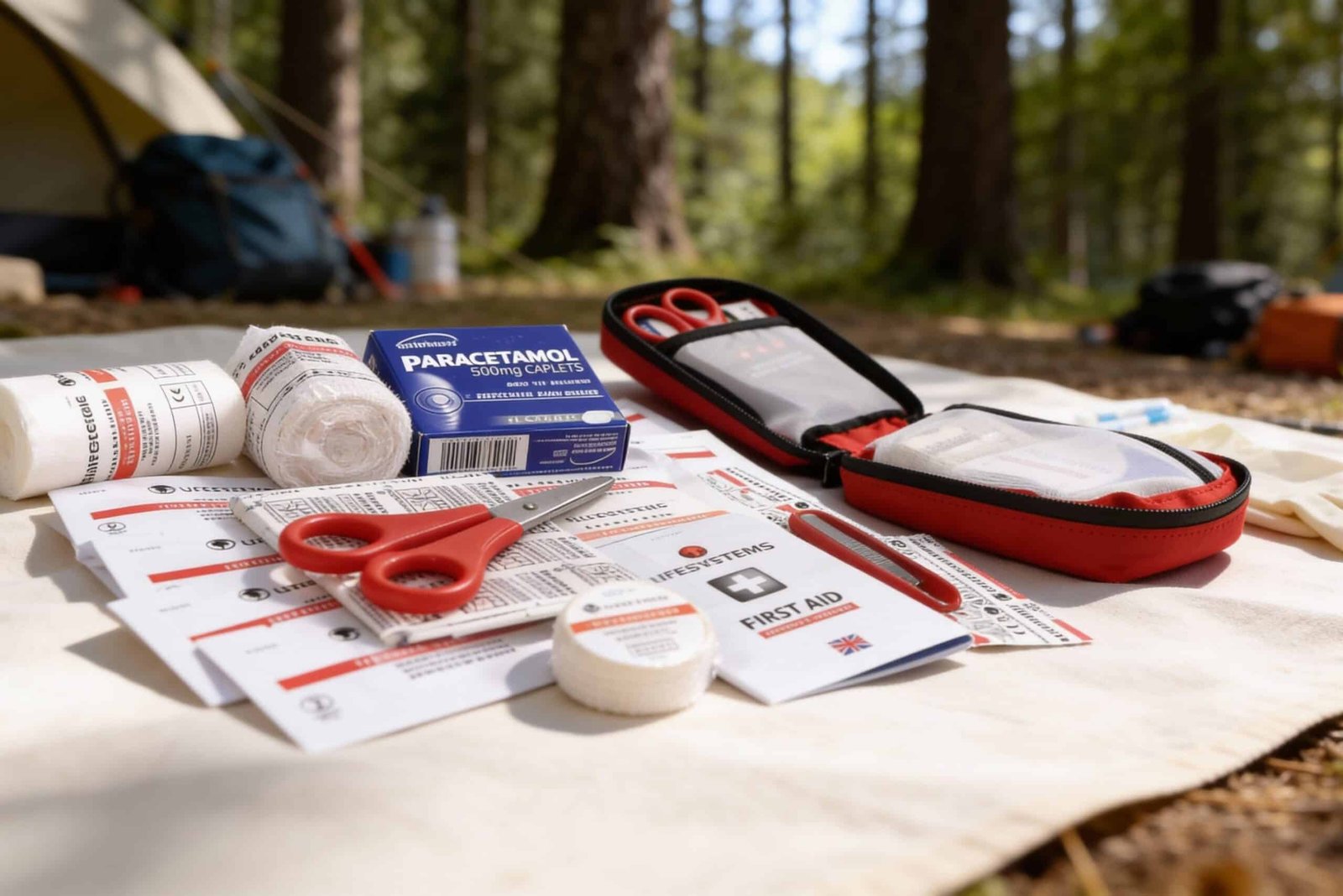
The outer pouch feels tough enough for regular outdoor use, with a simple zip and clear Lifesystems branding. Inside, everything is neatly organised—no rummaging required.
First impression highlights:
- Very lightweight
- Compact enough for day hikes
- Sensible internal layout
- Feels purpose-built, not overstuffed
Right away, it feels like something designed by people who actually hike.
What’s Inside: The Stuff You Actually Use
Let’s be clear: this is a trek kit, not a trauma kit. It focuses on the injuries you’re most likely to deal with on foot.
Typical contents include:
- Assorted adhesive plasters
- Sterile gauze pads
- Adhesive dressing
- Antiseptic wipes
- Bandage
- Blister plasters (the real MVPs)
- Safety pins
- Gloves
And honestly? That covers about 90% of trail mishaps.
Blisters, cuts, grazes, and small wounds are far more common than anything dramatic. This kit is built for reality.
Blister Care: Quietly the Best Feature
If you hike regularly, you know this already: blisters ruin trips faster than bad weather.
The inclusion of proper blister plasters is a big deal. I’ve used these more times than I can count, and they’ve saved hikes that would’ve otherwise ended early.
This alone makes the Lifesystems Trek First Aid Kit review lean strongly positive for hikers.
Real-World Use: When the Kit Earned Its Place
I’ve carried this kit on:
- Day hikes
- Weekend camping trips
- Multi-day walking routes
- Duke of Edinburgh-style group walks
It’s been used for:
- Heel blisters halfway into a long day
- Scraped knees on rocky descents
- Minor cuts from cooking at camp
- Splinters and grazes
Every time, it had exactly what was needed—no more, no less. That’s the sweet spot.
Weight & Packability: You Forget It’s There (In a Good Way)
One of the biggest compliments I can give this kit is that it disappears into your pack. It doesn’t add noticeable weight, and it doesn’t steal valuable space.
Because it’s so easy to carry, you’re far more likely to actually bring it. That’s huge.
A first aid kit you don’t carry is useless. This one avoids that trap.
Build Quality: Simple but Reliable
The pouch isn’t flashy, but it’s durable enough for regular use. Zips feel solid, stitching holds up, and nothing feels flimsy.
This isn’t something you’d drag behind a car—but for hiking and camping, it’s spot on.
Lifesystems has a good reputation for outdoor medical gear, and that shows here.
What’s Missing (And Why That’s Okay)
Let’s talk honestly about what this kit doesn’t include.
You won’t find:
- Medications (like painkillers)
- Trauma gear
- Tourniquets
- Burn gels
And that’s intentional. Different countries have different rules around medications, and advanced gear requires training.
Most users (myself included) add:
- Paracetamol or ibuprofen
- Personal medication
- Extra blister plasters
There’s enough space inside to customise it easily.
Customisation: Easy to Make It Yours
One of the underrated strengths of this kit is how easy it is to adapt.
I’ve added:
- Pain relief tablets
- Antihistamines
- Extra wipes
- A couple more blister plasters
That turns it from a good kit into my kit. And that’s exactly how it should work.
Pros and Cons
Let’s break it down clearly.
- Compact and lightweight
- Excellent blister care
- Covers common minor injuries
- Good value for money
- Trusted brand (popular for DofE)
- Easy to customise
- No medications included
- Not suitable for major trauma
- Limited supplies for groups
- Designed for personal use only
None of these negatives are surprises—they’re design choices.
Who Is the Lifesystems Trek First Aid Kit For?
Based on this Lifesystems Trek First Aid Kit review, it’s ideal for:
- Day hikers
- Backpackers
- Campers
- Duke of Edinburgh participants
- Solo or personal use
If you spend time on foot outdoors, this kit makes a lot of sense.
Who Might Need Something More?
You may want a larger or more advanced kit if:
- You’re leading groups
- You travel very remotely
- You want trauma-level supplies
- You’re responsible for children or multiple people
In those cases, this works well as a personal kit, paired with a bigger group kit.
Comparing It to Other First Aid Kits
Compared to big kits like the General Medi 210:
- Much lighter
- Far more packable
- Less comprehensive
Compared to tactical kits like Rhino Rescue:
- Simpler
- More beginner-friendly
- Less intimidating
This kit sits perfectly in the “every hike, every time” category.
Buying Guide: Should You Buy the Lifesystems Trek Kit?
Ask yourself a few simple questions.
Buy it if:
- You hike or camp regularly
- You want something lightweight
- You need blister and cut care
- You’ll actually carry it
Skip it if:
- You want a home or car kit
- You expect advanced medical gear
- You’re building a group first aid setup
Right tool, right job.
Training Still Matters (Even with a Small Kit)
Gear helps—but knowledge matters more.
Knowing how to:
- Clean a wound properly
- Apply blister plasters early
- Secure a bandage
…makes this small kit incredibly effective. A basic first aid course pairs perfectly with it.
Durability Over Time
After plenty of trips, the pouch still looks good. No tears, no zip issues, no internal damage.
Replace used items, keep it stocked, and it’ll serve you for years.
That’s good value in my book.
Verdict: Is the Lifesystems Trek First Aid Kit Worth It?
So here’s the final word in this Lifesystems Trek First Aid Kit review.
If you want a lightweight, reliable, and sensible first aid kit for hiking and camping, this is one of the best options available. It doesn’t overpromise, and it doesn’t overcomplicate things.
Final verdict:
- Excellent for hikers and trekkers
- Compact enough to carry every time
- Covers real-world injuries
- Great value and trusted design 👍
It won’t save the world—but it will save your hike. And sometimes, that’s exactly what you need.