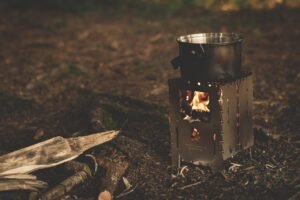
How to Use a Camping Stove on Your First Trip
Set the stove on firm, level ground outdoors, away from dry grass, leaf litter, and loose stones that could

Set the stove on firm, level ground outdoors, away from dry grass, leaf litter, and loose stones that could
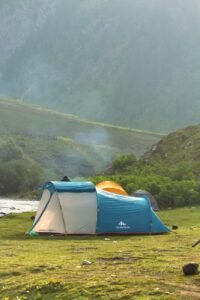
Hydrostatic head (HH) measures how much water pressure a fabric sample resists before water passes through it. A 1,500

A sleeping bag’s temperature rating does not replace an insulated pad. Loft traps air, but body weight flattens the
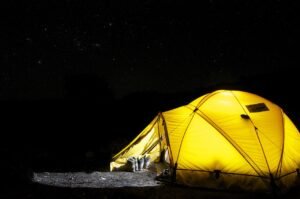
The first fit test is whether four actual sleeping pads lie flat on the usable floor. Add their inflated

A headlamp for each camper is more useful than a shared flashlight: it leaves both hands free for pitching
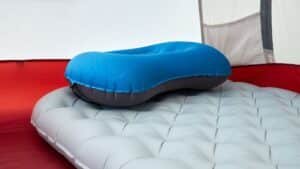
R-value measures resistance to heat flow, not how warm a pad feels in isolation. For a dedicated winter pad,

A powerful lantern can make a campsite look bright while leaving a cook’s hands in shadow. If it shines
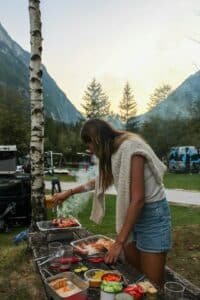
A breakfast bag may contain eggs that need chilling, bread that does not, and jam that needs refrigeration only
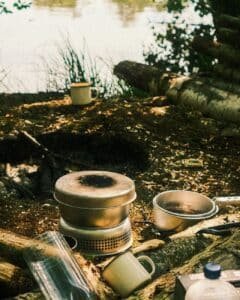
A lidded pot, one heat-safe spoon, and an eating vessel for each person cover a surprising number of camp
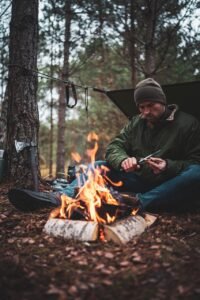
A tent, tarp, or other shelter must withstand the wind and precipitation expected at the campsite—not merely provide shade.