

Best Sleeping Bags for UK Camping
The best sleeping bags for UK camping keep you warm on cold, damp nights without leaving you sweating in July, and the right one depends far more on its temperature rating and fill than on its price.
Most bad nights under canvas in Britain come down to the sleeping bag. Campers buy a summer bag for a May weekend and shiver, pick a down bag that goes flat in a damp tent, or squeeze into a tight mummy bag when they sleep on their side. UK outdoor retailers give consistent advice: choose by the comfort temperature rather than the extreme figure, prefer synthetic insulation for damp campsites, and remember that your sleeping mat matters as much as the bag. We have picked five bags that cover the main needs, from a light all-rounder to a roomy, flannel-lined bag for cold sleepers.
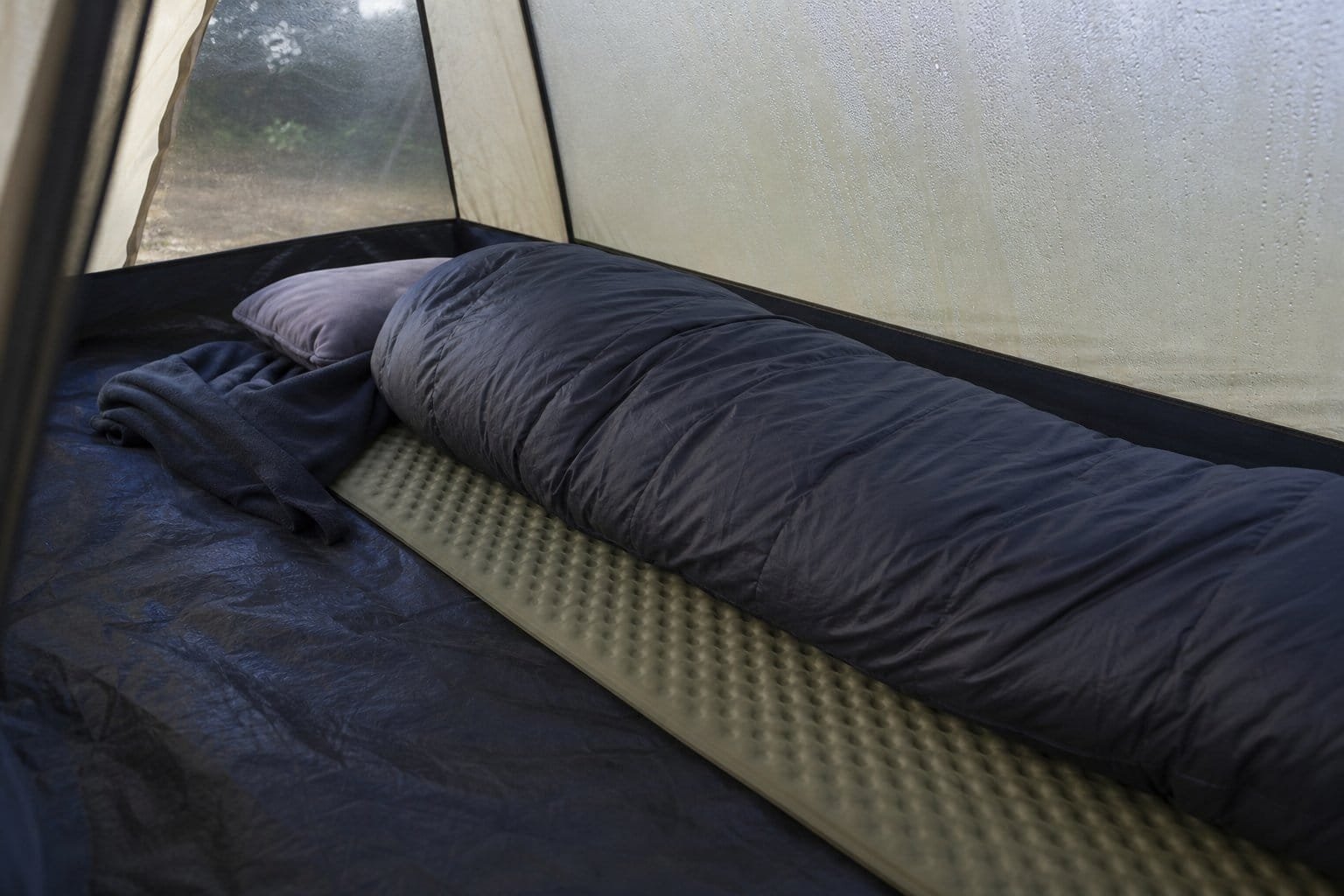
- Choose by comfort rating, not the extreme figure
- Synthetic fill copes best with damp UK campsites
- Pair any bag with a well-insulated mat
- Choose by comfort rating The comfort figure is the one to buy by. The lower limit is for a warm sleeper curled up, and the extreme figure is survival only.
- Aim for about 0 to 5°C comfort UK lowland summer nights are often 8 to 12°C, but spring, autumn and upland nights drop towards freezing.
- Synthetic suits damp UK camping Synthetic fill keeps insulating when damp and dries faster. Down is lighter but needs to stay dry.
- Your mat matters Bag ratings assume a well-insulated mat. A thin mat or air bed lets the cold ground steal your warmth.
Choosing between sleeping bags for UK camping is mostly about matching warmth to cold, damp British nights rather than chasing the lowest figure on the label. The comfort rating, the type of fill, the shape of the bag and the mat underneath all decide whether you sleep well or lie awake shivering. This guide explains each of those choices in plain terms, so you can match the five picks above to the seasons and sites you camp on.


Best overall Cosmic 20 | Best British brand Navigator | Best budget Brazos 20 | Roomiest Solstice 20 | Best for cold nights Heritage XL | |
|---|---|---|---|---|---|
|
|
|
|
|
| |
| Rating (US) | 20°F / -7°C | 37°F / 3°C comfort | 20°F / -7°C | 20°F / -7°C | 10°F / -12°C |
| Shape | Mummy | Square foot, hood | Rectangular | Oversized rect. | Rectangular |
| Insulation | CirroLoft ECO | Isofibre | Synthetic | ThermaPro Eco | Holofill 808 |
| Size | 214 cm long | 221 x 79 cm | 191 x 84 cm | 203 cm girth | 213 x 102 cm |
| Fits up to | 198 cm | Not quoted | 180 cm | 198 cm | 196 cm |
| Weight | 1.45 kg | Not quoted | Not quoted | About 2.7 kg | Not quoted |
| Zips together | Not quoted | Yes (L + R) | Yes | Yes | Not quoted |
| Washable | Not quoted | Not quoted | Machine | Not quoted | Machine |
| Check price | Check price | Check price | Check price | Check price |
Best sleeping bags for UK camping: our detailed reviews
Each review covers warmth, fit, how the bag copes with damp British conditions and the trade-offs owners most often mention. If you are new to choosing a bag, start with our guide on how to choose a camping sleeping bag, and pair your bag with the right mat using our guide to choosing a sleeping pad for camping.
Synthetic mummy bag that stays warm in damp UK air and packs small
The Kelty Cosmic Synthetic 20°F Long Sleeping Bag is our best sleeping bag for UK camping because it gets the balance right for a wet, changeable climate. Its recycled CirroLoft ECO insulation is synthetic, so it keeps insulating if condensation or a damp tent soaks into it, which is the main reason UK retailers steer campers away from down for campsite and wet-weather trips. Kelty rates it to 20°F (about -7°C). That is an American rating rather than an EN or ISO comfort figure, so treat it as closer to a lower limit: in practice it is a solid three-season bag that should stay comfortable on frost-free spring and autumn nights. A contoured hood, upper draft collar and full-length draft tube stop warm air escaping through the zip, which is one of the most common reasons people sleep cold, and the expanded footbox gives you room to move your feet. The Long size fits sleepers up to 6 ft 6 in (198 cm), weighs 1.45 kg and packs to about 24 x 46 cm in the included compression sack, so it works for car camping and the occasional walk-in pitch. There is an internal stash pocket and dual locking sliders for venting on mild nights. Kelty backs it with a limited lifetime warranty.
- Synthetic fill copes with damp
- Draft collar, hood and zip baffle
- Roomy footbox for a mummy bag
- Packs small with compression sack
- Limited lifetime warranty
- US rating, not an EN/ISO comfort figure
- Mummy shape can feel tight for side sleepers
- Zip-together option not quoted
UK-designed bag with Isofibre fill and a water-repellent shell
Snugpak is a British sleeping bag maker, and the Basecamp Ops Navigator shows it. It is one of the few bags in this list with a stated comfort temperature of 37°F (about 3°C), which is the figure UK retailers say you should choose by, and it is about right for late spring to early autumn on a lowland campsite, when Trekitt puts typical summer night temperatures at around 8 to 12°C. The Isofibre insulation uses hollow fibres that Snugpak says keep their warmth even when wet, and the AQUALight 190T polyester shell is water repellent, so a damp tent wall or a dewy night is less of a problem. A draft collar, snug-fit hood, zip baffle and an anti-snag two-way zip help hold in heat. At 221 x 79 cm (87 x 31 in) it is long enough for most adults, and the square foot design unzips into a blanket on warm nights. Buy a left and a right-hand zip version and they zip together into a double, which suits couples. It comes with a compression stuff sack and hanging tabs for drying, but the listing does not quote its weight, and the one-year warranty is shorter than Kelty’s or Coleman’s.
- Stated 3°C comfort rating
- Isofibre fill keeps warmth when damp
- Water-repellent shell
- Draft collar, hood and zip baffle
- Zips together with a left-hand bag
- Weight not quoted
- One-year warranty only
- Not warm enough for frosty nights alone
Low-cost rectangular bag that is machine washable
The Coleman Brazos 20°F Sleeping Bag is the budget pick for occasional campers, kids’ sleepovers and summer family holidays. It is a simple rectangular bag measuring 191 x 84 cm (75 x 33 in), so there is room to bend your knees, and it suits campers up to 5 ft 11 in (180 cm). Coleman’s Thermolock draft tube runs along the zip to stop heat escaping, Fiberlock construction stops the synthetic fill shifting into cold spots, and the no-snag zip is a small detail that owners of cheaper bags often wish they had. Two Brazos bags zip together for double the room, and the whole thing is machine washable, which matters with children and muddy campsites. Coleman says it keeps you warm down to 20°F (about -7°C), but this is not an EN or ISO rating and budget bags are often optimistic, so in the UK we would treat it as a comfortable bag for summer and mild shoulder-season nights, and add a liner or blanket if a frost is forecast. It rolls up with locking fasteners and comes with a stuff sack, but it is bulky and its weight is not quoted, so it is one for the car boot rather than the rucksack. Coleman gives a five-year limited warranty.
- Lowest price in this list
- Roomy rectangular shape
- Draft tube along the zip
- Machine washable
- Zips together with a second bag
- Optimistic US temperature rating
- Bulky, weight not quoted
- Only fits up to 180 cm
Extra-wide rectangular bag that feels more like your bed at home
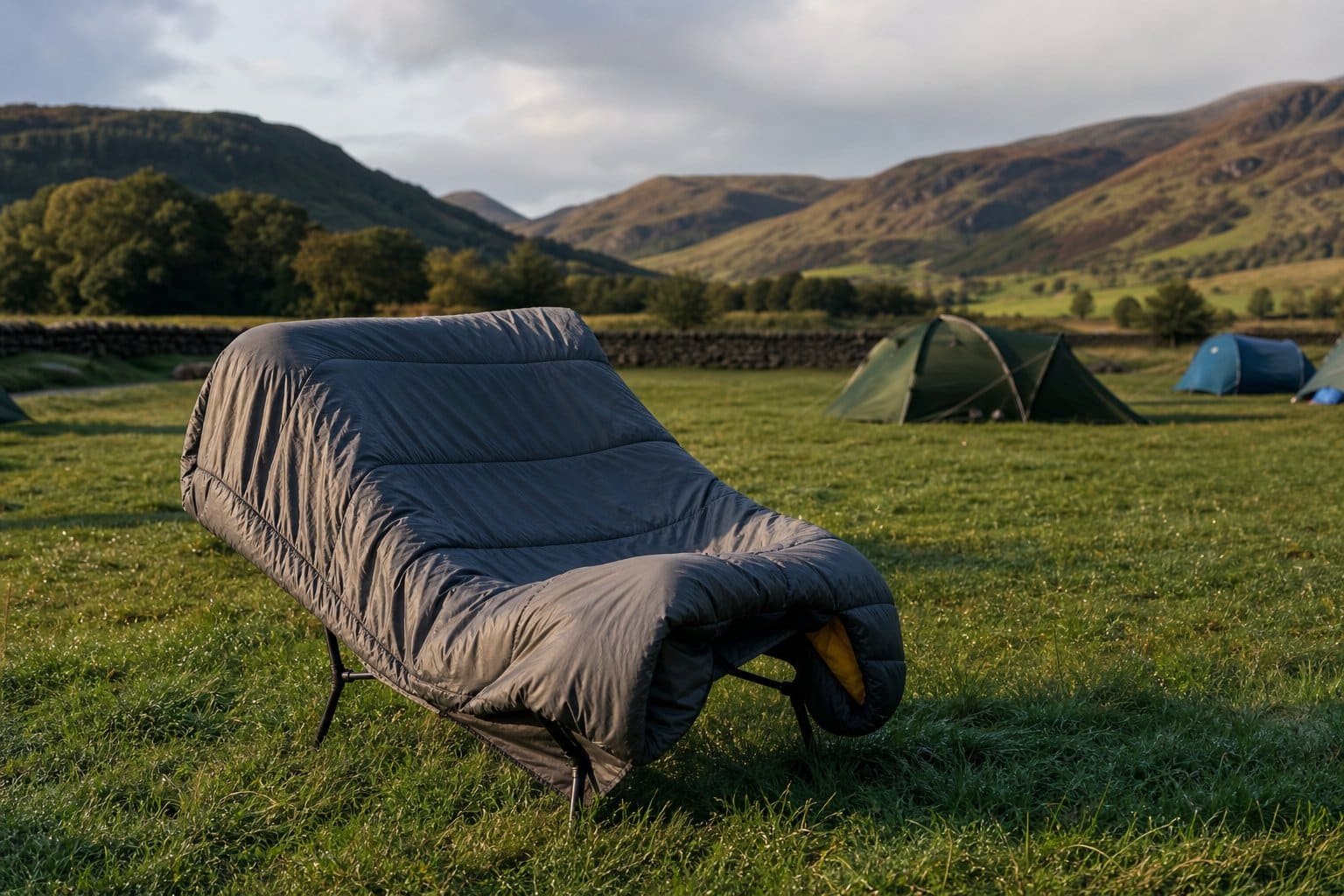
If the thought of a tight mummy bag keeps you awake, the Kelty Solstice 20°F Oversized Sleeping Bag is the one to look at. It is an oversized rectangular bag with about 80 in (203 cm) of shoulder and hip girth, which Kelty says is wide enough to use your pillow from home, and it fits sleepers up to 6 ft 6 in (198 cm). That space suits side sleepers, people who move around at night and anyone who finds the tapered shape of a mummy bag claustrophobic. To make up for the extra room, which is more air to keep warm, a cord at the top cinches and locks to seal out the cold, a draft tube runs behind the zip and offset quilting avoids cold spots. The insulation is 100% recycled ThermaPro Eco synthetic fill, and the recycled 50D shell has a PFAS-free water-repellent finish. Kelty rates the 20°F version to about -7°C, which again is a US rating, so think of it as a three-season campsite bag rather than a winter one. Two Solstice bags zip together into a double for couples or families. The downside is weight: Kelty quotes about 6 lb (2.7 kg) for the 20°F version, so this is strictly for car camping.
- Very roomy oversized fit
- Fits sleepers up to 198 cm
- Cinch cord and draft tube
- Zips together into a double
- PFAS-free water-repellent finish
- Heavy at about 2.7 kg
- No hood
- Wide shape is harder to keep warm on cold nights
Huge flannel-lined bag with 2.3 kg of insulation
The Coleman Heritage Big & Tall 10°F Flannel Sleeping Bag is the warmest and largest bag in this list, and it suits campers who feel the cold, tall adults and anyone camping into October or early spring. It measures 213 x 102 cm (84 x 40 in) and Coleman says it fits adults up to around 6 ft 5 in (196 cm). Inside are 5 lb (about 2.3 kg) of Holofill 808 synthetic insulation, with Fiberlock construction to stop it shifting, and Coleman rates it to 10°F (about -12°C). As with the other American ratings here, that is not a lab-tested comfort figure, but with that much fill it should keep most people warm on frosty UK campsite nights when paired with a well-insulated mat. The heavy-duty cotton cover and synthetic flannel liner feel more like bedding than a nylon bag, which owners love, and the whole bag is machine washable. The Wrap ‘N’ Roll system helps you pack it, but it is very heavy and bulky, and the cotton cover takes longer to dry if it gets wet, so keep it off damp tent walls. It is a campsite and campervan bag, not one to carry. Coleman gives a five-year limited warranty.
- Warmest bag in this list
- Very roomy for tall adults
- Soft flannel lining
- Machine washable
- Five-year warranty
- Very heavy and bulky
- Cotton cover slow to dry
- Total weight not quoted
What sleeping bag temperature rating do you need in the UK?
European bags are tested to EN 13537 or the newer ISO 23537 standard, which gives three figures: comfort, for an average cold sleeper; lower limit, for a warm sleeper curled up for the night; and extreme, a survival figure you should never buy by. UK retailer Trekitt suggests a comfort rating of around 5°C for lowland summer camping, where nights are typically 8 to 12°C, and around 0°C for a versatile three-season bag that also works on cooler spring and autumn nights or in the hills. Many bags sold online, including most of the American-made bags in this list, quote a single US temperature instead. That figure is usually nearer the lower limit than the comfort rating, so add a margin of 5°C or more, especially if you feel the cold.
Choosing sleeping bags for UK camping by season
Britain rarely gets the hard frosts of mountain winters, but it does get long, damp nights that feel colder than the thermometer suggests. The right bag depends on when and where you camp, so start by thinking about the coldest night you are likely to face rather than the average one. Most campers fall into one of three groups.
Summer-only campers
If you only camp in July and August on lowland sites, a lighter bag is enough, and a heavy one will leave you sweating. A bag with a comfort rating around 5°C suits typical summer nights, and a rectangular bag you can unzip into a blanket gives you an easy way to cool down. The Coleman Brazos 20°F is a good example of a simple, roomy bag for summer family trips.
Spring to autumn campers
Most people camp from Easter to October, and that is where a three-season bag earns its place. Look for a comfort rating of roughly 0 to 5°C, a hood and a draft collar. The Kelty Cosmic Synthetic 20°F and the Snugpak Basecamp Ops Navigator both sit in this range, and together they show why a three-season bag is the default choice for UK campsites.
Cold sleepers and shoulder-season trips
If you always feel the cold, or camp into late October and early spring, choose a warmer bag than the guidelines suggest. The Coleman Heritage Big & Tall 10°F has the most insulation in this guide. A warmer bag can always be unzipped on a mild night, but a cold bag cannot be made much warmer without extra layers.
Reading temperature ratings on sleeping bags for UK camping
European bags are tested to EN 13537 or ISO 23537, which gives a comfort rating, a lower limit and an extreme figure. The comfort rating is the one to buy by. Many of the most popular sleeping bags for UK camping are American, though, and quote a single US temperature instead, usually closer to a lower limit than to a comfort figure.
A simple rule helps: add at least 5°C to a single US figure to estimate how warm the bag will feel to an average sleeper. So a bag rated to 20°F, or about -7°C, is best treated as a three-season bag rather than a winter one. Our explainer on comfort versus limit temperatures goes into more detail on how the figures differ.
Ratings also assume you are on a well-insulated mat, wearing a base layer and sleeping in a tent. Swap the mat for a bare air bed or sleep in a draughty porch and the same bag will feel several degrees colder. That is why two people can describe the same bag as both toasty and freezing.
Bag shapes and fill types explained
Mummy, rectangular and oversized shapes
Mummy bags taper from the shoulders to the feet and usually have a hood. Less empty space means less air to warm up, so they are the warmest for their weight and pack smallest. The Kelty Cosmic is a mummy bag with a roomier footbox. The downside is that a narrow cut can feel restrictive if you sleep on your side or move around a lot.
Rectangular bags, like the Coleman Brazos, give you room to bend your knees and often unzip fully into a blanket. Many zip together with a second bag of the same model, which suits couples. Square-foot bags, such as the Snugpak Navigator, keep a hood and collar but give your feet more space. Both lose a little warmth compared with a mummy bag of the same fill.
Oversized bags, such as the Kelty Solstice 20°F Oversized, are the closest thing to your bed at home. They suit restless sleepers and anyone who finds tapered bags claustrophobic, but the extra room is more air to heat, and they are heavy and bulky. Treat them as car-camping bags for milder nights rather than walking kit.
Synthetic fill or down in a damp climate
Synthetic fill is the safer choice for most campsite trips in Britain. It keeps much of its warmth when damp, dries quickly and copes with the condensation that builds up in a closed tent. Every bag in this guide uses synthetic fill, from the recycled CirroLoft ECO in the Kelty Cosmic to Snugpak’s hollow-fibre Isofibre.
Down is lighter and packs smaller for the same warmth, which is why backpackers like it. The catch is moisture: untreated down loses loft when it gets wet and takes a long time to dry. If you choose down, look for water-repellent treated fill, keep the bag away from damp tent walls and air it every morning. For car camping, synthetic fill is usually the better buy.
Building a warm sleep system around your bag
A sleeping bag only traps the heat your body makes, and most of the warmth you lose at night goes into the ground beneath you. A proper insulated mat is therefore the biggest upgrade most campers can make. Self-inflating mats combine foam and air for warmth and comfort, and our guide to the best self inflating camping mats covers options for UK campsites.
Next comes what you wear. A clean, dry base layer and socks keep you warmer than sleeping in the clothes you wore all day, which hold moisture. A hat or the bag’s own hood stops heat escaping from your head, and a fleece blanket over the bag adds warmth without changing your bag on a cold night.
Finally, think about the tent around you. A small tent warms up faster than a large one, and a bedroom with a closed inner door is cosier than an open living area. Keep vents open to limit condensation, but sleep away from the walls so your bag does not touch damp fabric overnight.
Washing, drying and storing your sleeping bag
Most synthetic bags can be washed at home, and some, like the Coleman Brazos and Coleman Heritage, are listed as machine washable. Always follow the care label. As a general rule, use a gentle cycle with a non-biological or specialist wash, avoid fabric conditioner, and rinse thoroughly. Large bags may need a launderette’s bigger drum to wash evenly.
A liner is the easiest way to keep any of the sleeping bags for UK camping in this guide fresh between washes. Cotton liners are cheap and easy to wash, while silk liners weigh very little and pack down to almost nothing. Fleece liners add a soft layer on cold nights. Because the liner takes most of the sweat and skin oils, the bag itself needs washing far less often, which helps the fill last longer.
Dry the bag fully before storing it, either on a low tumble setting where the label allows or flat on an airer, turning it every few hours. Damp patches left inside the fill can turn musty. At home, keep the bag loose in a large storage sack or hung in a wardrobe, never squashed in its compression sack between trips.
Final thoughts on sleeping bags for UK camping
The best sleeping bags for UK camping are the ones matched to your season, your sleeping style and your mat. For most people that means a three-season synthetic bag with a comfort rating around 0 to 5°C, a hood and a draft collar. Cold sleepers should size up in warmth, and side sleepers should size up in room.
Whichever bag you choose, remember that it is one part of a system. Put it on a well-insulated mat, wear dry layers to bed and air it every morning, and even a modest bag will give you far better nights under canvas than the most expensive bag used badly.
What to look for in a sleeping bag for UK camping
Buy by the comfort figure, not the extreme. For most UK campsite trips from spring to autumn, a comfort rating of about 0 to 5°C is the sweet spot.
Synthetic fill keeps much of its warmth when damp and dries quickly, which suits British campsites and condensation-prone tents. Down is lighter and packs smaller but must be kept dry.
Mummy bags are warmer for their weight; rectangular bags are roomier and better for side sleepers. A bag that is too big leaves cold air to heat, and one that is too tight squashes the insulation.
Choose a long size if you are over about 6 ft (183 cm). Pressing your feet against the end compresses the fill and leaves cold spots.
A draft collar, hood and a baffle behind the zip stop warm air escaping, one of the most common reasons people sleep cold.
Temperature ratings assume an insulated mat. Read our guide to what R-value a sleeping pad needs before blaming the bag.
Big rectangular and flannel bags are heavy and bulky. Fine for the car boot, not for a rucksack.
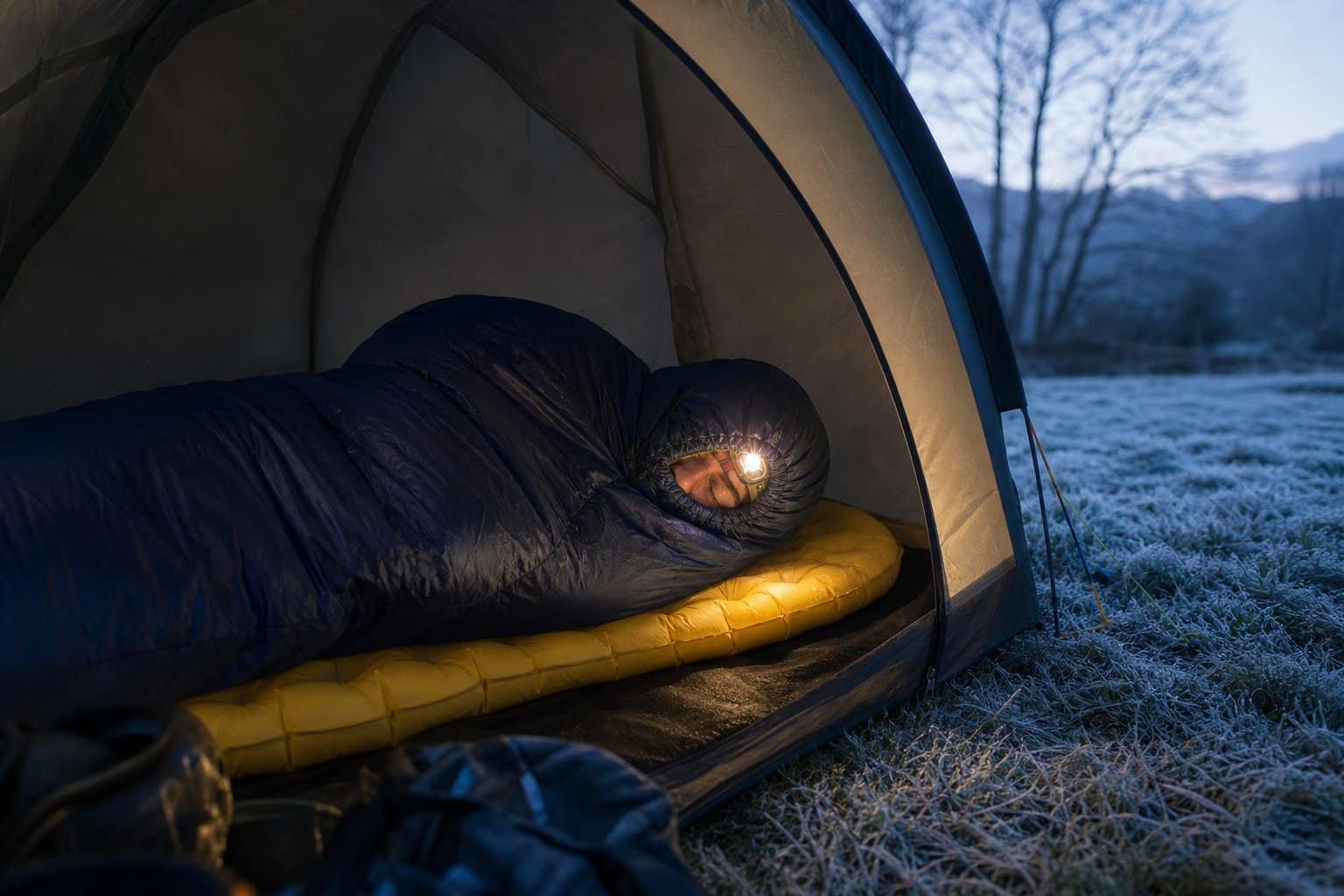
How to sleep warmer in your sleeping bag
- Insulate from the ground
Use a foam or self-inflating mat rather than a bare air bed, which loses heat to the cold ground. Add a foam mat or blanket underneath on cold nights.
- Go to bed warm
Eat a proper evening meal, have a warm drink and do a few minutes of movement before you get in. A bag only traps heat, it does not make it.
- Wear dry layers
Change into dry thermals and socks for sleeping. Damp clothes from the day pull heat away from you all night.
- Seal the drafts
Zip fully, close the draft collar and cinch the hood so only your face shows. Keep your mouth outside the bag so breath does not dampen the fill.
- Add a liner
A fleece or thermal liner adds a few degrees of warmth and keeps the bag clean, so you need to wash it less often.
- Air it every morning
Open the bag and hang it in the breeze or sun to drive out moisture from the night, then store it loose at home, not compressed.
How we chose these sleeping bags
We have not slept in every bag in this list ourselves. Our picks are based on manufacturer specifications, published advice from UK outdoor retailers and recurring themes in owner feedback. Prices change, so check the current price before you buy.
-
Warmth
We compared stated temperature ratings and noted where they are US figures rather than EN or ISO comfort ratings.
-
UK conditions
We favoured synthetic insulation, water-repellent shells and draft features for damp British nights.
-
Fit and comfort
We looked at shape, length, girth and whether bags zip together for couples.
-
Value
We weighed features, warranty and pack size against price.
Weights and temperature ratings are not quoted the same way for every bag. Where a figure is missing we say so rather than guess.
What season sleeping bag do I need for UK camping?
For most campsite trips from late spring to early autumn, a three-season bag with a comfort rating of about 0 to 5°C is the best choice. A two-season bag is enough for July and August in the lowlands, and a four-season bag is only needed for frost, snow or high-level camping.
Is a synthetic or down sleeping bag better in the UK?
For most UK campers, synthetic. It keeps much of its insulation when damp and dries faster, which matters in condensation-prone tents. Down is lighter and packs smaller, so it suits backpackers who can keep it dry.
Why am I cold in my sleeping bag?
The most common reasons are a poorly insulated mat, drafts through an open zip or hood, going to bed cold or hungry, damp clothing and a bag that is the wrong size. A bag’s rating also assumes a good mat, so an air bed on cold ground will feel much colder.
Can I zip two sleeping bags together?
Yes, if they are compatible. The Coleman Brazos and Kelty Solstice zip to a second bag of the same model, and the Snugpak Navigator zips to a matching left-hand version. Buying a left and right-hand zip pair is the usual way.
How should I store a sleeping bag?
Store it loose in a large cotton or mesh bag, or hang it, rather than leaving it in its compression sack. Long-term compression flattens the insulation and makes the bag less warm.
Which sleeping bag should you buy for UK camping?
- Best overall: Kelty Cosmic Synthetic 20°F Long Sleeping Bag
- Best British brand: Snugpak Basecamp Ops Navigator Sleeping Bag
- Best budget: Coleman Brazos 20°F Sleeping Bag
- Roomiest: Kelty Solstice 20°F Oversized Sleeping Bag
- Best for cold nights: Coleman Heritage Big & Tall 10°F Flannel Sleeping Bag
For most people, the Kelty Cosmic Synthetic 20°F Long is the best sleeping bag for UK camping: its synthetic fill copes with damp tents, its draft features keep the heat in and it packs small enough to carry. Choose the Snugpak Basecamp Ops Navigator for a British-made bag with a stated comfort rating, the Coleman Brazos 20°F for summer trips on a budget, the Kelty Solstice 20°F Oversized if you sleep on your side or hate mummy bags, and the Coleman Heritage Big & Tall 10°F if you feel the cold or camp into the autumn. Whichever you pick, pair it with a well-insulated mat.
CampEquipmentPlus relies on reader support. Purchases made via links on our website may earn us an affiliate commission at no extra cost to you, helping keep the site running.