
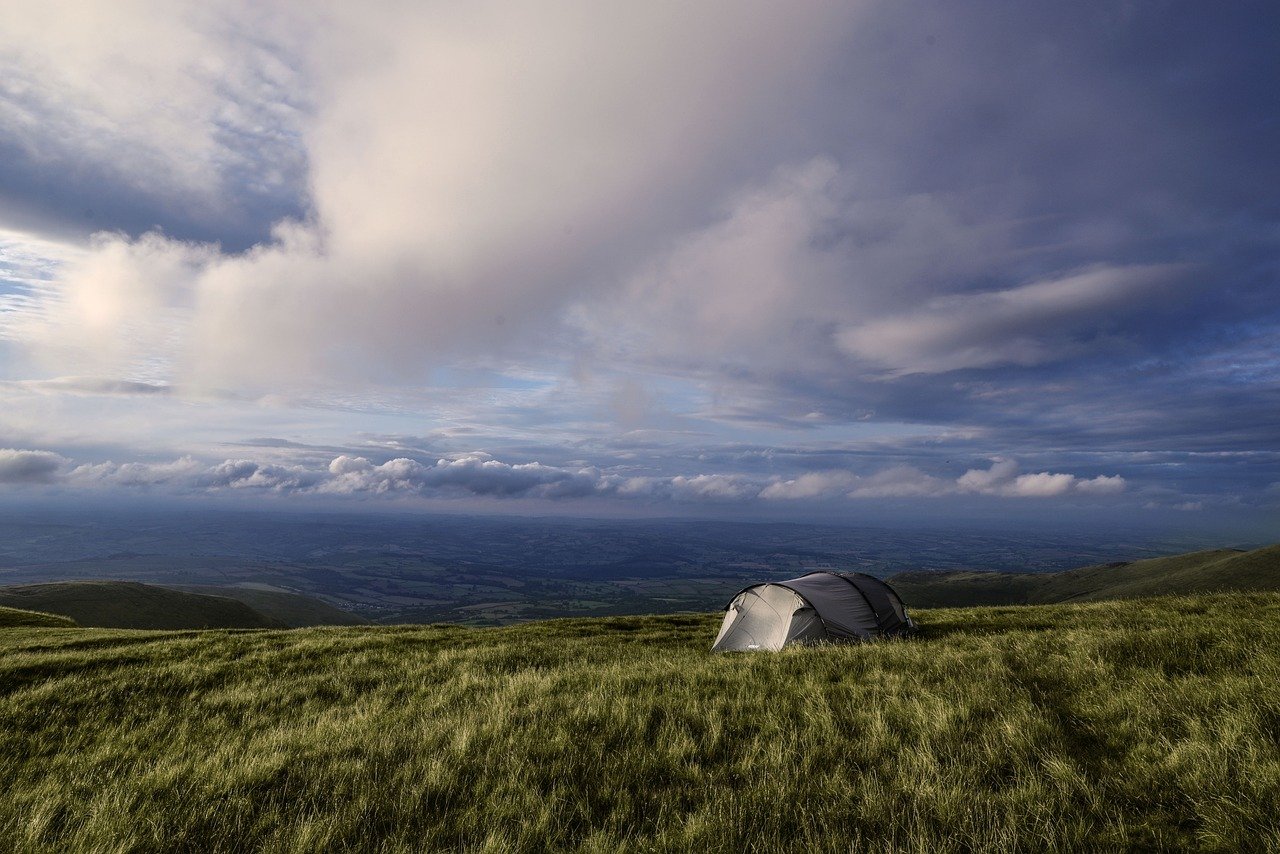
Best Waterproof Tents for Heavy Rain UK
The best waterproof tents for heavy rain in the UK combine a properly rated flysheet with taped seams, a tough sealed groundsheet and enough ventilation to stop condensation soaking you from the inside.
A big hydrostatic head figure on the box is only part of the story. In Which? testing, tents with similarly high ratings ranged from bone dry to a puddle on the floor, because most leaks come through seams and zips rather than the fabric. We picked five tents on the details that keep campers dry in a proper British downpour: flysheet and floor ratings, seam taping, double-wall design, pole strength and wind claims, ventilation, and how easy they are to pitch when the weather is already turning.
- Our five picks at a glance
- Side-by-side comparison
- Detailed reviews with pros and cons
- How to choose a tent for heavy rain
- Wet weather camping FAQs
- Seams and zips leak first Most tent leaks come through seams and zips, not the fabric. Fully taped seams, storm flaps over zips and a bathtub-style groundsheet matter as much as the headline rating.
- 3,000mm is a sensible flysheet minimum For long spells of UK rain, look for at least 3,000mm on the flysheet and a higher figure on the floor, which takes pressure from kneeling and sleeping bodies.
- Condensation is not a leak A sleeping adult can breathe out up to a pint of water a night. Droplets all over the roof usually mean condensation, so keep vents open; a drip from one spot is a leak.
- Pitching matters in a storm Choose higher ground, avoid hollows where water pools, peg and guy the tent fully, and re-tension guy lines after rain softens the ground.
The best waterproof tents for heavy rain UK campers can buy do more than quote a big number on the label. Staying dry through a long British downpour depends on the fabric, the seams and zips, the floor, the ventilation and how well the tent is pitched. This guide goes beyond our five picks to explain what the ratings really mean, how different fabrics behave in wet weather and how to keep any tent dry for longer.


Best overall Hot Tent 6-8 | Best for families BravArrk 6-8 | Best for wind and rain Coleman 6P | Best for couples GEERTOP 2P | Best for solo campers Solo 4-Season | |
|---|---|---|---|---|---|
|
|
|
|
|
| |
| Capacity | 6-8 person | 6-8 person | 6 person | 2 person | 1 person |
| Flysheet rating | PU3000mm walls | PU3000mm | 2,000mm | PU3000mm | PU5000 |
| Floor | 140g PE | Not quoted | Footprint incl. | Not quoted | Not quoted |
| Seams | Not quoted | Sealed | Not quoted | Fully taped | Not quoted |
| Poles | Steel | Not quoted | Aluminium | Aluminium | Aluminium |
| Peak height | 6.5 ft | 6 ft | 6 ft | 45 in | 36 in |
| Weight | Not quoted | 16 lb | 12 lb 11 oz | 6.9 lb | 4.4 lb |
| Wind claim | Not quoted | Not quoted | 45 mph | Not quoted | Not quoted |
| Check price | Check price | Check price | Check price | Check price |
Best waterproof tents for heavy rain UK: our detailed reviews
Each review covers how the tent keeps water out, where it could let you down and who it suits. We paid most attention to the problems UK campers report after a wet weekend: drips along seams and door zips, damp floors where the groundsheet meets the walls, condensation running down the inner tent, and poles flexing or snapping in gusty rain.
Breathable canvas roof that fights condensation
This poly-cotton cabin tent is our top pick for families who camp in all weathers. Its roof is 210g TC canvas (65% polyester, 35% cotton), which breathes far better than coated polyester, so the moisture a family breathes out overnight escapes rather than condensing and dripping back onto sleeping bags. That matters in heavy rain, when you keep the doors shut and condensation is at its worst. The 210T ripstop sidewalls carry a PU3000mm coating, and the 140g PE floor is puncture resistant and sits well clear of the walls. Inside, a 6.5 ft peak and 4.6 ft vertical walls let adults stand and move around on a washout day, two doors and six mesh windows keep air moving, and a flame-retardant stove jack lets you add a wood stove for cold shoulder-season trips. Steel poles, reflective guy lines and glow-in-the-dark stakes are included. Poly-cotton is heavy and must be dried fully before storage, and the seller does not quote a pack weight or floor size.
- Breathable TC poly-cotton roof cuts condensation
- PU3000mm sidewalls and 140g PE floor
- 6.5 ft peak with near-vertical walls
- Stove jack for cold-weather trips
- Two doors and six mesh windows
- Heavy, and canvas must be dried before storage
- Floor size and weight not quoted
- Most expensive tent here
A roomy, well-sealed tent for wet family weekends
The BravArrk is a strong value choice for families who want a big tent that has been designed with rain in mind. Its fabric carries a PU3000MM waterproof coating with fully sealed seams, and a double-layer rainfly covers the inner tent to keep driving rain off the mesh panels. At 14 x 9 ft it takes three queen airbeds or up to eight sleeping bags, the 72-inch centre height lets most adults stand to change, and a divider curtain splits off a second sleeping area. Large mesh windows and a mesh roof help with condensation once the fly is vented. Colour-coded parts make pitching straightforward for two people, and at 16 lb it is light for its size. The seller does not state the floor rating or pole material, and the 3-month warranty is short, so seam-seal and pitch it at home before a big trip.
- PU3000MM coating with sealed seams
- Double-layer rainfly
- 14 x 9 ft floor and 6 ft height
- Divider curtain for two areas
- Light for its size at 16 lb
- Floor rating and pole material not quoted
- Short 3-month warranty
- Mesh roof relies on the fly in rain
A heavyweight dome built to shrug off gusts
Coleman’s WeatherTec Plus tent is the most storm-focused design here. The brand rates it to withstand winds up to 45 mph, well above the 30 mph at which the Met Office warns many tents start to suffer damage, thanks to a 7000-series aluminium pole frame rather than fibreglass. The flysheet is waterproof to a 2,000mm waterhead, lower on paper than some rivals, but Coleman pairs it with a matching protective footprint, and on a taut, well-guyed dome a well-sealed 2,000mm fly is usually enough for typical UK rain. Two roof vents and a star-view window help airflow, the wide door and vestibule give you somewhere to leave wet boots and coats, and Coleman backs it with a 5-year limited warranty. At around 12 lb 11 oz trail weight and roughly 10 x 8 ft, it suits car campers or a small group rather than lightweight hikers.
- Rated for winds up to 45 mph
- 7000-series aluminium poles
- Footprint included
- Two roof vents and wide vestibule
- 5-year limited warranty
- 2,000mm fly is lower on paper
- Expensive
- Heavy for backpacking
A compact four-season tent for two
For couples, the GEERTOP 2 Person is a compact, properly double-walled shelter built for changeable weather. The 210T ripstop polyester rainfly has a PU3000mm coating and fully taped seams, and an extended snow skirt around the base stops wind-driven rain and spray blowing under the fly, a common cause of damp sleeping bags. A freestanding two-pole aluminium frame pitches in around 5 to 8 minutes, so you can get the fly up quickly when a shower arrives, and vestibule areas give you dry storage for packs and boots outside the inner tent. At 6.9 lb and 17 x 7 x 7 in packed, it is light enough for walking trips, bike touring or motorcycle camping. The floor rating is not quoted, and at 45 in high there is only sitting room, so it is a tent for sleeping rather than sitting out a long wet day.
- PU3000mm fly with fully taped seams
- Snow skirt blocks wind-driven rain
- Freestanding aluminium frame
- Vestibule storage
- 6.9 lb pack weight
- Sitting height only
- Floor rating not quoted
- Tight for two plus kit
The highest stated rating in this guide
Solo campers who expect serious rain should look at this one-person four-season tent, which has the highest stated waterproof coating in this guide at PU5000. A full-coverage rain fly over a mesh inner, aircraft-grade aluminium poles and double-layered corners help it cope with wind and heavy downpours, and a roll-down snow skirt seals the gap at the base in bad weather. It weighs just 4.4 lb and packs to 5.1 x 15 in, so it slips easily into a rucksack for wild camping or long hikes. Inside there is a lantern hook and a mesh pocket. The floor is 31.8 x 86.6 in with 35.8 in of height, which is snug for taller campers and leaves little space for wet kit, so pack a dry bag for gear and keep wet clothes outside the inner tent.
- PU5000 coating, highest stated here
- Aluminium poles and reinforced corners
- Snow skirt
- 4.4 lb and very compact
- Lantern hook and pocket
- Snug for tall campers
- Little room for wet gear
- Lesser-known brand

How to choose a waterproof tent for heavy rain
The checklist below draws on Which? advice on tent waterproof ratings and the problems wet-weather campers raise most. For a deeper look at the numbers, read our guide to what waterproof rating a tent should have for rain. If you need more space, see our picks for the best family camping tents UK and the best inflatable air tents UK.
What a waterproof rating really tells you
Most tents quote a hydrostatic head figure in millimetres. It describes how tall a column of water the fabric can hold back before water is forced through, so a higher number means the material resists more pressure. It is a useful way to compare fabrics, but it only measures the fabric itself, not the seams, zips or the way the tent is put together.
That is why two tents with the same rating can perform very differently in wet weather. A well-designed shell with taped seams, covered zips and a low-hanging flysheet can stay dry with a modest figure, while a poorly made tent with a high number can still drip at the door. The Coleman WeatherTec Plus in this guide is a good example of a design that relies on structure and tension, not just its fabric rating.
Remember too that the floor faces more pressure than the walls. Kneeling, sitting and lying on a groundsheet pushes water upwards from wet ground, so floors are usually rated higher than the flysheet. Where a seller does not quote a floor figure, a separate footprint or groundsheet protector adds an extra layer of insurance on soggy pitches.
Waterproof tents for heavy rain UK: fabric types compared
When comparing waterproof tents for heavy rain UK retailers stock, the fabric is one of the biggest choices you will make. It affects not only how rain is kept out, but how much condensation forms inside, how heavy the tent is and how much care it needs after a trip. The five tents in this guide cover the main options.
Coated polyester
Most tents, including the BravArrk, the GEERTOP and the one-person four-season tent, use polyester with a waterproof coating such as PU. Polyester is light, affordable and does not sag much when wet, which helps the flysheet stay taut in a storm. The coating keeps rain out but also traps moisture inside, so vents and a double-wall design matter for comfort on long wet nights.
Poly-cotton and canvas
Poly-cotton, used on the roof of the Poly-Cotton 6-8 Person Hot Tent, mixes cotton fibres with polyester. The cotton swells when wet, tightening the weave, while still letting water vapour escape. That makes it excellent at reducing condensation during long spells of rain. The trade-offs are weight, a larger pack and the need to dry it completely before storage.
Single wall or double wall
A double-wall tent has a separate inner and flysheet with an air gap between them, so condensation forming on the fly does not soak your sleeping bag. Most tents in this guide use this layout. Single-wall designs are lighter and quicker to pitch, but they are more prone to drips on cold nights, which is worth bearing in mind for long wet trips.
Pitching in a downpour
Arriving on site in the rain is part of camping in Britain, and the way you pitch makes a big difference. If your tent can be pitched fly-first, or with the inner already clipped in, the outer goes up straight away and the inside stays dry. Practising at home means you can do this quickly without reading instructions while the sky opens.
Choose the pitch carefully. Avoid dips and the bottom of slopes where water gathers, and look for well-drained grass rather than compacted mud. Point the narrow or lowest end of the tent into the wind, then peg and guy everything evenly so the flysheet is taut. A tight fly sheds water quickly, while a slack one can sag onto the inner and wick water through.
Keep wet gear out of the bedroom. Leave coats and boots in the porch, change into dry clothes before getting into your sleeping bag and pack spare clothes in dry bags. A small towel for wiping condensation off the inner each morning helps, and opening the vents as soon as the rain eases lets damp air escape before the next shower.
Heavy rain in the UK rarely arrives on its own. It usually comes with gusty wind, especially on coastal and upland sites, so the frame matters as much as the fabric. Strong poles, plenty of guy points and solid pegs keep the shell in shape. Re-tension the guy lines after a downpour, because wet fabric stretches and saturated ground lets pegs loosen.
Check the forecast before you travel and be ready to adapt. If a named storm or severe weather warning is forecast, a sheltered pitch, an earlier pack-down or a night in the car may be wiser than testing your tent to its limits. Even the sturdiest waterproof tents for heavy rain UK campers own are not designed to ride out every storm.
Looking after a waterproof tent
Even the best waterproof tent needs some care to stay that way. Coatings and seam tape wear with age, sunlight and repeated packing, so check the tent at the start of each season. Pitch it in the garden, look along the seams for tape that is lifting and check the zips run smoothly. Small problems are easy to fix before they become leaks on a wet weekend.
Seam sealer, applied to clean, dry seams, fixes most minor leaks along stitching. If water no longer beads on the flysheet and instead soaks into the fabric, a reproofing treatment designed for tents can restore the outer finish. Always follow the product instructions, test on a small area first and allow plenty of time for it to dry before packing the tent away.
Drying is the most important habit of all. Packing a tent away wet for more than a day or two invites mildew, which damages coatings and leaves stains and a musty smell. This is especially true of poly-cotton, but it applies to every fabric. Hang or pitch the tent at home as soon as you can, and store it loosely in a cool, dry place.
Matching the tent to your trips
No single tent suits every wet-weather camper. Families on long stays get the most from a roomy tent with standing height and breathable fabric, while couples and solo hikers need something light that still handles wind-driven rain. When you compare waterproof tents for heavy rain UK conditions demand, start with who is going and how far you will carry the tent from the car.
For families who camp in all seasons, the poly-cotton hot tent’s breathable roof and stove jack make long, damp stays more comfortable. The BravArrk suits families on a budget who want a big, sealed shell, and the Coleman WeatherTec Plus is built for exposed, windy pitches. For walkers, the GEERTOP’s snow skirt and the one-person tent’s PU5000 coating keep spray and driving rain at bay.
Whichever you choose, look for a groundsheet that rises up the walls or is sewn in. Our guide to the best tents with sewn in groundsheets explains why that matters on soggy pitches, and if you still wake up damp, read why your tent is wet inside to tell condensation from a genuine leak.
Final thoughts
Staying dry in heavy rain is about the whole system rather than one number. A sensible waterproof rating, taped seams, covered zips, a good floor and a well-pitched, taut flysheet all work together. Add good ventilation and careful handling of wet kit, and even a long, wet British weekend becomes far more comfortable.
Our five waterproof tents for heavy rain UK campers can choose from cover families, couples and solo hikers, with options for breathable fabric, strong wind ratings and compact weight. Pick the one that fits your trips, pitch it at home first and look after it between outings, and it should keep you dry for many seasons to come.
What to look for in a tent for heavy rain
Aim for at least 3,000mm on the flysheet for long spells of UK rain and a higher rating on the groundsheet, which is under pressure from knees and bodies. Treat the figure as a guide, not a guarantee.
Most leaks come through seams and zips. Look for fully taped or sealed seams, storm flaps over door zips and a bathtub groundsheet that rises up the walls.
A separate fly and inner keep condensation off your bedding. High and low vents, mesh panels and breathable poly-cotton all reduce the drips that are often mistaken for leaks.
Rain usually comes with wind. Aluminium or steel poles, plenty of guy points and solid pegs keep the fly taut, and a taut fly sheds water instead of letting it pool.
A covered porch gives you somewhere to leave wet boots and coats so moisture stays out of the sleeping area.
Tents that pitch fly-first or with the inner attached keep the inside dry when you set up in a shower. Practise at home so you are quick on the day.
How to keep your tent dry in a downpour
- Pick the right pitch
Choose slightly higher, well-drained ground and avoid hollows where water collects. Check for overhanging or rotten branches if wind is forecast.
- Tuck the groundsheet in
Keep any footprint or groundsheet inside the edge of the flysheet so it does not catch rain and channel it under the tent.
- Peg and guy everything
Use every peg and guy line and tension the fly so it is taut with an even gap from the inner tent.
- Keep vents open
Leave vents and some mesh open even in rain to cut condensation, and avoid touching the walls, which draws water through.
- Manage wet kit
Leave wet coats and boots in the porch, pack clothes and bedding in plastic or dry bags, and keep gear away from the walls.
- Re-tension after rain
Wet ground softens and fabric stretches, so check pegs and tighten guy lines after a heavy shower, and dry the tent fully at home before storing.
How we chose these tents
We have not pitched every tent in this list ourselves. Our picks are based on manufacturer specifications, published advice from Which?, the Met Office and UK camping retailers, and recurring themes in owner feedback about tents in wet weather.
-
Waterproofing
We compared stated flysheet and floor ratings, seam construction and groundsheet design.
-
Wind resistance
We looked at pole material, guying points and any wind ratings the brand quotes.
-
Condensation control
We weighed up fabric type, double-wall design, vents and mesh panels.
-
Living with rain
We considered headroom, porches, pack weight and how quickly each tent pitches.
Pitch any new tent at home first, check the seams and zips, and seal any seams that are not taped before your first trip.
What waterproof rating does a tent need for heavy rain?
For UK camping, around 3,000mm on the flysheet is a sensible minimum if you expect prolonged heavy rain, with a higher rating on the floor. A lower rating can still be fine if the seams, zips and pitch are good, so treat the number as one factor among several.
Why is my tent wet inside when it is not leaking?
Usually condensation. Warm, moist air from breathing, wet clothes and cooking condenses on the cooler fabric. If droplets cover a large area, it is condensation; if water keeps appearing at one seam, zip or patch, it is a leak.
Are poly-cotton tents better in the rain?
Poly-cotton and canvas breathe, so they suffer far less condensation and stay cooler in sun. They are heavier and must be dried fully before storage to avoid mildew, but many UK campers prefer them for long wet stays.
How can I stop my tent leaking at the seams?
Check seams before each trip and apply a seam sealer to any that are untaped or peeling. Re-proof a worn flysheet with a tent reproofer, and patch small holes with repair tape.
Is it safe to stay in a tent during a thunderstorm?
No. The Met Office advises that a tent is not safe enough in a thunderstorm. Move to a building or a car if you can, avoid sheltering under trees, and wait about half an hour after the storm before going back.
Which waterproof tent should you buy for heavy rain?
- Best overall: Poly-Cotton 6-8 Person Hot Tent
- Best for families: BravArrk 6-8 Person Family Tent
- Best for wind and rain: Coleman WeatherTec Plus 6-Person Tent
- Best for couples: GEERTOP 2 Person 4 Season Tent
- Best for solo campers: 1 Person 4 Season Backpacking Tent
For most UK families, the Poly-Cotton 6-8 Person Hot Tent is the best waterproof tent for heavy rain here: its breathable TC canvas roof fights condensation, PU3000mm walls and a tough PE floor keep water out, and you can stand up while the rain hammers down. Choose the BravArrk for a sealed, roomy family tent on a budget, the Coleman WeatherTec Plus for windy pitches, the GEERTOP for couples and the one-person PU5000 tent for solo hikers.
CampEquipmentPlus relies on reader support. Purchases made via links on our website may earn us an affiliate commission at no extra cost to you, helping keep the site running.