

Best Sleeping Bags for Side Sleepers UK
The best sleeping bags for side sleepers give you room to bend your knees and roll over without the bag twisting around you, while still keeping you warm on damp British nights.
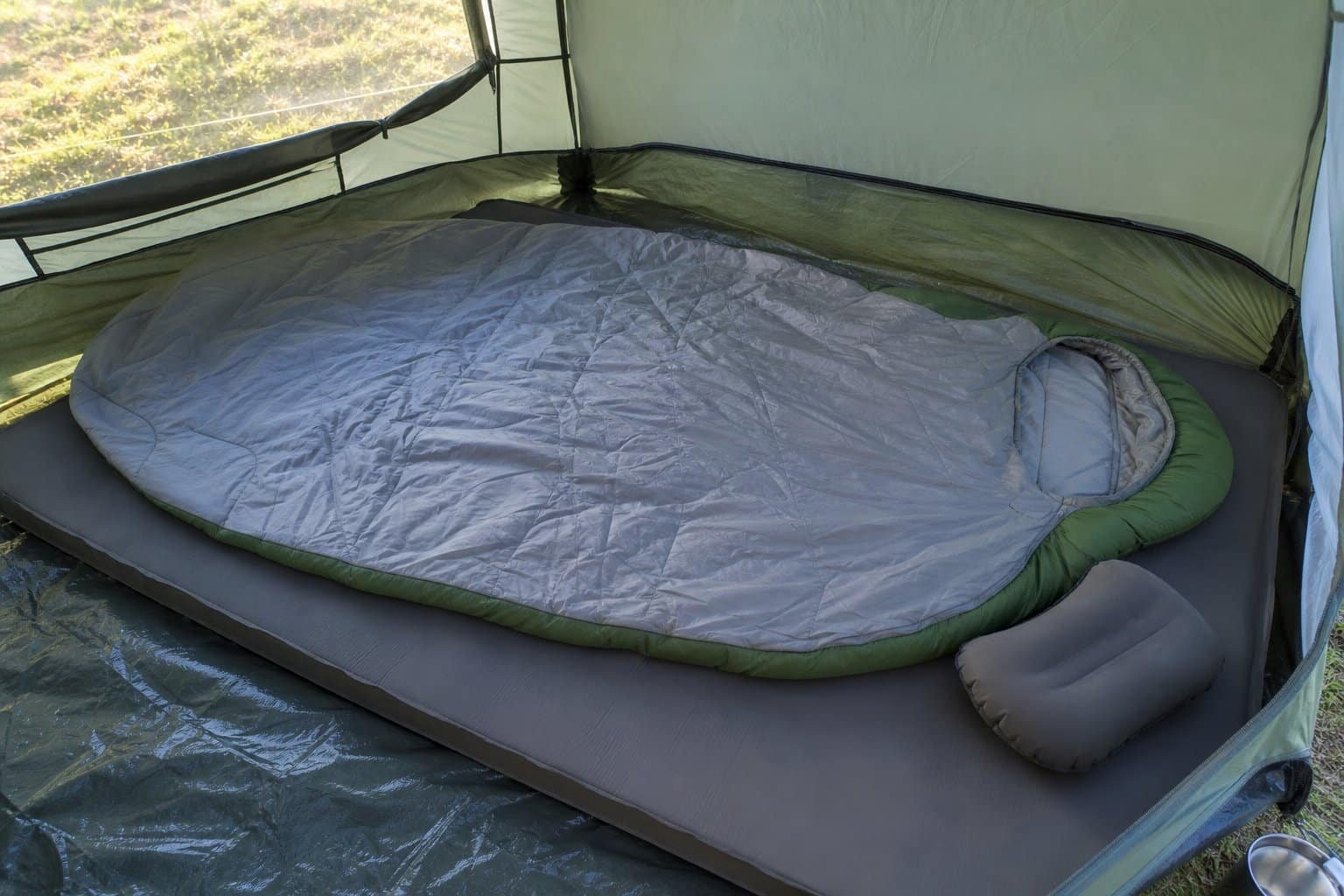
Most sleeping bags are cut for people who lie flat on their backs, yet most of us sleep on our side. In a narrow mummy bag that means tight hips and knees, a hood that ends up over your face when you turn, and insulation crushed flat under your shoulder and hip, which is where side sleepers feel the cold. Owners’ complaints are remarkably consistent: numb arms, waking every time they roll over, and pillows that slide out of the hood. The fix is a bag shaped for bending, either a spoon or contour cut, or a properly roomy rectangular bag, paired with a mat thick enough to cushion your hip. We have picked five bags that cover the options, from a purpose-built side-sleeper design to a budget oversized bag for the car.
- Spoon and contour shapes give room at knees and elbows
- Synthetic fill copes best with damp UK tents
- Your mat matters as much as the bag for side sleepers
- Avoid narrow mummy bags A tight mummy cut pulls across your hips when you bend your knees and twists when you roll.
- Look for spoon or contour shapes They add room at the elbows and knees but stay warmer than a big rectangular bag.
- Choose synthetic for damp camping Synthetic fill keeps insulating when condensation gets in. Treated down is lighter but needs keeping dry.
- Cushion your hip Side sleepers compress the bag underneath them, so a thick, insulated mat does much of the work.
Finding comfortable sleeping bags for side sleepers UK campers can trust on damp nights starts with the shape of the bag rather than its brand. You need room to bend your knees and roll over, insulation that still works where your hip presses down, and a rating that suits British seasons. This guide explains how each of those choices works, so you can match the five picks above to the way you sleep and the trips you take.


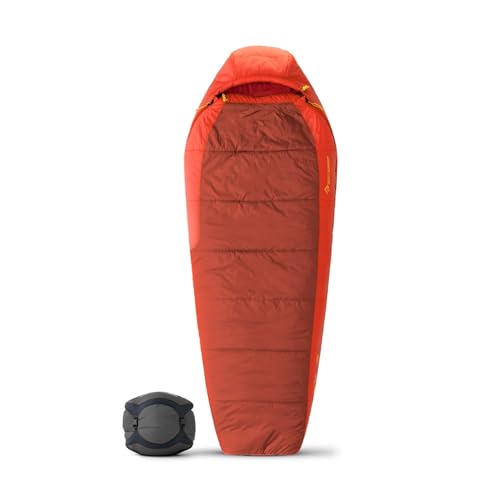

Best overall Forte 20 | Best purpose-built Sidewinder | Best lightweight down Disco 30 | Most versatile Hamelin 15 | Best budget Solstice 20 | |
|---|---|---|---|---|---|
|
|
|
|
|
| |
| Rating (US) | 20°F / -7°C | 20°F / -7°C | 30°F / -1°C | 15°F / -9°C | 20°F / -7°C |
| Shape | Spoon | Side-sleeper cocoon | Spoon | Contour | Oversized rect. |
| Insulation | Synthetic | Down + synthetic | 650 FP down | Synthetic | Synthetic |
| Fits up to | Not quoted | 183 cm | Not quoted | 185 cm | 198 cm |
| Weight | Not quoted | About 1.1 kg | Not quoted | 1.63 kg | About 2.7 kg |
| Pillow pocket | Not quoted | Yes | Yes | Not quoted | No |
| Vent / quilt | Thermo Gill vents | Wrap-around zip | Thermo Gill vents | Opens to quilt | Two-way zip |
| Check price | Check price | Check price | Check price | Check price |
Best sleeping bags for side sleepers: our detailed reviews
Each review covers shape, warmth, how the bag copes with damp British conditions and the trade-offs owners mention most. For the basics of temperature ratings and fill, see our guide on how to choose a camping sleeping bag, and if you sleep on your back as often as your side, our roundup of the best sleeping bags for UK camping has more all-round options.
Spoon-shaped synthetic bag with room at the elbows and knees
The NEMO Forte Synthetic 20°F Sleeping Bag is our top pick because it fixes the problem side sleepers have with ordinary mummy bags without giving up much warmth. NEMO’s Spoon shape adds room at the elbows and knees, so you can draw your knees up and lie on your side without the bag pulling tight across your hips. Outdoors Magic, which tested it in the UK, points out that many bags seem built for people who lie flat on their back, while most of us sleep on our side. The insulation is Zerofiber 800, a synthetic fill made from recycled material, which matters in Britain because synthetic keeps insulating when condensation or a damp tent soaks into it. NEMO rates it to 20°F, about -7°C. That is a US figure, so treat it as nearer a lower limit than a comfort rating: think frost-free spring to autumn nights rather than winter. Two features help on changeable UK nights. Thermo Gill vents let you dump heat without opening the main zip, and the oversized Blanket Fold collar can be pulled up like a duvet or pushed down when it is mild. The main trade-off is bulk: reviewers note it is heavier and bulkier than premium down bags, and NEMO’s listing does not quote a weight. It also comes in Long and Wide versions, and NEMO backs it with a lifetime warranty against defects.
- Spoon shape gives room to bend knees
- Synthetic fill copes with damp
- Thermo Gill vents for mild nights
- Blanket Fold draft collar
- Wide and Long sizes available
- Heavier and bulkier than down bags
- Weight not quoted on the listing
- US rating, not an EN/ISO comfort figure
Designed from the ground up for side sleepers, with a pillow pocket and padded hips
Where most bags are adapted for side sleepers, the Big Agnes Sidewinder 20 Sleeping Bag is designed around them. Its cocoon shape is wider at the shoulders and hips, and the wrap-around zip sits where it will not dig into you when you turn. The idea is that the bag turns with you rather than you twisting inside it, which reviewers say makes rolling over far less of a battle. Big Agnes also maps the insulation for side sleeping: there is extra warmth and cushioning at the hips and feet, the pressure points where down usually gets crushed flat and leaves a cold spot. The integrated Pillow Barn holds your pillow in the hood so it stays under your head as you move, a small detail that fixes one of the most common side-sleeper complaints. Insulation is 650 fill-power DownTek, a water-repellent treated down, combined with FireLine ECO synthetic fill, so it is lighter than the synthetic bags here and handles a damp tent better than untreated down. The listing quotes 2 lb 7 oz (about 1.1 kg), a 14-litre packed size and a fit for sleepers up to 6 ft (183 cm). It is rated to 20°F, about -7°C (US figure). The downsides are price, which is the highest in this list, and a footbox that some owners with large feet find restrictive.
- Designed specifically for side sleepers
- Extra insulation at hips and feet
- Pillow Barn keeps pillow in place
- Light and compact for a 20°F bag
- Water-repellent DownTek down
- Most expensive bag here
- Footbox can feel tight for big feet
- Regular only fits up to 183 cm
Spoon-shaped down bag for warmer nights and lighter packs
The NEMO Disco Down 30°F Sleeping Bag is the down sibling of the Forte and the one to choose if pack size matters. It uses the same Spoon shape, so there is room to raise your knees and elbows, and reviewers describe being able to roll over without taking the whole bag with them. The fill is 650 fill-power hydrophobic, PFAS-free down certified to the Responsible Down Standard. Treated down copes with damp air better than untreated down, but it still loses loft if it gets properly wet, so in a cold, condensation-heavy UK tent you need to air it each morning and keep it away from the tent walls. NEMO rates this version to 30°F, about -1°C (US figure). In practice that makes it a late spring to early autumn bag for most people; colder sleepers or anyone camping into October should look at the 15°F version instead. Thermo Gill vents and the Blanket Fold collar are carried over from the Forte, so it is easy to cool down on a muggy August night. The pillow pocket helps only if your pillow sits under your head, one tester noted. NEMO’s listing does not quote a weight for this size.
- Spoon shape for side sleeping
- Hydrophobic, RDS-certified down
- Packs smaller than synthetic bags
- Thermo Gill vents and Blanket Fold collar
- Lifetime warranty
- 30°F version is a mild-weather bag in the UK
- Down still needs keeping dry
- Weight not quoted on the listing
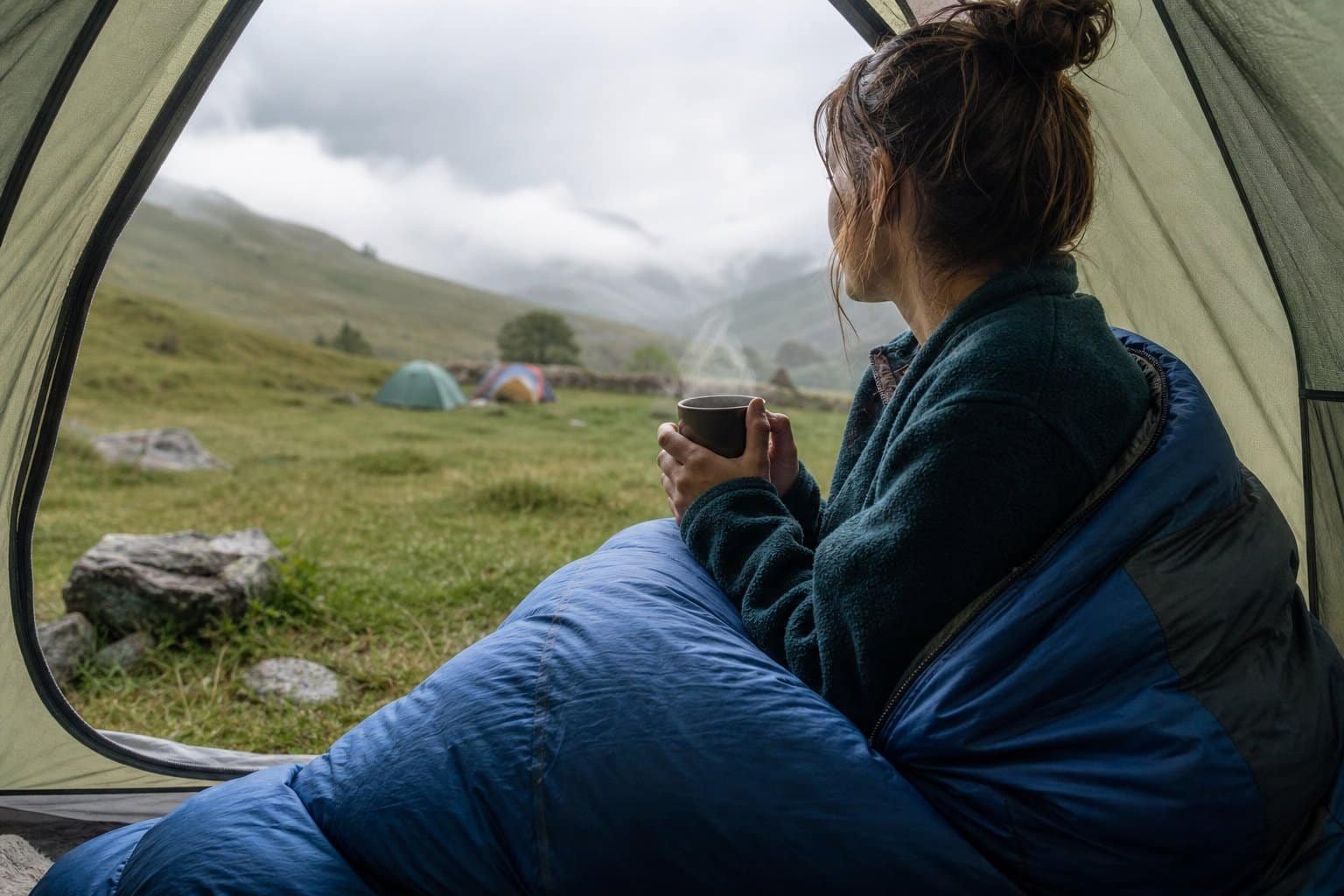
Contoured synthetic bag that unzips into a quilt
The Sea to Summit Hamelin Synthetic 15°F Sleeping Bag suits side sleepers who camp across the seasons. Its contour shape gives room to sleep on your side and change position without the extra weight and cold air of a fully rectangular bag, and the body-mapped Revive Loft synthetic insulation puts more warmth where you need it. The full-length Free Flow side zip has two sliders, so you can vent from the top or bottom, and it opens right through the footbox to turn the bag into a flat quilt, which is the best way for a side sleeper to stay cool on a warm night. Close the shoulder snaps and open the footbox zip and you can even wear it around camp. Sea to Summit rates it to 15°F, about -9°C (US figure), making it the warmest bag in this list on paper and a sensible choice for spring, autumn and upland trips. The Regular measures 196 x 79 cm (77 x 31 in), weighs 1.63 kg (3.59 lb) and fits sleepers up to 6 ft 1 in (185 cm). The fabrics and insulation are recycled with a non-PFAS water-repellent finish, and it carries a lifetime guarantee against defects. It is heavier and bulkier than the down bags.
- Contour shape with room to side sleep
- Synthetic fill copes with damp
- Unzips fully into a quilt
- Warmest rating in this list
- Lifetime guarantee
- Heavier than the down bags
- Regular fits only up to 185 cm
- US rating, not an EN/ISO comfort figure
Extra-wide rectangular bag that feels like your bed at home
If you camp from the car and simply want space, the Kelty Solstice 20°F Oversized Sleeping Bag is the budget answer. It is an oversized rectangular bag with 80 in (203 cm) of shoulder and hip girth, which Kelty says is wide enough to bring your pillow from home, so side sleepers can curl up, stretch out or flip over freely. It fits sleepers up to 6 ft 6 in (198 cm), the longest in this list. Insulation is ThermaPro Eco, a recycled synthetic fill, with offset quilting to reduce cold spots, a draft tube behind the two-way zip and a cord at the top to cinch the opening on cold nights. Two Solstice bags zip together, which makes it a good choice for couples. The catch with all that room is warmth: there is a lot of air to heat and no hood, so the 20°F (about -7°C) US rating is optimistic for a cold sleeper, and it is best kept for late spring to early autumn campsites. It is also heavy at about 2.7 kg (6 lb) and bulky, so it is strictly a car-boot bag. Kelty offers a limited lifetime warranty.
- Lowest price in this list
- Huge 203 cm girth
- Fits sleepers up to 198 cm
- Zips together with a second bag
- Draft tube and anti-snag zip
- Heavy at about 2.7 kg
- No hood
- Wide shape is harder to keep warm
What makes a sleeping bag good for side sleepers?
Side sleepers have two problems in a standard bag. The first is shape: a narrow mummy bag is efficient for warmth but leaves no room to bend your knees, so either the bag pulls tight across your hips or you end up twisting the whole bag round with you, hood over your face. The second is compression. Insulation only works when it is lofted, and when you lie on your side your shoulder and hip crush the fill underneath you. UK testers at Outdoors Magic make the point that most bags seem designed for back sleepers even though most people sleep on their side. Spoon and contour bags solve the first problem by adding room at the elbows and knees, and bags like the Big Agnes Sidewinder add extra fill at the hips. For the second problem, the answer is mostly your mat: read our guide to choosing a sleeping pad for camping, and check what R-value a sleeping pad needs if you camp in the colder months.
Sleeping bags for side sleepers UK: the main shapes compared
If you sleep on your side, you have more choice than ever, but the labels can be confusing. Brands use words like spoon, contour, cocoon and oversized for quite different cuts. The shape decides how freely you can bend your knees, how easily you can roll over and how much empty air the bag has to warm, so it is the first thing to settle before you compare ratings.
Spoon shape
The spoon shape, used on the NEMO Forte Synthetic 20°F and the NEMO Disco Down 30°F, looks like an hourglass: wider at the elbows and knees, narrower at the shoulders and feet. It gives you room to draw the knees up without the bag pulling tight across the hips, while keeping less dead air than a rectangular bag. For most people it is the best balance of room and warmth.
Purpose-built side-sleeper cocoons
The Big Agnes Sidewinder 20 is cut specifically for sleeping on your side. Rather than giving you more space to turn inside, the bag is designed to turn with you, and the insulation is mapped so there is extra fill at the hips and feet. It suits committed side sleepers who rarely lie on their backs and want a lighter bag for walk-in pitches.
Contour bags and quilts
Contour bags, like the Sea to Summit Hamelin Synthetic 15°F, are a gentler version of the mummy shape with extra room through the middle. The Hamelin also unzips fully into a quilt, which is handy if you run warm, because a quilt lets you stick a knee or an arm out to cool down without opening the whole bag.
Oversized rectangular bags
Oversized rectangular bags, such as the Kelty Solstice 20°F Oversized, give the most freedom to sprawl, curl up or flip over. They are cheap and comfortable, but they hold a lot of air and usually have no hood, so they feel cooler on cold nights. They are best for car campers who mainly camp from late spring to early autumn.
Why side sleepers feel the cold, and how to fix it
Insulation keeps you warm by trapping air in its loft. When you lie on your side, your shoulder and hip press the fill underneath you almost flat, so very little warmth is left between you and the ground. That is why people who sleep on their side often say a bag feels warm on top but cold underneath, even when its rating should be plenty.
The solution is mostly below the bag. A thick, well-insulated sleeping mat replaces the warmth lost from crushed fill and cushions the hip so it does not press through to the ground. A mat that is comfortable for a back sleeper can feel thin for a side sleeper. Our guide to the best camping sleeping mats for side sleepers covers deeper options.
Bag design helps too. Extra fill at the hips, as on the Sidewinder, adds warmth where it is crushed most. Draft collars and hoods that move with you stop warm air escaping when you turn. And because a bag that is too tight squashes the fill even more, a roomier shape is often warmer in practice for a side sleeper than a snug mummy bag.
Matching a side sleeper bag to UK seasons
Every bag in this guide quotes a US temperature rating rather than an EN or ISO comfort figure. Treat those numbers as nearer a lower limit than a comfortable night. As a rough guide, a 20°F (-7°C) bag suits spring to autumn campsites, a 30°F (-1°C) bag is best kept for summer, and a 15°F (-9°C) bag gives more margin for colder shoulder-season and upland trips.
If you sleep on your side, lean towards the warmer end of that range. Because the insulation under your hip and shoulder is compressed, you lose more heat than a back sleeper in the same bag. If you are torn between two ratings, choose the warmer one and use the vents or zips to cool down on mild nights.
Damp is the other British factor. Synthetic fill, used in the Forte, Hamelin and Solstice, keeps much of its warmth when condensation gets in. Treated down, as in the Disco and the Sidewinder blend, is lighter and packs smaller but needs more care in a wet tent. When comparing sleeping bags for side sleepers UK campers can buy, weigh that trade-off against how far you will carry the bag.
Getting the fit right: length, girth and pillows
Bending your knees uses up length, and many people who curl up push their feet against the end of the bag, which compresses the fill and leaves cold toes. If you are close to the maximum height a bag fits, choose the long size. Several bags in this guide come in Regular, Long or Wide versions, so check the size chart before you order.
Girth matters for broad shoulders and for anyone who sleeps with an arm bent under the pillow. A Wide version gives more room to move without opening the zip. Think about which side your zip should sit on, too: many campers prefer the zip on the side they do not lie on, so it is easy to reach and does not press into them.
Pillows are a surprisingly common complaint. A pillow that slides away every time you turn will wake you repeatedly. Bags with a pillow pocket or sleeve, like the Sidewinder and the Disco, help, and a pillow with enough height to fill the gap between your shoulder and head makes side sleeping more comfortable. See our pick of the best camping pillows for neck support.
When your new bag arrives, test it at home before the first trip. Lay it on your camping mat, get in with the clothes you would sleep in, and try every position you use in a normal night: curled up, half on your front, rolling from one side to the other. The best sleeping bags for side sleepers UK campers choose will let you do all of that without the hood ending up over your face or the zip pressing into your hip.
Caring for a side sleeper bag between trips
Sleeping on your side puts more pressure on one part of the bag every night, so looking after the loft matters. Shake the bag out each morning, open it fully and hang it in the breeze or sun to drive out moisture. That is especially important for down bags such as the Disco, which lose loft if damp is left inside them.
At home, store the bag loose in a large storage sack or hang it, rather than leaving it in its stuff sack. Wash it only when needed, following the care label, and use a specialist down or synthetic wash. A liner keeps sweat and skin oils off the fill between washes and is an easy way to make a bag last longer.
Final thoughts on sleeping bags for side sleepers UK
The right side sleeper bag gives you room where you bend and warmth where you press down. For most people that means a spoon or contour shape with synthetic fill and a rating of around 20°F, paired with a thick, insulated mat. Purpose-built designs and treated down suit those who carry their kit, while an oversized bag suits car campers on a budget.
Before you choose between these sleeping bags for side sleepers UK retailers stock, think about your coldest likely night, how far you will carry the bag and how much you move in your sleep. Match those to the shape and fill, put a good mat underneath, and nights under canvas will feel far closer to your bed at home.
What to look for in a sleeping bag for side sleepers
Spoon and contour shapes add room at the knees and elbows while staying warmer than a big rectangular bag. Rectangular bags are roomiest but have more air to heat.
The best side-sleeper bags let you roll over inside them, or turn with you, without the hood ending up over your face.
US ratings are closer to a lower limit than a comfort figure. For UK campsite trips from spring to autumn, a 20°F (-7°C) US rating is a sensible three-season choice.
Synthetic fill keeps insulating when damp and suits condensation-prone tents. Treated down is lighter and packs smaller but must be kept dry.
A sleeve or pocket in the hood stops your pillow escaping every time you turn over.
A centred or wrap-around zip is less likely to dig into you, and a two-way zip lets you vent your feet on mild nights.
Bending your knees uses up length, so size up if you are close to the limit. Wide versions suit broad shoulders.
Your body crushes the insulation under your hip and shoulder, so a thick, well-insulated mat matters more for side sleepers than anyone.
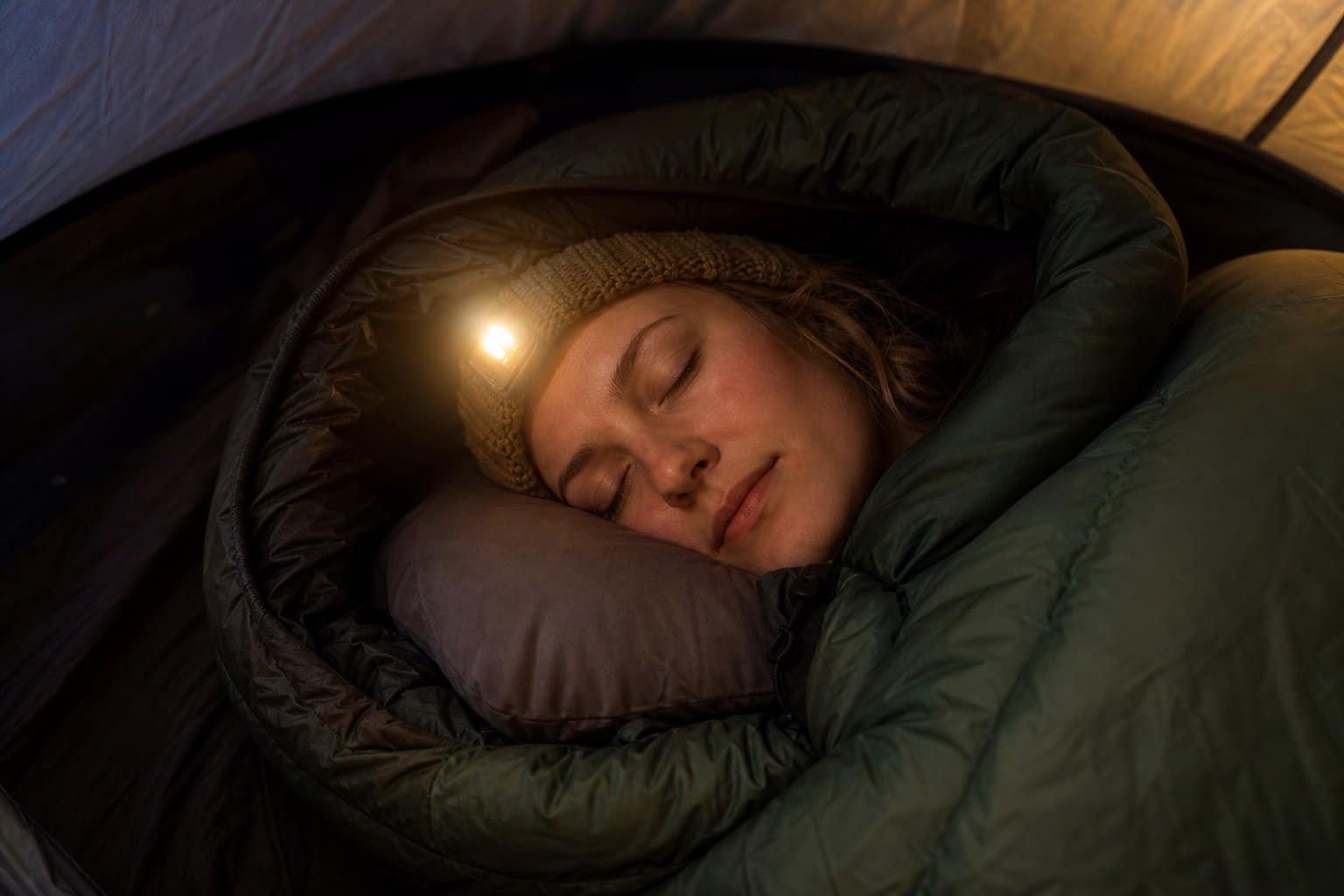
How to sleep better on your side in a sleeping bag
- Use a thicker mat
A self-inflating mat or air pad of around 7 to 10 cm stops your hip bottoming out on the ground and replaces the warmth lost from crushed insulation underneath you.
- Roll with the bag, not inside it
In a fitted bag, keep the hood around your face and turn the whole bag with you. In a roomy bag, roll inside and leave the zip on top.
- Fix your pillow
Put your pillow inside the hood or pillow sleeve, or wrap a fleece around it, so it stays under your head as you turn.
- Support your knees
A rolled-up jumper between your knees takes strain off your hips and lower back, which many side sleepers find helps on a firm mat.
- Vent before you overheat
Open the zip at your feet or the vents rather than throwing the bag off, so you are not woken by the cold later in the night.
How we chose these sleeping bags
We have not slept in every bag in this list ourselves. Our picks are based on manufacturer specifications, published UK and US reviews, and recurring themes in owner feedback from side sleepers. Prices change, so check the current price before you buy.
-
Shape for side sleeping
We prioritised spoon, contour and purpose-built side-sleeper designs, plus one roomy rectangular budget option.
-
Warmth
We compared stated temperature ratings and noted that they are US figures rather than EN or ISO comfort ratings.
-
UK conditions
We favoured synthetic or water-repellent treated insulation and venting for damp, changeable British nights.
-
Value
We weighed features, warranty, weight and pack size against price.
Not every listing quotes weight or maximum height. Where a figure is missing we say so rather than guess.
Can you sleep on your side in a mummy sleeping bag?
You can, but a standard mummy bag is narrow at the knees and hips, so either the bag pulls tight when you bend your legs or it twists round with you. Spoon and contour shapes, or a bag designed for side sleepers, are much more comfortable.
What shape sleeping bag is best for side sleepers?
A spoon or contour shape is the best balance for most people: room to bend at the knees and elbows with less dead air than a rectangular bag. If you camp from the car and sleep cold only rarely, an oversized rectangular bag is cheaper and roomier.
Why do side sleepers feel cold in a sleeping bag?
Your hip and shoulder compress the insulation underneath you, and compressed fill barely insulates. A thicker, well-insulated sleeping mat solves most of this, and some side-sleeper bags add extra fill at the hips.
Is a down or synthetic sleeping bag better for side sleepers in the UK?
For most UK campsite trips, synthetic. It keeps much of its warmth if condensation gets in and dries faster. Water-repellent treated down is lighter and packs smaller, so it suits backpackers who can keep it dry.
What temperature rating do I need for UK camping?
For spring to autumn campsites, a bag rated around 20°F (-7°C) on US figures, or about 0 to 5°C comfort on EN/ISO figures, is a sensible three-season choice. A 30°F bag is best kept for summer.
Which sleeping bag should side sleepers buy?
- Best overall: NEMO Forte Synthetic 20°F Sleeping Bag
- Best purpose-built: Big Agnes Sidewinder 20 Sleeping Bag
- Best lightweight down: NEMO Disco Down 30°F Sleeping Bag
- Most versatile: Sea to Summit Hamelin Synthetic 15°F Sleeping Bag
- Best budget: Kelty Solstice 20°F Oversized Sleeping Bag
For most people, the NEMO Forte Synthetic 20°F is the best sleeping bag for side sleepers in the UK: its Spoon shape gives room to bend, its synthetic fill copes with damp tents and its vents make it easy to live with on mild nights. Choose the Big Agnes Sidewinder 20 for a purpose-built side-sleeper design that is light enough to carry, the NEMO Disco Down 30°F for summer trips where pack space matters, the Sea to Summit Hamelin 15°F for colder, changeable weather and a quilt option, and the Kelty Solstice 20°F Oversized if you want maximum room on a budget. Whichever you choose, pair it with a thick, insulated mat.
CampEquipmentPlus relies on reader support. Purchases made via links on our website may earn us an affiliate commission at no extra cost to you, helping keep the site running.